There has never been a better time to learn guitar. The amount of instruction, inspiration, and high-quality gear available to players right now is staggering. Great guitars are more affordable and accessible than ever—a well-set-up Fender Squier can absolutely rip. YouTube alone has produced a generation of musicians with technical abilities that would have been considered elite level 20 years ago. The licks are there. The tone is there. The technique is there.
And that’s genuinely exciting. I mean that.
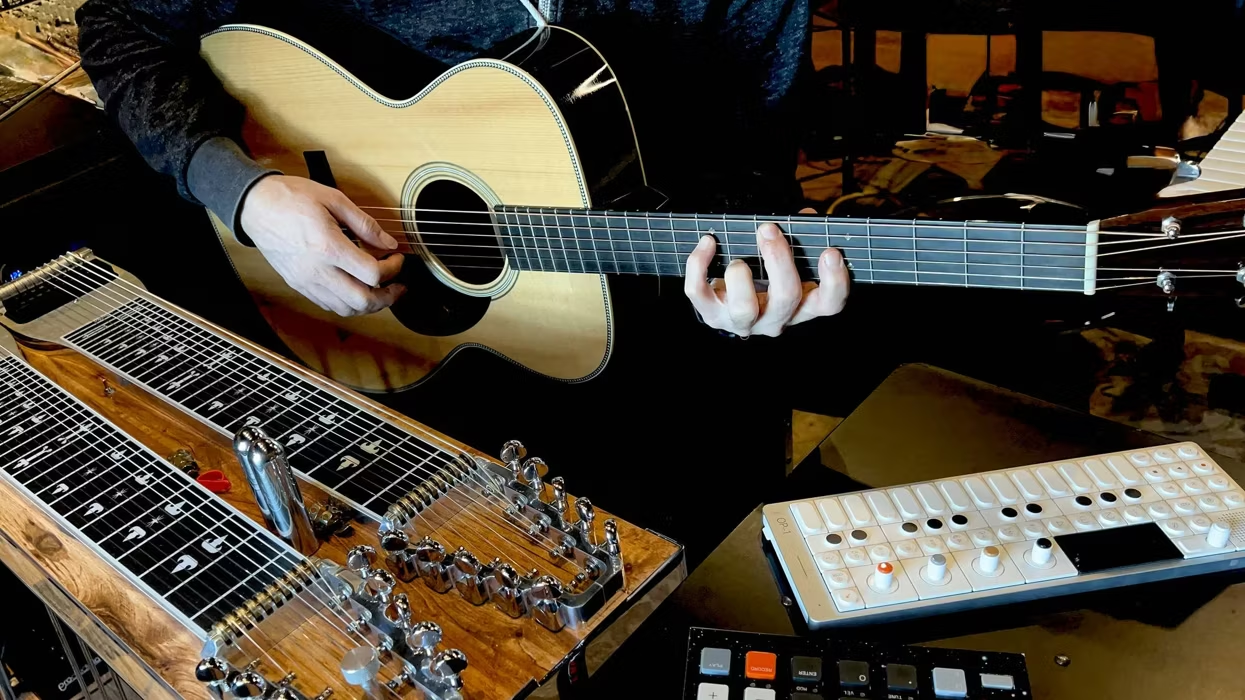
But here’s something I want to share with you, not as a criticism but as an invitation: Some of the best parts of playing music are waiting for you outside your bedroom. And the only way to find them is to go play with other people.
I started my first band as a freshman in high school. We rehearsed in the basements of the guitarist and drummer for all four years. We learned songs by ear, from sheet music, or from an older brother who knew a few chords and was willing to show us. No YouTube. No tabs a click away. Just a group of kids in a basement figuring it out together, slowly, loudly, and with considerably more enthusiasm than ability. Those were some of the most valuable musical experiences of my life—and not just because we were learning songs. We were learning how to play with other people. How to listen. How to lock in. How to serve something bigger than any one of us.
I think about that a lot when I watch younger musicians coming up now. They have access to everything we didn’t. But I wonder sometimes if the ease of learning a song alone from a video is quietly replacing the irreplaceable experience of learning it together in a room. Those older songs people still love—the ones that have lasted—most of them were made by four or five people in a band, playing together, finding something collectively that none of them could have found alone. That’s not nostalgia talking. That’s physics.
I see it every night playing with the Goo Goo Dolls. Five people onstage, and what we create together is something none of us could produce individually. The sum of the parts creates something much larger than the individuals. That only happens in a room, with other people, in real time.
I got a clear reminder of that during a recording session for blues guitarist Kenny Wayne Shepherd. No rehearsals. A chart would appear in front of us, and we’d record from the first take. In the middle of the second take, bassist Kevin McCormick—who has played with Melissa Etheridge, Jackson Browne, and Crosby, Stills & Nash—quietly settled into a part that shifted the entire feel of the song. The moment I stopped focusing on my own part and locked into what Kevin was doing, something opened up. It was two musicians, no conversation, finding each other in real time. It’s one of the best feelings this job offers. You remove your ego, find the best idea in the room, and build your part around it. The practical term is just listening. And then making adjustments. Sometimes small. Sometimes seismic.
“Take those licks you’ve been developing and go find some people to play them with.”
Here’s something specific for guitarists. The left hand gets all the attention—the notes, the chords, the fretboard. Every lesson, every tutorial focuses on what you’re playing. But the real magic is in the right hand. It’s not just when you hit the note. It’s when you let go of it. The dynamic range in your strumming or picking hand is where the feel lives.
And here’s the other thing every guitarist eventually hears: Turn down. You can’t hear how you sit in the mix until there are other people in it with you. Sometimes your job is to drive the pulse of the song. Sometimes your job is to support someone else who is driving it. Knowing the difference—and having the discipline to play the supportive role when that’s what’s needed—is something you can only learn by being in the room.
I can point directly to the guitarists who shaped my understanding of all of this—Emerson Swinford (Rod Stewart), Brad Fernquist (Goo Goo Dolls/New Radicals), David Levita (Alanis Morristte/Tim McGraw). None of them sat me down for a lesson. These are all friends of mine I just happened to be lucky enough to play next to for years—and I absorbed it.
That’s the education that doesn’t show up on YouTube.
So here’s my invitation: Take those licks you’ve been developing and go find some people to play them with. A drummer. A bass player. Go back up a great singer. See what happens to your playing when there’s someone else in the room. See what opens up when you stop listening only to yourself.
Music was always meant to be shared. The best parts are out there waiting for you.
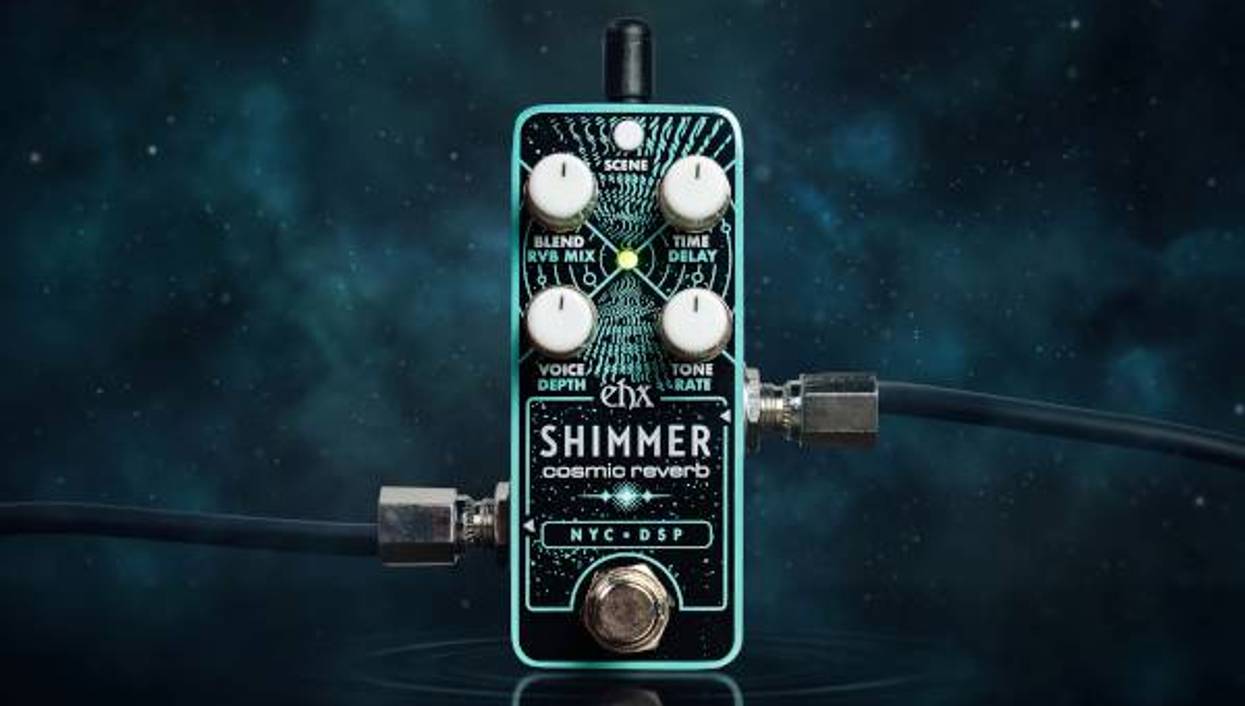
Electro-Harmonix proudly expands their line of sub-compact effectors with the Pico Shimmer Cosmic Reverb. Inspired by popular Shimmer settings on the award-winning Canyon Delay and Oceans 11 Reverb, this new pocket-sized pedal delivers even more immersive sounds featuring 3 new scenes: INTERGALACTIC, OFF-WORLD, and ETHERDUST.
Each effect scene utilizes a mixture of reverb, delay, and modulation effects, as well as an octaves and string synth engine.
INTERGALACTIC: a classic shimmer made up of polyphonic octaves, reverb, modulated delay and compression with the addition of a string synthesis engine. Morph between plate reverb, classic shimmer, and ethereal strings to create cinematic atmospheres beyond time and space.
OFF-WORLD: a smoother, mellower shimmer effect with enhanced delay modulation. Vintage synthesizer textures abound and lift Off-World to an orbiting atmospheric soundscape.
ETHERDUST: a glitch shimmer effect where the delay time is randomized, creating stutters ranging from short granular sparkles to distinct glitch echoes.
The BLEND knob sets the overall wet/dry mix while the TONE knob adjusts the brightness of the effect. TIME controls the decay time from short instances of reverb to infinite reverb. Tweaking the VOICE knob morphs the reverb character from plate to shimmer to string synth pad. The SCENE mode button toggles between scenes when pressed, and when held the button engages secondary function mode that allows for control over reverb mix, delay time, and modulation depth and rate. Press and hold the footswitch for instant infinite reverb on the fly.
This lightweight ambience machine ships with a standard EHX 9 Volt power supply, is available now and has a U.S. Street Price of $149.00.
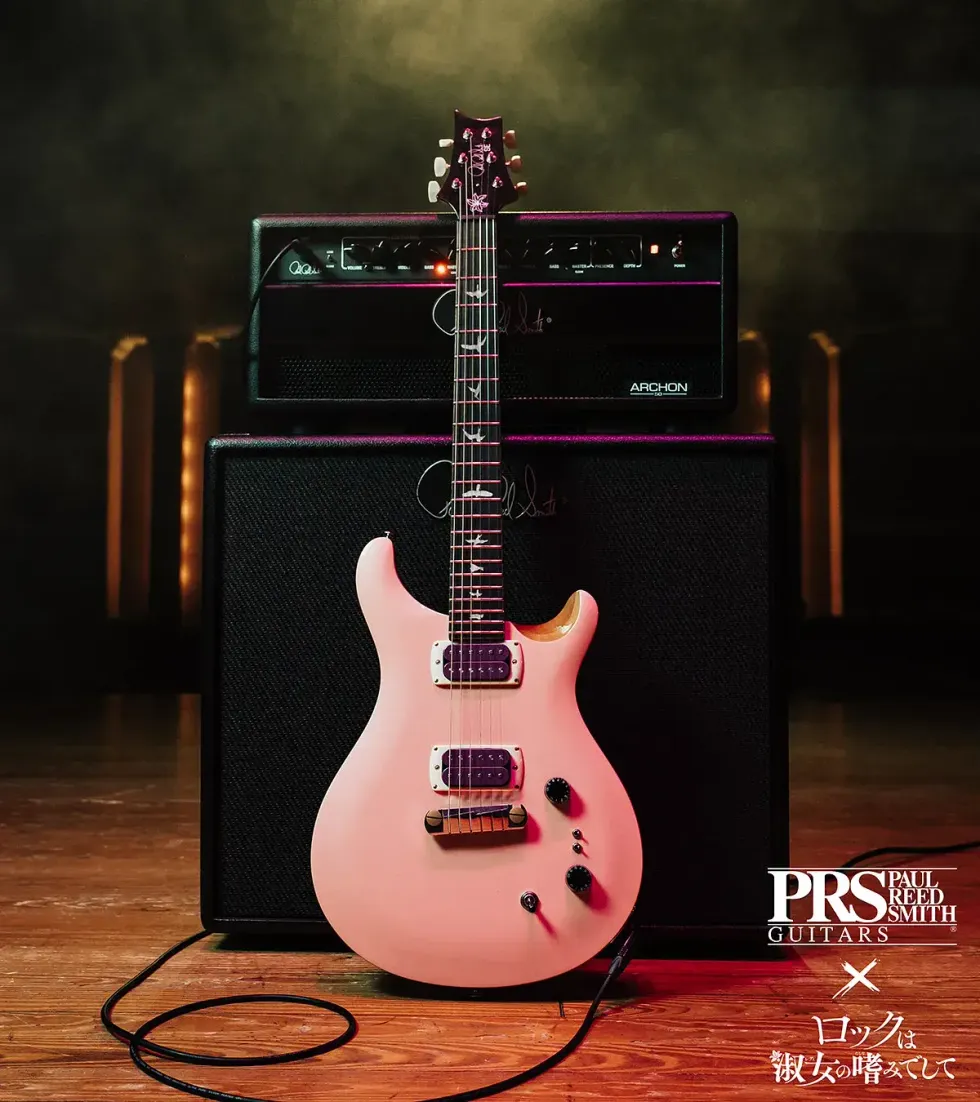
PRS Guitars has partnered with AMC Global Media’s Sentai and HIDIVE to bring Rock is a Lady’s Modesty to life with the release of the 2026 SE Rock Lady Limited Edition guitar.
This collaboration between the coming-of-age anime drama series and the established guitar manufacturer offers fans a chance to experience and recreate the intense rock music featured in last year’s hit anime adaptation of the manga series written and illustrated by Hiroshi Fukuda.
Based on both the PRS SE Paul’s Guitar model and PRS Artist KANAMI’s (of Japanese rock band BAND-MAID) Limited Edition Custom 24-08, the 2026 SE Rock Lady Limited Edition is inspired by the guitar used by the series’ main character Lilisa Suzunomiya (“Lily”) and prominently featured in Rock is a Lady’s Modesty. The guitar is limited to just 690 units and is now available from major PRS Guitars retailers in North America and select international markets, including Japan. Full instrument details are available on 2026 SE Rock Lady Limited Edition product page on the PRS Guitars official website.
“This project has been one of the most creative, out-of-the-box things we have done in a while. Developing a guitar with a fictional artist is not something we do every day. It has been a lot of fun, but this is far more than a commemorative display piece – it’s a true player’s guitar, designed for performance and durability. Ultimately, it’s a musical instrument that is made to be played,” said PRS Guitars COO, Jack Higginbotham.
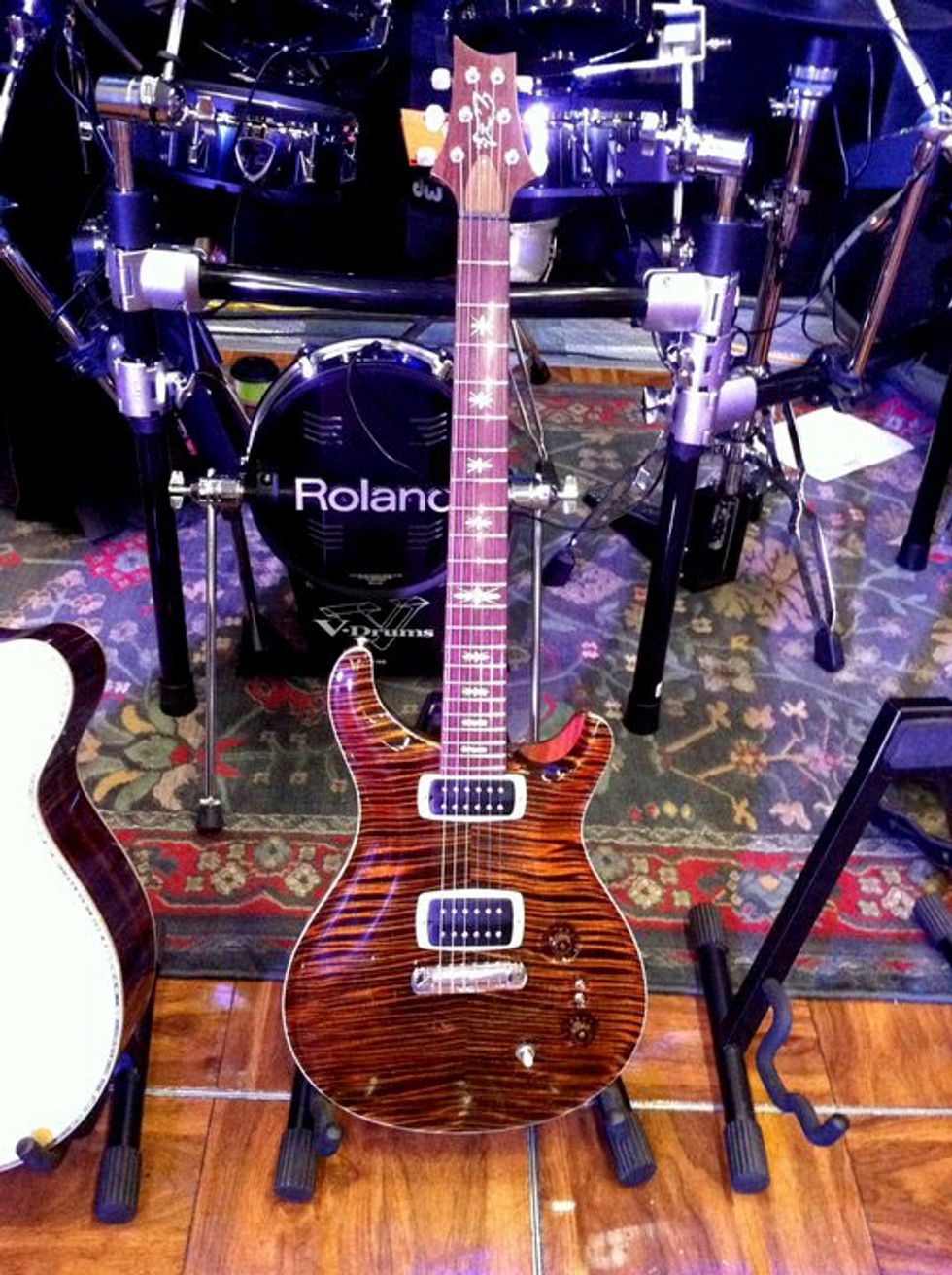
Visually, the 2026 SE Rock Lady Limited Edition was designed to replicate Lily’s guitar as close as possible, with a Pink Pearl top, black headstock face, natural back, and purple-toned pickup bobbins. One notable difference is the inclusion of PRS’ trademark bird inlays. Finally, there is a line-drawing of a lily on the truss rod cover as a nod to the show and a unique finishing detail.
The TCI “S” treble and bass pickups deliver a wide array of tones from spanky single coils to full soapbar sounds. These pickups are paired with a 3-way toggle pickup selector and two mini-toggle switches. The mini-toggles allow you to coil-tap the pickups independently, giving players a total of eight pickup combinations. Anchoring this guitar is the PRS Stoptail bridge, which features specially curved string slots with brass inserts to ensure optimal contact for the string, yielding a powerful and resonant instrument.
Rock is a Lady’s Modesty opening theme “Ready to Rock” was written by KANAMI and performed by BAND-MAID. Both she and her band mates provided motion capture for the anime production to create the highly realistic and dynamic concert performances praised by both fans and critics alike. The series was directed by Shinya Watada together with writing by Shogo Yasukawa, character design by Risa Miyadani and production by BN Pictures.
“When I wrote the opening theme ‘Ready to Rock,’ I wanted it to feel like the moment you decide to step onto the stage and let everything out. It’s exciting to see that energy carried into a real PRS guitar inspired by Lily’s instrument, and I hope players and fans can plug in, turn it up, and experience the world of Rock is a Lady’s Modesty for themselves,” said KANAMI.
The PRS 2026 SE Rock Lady Limited Edition guitar carries a street price of $999. For more information visit www.prsguitars.com.
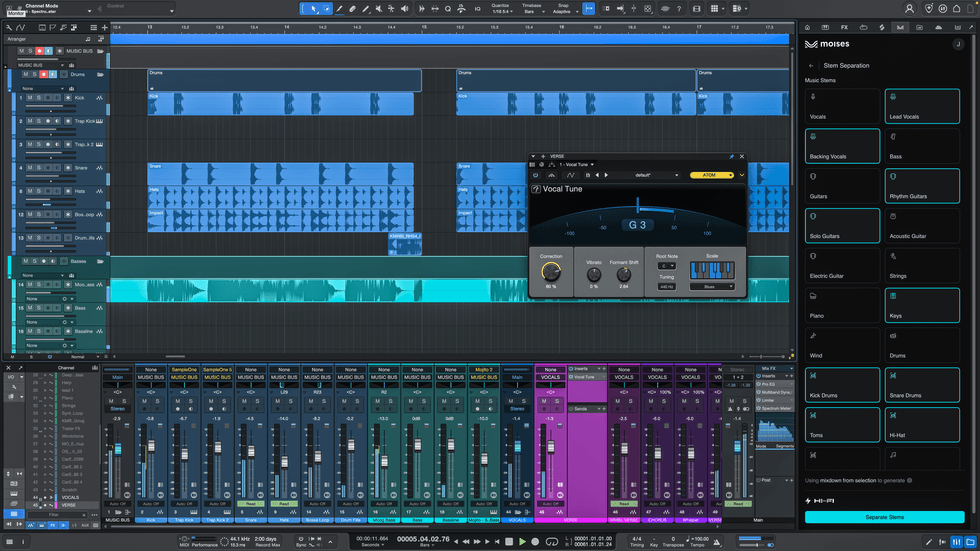
Fender Studio has announced the latest update to its digital audio workstation, Fender Studio Pro 8.1. Evolving the DAW with modern tools, this release adds an in-DAW Studio Assistant that provides real-time answers and technical direction, and a Vocal Tune Plug-in for native pitch correction. 8.1 offers a first-of-its-kind integration with Moises Studio, empowering creators to transform vocals and generate accompanying tracks based on a creator’s recordings. Together, these production and AI-powered tools support the creative process and help artists bring their vision to life, whether writing, practicing a part or producing a track.
“At Fender, we view AI the same way we view any innovation. Its value isn’t in the technology itself, but in how it helps musicians create, learn and express themselves,” said Max Gutnik, Chief Product Officer of Fender Electronics. “Studio Assistant provides guidance right when players need it, helping remove friction and keep the creative process moving. Our integration with Moises gives musicians powerful new ways to learn songs, practice, experiment and create. AI isn’t the destination. Making music is. When technology gets out of the way and helps musicians accomplish more, it’s serving the art. That’s what we aspire to do.”
“Anything that keeps me in-DAW versus breaking focus for a web browser, like the new Moises integration, is a welcome addition,” said Josh Cumbee, artist, producer and songwriter. “8.1 gives me more tools and a wider ecosystem that supports my workflow, making it as fast and customized as I would ever want it to be.”
Studio 8.1 Key Features include:
Studio Assistant — Designed to help answer questions instantly without breaking workflow, the natural-language assistant brings documentation, tutorials and support into one place. Studio Assistant is now available as a public beta for Fender Studio Pro+ users.
Moises Studio Integration — Now available directly in Fender Studio Pro 8.1, Moises Studio delivers powerful vocal transformation, the ability to generate stems from pre-existing tracks and best-in-class stem separation, so creators can spark new ideas or finish old ones. Moises Studio integration is available for all 8.1 users, providing 10 audio stem separations, 120 stem generations and five voice conversions per month at no extra cost.
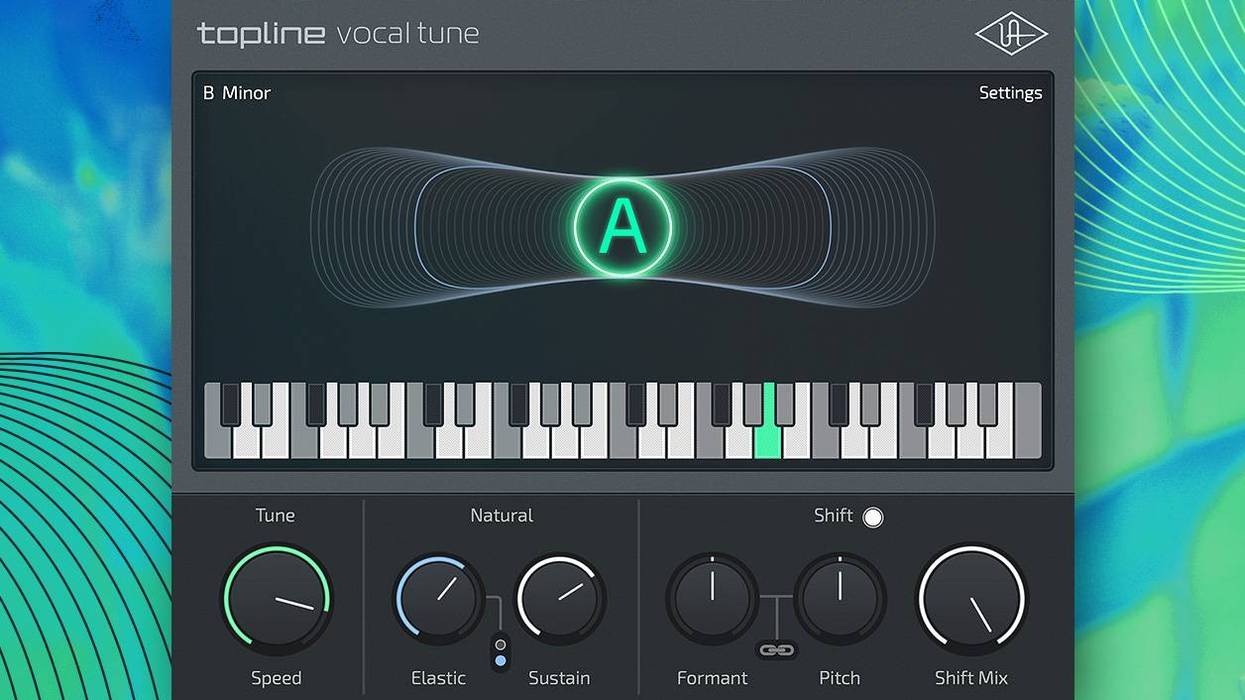
Vocal Tune Plug-in — The Vocal Tune Plug-in gives creators precise control over vocal performances, from subtle natural correction to stylized tonal transformation with formant shifting, keeping performances and emotion at the center of every mix.
Sound Variations and Scoring Improvements — Articulation-based timing offsets, combined articulation conditions and deeper Score Editor functionality bring greater realism and precision to every performance.
Pitch Curves on Audio Events — Pitch curves let creators draw real-time pitch changes directly onto audio with automation-style control, enabling subtle shaping, expressive bends or precise correction for a more performance-driven editing experience.
Native Stem Separation Improvements — Improved performance and a reduced system footprint allow creators to process stems more quickly while keeping all processing local to their machines.
Audio-to-Note Improvements — Enhanced detection, expanded drum support and improved conversion performance make it easier to accurately capture ideas and turn audio into MIDI.
Browser Workflow Improvements — Reorderable tabs and a customizable browser layout allow creators to tailor their workspace and keep essential tools exactly where they need them.
Dolby Atmos® Headphone Personalization — Personalized Dolby Atmos headphone profiles can improve spatial and timbral accuracy of Dolby Atmos headphone mixes, for a more accurate and consistent monitoring experience.
Shared Virtual Instrument Sets — Shared Instruments reduce setup time and system load by making creators’ core instruments available across sessions without repeated loading or reconfiguration, so creators spend less time setting up and more time creating.
The Fender Studio brand, announced earlier in 2026, brings together the trusted performance of PreSonus hardware and software with Fender’s deep legacy in tone and musical expression. The latest Fender Studio Pro update builds on that foundation, expanding its suite of co-production tools to meet the evolving needs of today’s creators who demand tools that never interrupt the creative process. This update reflects Fender Studio’s continued commitment to providing industry-leading tools that make music creation faster, more inspiring and more connected than ever before.
The Studio 8.1 update is included for all users of Fender Studio Pro and anyone with a current Fender Studio Pro+ subscription, a perpetual license or an upgrade purchased within the past 12 months. Fender Studio partners with Moises, a company that prioritizes a licensed approach to AI technology for music creation, data usage and artist rights.
Fender Studio Pro 8.1 brings inspiration to life with smarter, faster and higher-quality tools—giving total creative control and a seamless path from first idea to finished track. At the core is Studio Assistant, the intelligent in-DAW guide for real-time answers, creative direction and technical support—so nothing interrupts creative flow. Integrated Moises Studio delivers an all-new, best-in-class stem separator, powerful vocal transformation and the ability to create backing tracks from players' pre-existing music—so they can spark new ideas or finish old ones by splitting, transforming and rebuilding audio. Shape performances with precision using the new Vocal Tune plug-in and expressive Pitch Curves on Audio Events, delivering detailed, musical pitch control. Expanded Sound Variations and enhanced scoring workflows unlock deeper composition tools for modern producers, composers and creators. Performance upgrades power everything beneath the surface. Faster, more accurate stem separation and improved Audio-to-Note conversion accelerate editing, remixing and idea generation. A refined browser allows users to customize and streamline their workspace, while Dolby Atmos® Headphone Personalization support improves spatial and timbral accuracy of Dolby Atmos® headphone mixes. Shared Virtual Instruments vastly improve computer performance, streamlining workflows across multiple opened sessions. Fender Studio Pro 8.1 removes friction, amplifies creativity and keeps artists locked into what matters most—creating, producing and finishing music faster than ever.
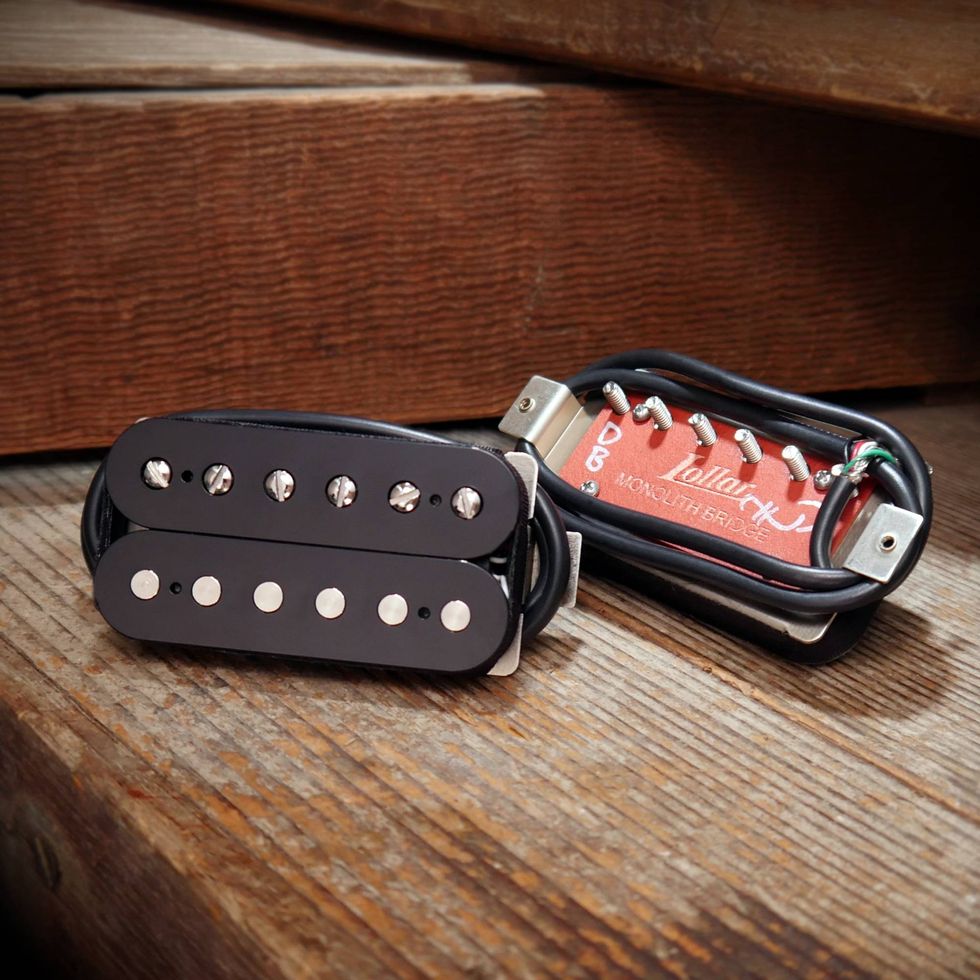
Pickup Party Week 2 is live and we're giving away a set of Lollar Monolith humbuckers, hand-built for players who need serious output without sacrificing clarity or feel. Enter below!
The concept for our Monolith Humbucker set was to explore a higher-output pickup set intentionally designed for guitarists who play both modern and extreme styles of music. High-output humbuckers often suffer from either a boxy voicing or a harsh and brittle top end that can be fatiguing. We voiced a set of pickups with the right balance of a strong, thicker midrange and smooth top end for clarity and articulation.
The Monolith bridge position offers a midrange forward frequency response with the right amount of compression and dynamics when palm muting for a satisfying attack and tight low-end grunt. Like our other pickup sets, the neck position is open and clear, but with a prominent midrange that offers a more vocal sound for leads and clean passages.
Splitting the coils on these humbuckers provides a full-bodied single-coil sound. When under gain, the split coils provide the percussive and aggressive tone for lower tunings and extended scale length instruments that progressive and djent players seek.
The Monolith Humbucker set is available as a two-piece set for both 6 and 7-string guitars. For 6-string sets, we also offer an F-spaced bridge position pickup (53 mm) to match a wider string spacing required for guitars with tremolos.










![Jared James Nichols [2026]](https://www.premierguitar.com/media-library/image.jpg?id=66892615&width=1245&height=700&quality=70&coordinates=0%2C0%2C0%2C0)