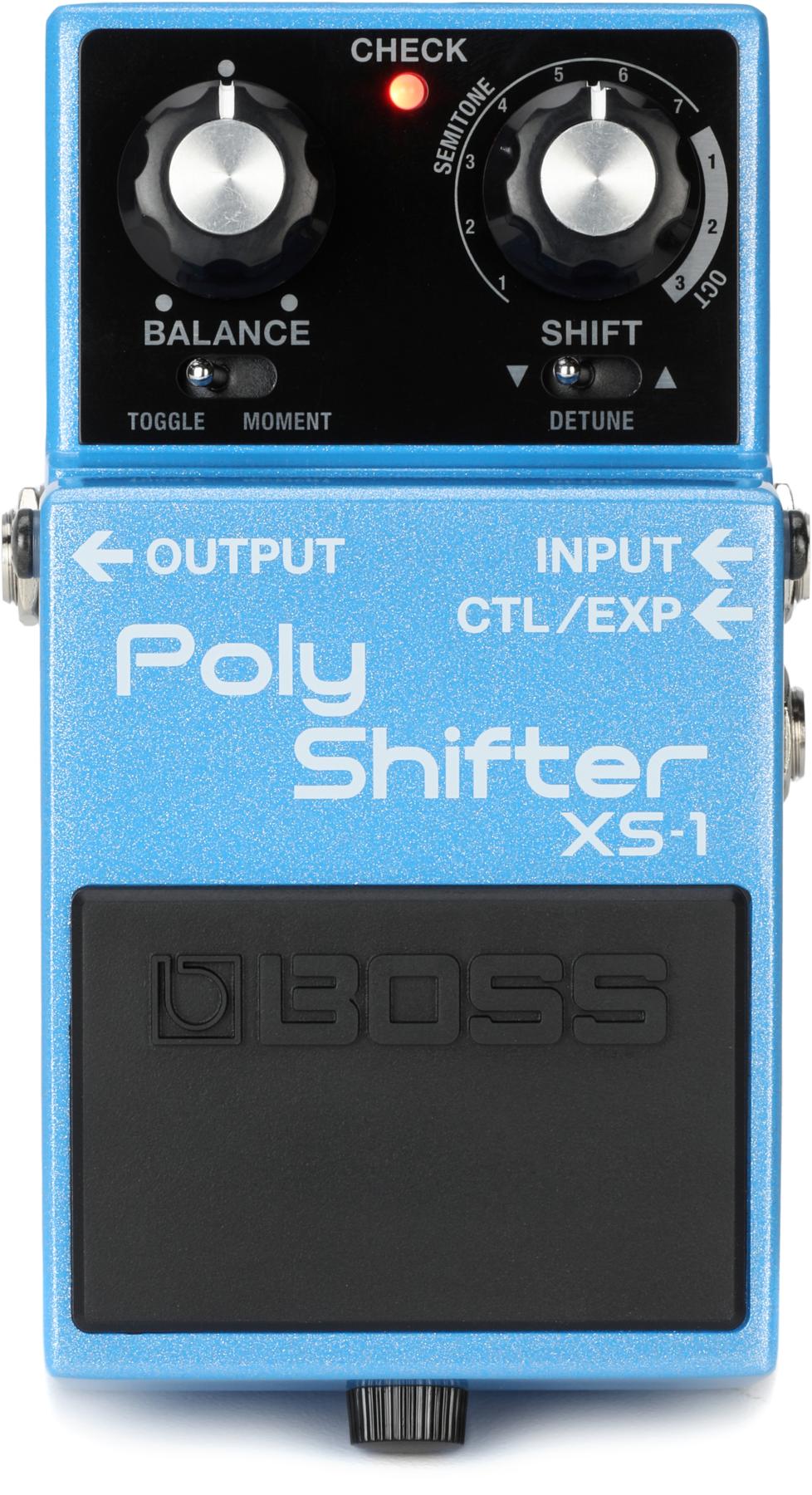
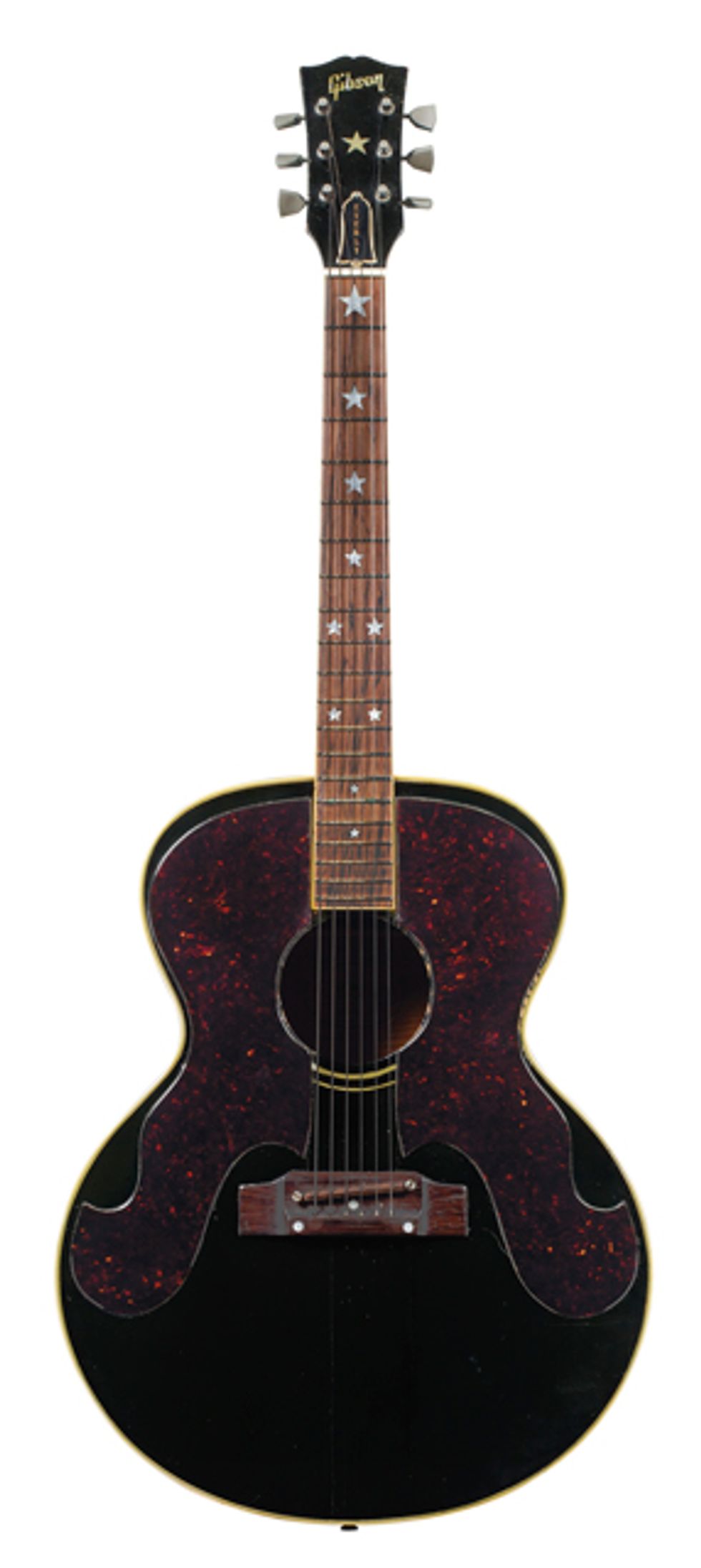
"Part of the property from the estate of Coy Martin, a staff guitarist on KMA Radio in Shenandoah, Iowa, this serial number 16196 SJ-200 has an original double pickguard and COY-engraved truss rod cover. $6,000п$9,000."
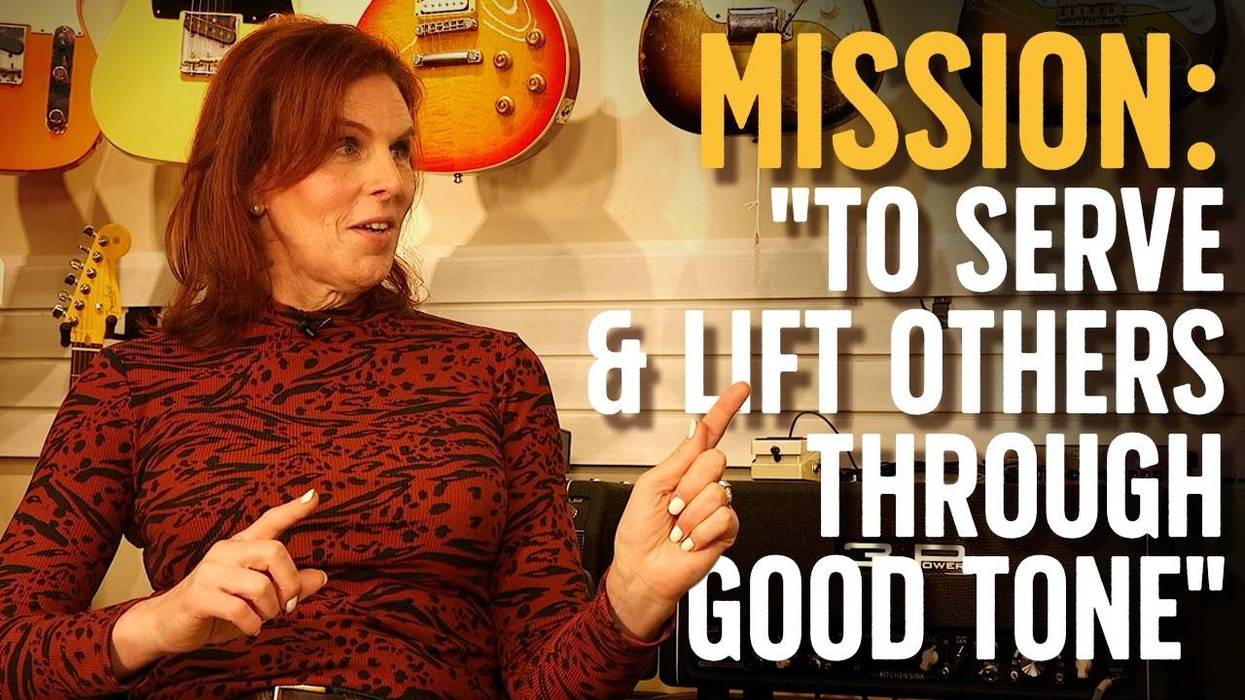
Renowned amp builder and pickup designer (holding three patents), Dylana Nova Scott speaks with John Bohlinger about her pursuits of creating responsive systems of guitar tone that inspire music, explains that a circuit is never perfect or complete, recalls being in the hair-metal scene when the Nirvana bomb dropped, and surviving the gear industry through perseverance and innovation.
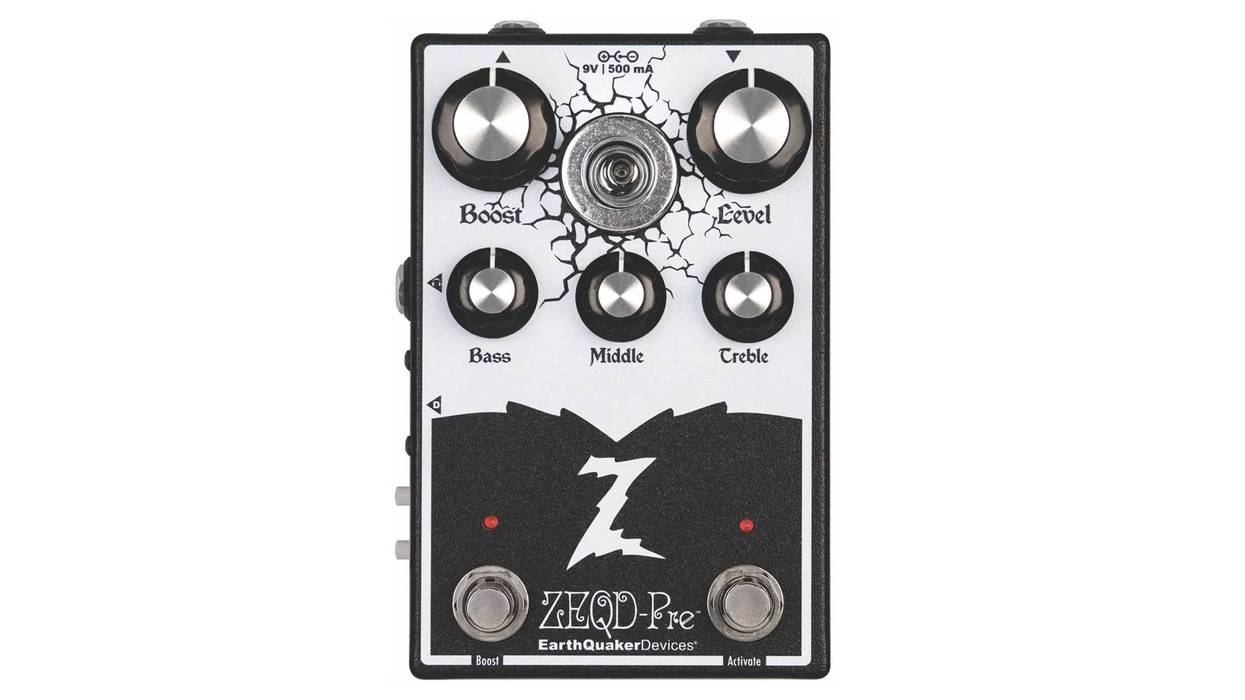
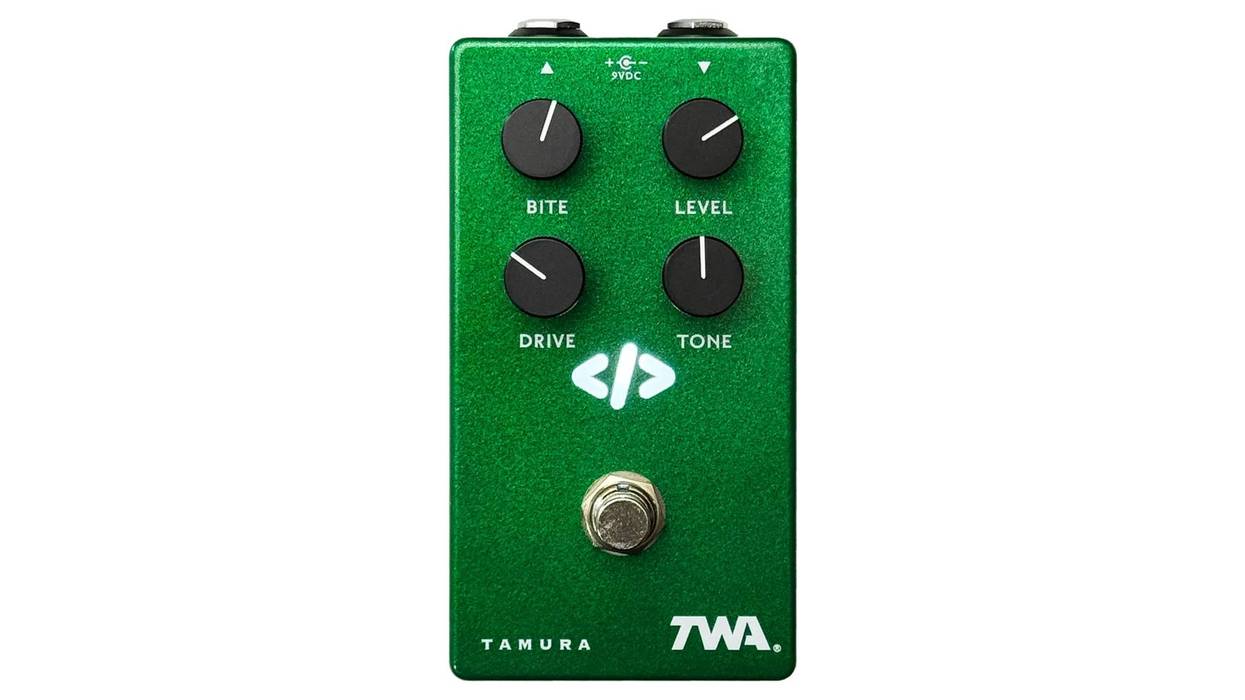
This month's roundup features 15 essential releases, including EarthQuaker Devices’ all-analog tube preamp, Red Panda’s new pitch delay, and a studio-grade line isolator from Lehle. Whether you need vintage grit or modern precision, we’ve got the highlights.
The tweedDeluxe circuit sets the gold standard in tone for many of us. And for good reason. It’s simple and responsive, with a warm, compressed, midrange-forward voice that’s perfect for jazz and country lines at low to moderate volumes—and a distinctive, saturated gnarliness in the upper reaches of its output that’s hard to beat for rock. If that’s the sound you hear in your head, many would say a vintage model is still the one to have.
If anyone could top that with a true “tweed killer,” I’d put my money on George Alessandro. That’s not just because his clientele reads like a Mount Rushmore of guitar tone—David Gilmour, Derek Trucks, and Warren Haynes are just a few who’ve cited Alessandro in current gear lists in PG. It’s the combination of his deep firsthand knowledge of the history of guitar amp circuits and his tireless quest to source the finest components that not only land him those rock-star devotees, but easily place his name among mythical amp wizards like Alexander Dumble and Ken Fisher, and make him the guy for the job.
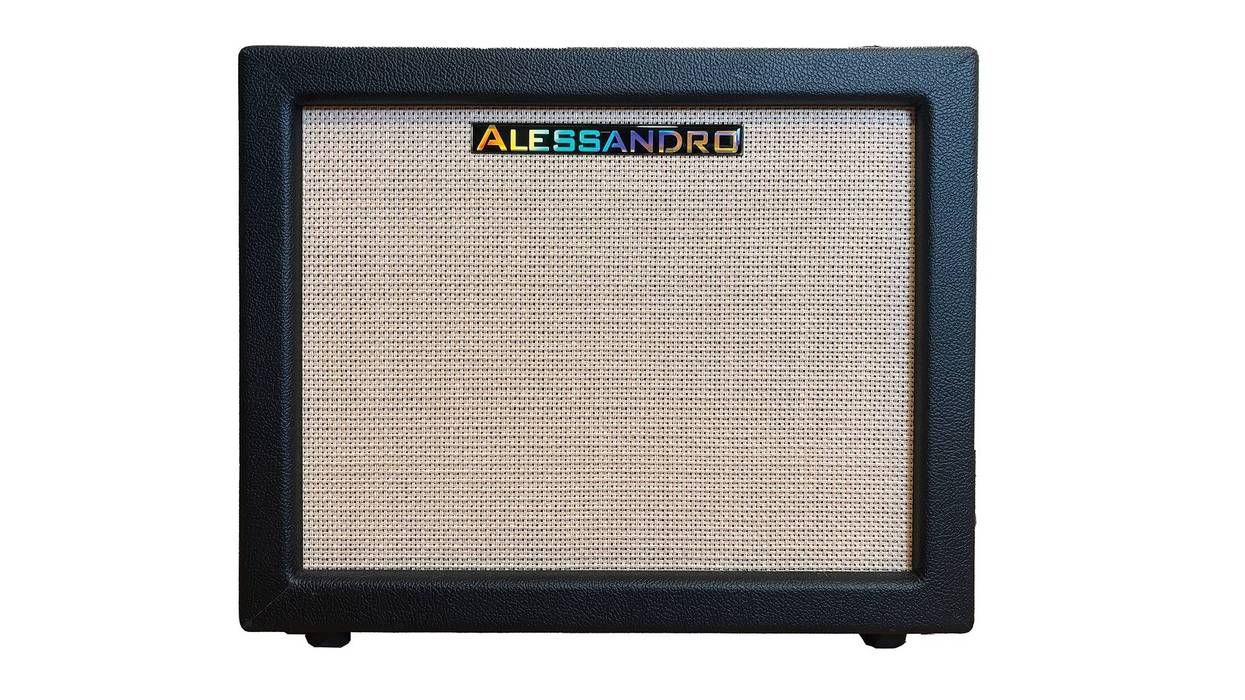
I’ve had the good fortune to play one of Alessandro’s 5E3 copies, and it was so familiar, it felt like what I imagine one of those amps must have sounded like fresh out of the factory in the late ’50s. With his new combo, The Dane, he’s used that circuit as a jumping off point—with a nod toward Dumble as well—and optimized it for a modern pedal-using player. Not only does the 14-watt The Dane deliver the same sonic hallmarks as the 5E3, it offers more headroom and an even wider range of touch-sensitive response.
Do the Evolution
Despite all the tweed Deluxe talk, the Dane is no clone. Instead, it’s inspired by the 5E3 circuit and a Dumble Tweedle Dee—that legendary amp builder’s own tweed Deluxe mod—that landed on Alessandro’s bench for service. From there, Alessandro evolved the design, creating a unique preamp circuit, which uses a pair of ECC83MG/12AX7s. On the user end, the most recognizable change might be the inclusion of a 3-band EQ. Alessandro paired his preamp with a ’50s-style output section that employs a pair of 6V6s. Together, and in conjunction with Alessandro’s signature Eminence GA-SC59, they evoke a vintage vibe, achieving the tube compression and harmonic complexity tweed Deluxe players know well, but with more clean volume.
As a tweed Deluxe player who also loves pedals, I’ve often found myself a little bit conflicted. There’s a weird imaginary line I feel like I cross every time I plug a fuzz—or even worse, a digital pedal—into my 1949 5A3. But if I want to use my prized amp on as many gigs as I do, it’s a necessity. With The Dane, not only is there no conflict, it actually feels more welcoming to pedals. That’s not just about headroom, though that certainly helps—the 3-band EQ really goes the distance when it comes to shaping your sound.
Much like the dynamic interplay between the tone and volume controls on a vintage Deluxe, each of The Dane’s EQ controls seems to shape the whole of the sound. I found this to be especially helpful with dialing in dirt tones. Over the course of a few sessions with The Dane, I plugged in a wide range of gritty pedals, including a Klon KTR, Analog Man King of Tone, EHX Ripped Speaker (there’s some comedy here in using a fuzz that’s supposed to sound a little broken), and an Analog Man Sun Fuzz. In each, I found that I was able to shape their tones with the EQ more than I would ever expect from other amps. And that goes for using those to push The Dane into overdrive as well, which, as ruthlessly delightful as it is to do on a tweed Deluxe, is not especially sculpt-able. With the KTR adding some gain and heading into cranked volume territory, the mid control alone added a heft to my Creston JM-style that felt resolutely heavy and thick—much more so than I would expect from JM-style pickups. And at more polite volumes, I could use the pedal alone to get my overdrive, while still preserving the character and voice of the amp.
Full Control at Your Fingertips
While reviewing The Dane, there’s a quote that kept coming back to me from when I interviewed Alessandro a few years ago: “If I can make it a limitless journey, then I did my job right.” With The Dane, he’s managed to take the tweed Deluxe sound and remove the limits.
I think there are a lot of ways Alessandro gets there, and one of those is through his next-level component sourcing. With the fervor of a hi-fi aficionado, Alessandro has most of his components custom built, with quality control that goes well beyond the consumer-grade level.
The result is that The Dane, like every Alessandro amp I’ve played, responds like a performance sports car: It runs silently, has an ultra wide dynamic range, a broad frequency range, and is fast and articulate, all of which keeps control in the player’s hands. That might be daunting if you’re used to an amp that heavily colors your phrasing by limiting the window of control (though pedals can help with that). But if you want to keep that window wide open, The Dane will get you there.
What, exactly, does that mean? The response, dynamics, and EQ keep the controls in your hands. Playing intensity and attack have more noticeable results. Sustain is there when you need it. In short, The Dane is a thrill to play.
The Verdict
As a devoted tweed Deluxe user, I’m genuinely taken by The Dane. Alessandro has preserved the character of the original while opening it up with more dynamic range, control, and possibility. But it goes beyond that, because The Dane isn’t just a 5E3-style amp—it’s a solution. Whether you’re playing clean articulate lines (I didn’t have an archtop handy, but I can assure you this amp would be the perfect transparent companion for jazz hits) or cranking with abandon, The Dane has the harmonic range and firepower for the gig. Its 14 watts are not only bold and powerful, this combo maintains its composure through its entire output, making it fully usable at all levels. At $3,000, The Dane, handmade by one of the ultimate legends of amp building, is an unrivaled feat.
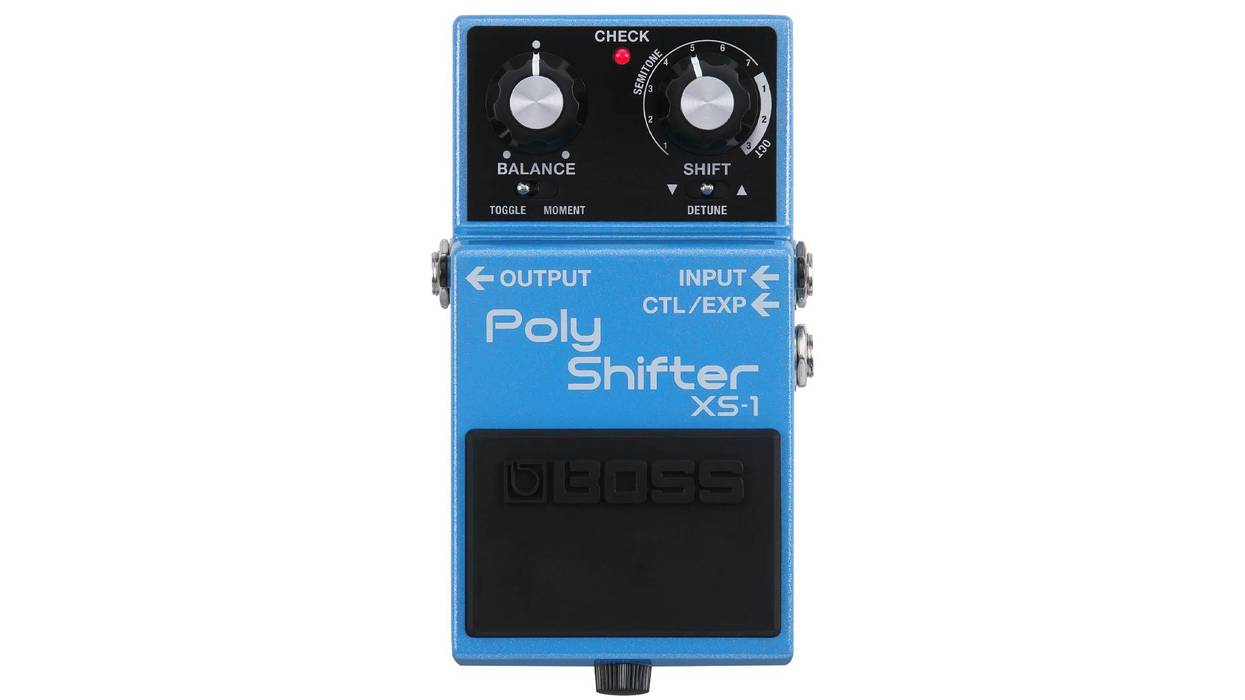
Any effect can color a guitar’s personality and language. But Boss’ new XS-1 Poly Shifter literally stretches the instrument’s vocal range. With the ability to shift input by +/-3 octaves or semitones, it can turn your guitar into a bass, a synth, or a baritone, or function as a capo. It also seamlessly generates harmonies for single note leads and keeps up with quick picking without any apparent latency. Furthermore, the pedal is capable of stranger fare that stokes many out-of-the-box ideas. But if you’re a guitarist that plays more than one role in your band—or musical life in general—the XS-1 can be a utilitarian multitool, too. It’s a pedal that can live many lives.
- YouTube
The XS-1, which was released alongside its bigger, more intricate sibling, the XS-100, is an accessible route to exploring pitch shifting’s potential. Housed in a standard Boss enclosure, it doesn’t consume a lot of floor space like the XS-100 or DigiTech’s Whammy. And while it achieves this spatial economy in part by forgoing a built-in expression pedal (which could be a deal breaker for some potential customers) it’s still capable of +/- seven semitones and a +/- three-octave range that can be utilized in momentary or latching applications.
Slipping, Sliding, and Twitching
Though digital pitch shifters have always been capable of amazing things, early ones sounded very inorganic at times. High-octave sounds in particular could come across as artificial, like the yip of a robot chihuahua plagued by metal fleas. Some very creative players use these colors—as well as the most sonorous pitch shift tones—to great effect (Nels Cline and Johnny Greenwood’s alien tonalities come to mind). In other settings, though, these older pitch devices can be downright cringey.
“The pedal clearly represents several leaps forward from first-generation pitch shifters.”
The XS-1 belies digitalness in some octave-up situations. But the pedal clearly represents several leaps forward from first-generation pitch shifters. Tracking is excellent and shines in string bending situations. Semitone shifts can provide focused harmony or provocative dissonance depending on the wet/dry mix and which semitones clash or sing against the dry signal. At many settings the XS-1 feels alive and organic, too, with legato lines taking on many of the touch characteristics of a violin-family instrument. You get far less of a note-to-note “hiccup,” and glissandos take on a beautifully fluid feel—with or without a slide—letting the XS-1 deliver convincing pedal- and lap-steel-style textures when you add a single octave up. (Such applications sound especially convincing when you kick back on guitar tone and restrict your fretwork to the 3rd through 5th strings, which keeps digital artifacts at bay.)
Mixmaster Required
The most crucial XS-1 control is the mix. For the most convincing bass, baritone, and 12-string tones, you’ll want a fully wet signal. But composite sounds can be awesome, too. You can use the control’s excellent sensitivity and range to highlight or fine tune the prominence of a consonant harmony. But it’s sensitive enough to make blends with dissonant harmonies sound a lot more intentional and integrated. And many of these eerie, wonky, off-balance textures are extra effective when introduced in quick bursts via the momentary switch. (That switch can also deliver great flashes of drama with more consonant harmonies—like dropping in a 3rd or 5th above a resolving chord in a verse.)
You can get creative in other ways using dissonant blends. Droney open tunings can yield fields of overtones that sound extra fascinating with delay, reverb, or 12-string guitar… or all of them! Dialing in blends that really work takes some trial and error, and you’ll definitely hit a few awkward moments if you’re navigating by instinct alone. But those same experiments often uncover real gems—especially in the pitch-down modes, which tend to produce more mysteriously atmospheric textures than their pitch-up counterparts.
The Verdict
Boss’ most straightforward pitch shifter covers a lot of ground. If you play in a duo, trio, or small band, it can expand that collective’s stylistic and harmonic range. It’s small, at least relative to treadle-equipped pitch shifters, so if you’re not a pitch shift power user, you don’t sacrifice a lot of room for an effect you might only employ occasionally, and you can still use the expression pedal jack to hook up a pedal for dynamic pitch control. The $199 price puts it in line with competitors of similar size and feature sets, but the XS-1 is a great value compared to more elaborate, treadle-equipped pitch shifters. If you’re taking your first forays into pitch shifting, or know that you need only the most straightforward functions here, it will ably return the investment. And along the way, it might even unlock a whole cache of unexpected tonal discoveries.




![Rig Rundown: The Black Crowes’ Rich Robinson [2026]](https://www.premierguitar.com/media-library/youtube.jpg?id=66952027&width=1245&height=700&quality=70&coordinates=0%2C0%2C0%2C0)