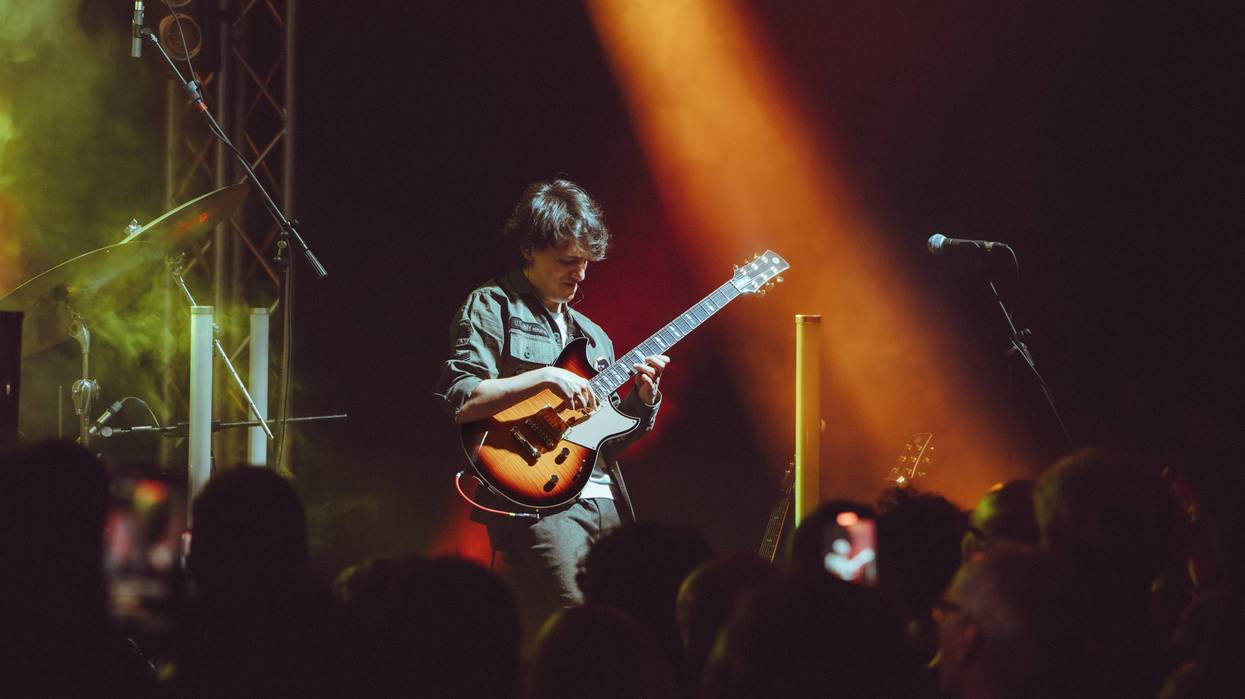
Today, the genre-defying instrumental rock innovators Polyphia release the hypnotic new track “With Eyes To See” with an accompanying music video. This is the third single off their highly anticipated fifth full-length studio album Be Not Afraid out October 23rd with Rise Records.
The accompanying music video mirrors the track's hypnotic pull, layering mesmerizing visuals with flashes of a world turned inside out. It’s interwoven with glimpses of redacted Epstein files and world destruction, grounding the video's dreamlike unraveling in something unsettlingly real.
Earlier this year, Polyphia teased their new chapter with the release of their first single in over four years, “Can You Feel It” pushing boundaries in ways the band never has before with a hybrid of metal and dance music. Following, they released “Power In The Blood” with a music video filmed at the São Francisco da Penitência Church in Rio de Janeiro, Brazil. The powerful visuals from each release lay the foundation for what’s to come off the new record.
Throughout 2024 and 2025, Polyphia worked together in various locations in Miami, Los Angeles and Dallas alongside co-producer RJ Pasin and guitar phenom Spiro Dussias. Guitarist Tim Henson took a different approach to composition, initially singing lines aloud and then translating them onto guitar, creating a process that encouraged the entire band to build on each other’s ideas in real time. More than anything, the sessions were defined by how much fun they were having creating music together. By the time the album was finished, they had reached a point where they could let go of any expectations about what would happen next and simply enjoy what they had created together.
The collective thread together a three-dimensional offering of otherworldly metal, future-facing prog, and pulsating house sealed tightly with carefully curated samples, inventive beat-craft, and the guitar eloquence that Tim and Scott remain renowned for. This time around, the instrumental push-and-pull invokes the polarity of the ultimate extremes: good and evil.
When speaking on the album Henson adds, “The album takes you through the extremes of two different worlds / moods: one being very uplifting and triumphant, the other being spine-chilling and terrifying. There are moments on the record that legitimately scare me when I listen to them.”
Polyphia will be on tour this fall in the UK and Europe, before heading out on the North American leg of their World Tour in early 2027.RJ Pasin will still support every date worldwide. North American shows will feature Ladrones, with select dates including Intervals. Perturbator will join all UK and European dates, which remain unchanged for Nov/Dec 2026.
A full list of show dates can be found below. For more information and to purchase tickets visit Polyphia.com .
North America Tour Dates 2027 w/ Ladrones & RJ Pasin:
w/ Intervals
# No Ladrones
February 5 - Phoenix, AZ - Arizona Financial Theatre
February 6 - Las Vegas, NV - House of Blues
February 9 - Los Angeles, CA - Hollywood Palladium
February 10 - San Diego, CA – SOMA #
February 11 - Anaheim, CA - House of Blues
February 14 - San Francisco, CA - The Masonic
February 17 - Seattle, WA - Paramount Theatre
February 19 - Salt Lake City, UT - The Depot
February 20 - Denver, CO - The Fillmore Auditorium
February 23 - Minneapolis, MN - Uptown Theater
February 24 - Milwaukee, WI - Landmark Credit Union Live
February 25 - Chicago, IL - Aragon Ballroom
February 26 - Indianapolis, IN - Egyptian Room at Old National Centre
February 27 - Detroit, MI - The Fillmore Detroit
March 2 - Toronto, ON - Great Canadian Toronto *
March 3 - Montreal, QC – L’Olympia *
March 5 - Philadelphia, PA - The Fillmore Philadelphia
March 6 - Brooklyn, NY - Brooklyn Paramount
March 7 - Boston, MA - MGM Music Hall at Fenway
March 9 - Washington, DC - Echostage
March 10- Raleigh, NC - The Ritz
March 12 - Charlotte, NC - The Fillmore Charlotte
March 13- Orlando, FL - Hard Rock Live
March 14 - St. Petersburg, FL - Jannus Live
March 16 - Atlanta, GA - Coca-Cola Roxy
March 17- Birmingham, AL - Avondale Brewing Company
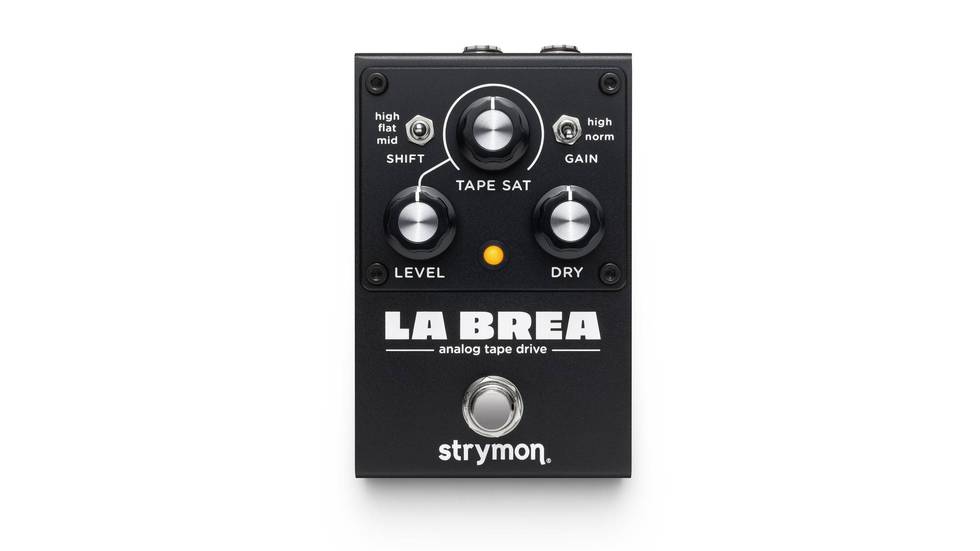
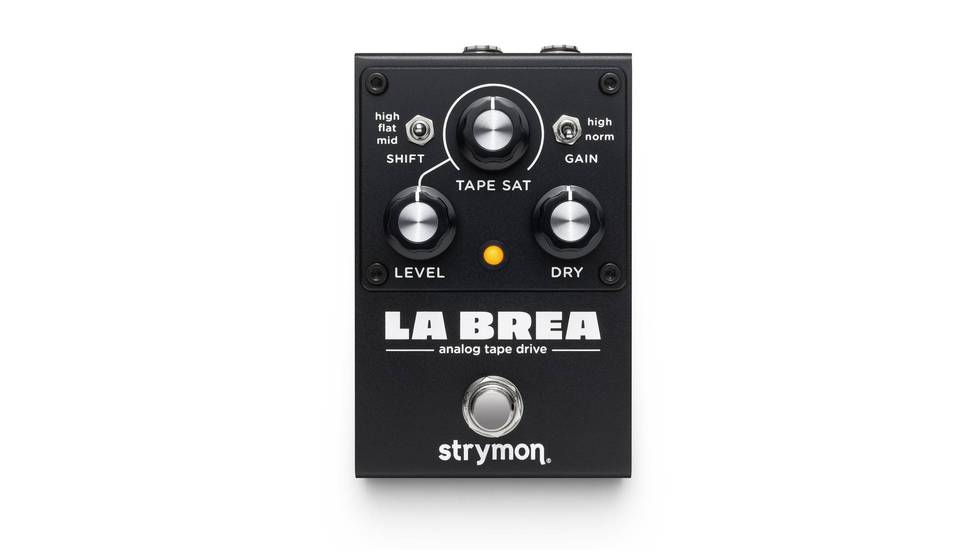
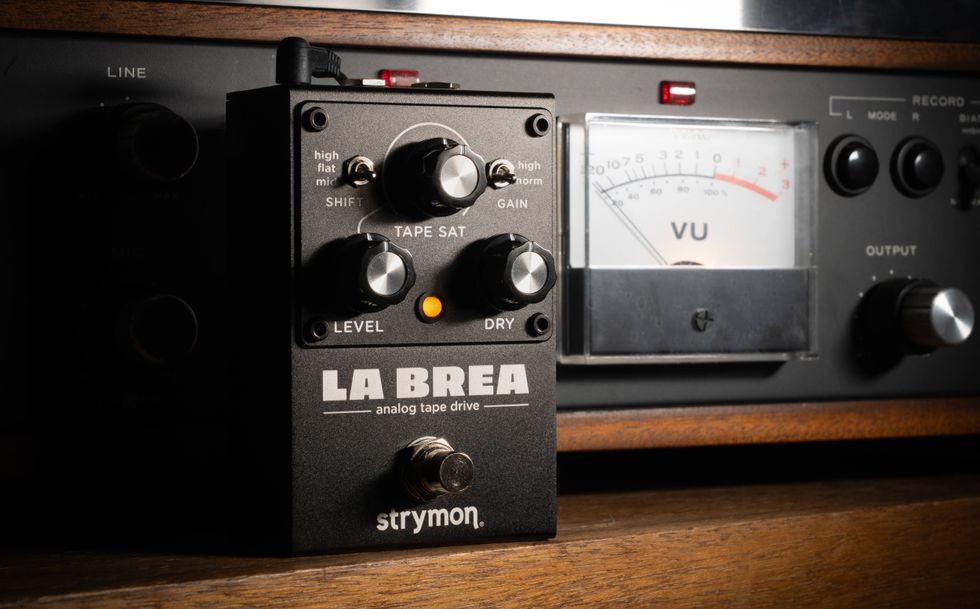
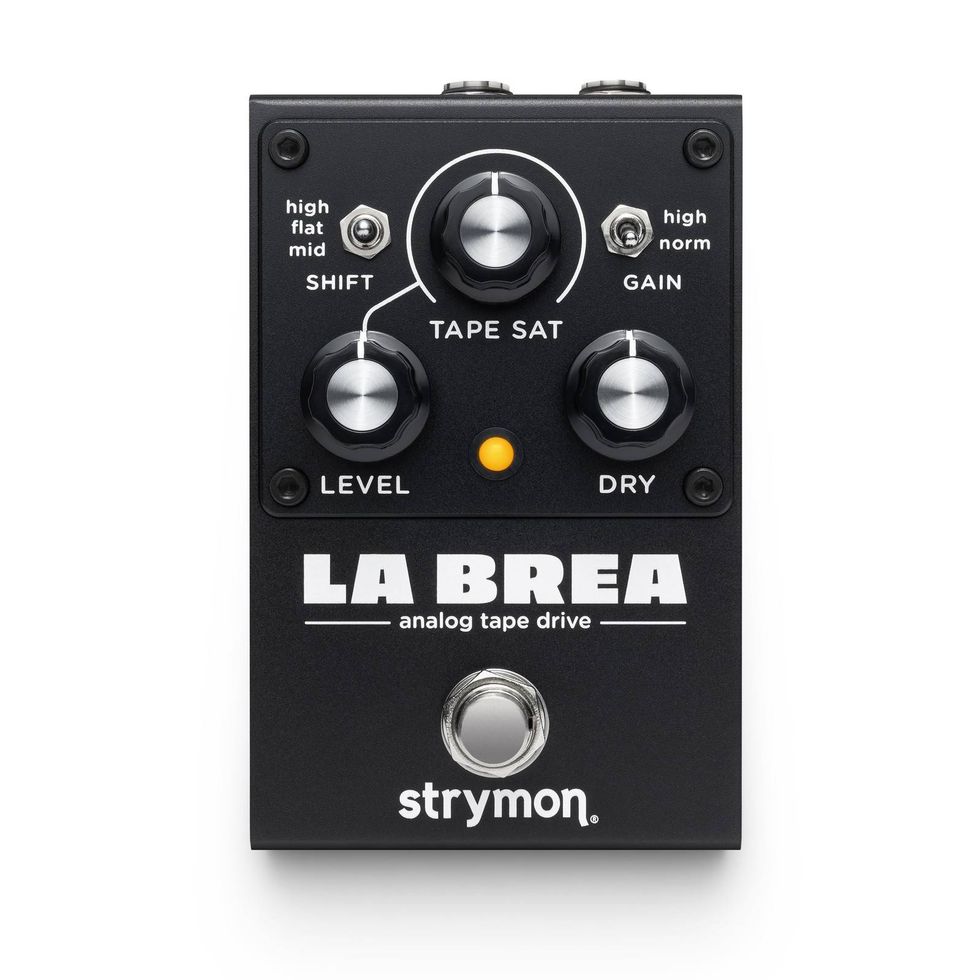
Strymon Engineering has introduced a new analog tape drive pedal called La Brea.
Incorporating multiple stages of analog gain using techniques learned from studying vintage tape machines, La Brea delivers a wide range of saturation from a simple interface. The pedal never sounds harsh even at extreme settings, and piling on the gain just makes things fatter and more saturated without getting crispy or painful to listen to, just like a real mastering tape deck.
Initially inspired by the white paper that co-founder Pete Celi wrote on the development of Strymon’s iconic Deco pedal, analog engineer Josh Forbes aimed for true tape behavior in a fully analog design.
In addition to the tape saturation side, La Brea also features a fully discrete dry path, giving the pedal two distinct personalities that players can use to craft personal sounds. The dry path always stays in phase with the saturated output, meaning you can add a little or a lot with no comb filtering or other artifacts. The discrete operation also means that it can be used as a pure clean boost, or a clean boost that allows you add saturation (as much or as little as desired) to fatten up single notes and chords.
As tape has a tendency to saturate high frequencies first as the gain increases (making them less prevalent), La Brea also features a three-position Shift switch that allows the player to add some of those high frequencies back in to the output. One position concentrates on adding high frequencies only, and the other adds upper midrange frequencies to the high boost to help notes poke though the mix. It’s a powerful tool that can help wake up dark humbuckers, add bite to older strings or make setting up a rig even easier.
“It’s crazy to think that Josh read Pete’s whitepaper on the making of Deco over twelve years ago, which was before he even worked here”, said CEO and chief analog guru Gregg Stock. “He’s been thinking about how to recreate tape behavior purely in the analog domain ever since, so it’s great that we now have the Series A line of analog pedals to showcase these great ideas our guys come up with. La Brea is a drive pedal with a unique voice and response, so it fits really well with the other pedals in Series A.”
“It’s quickly become the favorite drive pedal for a bunch of people at the office”, said Sean Halley, Strymon’s marketing guy. “The fact that it’s based on tape means that it never gets harsh, never gets strident, and mates really well with all different types of amplifiers. I’ve had one on my gigging board since the beginning of the year in disguise, so I’m excited to take the tape off and finally let people see what it is!”
La Brea carries a street price of $199 US. For more information visit Strymon.net.
Strymon Engineering
La Brea
Strymon Engineering (www.strymon.net), has introduced a new analog tape drive pedal called La Brea.
GRAMMY Award-winning rock and roll band Greta Van Fleet announce their 2027 North American and European headline tour today. Promoted by Live Nation, the 59-city Into The Beginning Tour kicks off Wednesday, February 3 in Savannah, GA at Enmarket Arena and makes stops in Chicago, Brooklyn, Detroit, Dallas-Fort Worth, Berlin, Milan, Amsterdam, Paris, London, Toronto and more before wrapping back in their home state of Michigan on Saturday, July 31 at Grand Rapids’ Acrisure Amphitheater. Special guests Arc De Soleil, The Kooks, and Portugal. The Man will join as support on select North American dates. VIP Packages are available for North American dates only.
GENERAL ONSALE BEGINS FRIDAY, OCTOBER 9 AT 10AM LOCAL FOR EUROPEAN DATES AND THURSDAY, OCTOBER 15 AT 10AM LOCAL FOR NORTH AMERICAN DATES
ALL TICKETS WILL BE SOLD AT FACE VALUE PLUS FEES THROUGH PRIMARY TICKET SELLERS. NO PLATINUM TICKETS WILL BE SOLD. FANS ARE ENCOURAGED TO SIGN UP FOR PRE-SALES THROUGH GRETAVANFLEET.COM
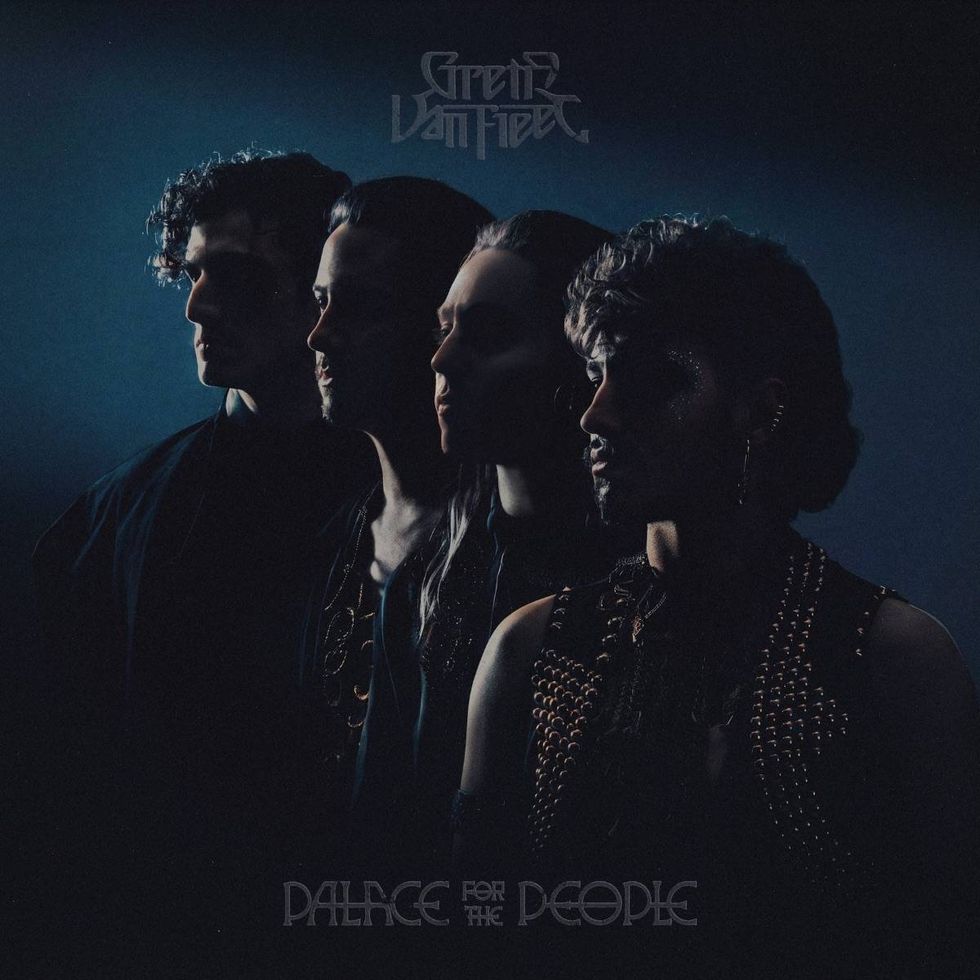
NEW ALBUM “Palace for the People” OUT FRIDAY, OCTOBER 9 – PRE-SAVE HERE
TICKETS – NORTH AMERICA: Tickets to the Into The Beginning Tour will be available starting with a Fan Presale (details below) beginning on Tuesday, October 13 at 9am local time. Additional presales will run throughout the week ahead of the general on-sale beginning on Thursday, October 15 at 10am local time on GretaVanFleet.com .
FAN PRESALE: Fans can sign up now for the Greta Van Fleet Fan Presale at GretaVanFleet.com .
RESERVED BY SPOTIFY: Greta Van Fleet’s Reserved by Spotify tickets may be available to eligible North American Spotify Premium subscribers through Ticketmaster. These fans will be notified by Spotify via email and app notification, and will have the opportunity to purchase up to two tickets during the Reserved presale.
TICKETS – EUROPE: Tickets to the Into The Beginning Tour will be available starting with a Fan Presale on Wednesday, October 7 at 10am local time. Fans can sign up now for the Greta Van Fleet Fan Presale at GretaVanFleet.com. Additional presales will run throughout the week ahead of the general on-sale beginning Friday, October 9 at 10am local time on GretaVanFleet.com .
Ticket prices have been priced in advance by the tour and won't change during the presale or onsale (no platinum tickets). All tickets will be sold at face value plus fees through primary ticket sellers. Fans are encouraged to sign up for the Fan Presale through Gretavanfleet.com for first access to tour tickets.
Today’s news follows the release of the band’s latest single “Tear It Down” from their forthcoming fourth studio album, Palace for the People, which arrives Friday, October 9 via Republic Records. Pre-order/pre-save the album HERE . “Tear It Down” follows lead tracks “Play Your Games” and “Saw You Stand,” which the band performed on Jimmy Kimmel Live!, and offers another look behind the curtain of their majestic new album.
On Palace for the People, Greta Van Fleet continue to explore themes of humanity, connection, resilience, and transcendence—building a body of work that feels both deeply personal and universally resonant. They’ve made a mysterious, monumental, and cataclysmic body of work, painting a sonic tableau out of powerhouse vocals, earth-rupturing riffs, and stunning solos. This is expressive, ethereal, and energetic rock and roll music delivered with apropos symphonic grace, revelrous excess, dynamics, and the glory of a collective who refuse to be boxed in musically, thematically, or spiritually. It’s also the brilliance of a bloodline committed to tape. They have taken another massive creative leap, building a new place for listeners to congregate and determining the tone for rock’s future in the process.
Prior to the Into The Beginning Tour and in celebration of the forthcoming album, Greta Van Fleet will perform an intimate under-play residency next month at Nashville’s The Basement East on the first three Saturdays in October. For more information go to: GretaVanFleet.com .
Since emerging from Frankenmuth, Michigan, Greta Van Fleet have become one of rock and roll’s defining voices of their generation. Across multiple platinum-selling releases and sold-out arena tours spanning the globe, the GRAMMY award-winning band has consistently challenged expectations while forging a sound entirely their own. Palace for the People represents the band’s boldest artistic statement yet.
2027 TOUR DATES:
Wed, Feb 3 – Savannah, GA – Enmarket Arena *
Fri, Feb 5 – Tampa, FL – Benchmark International Arena *
Sat, Feb 6 – Jacksonville, FL – VyStar Veterans Memorial Arena
Tue, Feb 9 – Atlanta, GA – State Farm Arena *
Wed, Feb 10 – Nashville, TN – Bridgestone Arena *
Fri, Feb 12 – Rosemont, IL – Allstate Arena *
Sat, Feb 13 – Omaha, NE – CHI Health Center *
Mon, Feb 15 – Minneapolis, MN – Target Center *
Wed, Feb 17 – Green Bay, WI – Resch Center *
Fri, Feb 19 – Louisville, KY – KFC Yum! Center *
Sat, Feb 20 – Pittsburgh, PA – PPG Paints Arena *
Tue, Mar 2 – Detroit, MI – Little Caesars Arena ^
Wed, Mar 3 – Cleveland, OH – Rocket Arena ^
Fri, Mar 5 – Boston, MA – TD Garden ^
Sat, Mar 6 – Albany, NY – MVP Arena ^
Mon, Mar 8 – Brooklyn, NY – Barclays Center ^
Wed, Mar 10 – Philadelphia, PA – Xfinity Mobile Arena ^
Fri, Mar 12 – Charlotte, NC – Spectrum Center ^
Sat, Mar 13 – Knoxville, TN – Food City Center ^
Mon, Mar 15 – Fort Worth, TX – Dickies Arena ^
Tue, Mar 16 – Tulsa, OK – BOK Center ^
Fri, Mar 19 – Anaheim, CA – Honda Center #
Sat, Mar 20 – Phoenix, AZ – Mortgage Matchup Center #
Mon, Mar 22 – Reno, NV – Reno Events Center #
Wed, Mar 24 – Seattle, WA – Climate Pledge Arena #
Thu, Mar 25 – Portland, OR – Moda Center #
Sat, Mar 27 – Boise, ID – ExtraMile Arena (BSU) #
Mon, Mar 29 – Salt Lake City, UT – Delta Center #
Tue, Mar 30 – Denver, CO – Ball Arena #
Sat, May 15 – Munich, DE – Olympiahalle ‡
Sun, May 16 – Milan, IT – Unipol Forum ‡
Tue, May 18 – Hamburg, DE – Barclays Arena ‡
Wed, May 19 – Copenhagen, DK – Royal Arena ‡
Fri, May 21 – Berlin, DE –Uber Arena ‡
Sat, May 22 – Czech Republic Prague – O2 Arena ‡
Mon, May 24 Amsterdam, NL – Ziggo Dome ‡
Tue, May 25 – Brussels, BE – Forest National ‡
Thu, May 27 – Paris, FR – Adidas Arena ‡
Fri, May 28 – London, UK – O2 Arena ‡
Sun, May 30 – Birmingham, UK – Utilita Arena ‡
Tue, Jun 01 – Manchester, UK – Co-op Live ‡
Wed, Jun 02 – Glasgow, UK – OVO Hydro ‡
Fri, Jun 04 – Dublin, IE – 3Arena ‡
Mon, Jul 5 – Vancouver, BC – Rogers Arena +
Wed, Jul 7 – Edmonton, AB – Rogers Place +
Thu, Jul 8 – Calgary, AB – Scotiabank Saddledome +
Sat, Jul 10 – Winnipeg, MB – Canada Life Centre +
Tue, Jul 13 – Kansas City, MO – T-Mobile Center +
Wed, Jul 14 – St. Louis, MO – Chaifetz Arena +
Fri, Jul 16 – Columbus, OH – Nationwide Arena +
Sat, Jul 17 – Noblesville, IN – Ruoff Music Center +
Sat, Jul 31 – Grand Rapids, MI – Acrisure Amphitheater °
Arc De Soleil and Edgehill ^ The Kooks and Luna Li # The Kooks and Sana Sana Musica ‡ Larkin Poe + Portugal. The Man and Sun Room ° Portugal. The Man and Friko
Yamaha has introduced the new MatteoMancuso Signature Revstar RS20MM, a premium production electric guitar designed torecreate the aesthetic, tone and playing feel of Mancuso's custom Revstar.





![Rig Rundown: The Black Crowes’ Rich Robinson [2026]](https://www.premierguitar.com/media-library/youtube.jpg?id=66952027&width=1245&height=700&quality=70&coordinates=0%2C0%2C0%2C0)