

Reader: Bill Sumner
Hometown:Las Vegas, NV
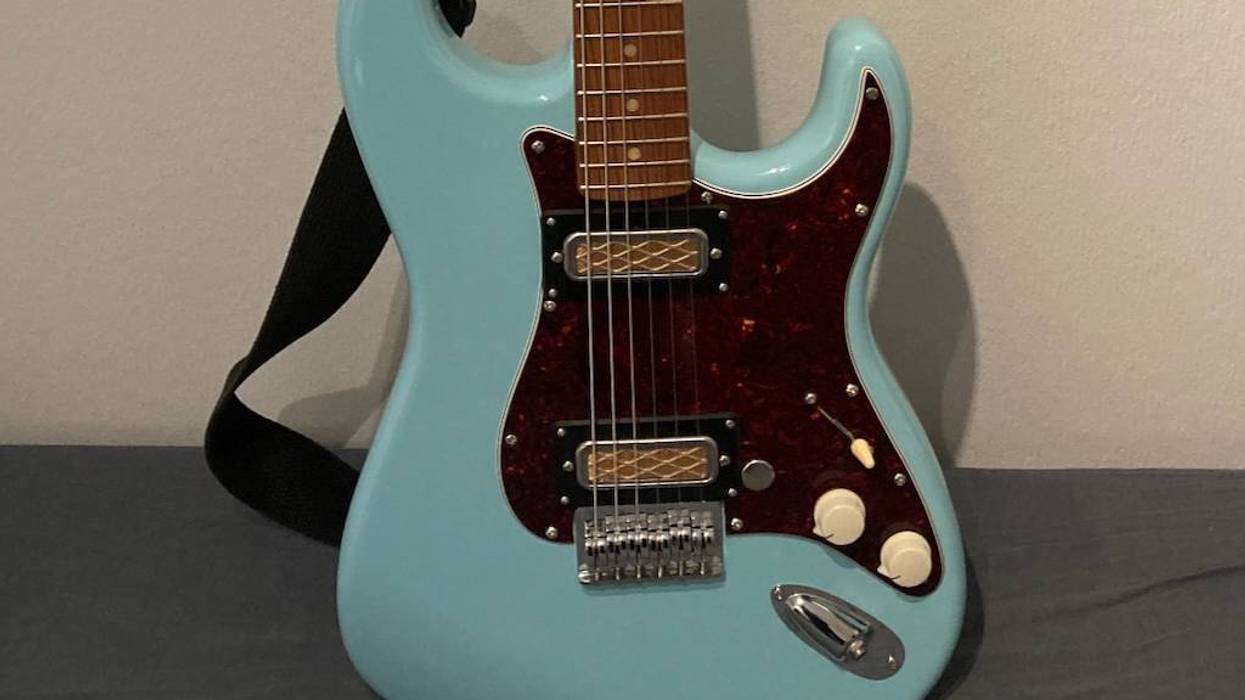
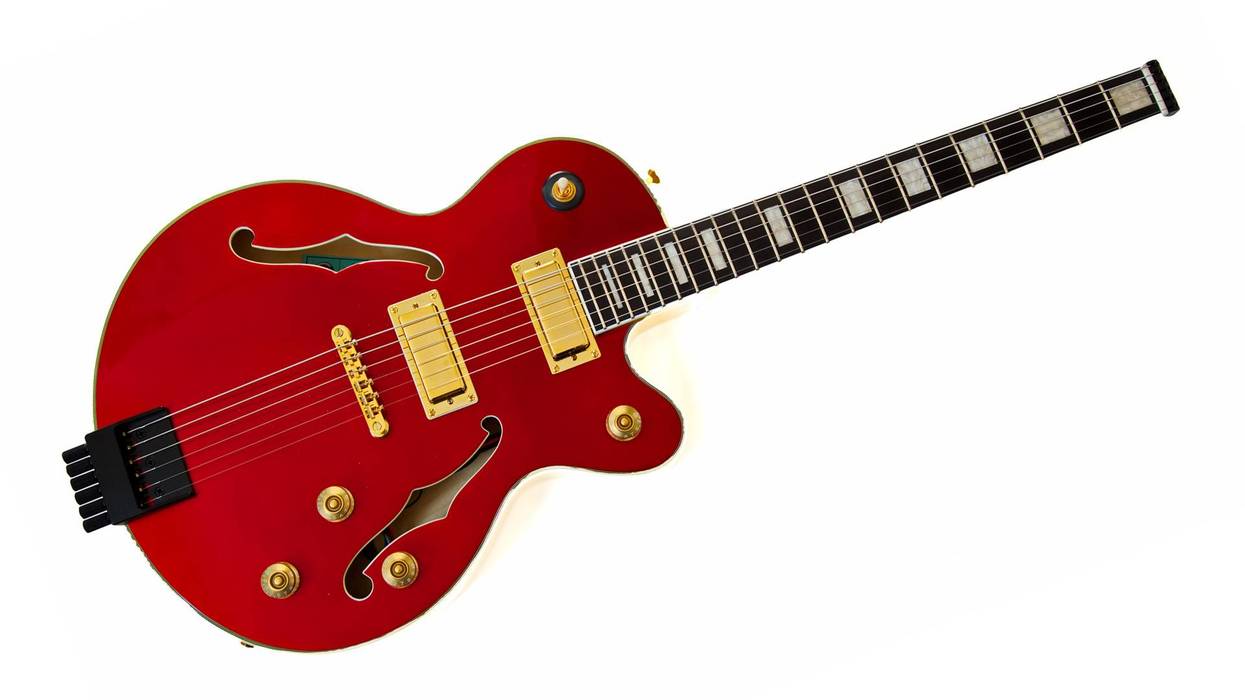
Guitar: Epiphone Kat
I’d wanted a hollow or semi-hollow guitar for some time, drawn to the tonal differences relative to solid bodies. A Gibson ES-335 or Epiphone Casino had been on my radar for years, but the 16" body width always gave me pause. The Epiphone Kat, at only 14" wide, made the difference. I also considered the ES-339, but the Kat simply looked better.
Right out of the box, my brand-new Epiphone Kat semi-hollow was absolutely beautiful, very well made, played nicely, and sounded excellent, with surprisingly good pickups. Unfortunately, there were negatives. It was longer than any of my other guitars and felt clumsy to me as a result. The extra length combined with the Grover tuners to induce neck dive. The Kat was heavier than I expected for a semi-hollow. Lastly, it didn’t stay in tune very well. As with any imperfect online purchase, I faced the hassle of returning it, tolerating it, or fixing it.
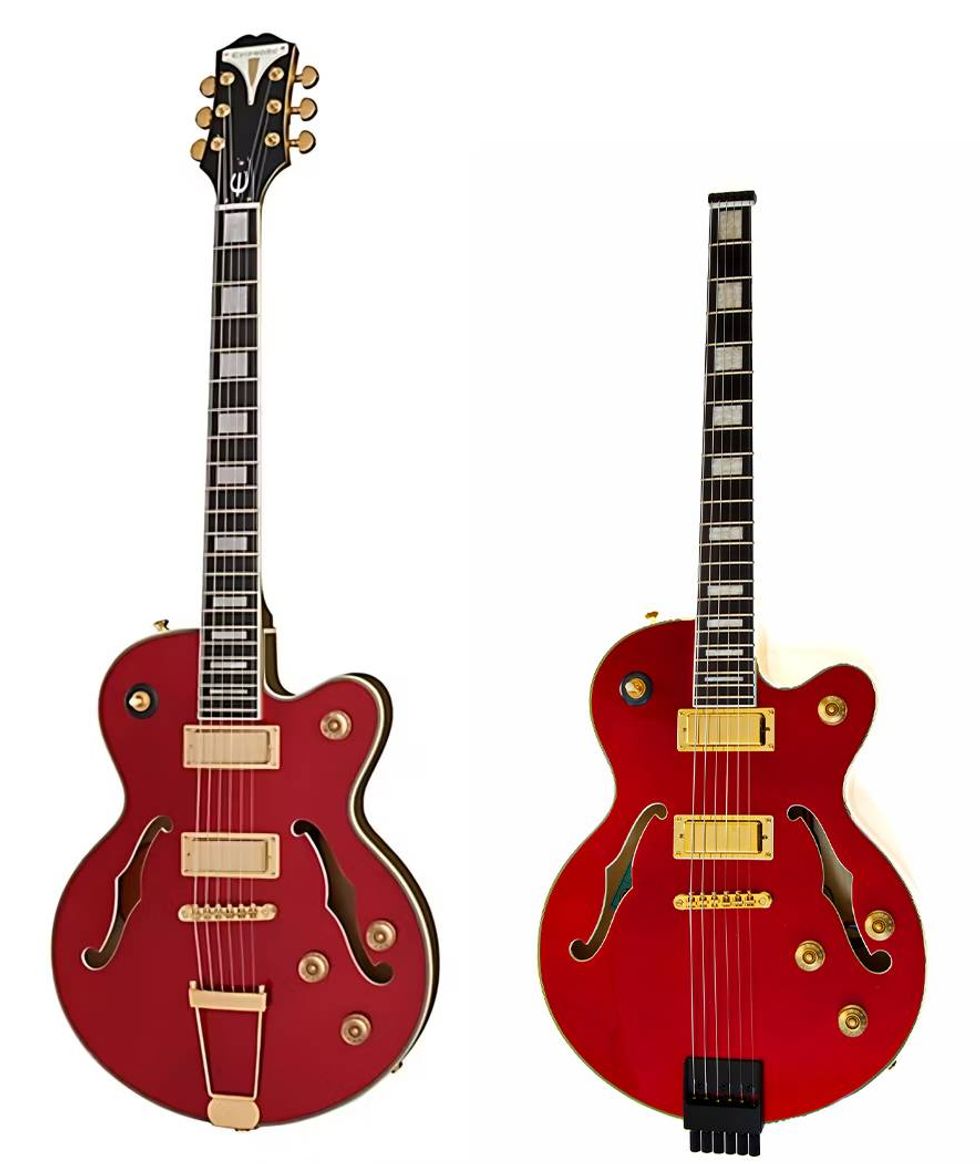
Almost immediately, my imagination went to work: It’s too bad Epiphone didn’t make a headless version of this guitar, I thought. That would solve all four problems I faced. That led to design questions—how does one convert a conventional guitar to headless, without doing major wood work like routing on that beautiful body?
My partner in exploring the feasibility and execution of this project was Las Vegas luthier and guitar tech Von Schroeder. He confirmed that my headless scheme was technically viable. But actually beheading a brand-new guitar would be a first for him. In the end, I decided it was worth a try.
Our unusual design approach was to keep the existing bridge and nut rather than replacing them. I placed a Hipshot Lowpro headpiece just above the nut to lock the strings, and a Hipshot Headless Bridge replaced the tailpiece. This effectively created a tailpiece with tuners. The final result was a perfectly balanced guitar that’s a delight to play, stays in tune, and is exactly one pound lighter than the original.
![Rig Rundown: The Black Crowes’ Rich Robinson [2026]](https://www.premierguitar.com/media-library/youtube.jpg?id=66952027&width=1245&height=700&quality=70&coordinates=0%2C0%2C0%2C0)