
With new computer technologies and AI-driven advancements seemingly everywhere you look, I felt it would be fitting to zero in on digital effects in the pedal world—specifically, which ones most of us have embraced, which ones we continue to avoid, and which ones remain haunted by the ghosts of older tech.
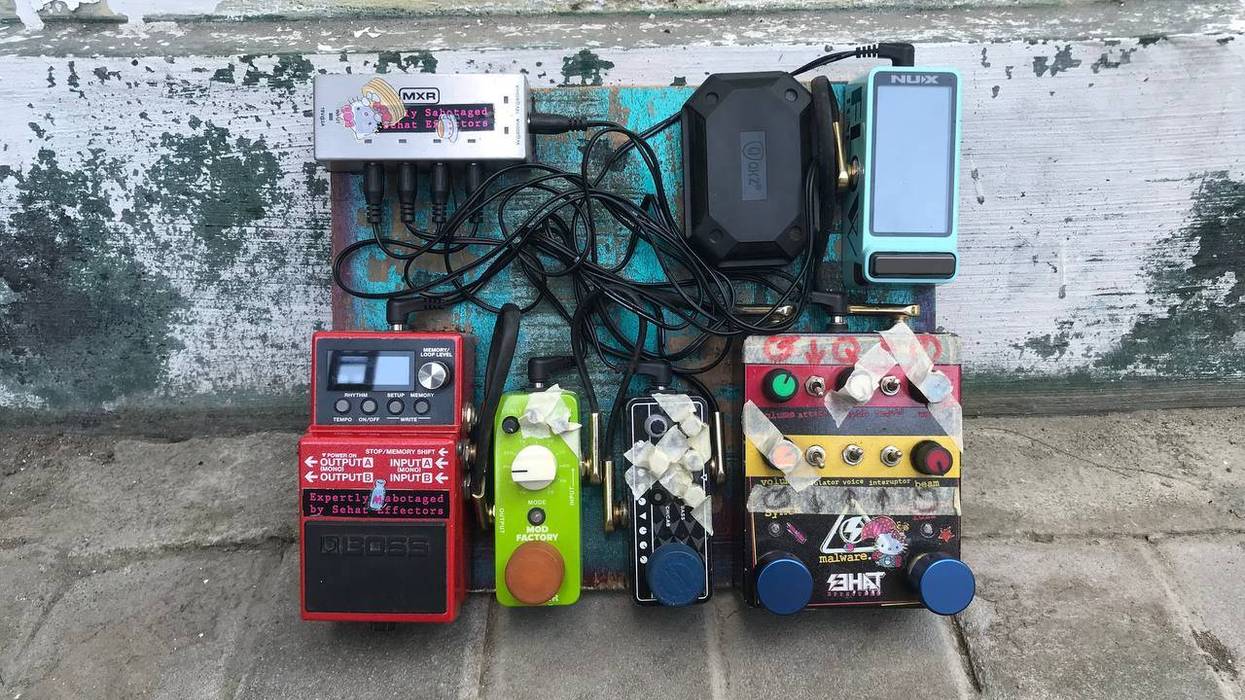
Let’s start with digital effects that are pretty well embraced, and definitionally necessary. The first two that come to mind are audio loopers and clean octave pedals. Looper pedals have been around since the turn of the century, most notably the Boss RC-20. Then a big market splash came from TC Electronic with the Ditto and its subsequent models. These units provided powerful tools for musicians—the ability to lay down an idea and instantly play it back was huge. It still is!
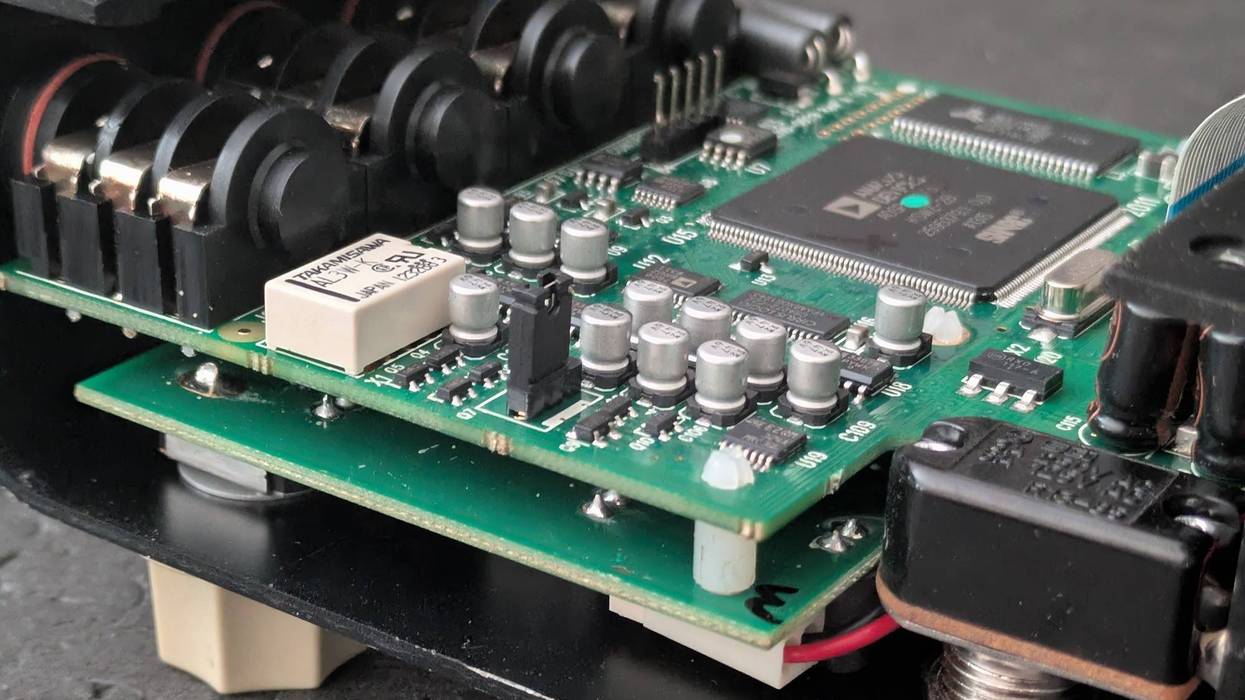
These creative boxes run on digital wizardry—and they have to. The biggest stipulation? Don’t degrade or alter the incoming signal. We gear nerds work hard to craft and maintain the tones we love and rely on. Recording and playing back audio samples demands storage and all manner of digital signal processing (DSP), and most of us understand that—so as long as the audio comes out the way it went in, we’re on board.
Let’s hop over to another widely embraced digital effect: the clean octave. Musicians have been enjoying analog octave-up effects since the late ’60s with the Octavia, analog octave-down since the ’70s courtesy of Mu-Tron and MXR, and then Boss in the ’80s. All of these devices inspired great music, but they shared something else in common: analog limitations. Most notably, an inability to track multiple notes or chords of any real complexity—which is what we mean when we talk about “tracking.” On top of that, they were dependent on fuzz, prone to glitchiness, and often had a mind of their own. None of that is a knock—analog octave circuits remain loved, widely used, and held in high esteem. For a lot of players, the limitations are the appeal.
Clean digital octaves, on the other hand, overcome those shortcomings and can produce clean octaves up and down simultaneously, with minimal tracking or latency issues. No fuzz. Minimal glitchiness. Code is king here, and not something everyone can do—or even wants to do. But the few companies that do it, make octave pedals packed with great sounds and capabilities driven by high-powered DSP. Those that enjoy it really enjoy it. How often have you seen a pedalboard with some type of DigiTech Whammy or Electro-Harmonix POG on it?
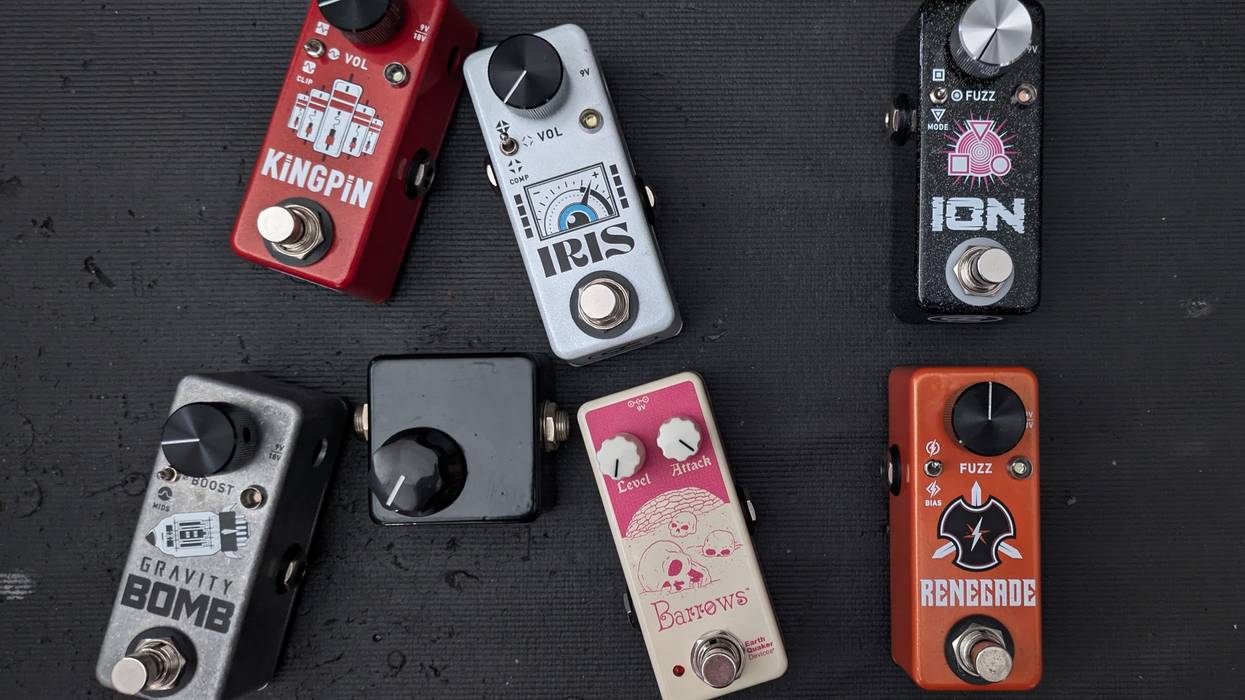
So what would be something that’s not embraced in the digital realm? The easy answer is gain—from treble boosts all the way to fuzz boxes. There are several aspects to consider when diagnosing why this is. The first may be that we simply don’t require DSP to make any of the classics that are well-known and well-loved. These were originally made with all analog components, and they still are. A lot of companies, both big and small, offer models of these classic circuits. This leads me to my next point. Players often have an affinity for these, and they become a core part of “their sound.” To further that point, there can be a feeling of uniqueness when it comes to building a pedalboard. Let’s say you were to see 10 different pedalboards, and all of them featured something like a Helix for producing reverb, delay, and amp-modeling sounds. Yes, they’re probably set in different configurations, but they’re all the same mass-produced box. And that’s fine! The uniqueness of a board often comes earlier in the chain, by way of, say, a small-batch, NOS-parts-based germanium fuzz pedal made by some artisan in their basement. That’s something that resonates with that particular player and gives that feeling of having something special to contribute to “their sound”
Even if DSP could reproduce the sounds of a vintage germanium fuzz, it still wouldn't have the swag of a handmade, through-hole version. We guitar players are a group of artists with a connection to cool, tactile components, and a romance with the tech of yesteryear. Artists are also drawn to other creatives and the stories they tell. Coding has its own story and achievements worth celebrating, but it’s less tactile and accessible to most. It can be far easier to understand and appreciate the circuit artist who’s measuring hundreds of transistors, tweaking voltages to an uber-specific value, choosing the right capacitor for the job, and screen printing in a dark basement.
For all these reasons, I think there’s a case to be made for why analog gain pedals aren’t going away—even in a world of digital awesomeness.