

If you scroll through the comments section of most pedal demo videos, you’ll see a familiar refrain: “Why not stereo?” And while stereo has its merits, I’m here to defend the mono signal chain. Before treating stereo as an automatic upgrade, it’s worth taking a closer look at when it helps, when it hinders, and why mono might actually be the more powerful choice for most players.
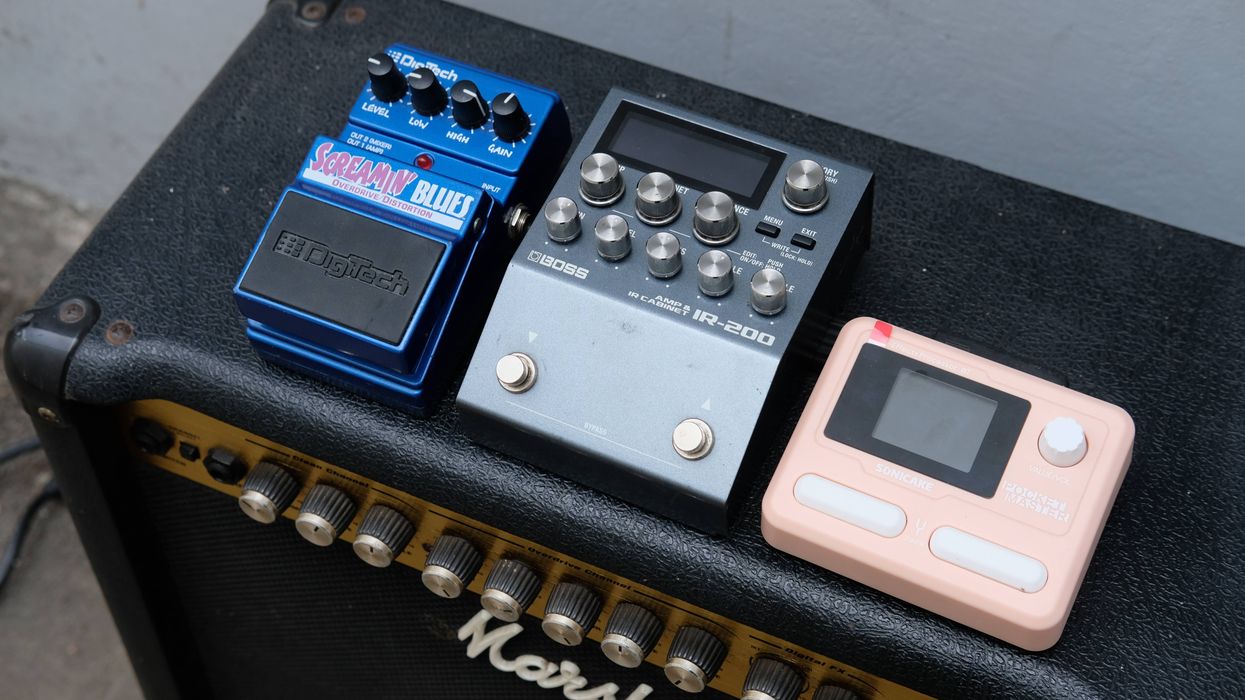
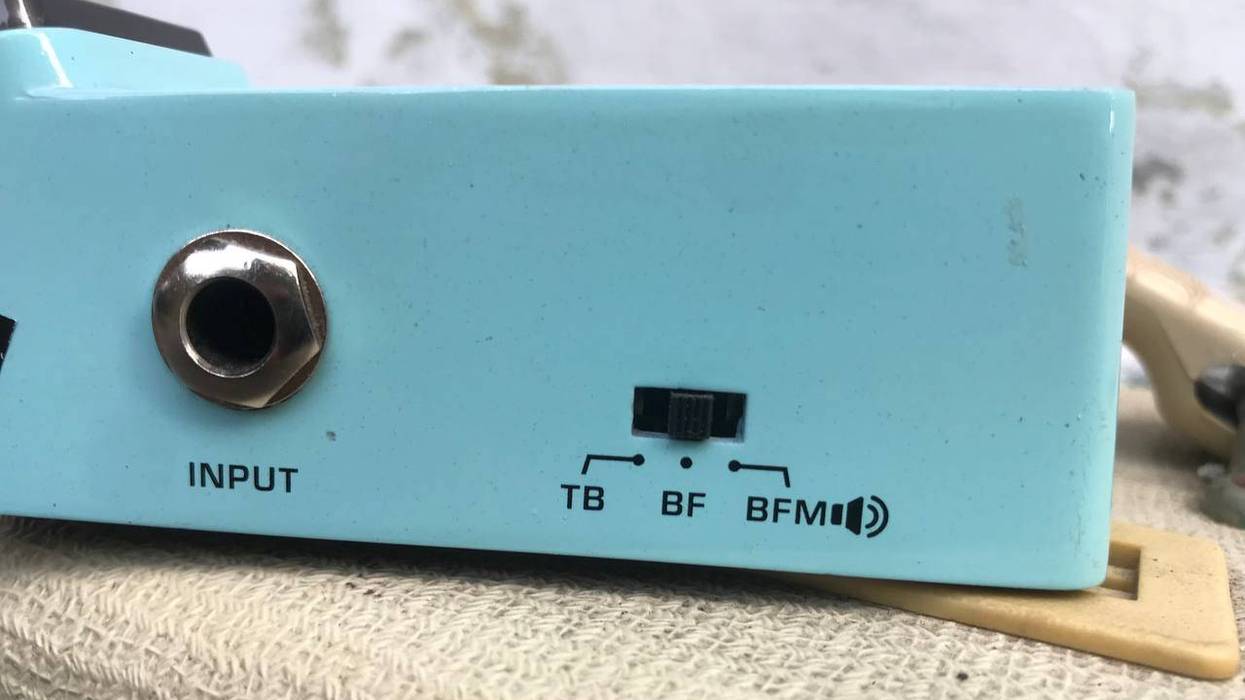
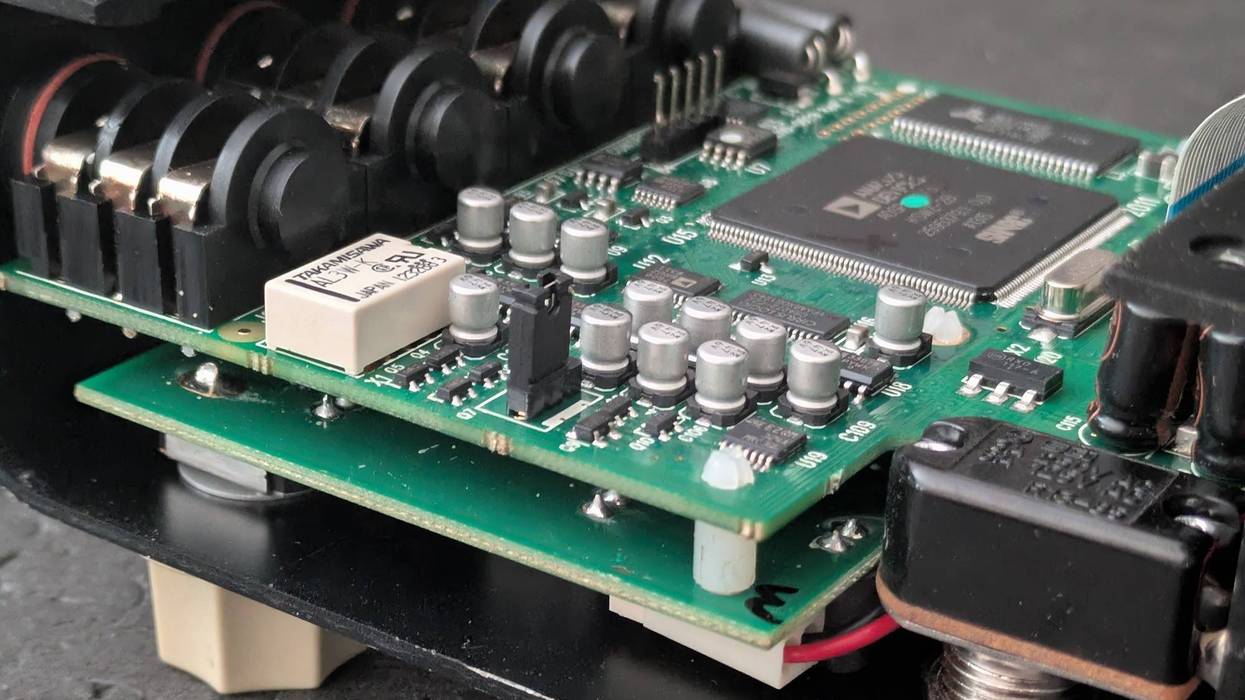
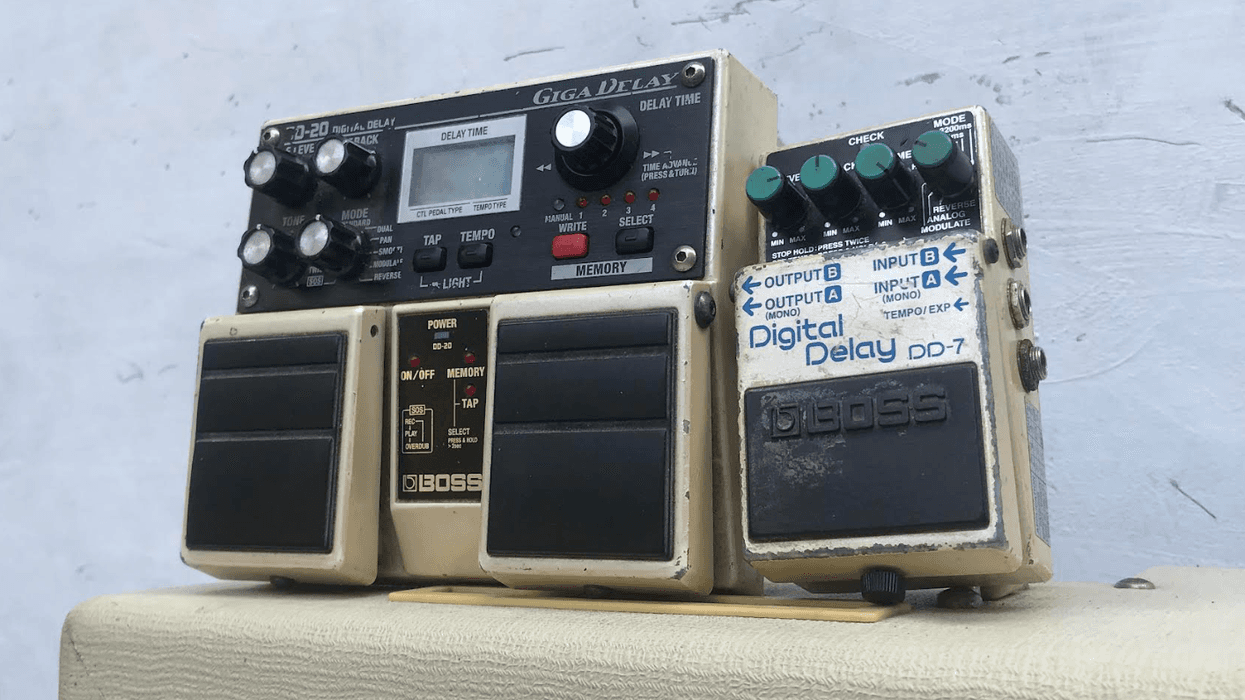
Stereo is often seen as a bonus for a pedal, a feature that a player may use in the rare case they have a stereo signal. But I’d argue that it can sometimes hurt the pedal’s design. Even with digital pedals, stereo requires extra circuitry to account for both signal paths. This means the pedal will certainly be more expensive. It also means the pedal will likely be bigger, to house both the added circuitry and the additional jacks to support the stereo in and out. So if you’re playing in mono most of the time, don’t worry about that stereo option.
For those who actually use a stereo pedalboard, there’s still plenty to consider. I’ve noticed that the majority of stereo players tend to use it in recording scenarios, but this is also where I find stereo to be the most harmful. Say you’re cutting a track with single takes of each part recorded through stereo effects—while each individual track is wider than a mono recording, together they add up to create a flattened mix because each track is occupying the same area in the stereo field. While it may sound backwards, a mix with multitracked guitars recorded in mono allows for a wider sound. Each track being slightly different creates a perceived physical space, much like a choir sounds fuller and richer than an individual voice.
Furthermore, let’s be honest: Most people don’t listen to music in stereo, either. Have you ever been to a friend’s house where their “stereo” setup consisted of two speakers placed across the room at different heights? And certainly even those who care about stereo have listened to music through a mono Bluetooth speaker or a single headphone.
“While it may sound backwards, a mix with multitracked guitars recorded in mono allows for a wider sound.”
Mono is a great option for guitar signal chains because the guitar is ultimately a mono instrument, a sound created from a single source. By not changing the nature of the guitar, you end up getting more out of it. Embracing mono ultimately empowers every part of your signal chain—guitar, pickups, pedalboard, amp—to be used to its full potential, because you’re not trying to fit it into the needs of stereo. There’s a reason why a two-guitar band sounds so good, or why multitracking works so well. Each part can sit in its own space, live or in a mix, complementing the other to create a greater whole.
There is one use for stereo that I will admit I am very fond of. Wet/dry rigs are a great way to break out of the standard signal chain without losing some of the power of mono. This type of setup has two separate signal chains, one containing the dry signal, including simple effects like compression and distortion, and one containing the more prominent effects like delay and reverb; each runs into a separate amp to be played side by side. In fact, while wet/dry is often thought of as a type of stereo rig, I would argue that it is a version of leveled-up mono—dual mono. Here you can have all of the benefits of two signal chains without the worries of keeping that perfect stereo even-ness, and the two work together to create something larger that is defined by the differences between each signal.
To sum up, stereo isn’t inherently bad—it’s just not the universal upgrade it’s often assumed to be. For many players, chasing stereo introduces more compromises than benefits. By embracing the guitar’s mono nature, you can make more intentional choices about your rig and the playing experience itself. And by understanding these distinctions, you’ll be better equipped to choose the right tools and get the most out of the instrument you already love.
![Rig Rundown: The Black Crowes’ Rich Robinson [2026]](https://www.premierguitar.com/media-library/youtube.jpg?id=66952027&width=1245&height=700&quality=70&coordinates=0%2C0%2C0%2C0)