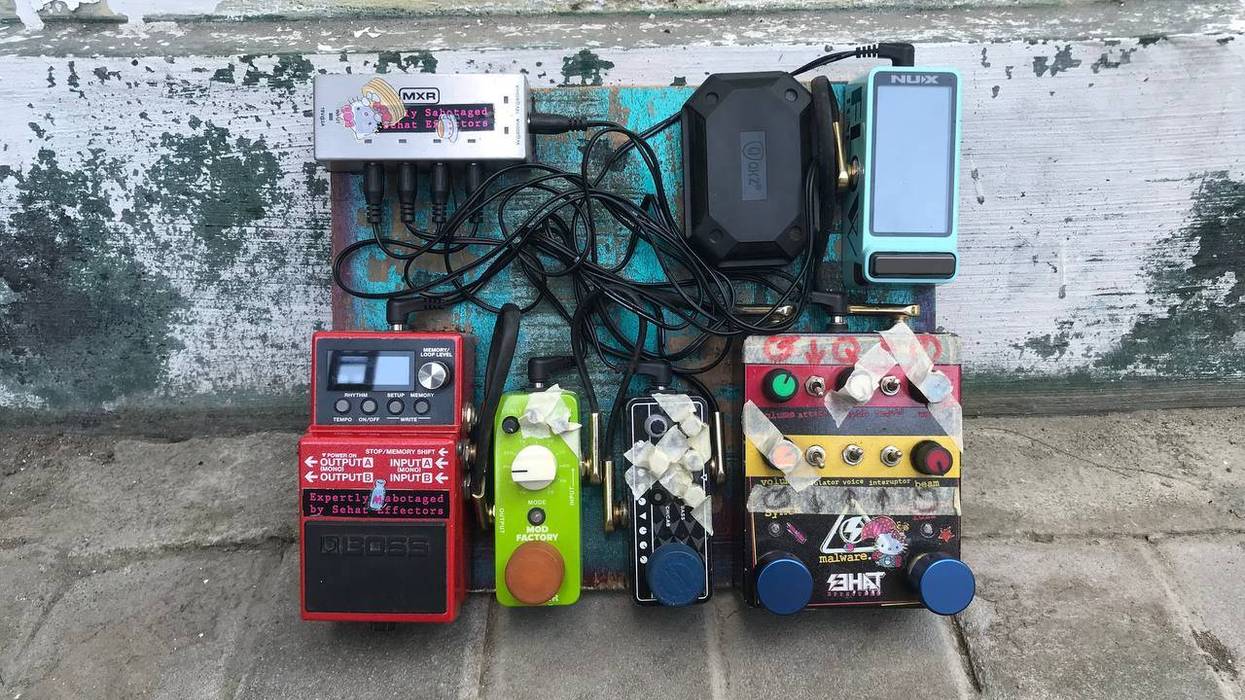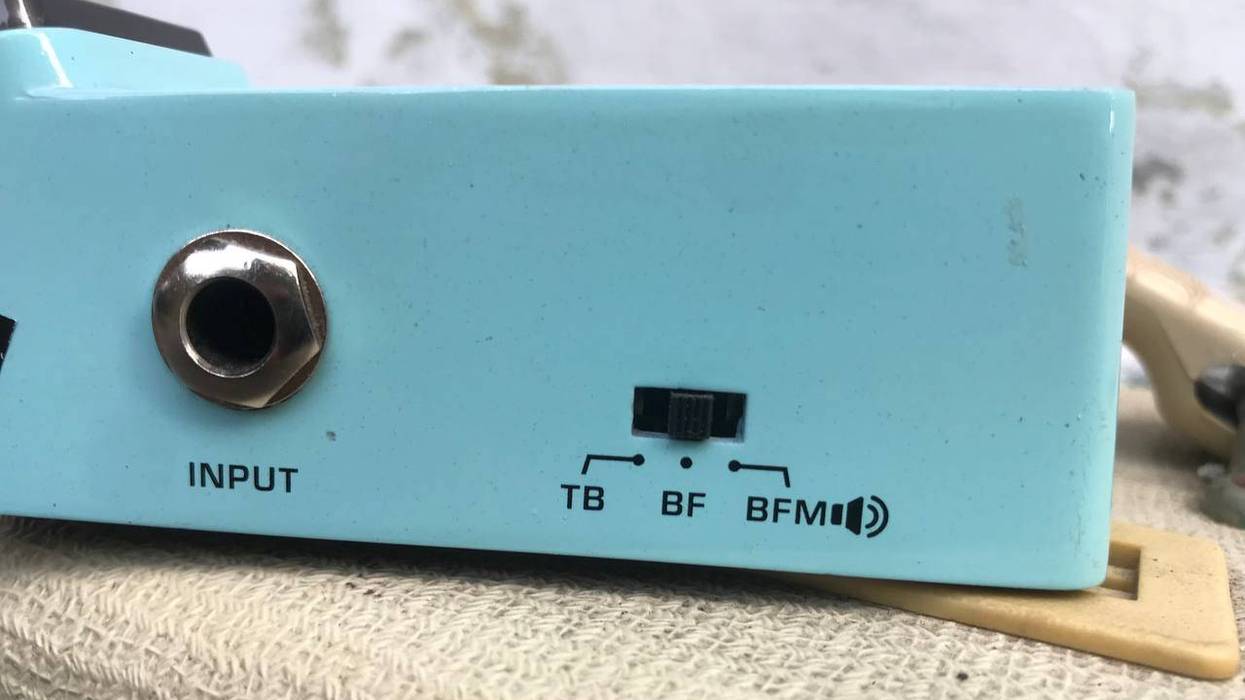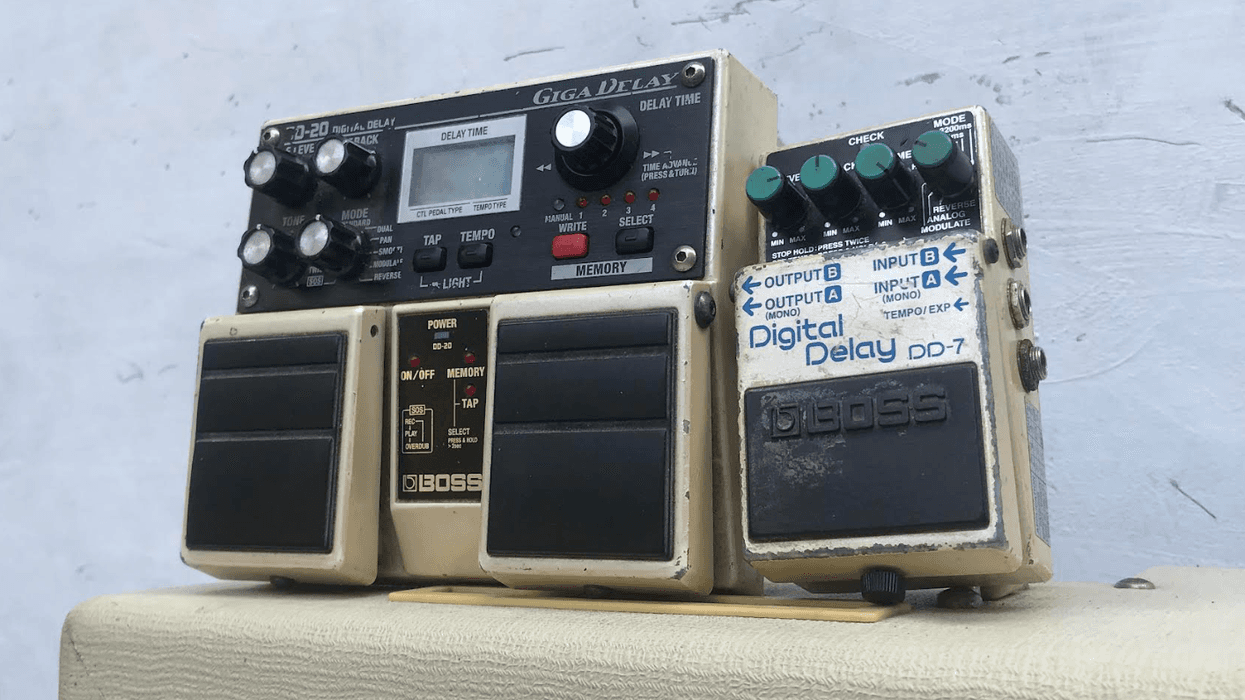

As pedal builders, we often field questions about effects, but many players endlessly chase tone without grasping that the guitar-pedal-amp ecosystem is an inseparable whole. The initial signal from your guitar is the primary architect of your tone’s gain structure and frequency response. It’s the “first domino.” Every subsequent device in your chain—every capacitor in that boutique pedal and every line of code in your modeler—is just reacting to the ghost that your pickups sent into the wire.
The relationship between pickups and pedals is highly dynamic—an interaction between impedance and signal level. Consider one of the most popular pedals: the Ibanez Tube Screamer. In the hands of a metalhead with an active-pickup guitar and a high-gain amp, it functions as a reliable booster, yielding an aggressive metal sound. Conversely, in the hands of a bluesman with a Strat and single-coils plugged into a Fender amp, the Tube Screamer becomes the heart of a very SRV-esque blues tone. The same pedal, yet its response and character drastically change depending on the input signal.
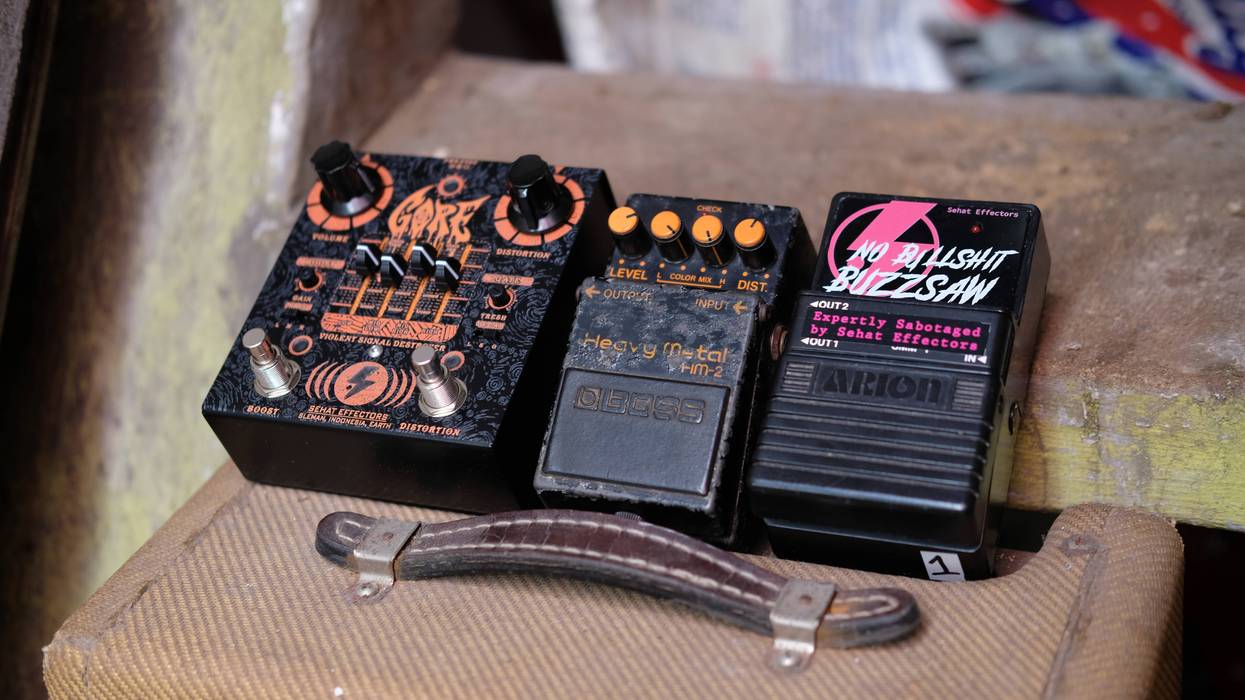
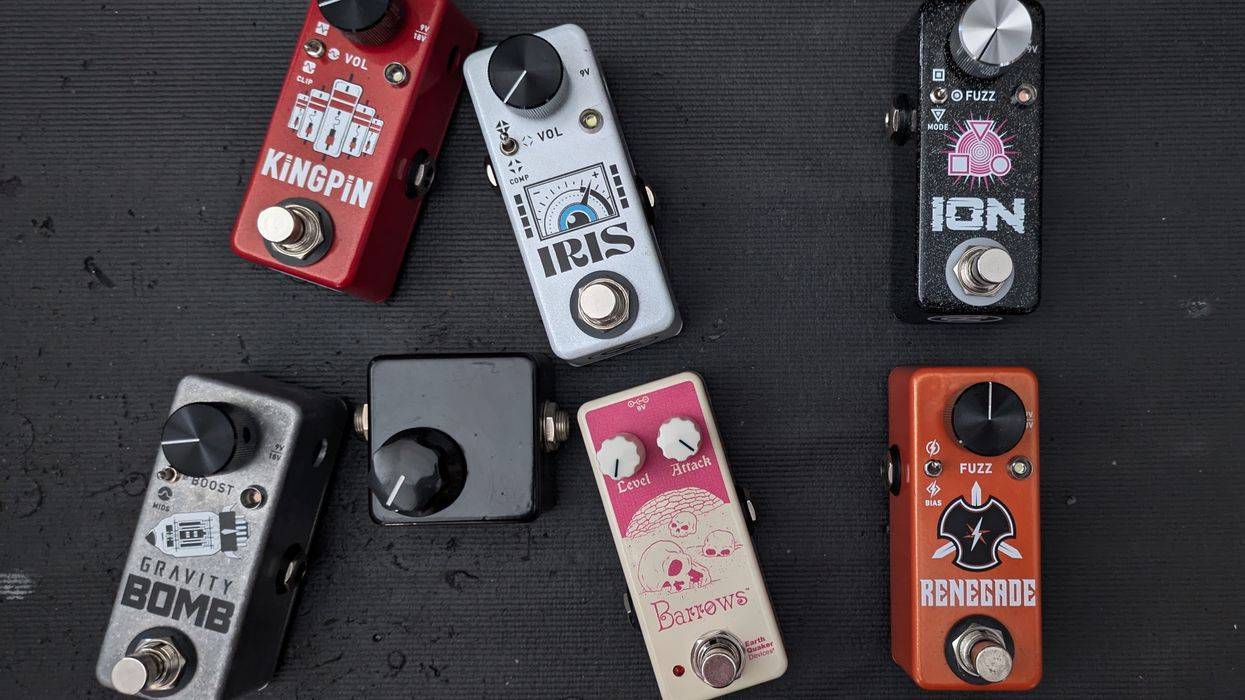
The most extreme example is the fuzz pedal. (Personally, we focus on building fuzzes and other unique pedals.) In my experience, fuzz is the most idiosyncratic and signal-responsive pedal, affected not only by the pickup but also by whether the signal passes through a buffer or not. Empirically, my hypothesis is: Fuzz generally struggles to produce a clear, usable sound with high-gain or active pickups.
Technically, this happens because traditional fuzz circuits (especially those using germanium transistors) have low input impedance and severely limited headroom. High-gain pickups send a signal that is simply too “hot,” causing excessive and uncontrolled clipping at the fuzz pedal’s input. This results in a muddy, indistinct sound (or what’s often called “splattering”). Low-gain pickups, on the other hand (like single-coils, P-90s, or PAF-style humbuckers), provide a quieter initial signal, preserving the fuzz circuit’s headroom and allowing it to produce rich, dynamic textures.
The Ampless Rig: A New Challenge
So, what about the current era of all-direct or ampless rigs? Let me share an empirical experience. I’m a huge fan of the sound of a Les Paul plugged into a tube amp. However, the reality is I’m an amateur player who can’t afford a crew to haul that heavy gear to a gig. Whether I like it or not, I had to embrace the modern ecosystem. I started experimenting with a direct system using analog/digital amp and cab simulators.
The results were surprising: My Les Paul with high-gain pickups sounded terrible—dirty and muddy—in this direct setup. Then, I tried a guitar with low-gain pickups, and it worked!
This success wasn’t because the low-gain pickup was magically better, but because it unintentionally fixed a fundamental technical issue: gain staging.
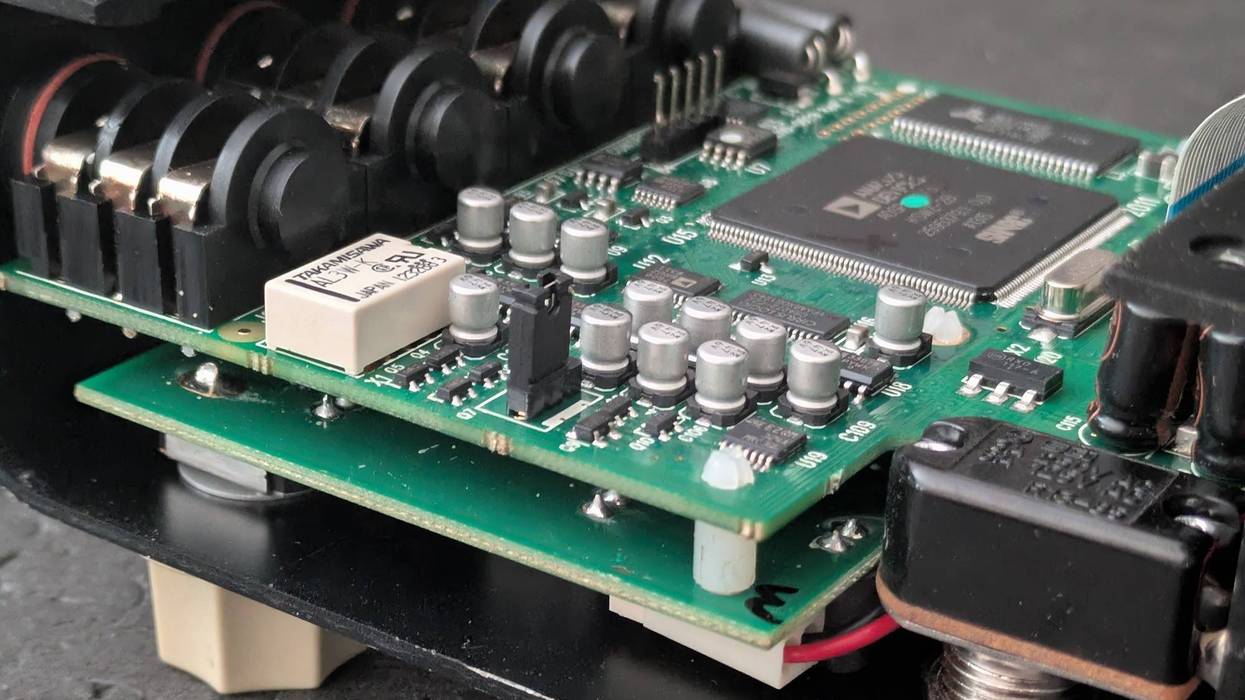
1.Digital Input Clipping: High-gain pickups produce a much higher output voltage. When this hot signal enters the input of a digital multi-effect or direct box, which has headroom limitations on its digital preamp or analog-to-digital converter (ADC), the signal undergoes digital clipping even before the amp simulation begins. This is what leads to a “broken” and indistinct sound.
2. Optimal DSP Headroom: Low-gain pickups naturally send a lower initial signal, providing much better headroom for the digital signal processing (DSP) to optimally handle distortion, modulation, and EQ.
In the modeling era, the biggest challenge is strict gain staging. Different manufacturers—Boss, Line 6, Fractal, Valeton, Nux, Hotone—implement very different analog front ends and output drivers, so results vary. Ultimately, we just have to stick to the golden rule: If it sounds good, it is good!
The bottom line is that when we talk about stompboxes, pedals, multi-effects, or modeling—none of them can stand alone. The sound of an Ibanez Tube Screamer will remain a mystery until you plug it into a guitar and an amp.
If you want to “tweak” your pedal or multi-effect, you must also tweak your guitar’s pickups. Perhaps the problem isn’t the pedal’s algorithm or the modeling itself, but your gain staging is ruined because your pickup is too hot, making the signal too large to be ideally interpreted and processed mathematically by the multi-effect you are using.
And all of this can change with time and need. For me, when gigging with a tube amp, I like using a Seymour Duncan El Diablo in the bridge position (to aggressively push the tube preamp). When using a direct or modeling setup, I prefer a Seymour Duncan Jazz Model in the bridge position (because the cleaner, low-output signal provides better headroom for the digital processor).
Think of your pickup as the lens on a high-end camera. You can have the most powerful image processor in the world—the flashiest DSP or the most expensive boutique pedal—but if the lens is blurry or letting in too much light, the final “picture” will always be a distorted mess.