Premier Guitar features affiliate links to help support our content. We may earn a commission on any affiliated purchases.
GALLERY: Experience Hendrix 2010 Performances
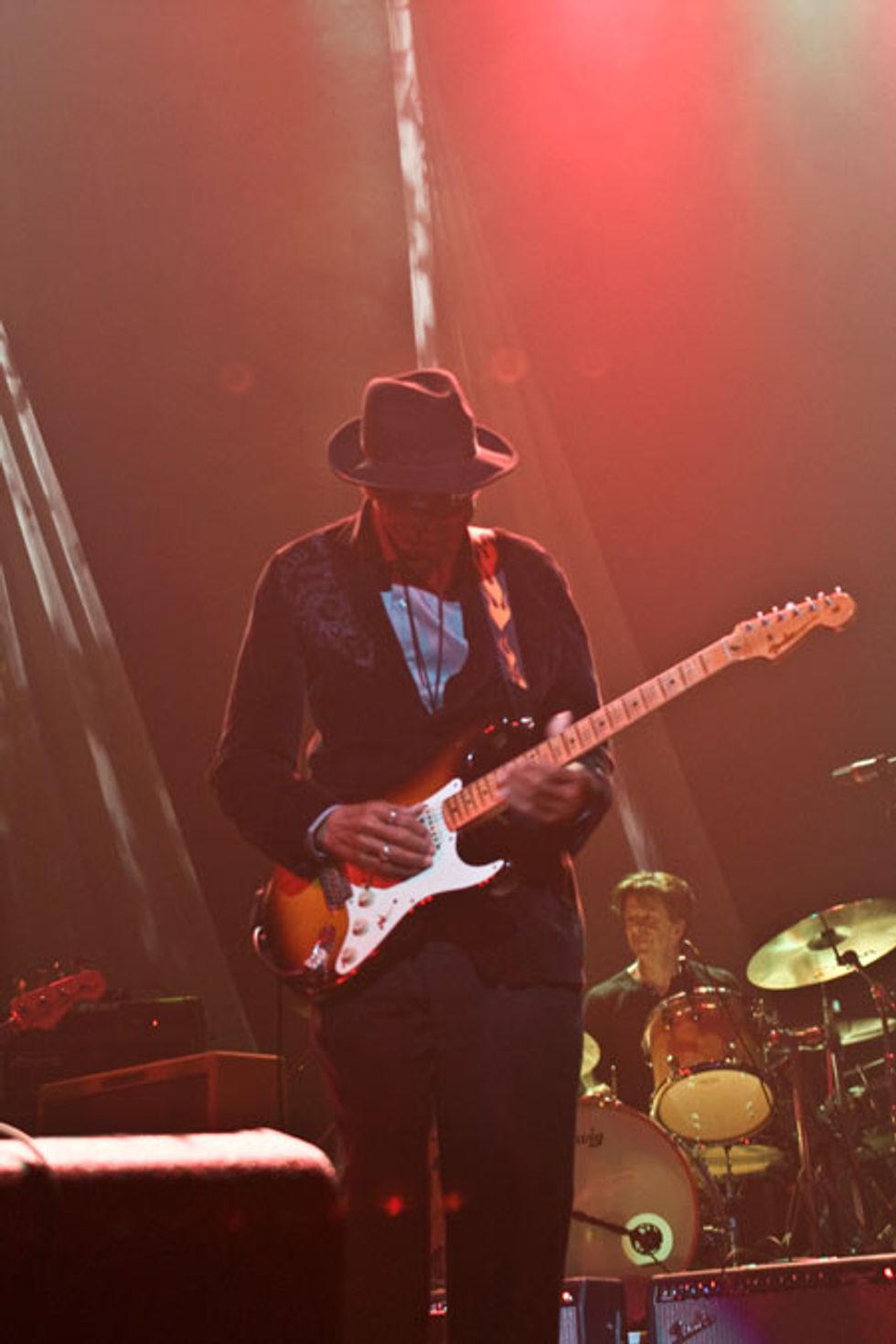
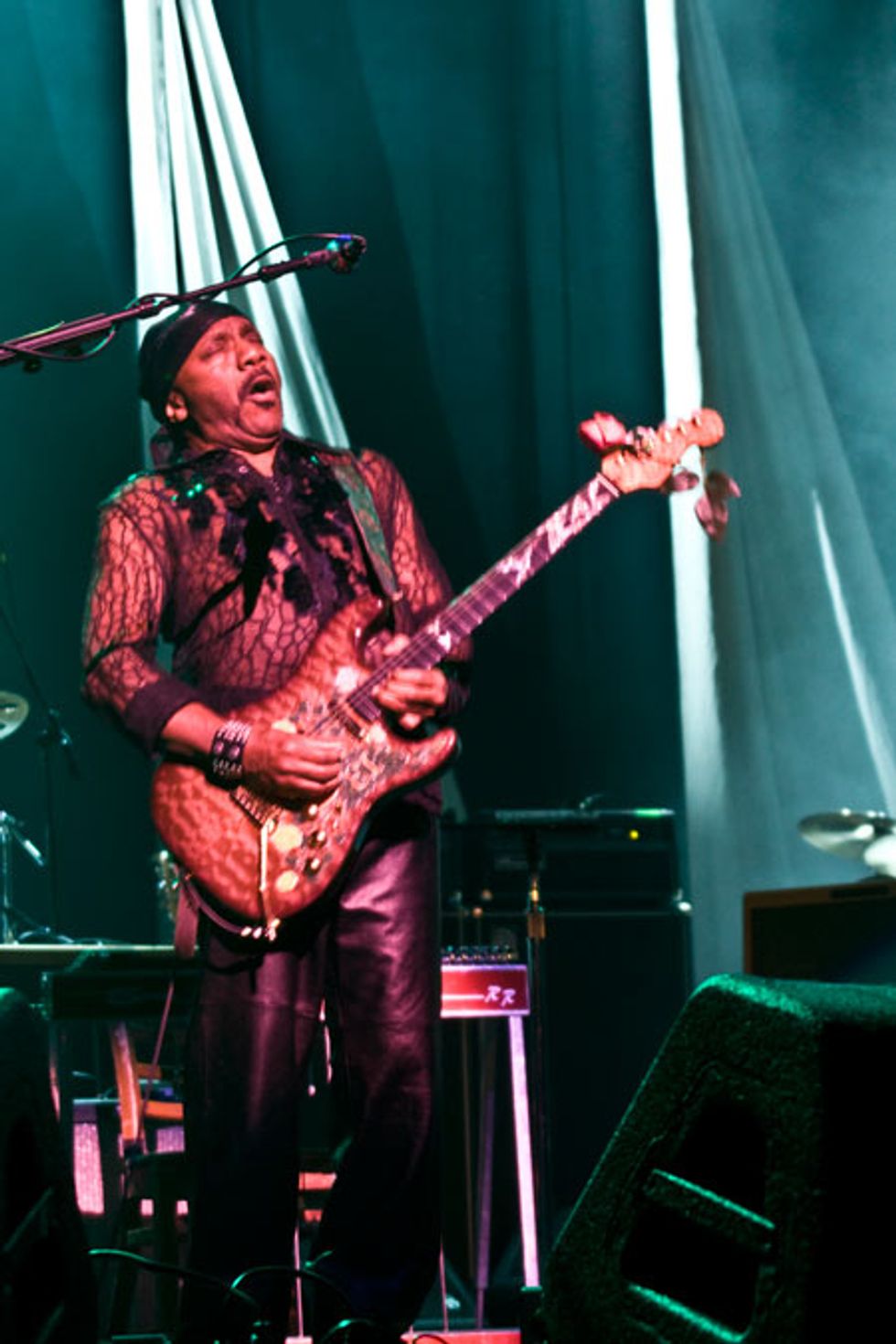
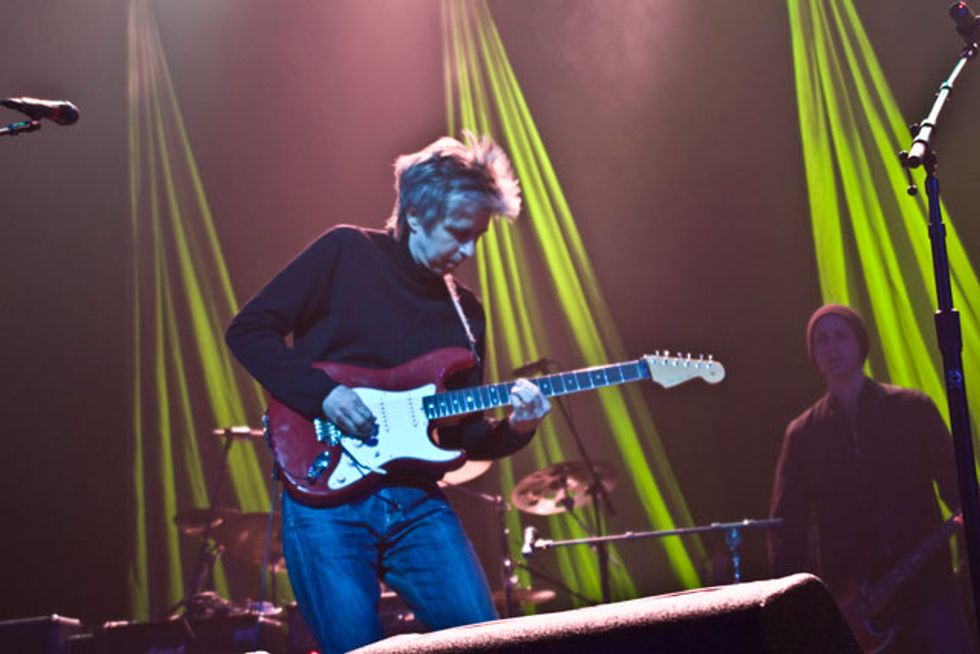
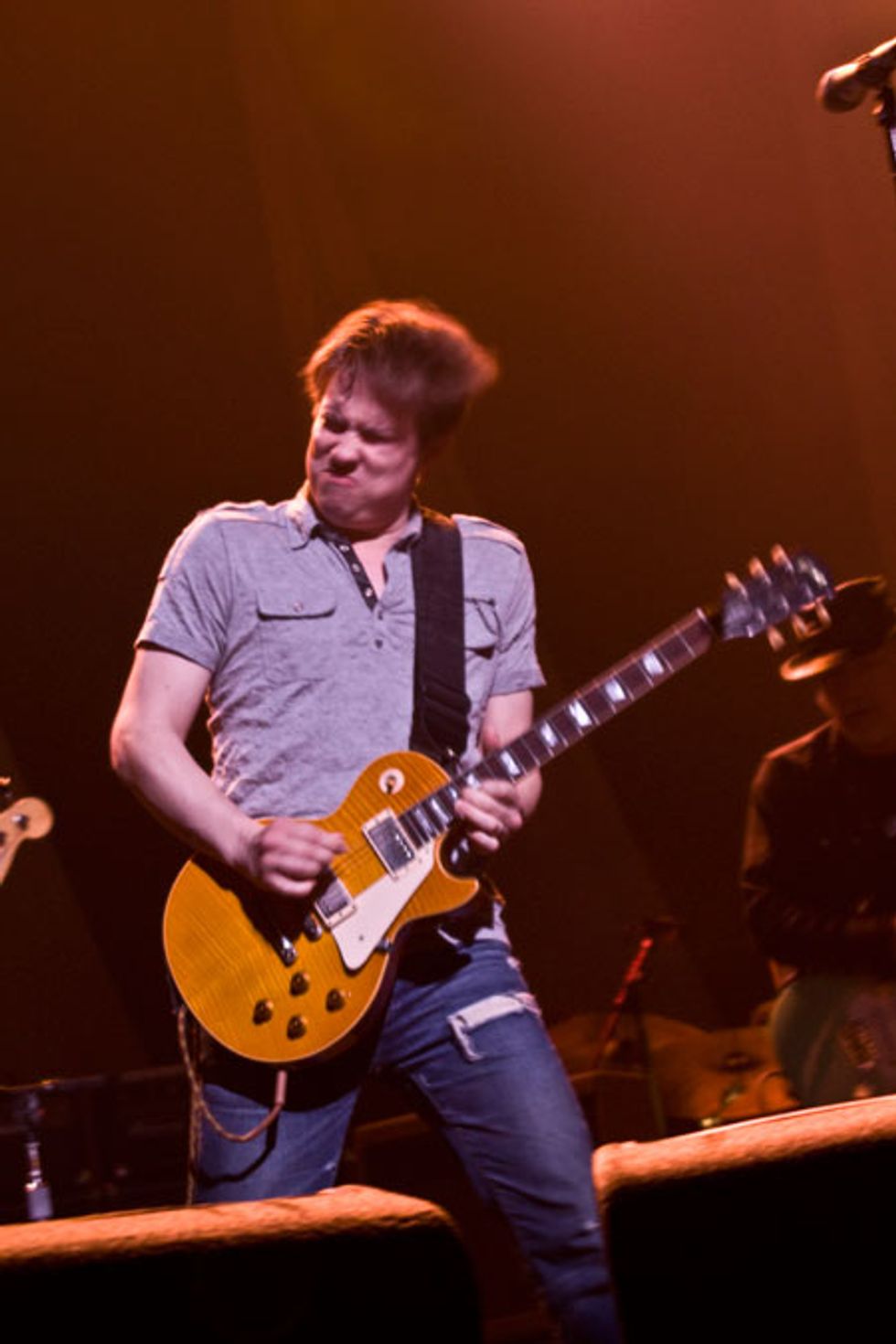
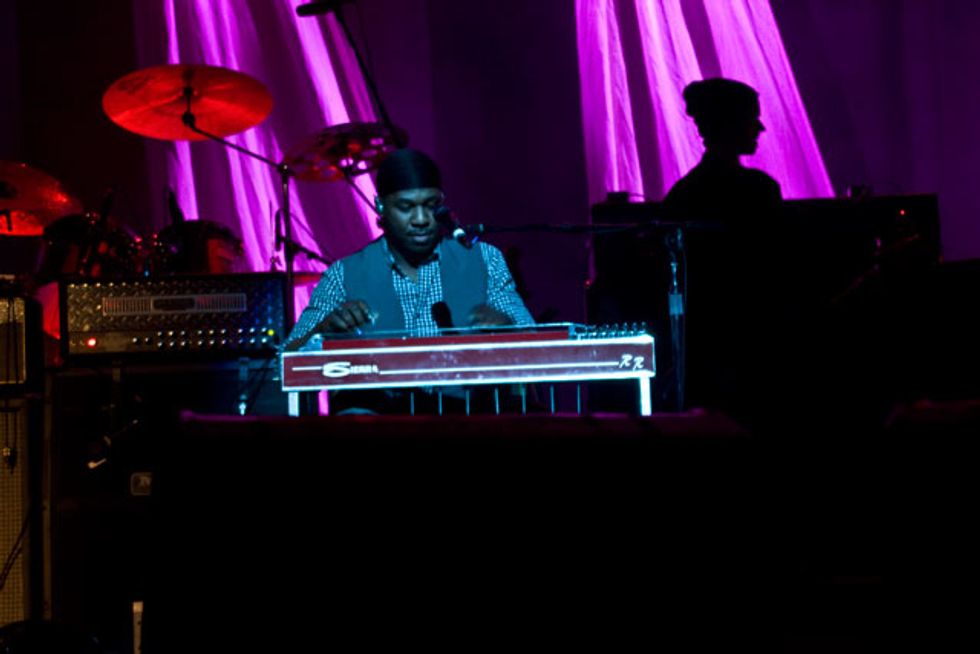
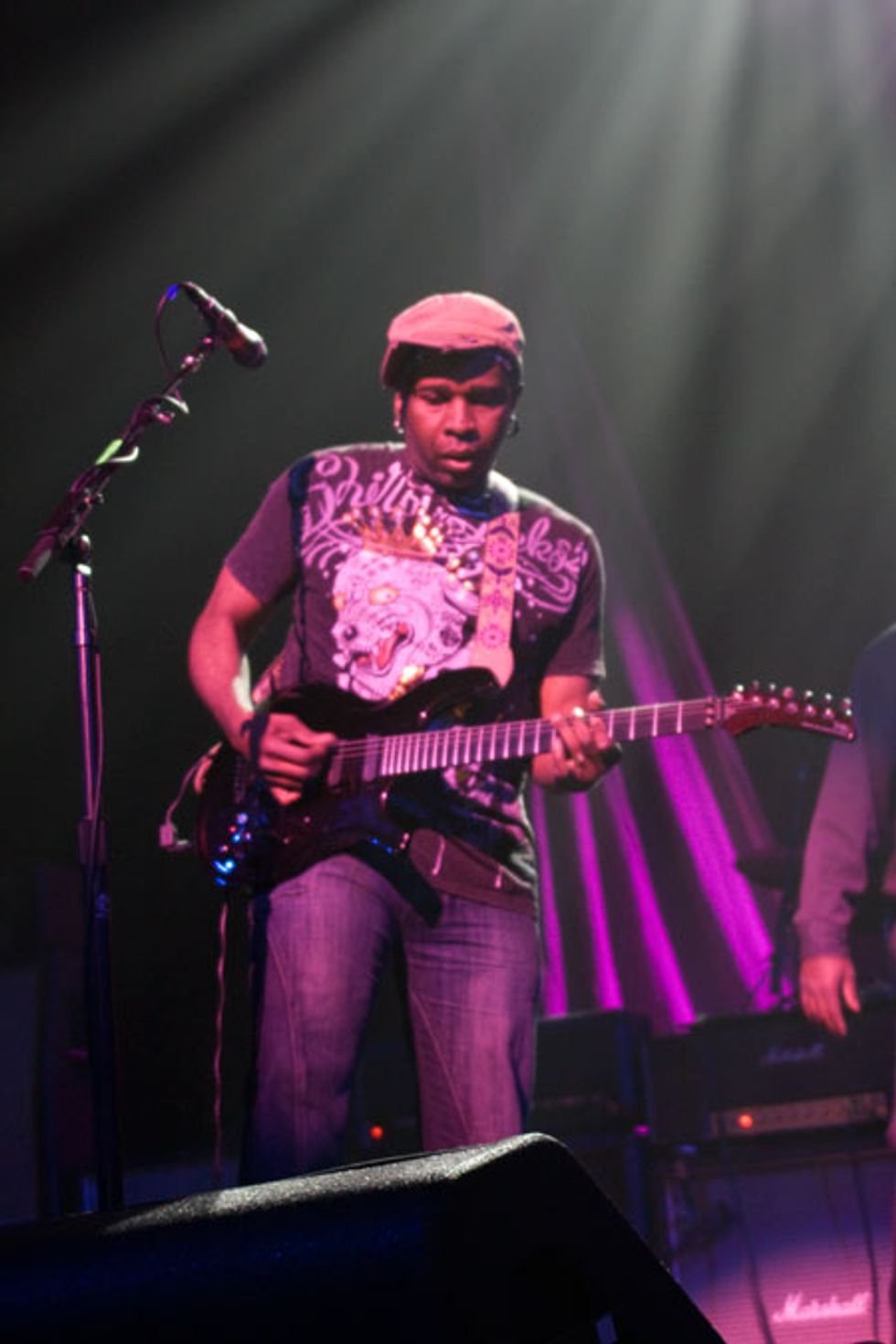
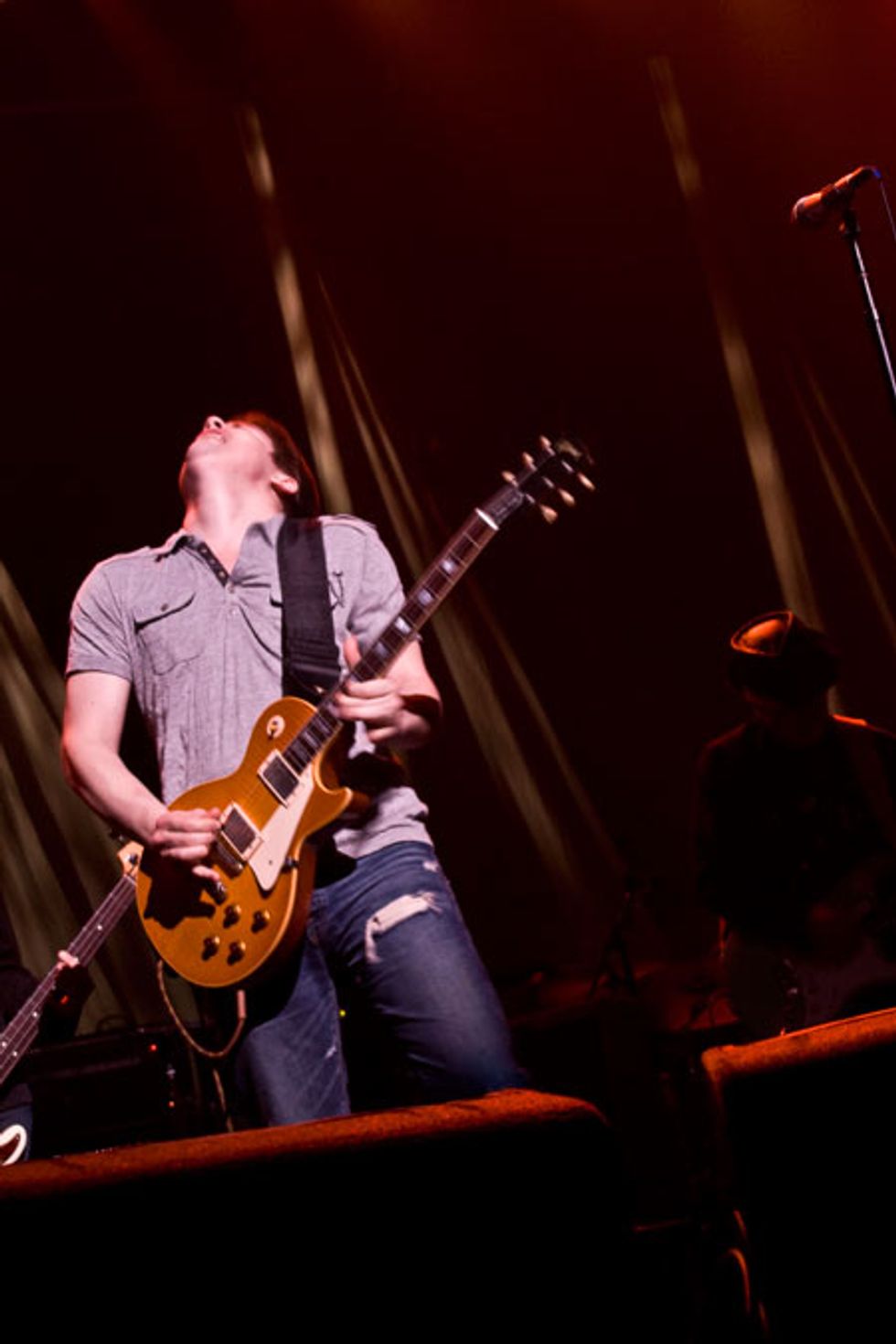
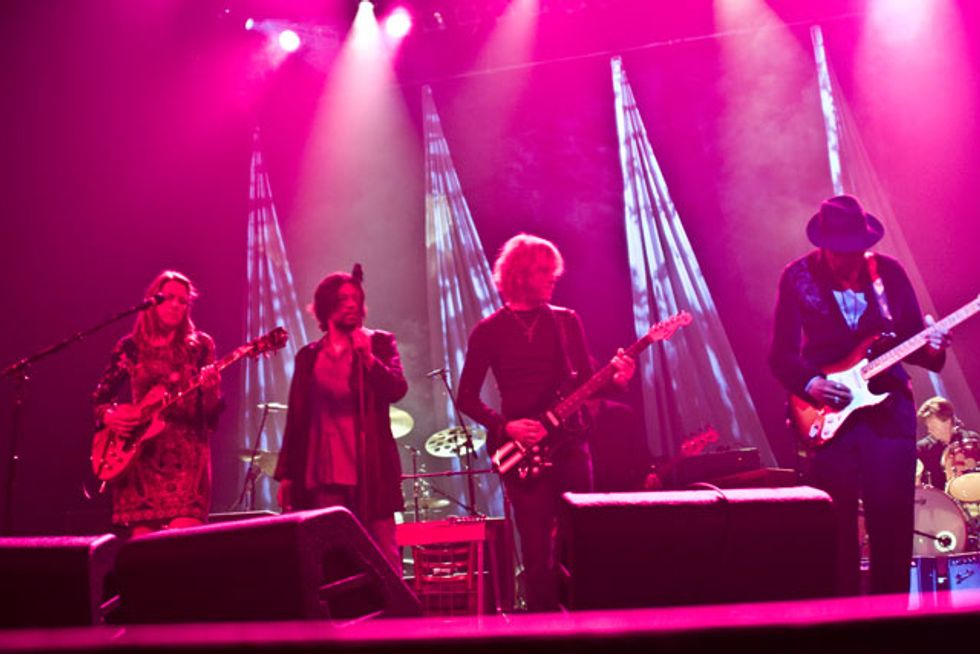
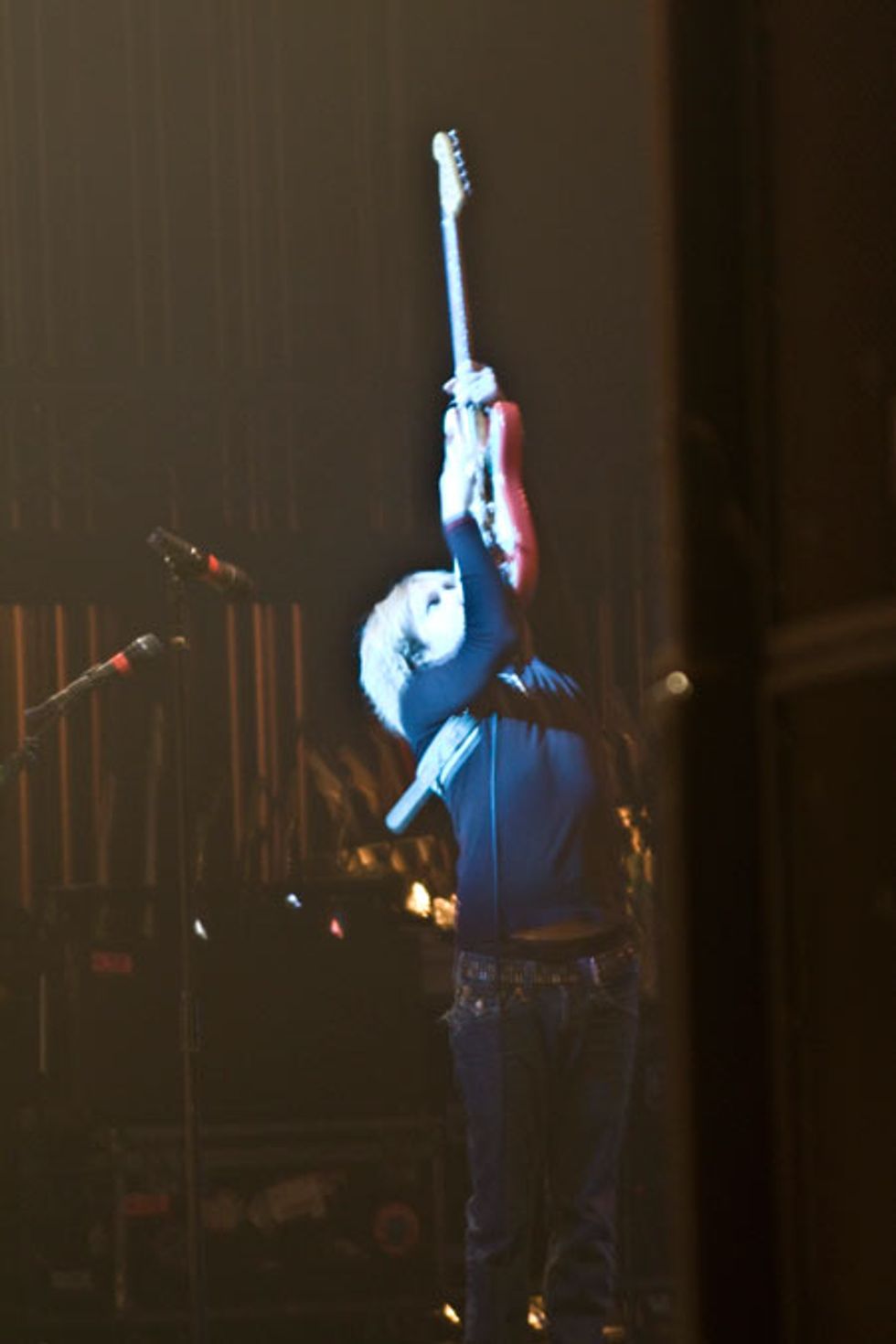
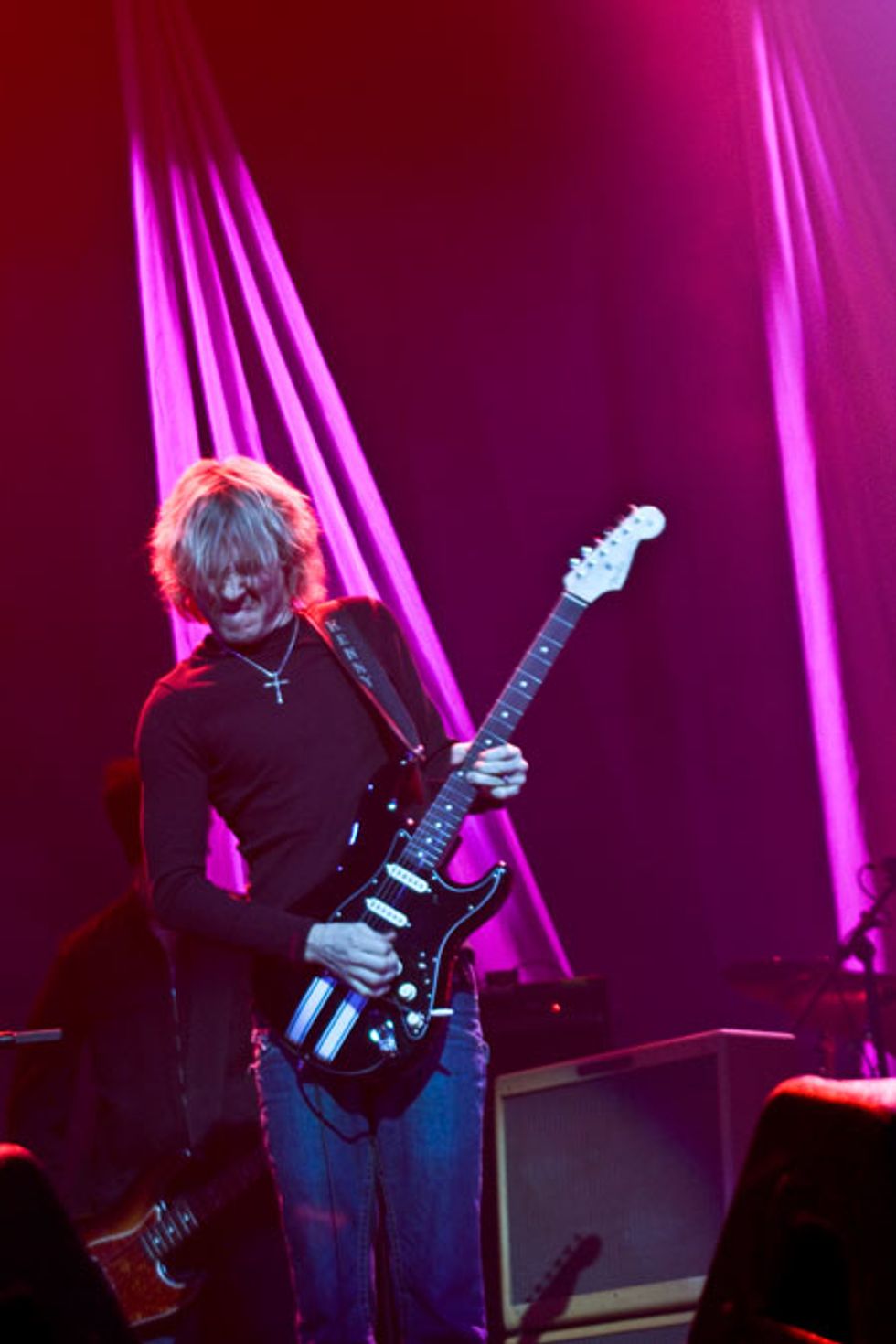
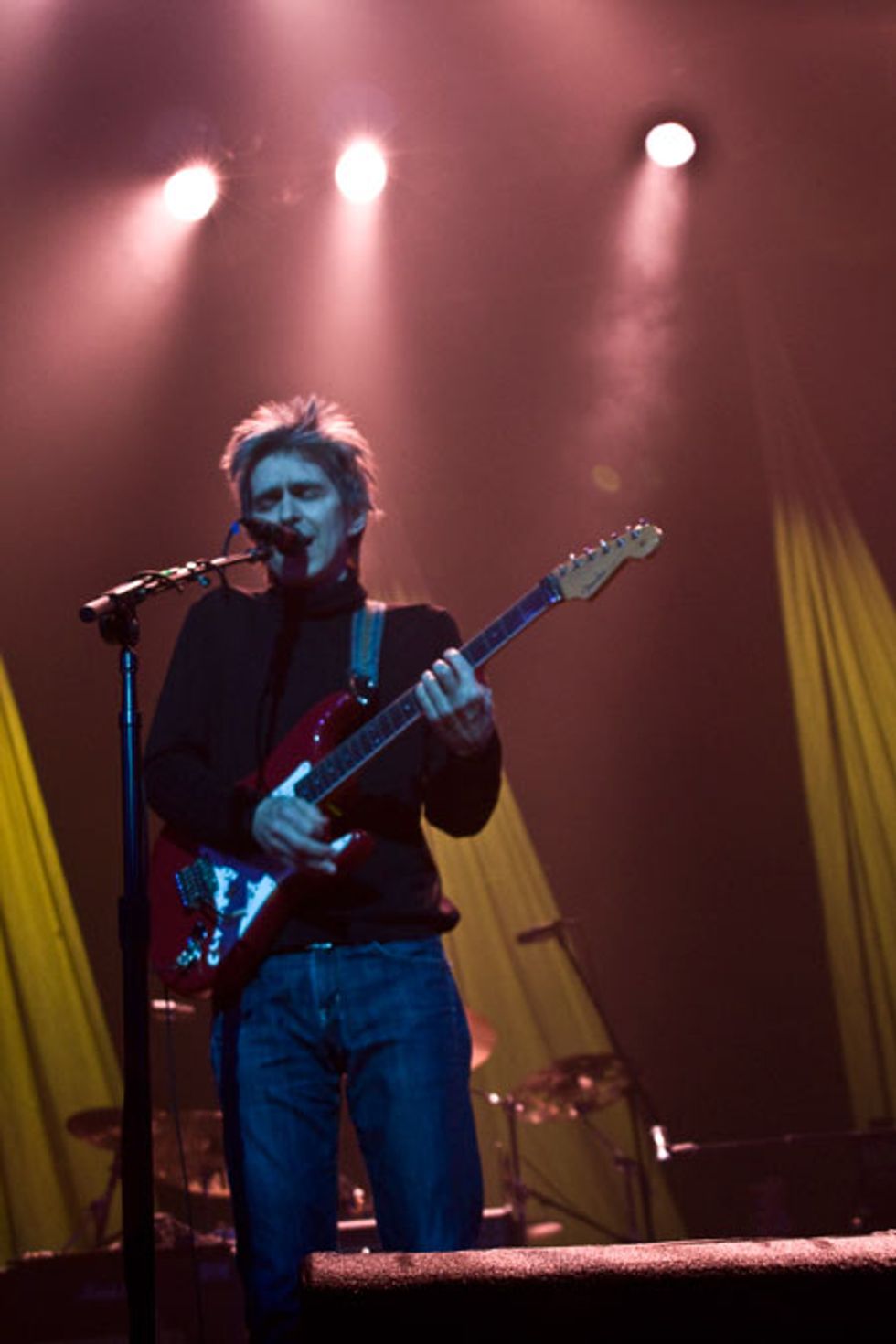
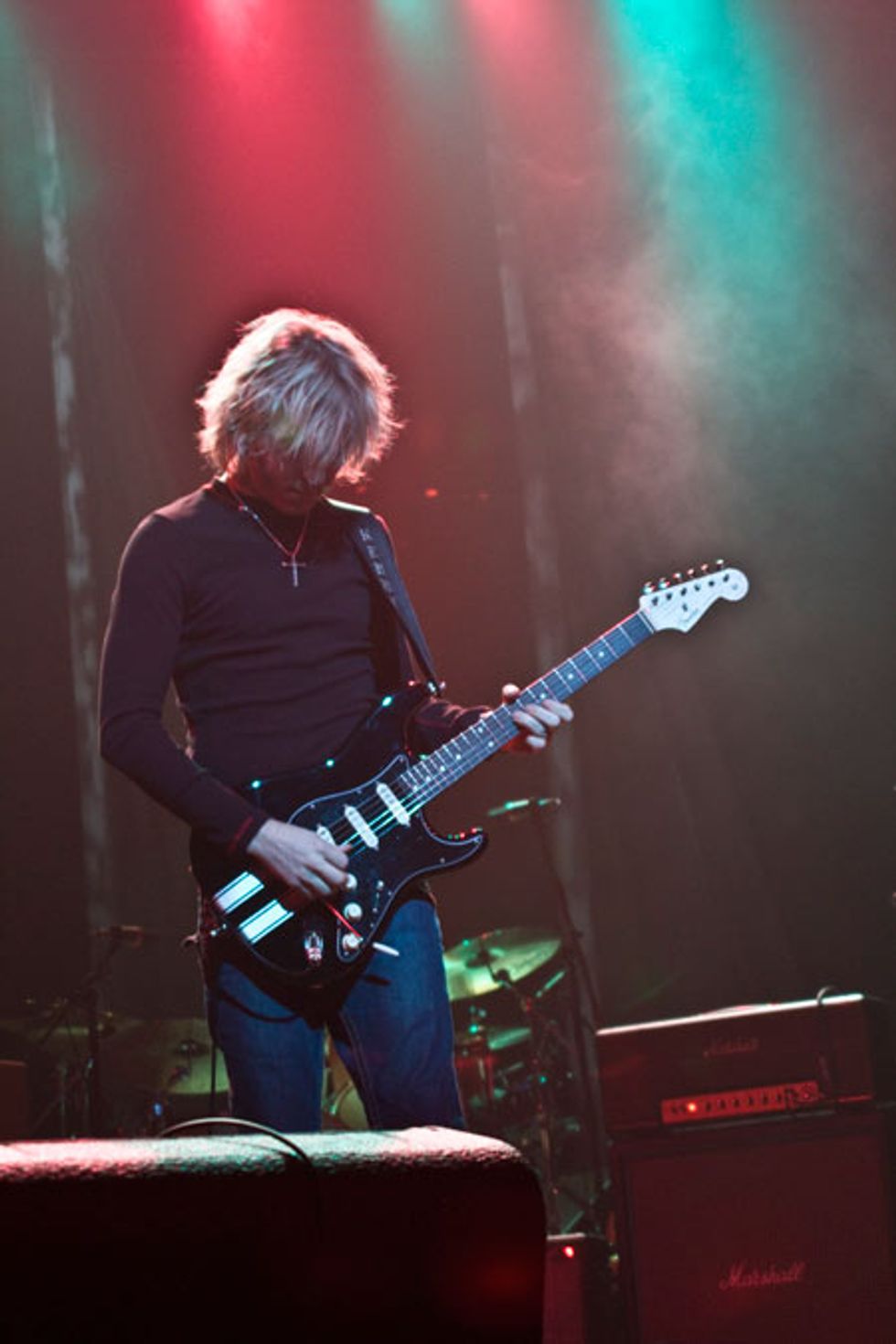
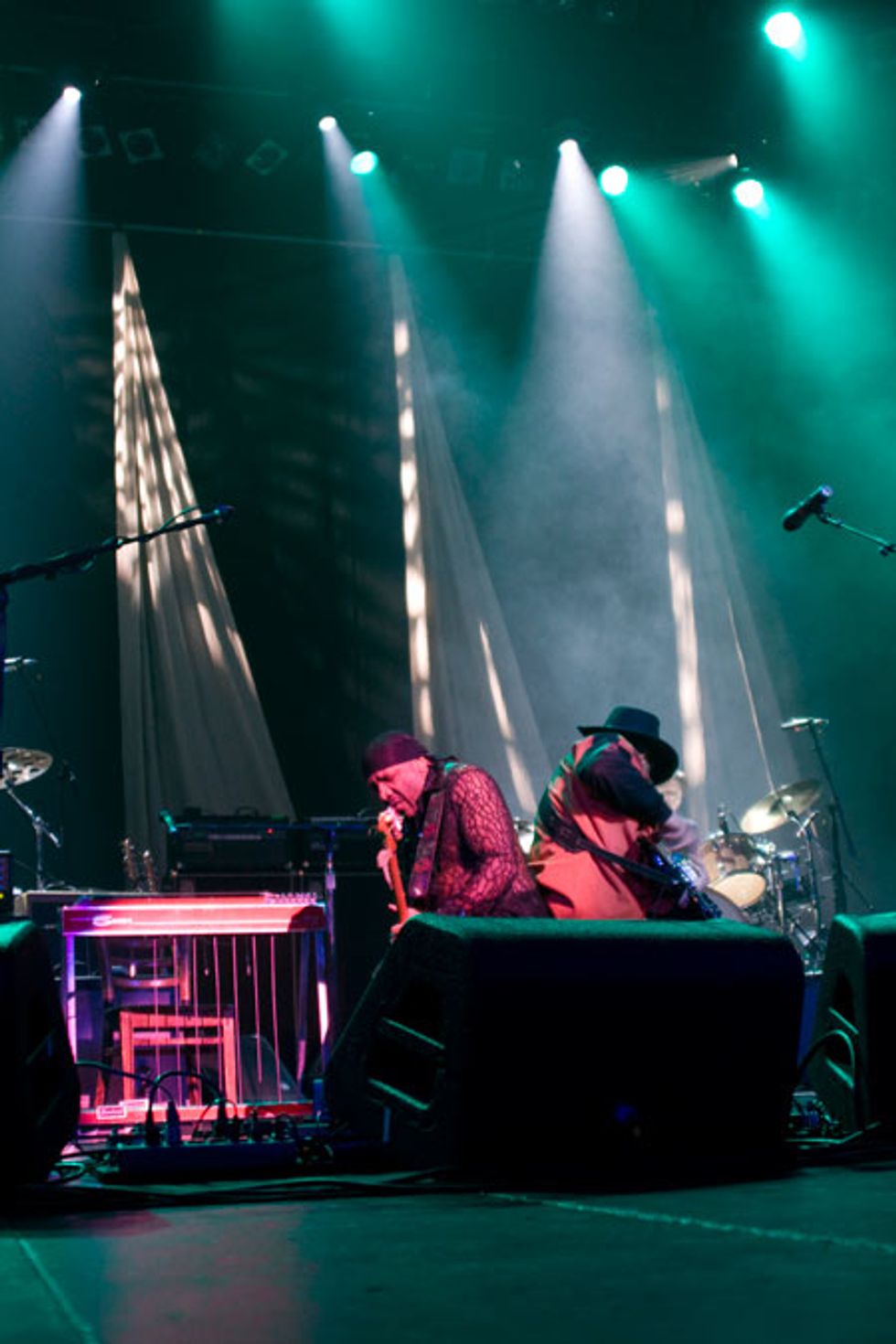
The Milwaukee stop on the Experience Hendrix tour, featuring performances by Hubert Sumlin, Eric Johnson, Billy Cox, Kenny Wayne Shepherd, Jonny Lang, Susan Tedeschi, Robert Randolph and more.
Chris Kies has degrees in Journalism and History from the University of Iowa and has been with PG dating back to his days as an intern in 2007. He's now the multimedia manager maintaining the website and social media accounts, coordinating Rig Rundown shoots (also hosting and/or filming them) and occasionally writing an artist feature. Other than that, he enjoys non-guitar-related hobbies.
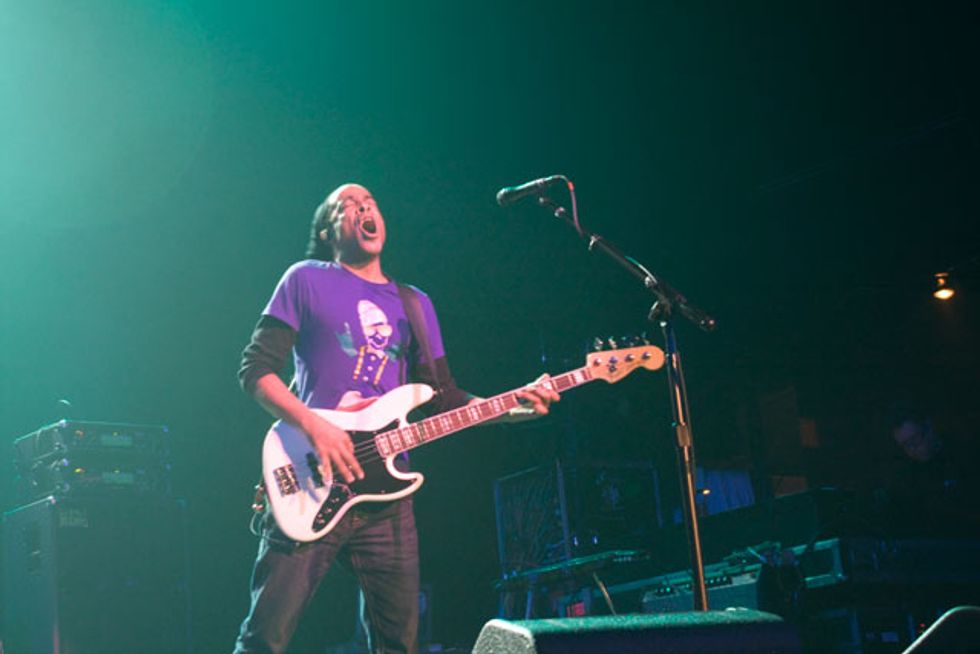
"Living Colourуs bassist Doug Wimbish rocking out hard with his Fender Jazz Bass during the Band of Gypsys tune, рPower of Soul.с Wimbish had the biggest pedalboard housing over 20 pieces."
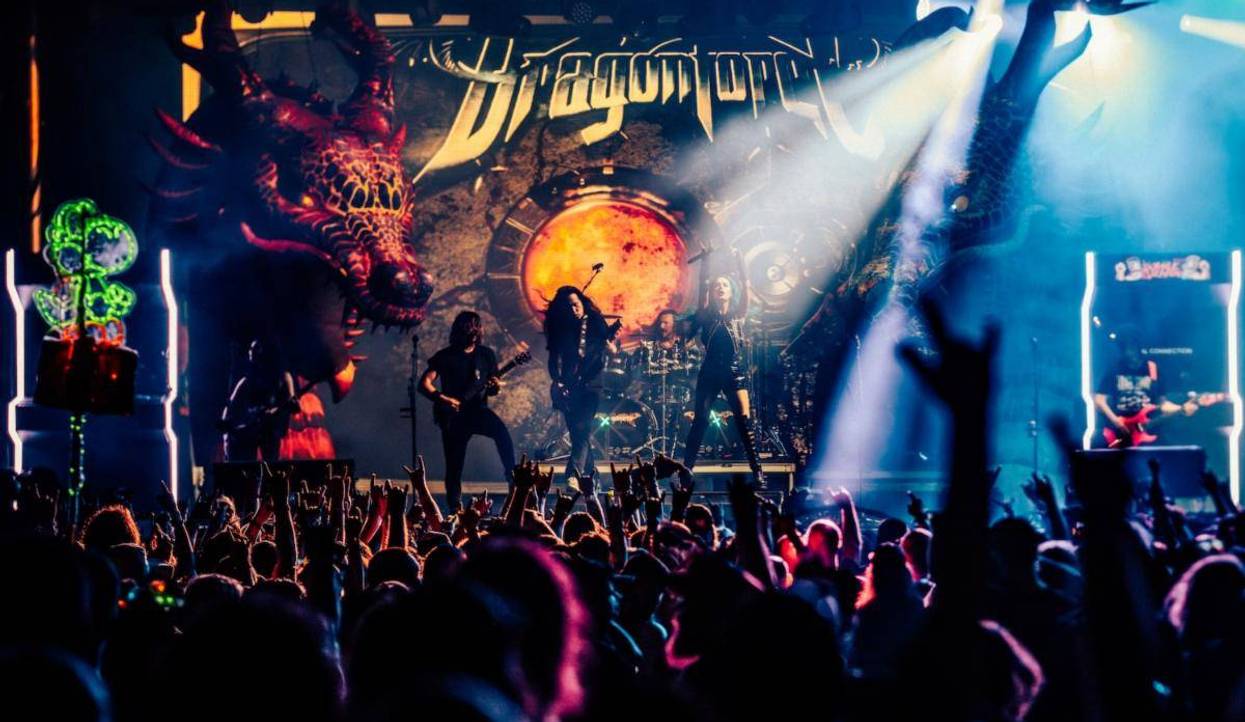
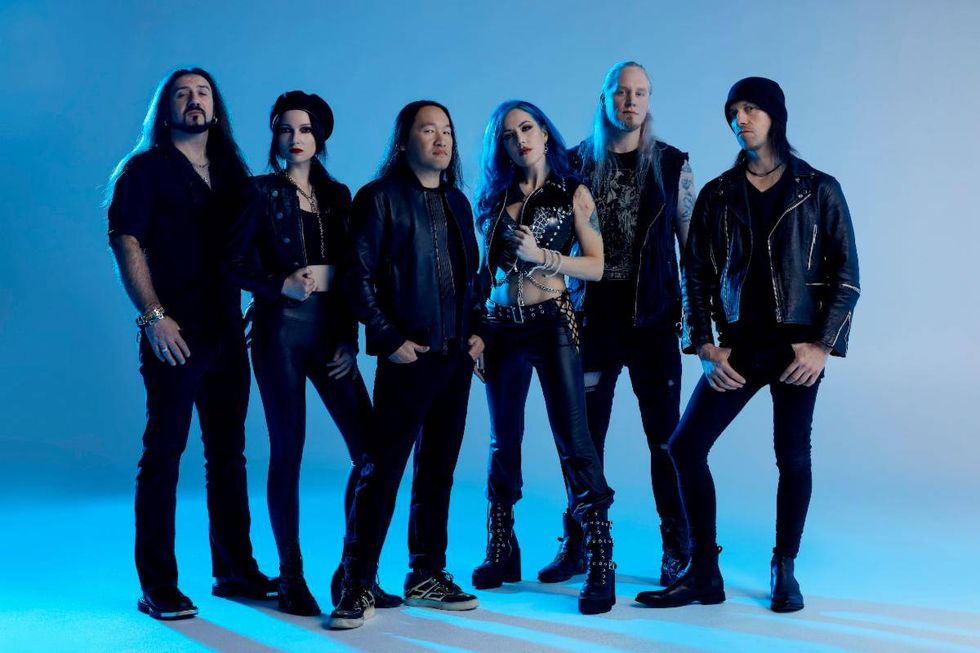
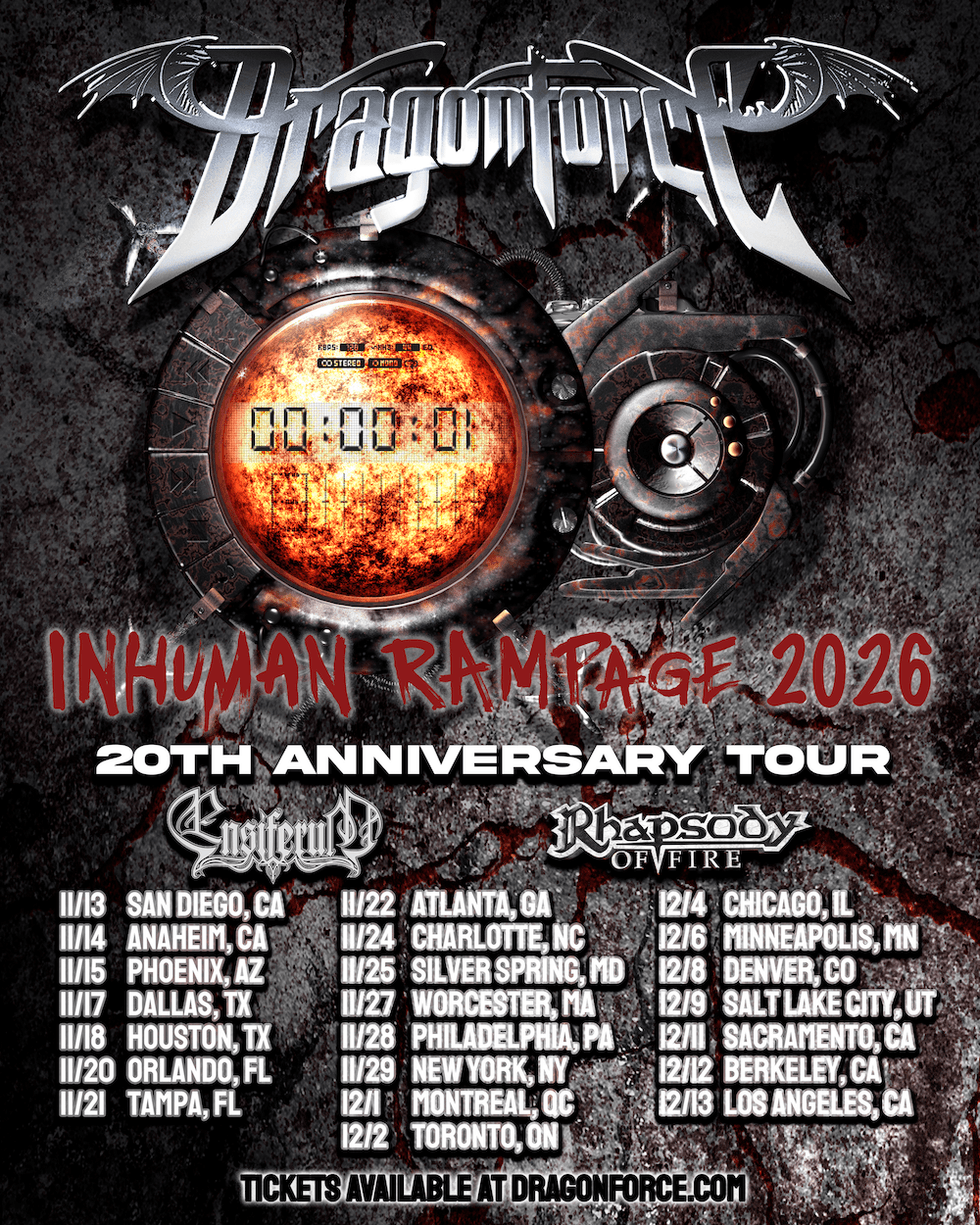
DragonForce invite fans to join them on their largest North American tour in more than two decades. In celebration of the 20th Anniversary of their monumental album, Inhuman Rampage – the record that birthed the Platinum-selling global phenomenon of "Through the Fire and Flames," and spent 23 consecutive weeks on the Billboard 200 – the cross-country run will soon bring the world's fastest band to 22 cities this November and December, with support from Ensiferum and Rhapsody of Fire. Beginning at San Diego's Observatory on Friday, November 13th, dates will stretch from New York City’s Palladium Times Square to Chicago's Riviera Theatre, Los Angeles' Wiltern and beyond, further marking 2026 as the start of DragonForce's biggest, boldest and most electrifying era yet.
Following this month's earth-shattering announcement of Alissa White-Gluz as their new vocalist and first frontwoman, DragonForce previewed the forthcoming tour with two festival performances at Welcome To Rockville and Sonic Temple, which were "riotously received" (Metal Hammer) and "epic" (Metal Injection). But with White-Gluz at the helm, this fall will see sets that are as exhilarating as they are technically breathtaking, filled with even more time-warping precision, spectacular set design, hits from Inhuman Rampage and an early taste of their impending studio album.
Public on-sale for DragonForce's Inhuman Rampage 20th Anniversary Tour begins at 10am local time this Friday, May 29th, with Citi and artist presales starting at 12pm ET today. See the full list of dates below, and find tickets at dragonforce.com/shows
As the preeminent pioneers of extreme power metal, now joined by one of metal's legendary vocalists, DragonForce have welcomed tens of millions of listeners into the fold through the seismic history of Inhuman Rampage and their eternally joyous, adrenaline-filled music. Founded in 1999 and based between Los Angeles and London, they have rewritten the rules of heavy metal, while redefining the possibilities of their respective instruments.
Since the release of Inhuman Rampage and its signature anthem "Through the Fire and Flames" – the notoriously unbeatable final boss of Guitar Hero III: Legends of Rock – the GRAMMY®-nominated band have continued to blow the minds of musicians and gamers everywhere. They have been heard in Despicable Me 4, Fortnite Festival, Brawl Stars, Asphalt Legends and beyond, and seen on the covers of dozens of magazines. They have shared stages with Iron Maiden, Ozzy Osbourne, Slipknot, Metallica and many more, but one thing has always been certain: the fastest band in the world will not slow down.
"Alissa joining the band is an expansion of everything we've done up to this point," said DragonForce co-founder and lead guitarist Herman Li, at the time of White-Gluz's announcement. "Twenty years is a long time to do anything, let alone survive the music industry and still be so inspired to continue doing what we love. Together we will honor what made Inhuman Rampage matter, while showing people exactly where we're going next. Having Alissa in the room changes everything. She doesn't just sing, she makes all aspects of our music better. And she sounds incredible live! I can't wait for the fans to see her and hear what we have been working on."
"As a long-time fan of DragonForce, having seen them in concert multiple times over the last 20 years, I am beyond excited to be bringing such iconic music to life with these amazingly skilled musicians in such a fun and inspiring environment," said Alissa White-Gluz, whose ferocious, melodic theatricality and creative fearlessness spans 15+ hours of recorded music, 60+ music videos, 40+ collaborations and 2,000+ concerts across a myriad of subgenres. "It feels great to showcase all the colours of my voice in technically challenging, deeply energizing, highly addictive songs. Creating and performing with musicians who deeply care about the music and concerts as much as I do is so refreshing. Plus, with Blue Medusa going full throttle and gaining so much momentum in parallel, I feel like I am permanently in the creative zone, which is exactly where I want to be! I am so thankful for the amazing support I have been lucky enough to receive from the metal world; I want to keep pushing my boundaries and delivering exceptional music and live experiences to the fans that we cherish so much."
Inhuman Rampage 20th Anniversary Tour Dates
Nov 13 - San Diego, CA - The Observatory North Park
Nov 14 - Anaheim, CA - House of Blues
Nov 15 - Phoenix, AZ - The Van Buren
Nov 17 - Dallas, TX - House of Blues
Nov 18 - Houston, TX - House of Blues
Nov 20 - Lake Buena Vista, FL - House of Blues
Nov 21 - Tampa, FL - The Ritz Ybor
Nov 22 - Atlanta, GA - The Masquerade (Heaven)*
Nov 24 - Charlotte, NC - The Fillmore Charlotte
Nov 25 - Silver Spring, MD - The Fillmore Silver Spring
Nov 27 - Worcester, MA - Palladium*
Nov 28 - Philadelphia, PA - The Fillmore Philadelphia
Nov 29 - New York, NY - Palladium Times Square
Dec 1 - Montreal, QC - MTELUS
Dec 2 - Toronto, ON - HISTORY
Dec 4 - Chicago, IL - The Riviera Theatre
Dec 6 - Minneapolis, MN - The Fillmore Minneapolis
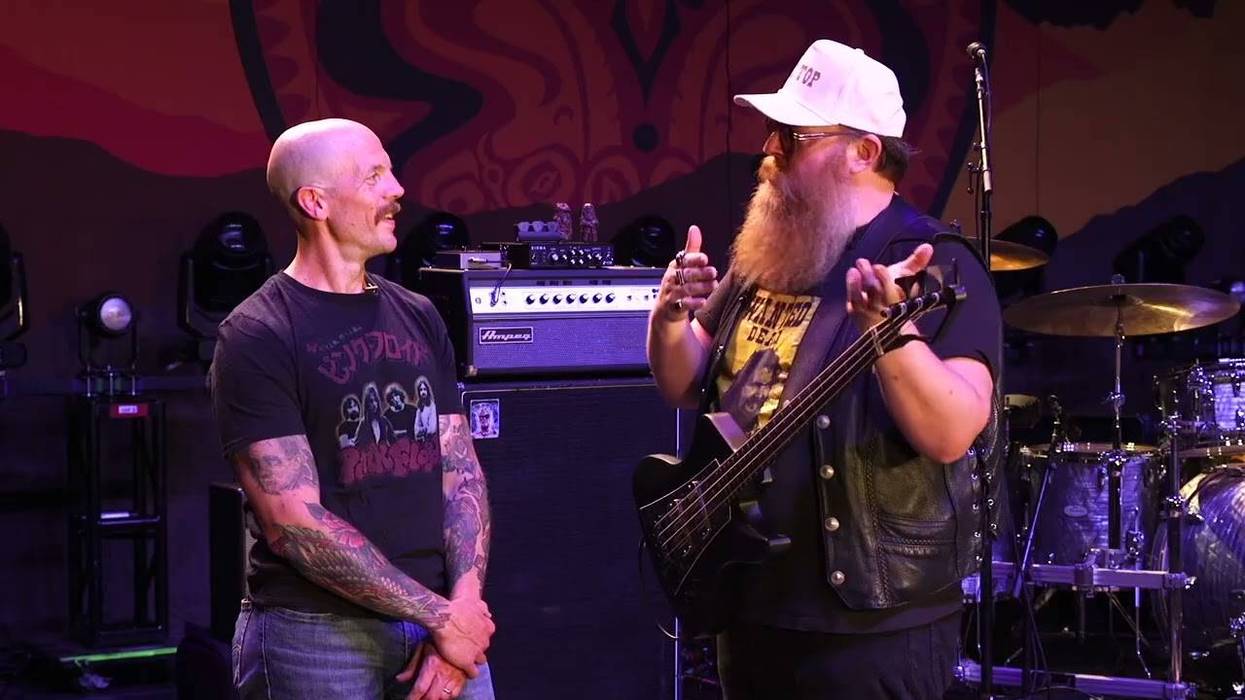
Back in April, southern-rock staples Gov’t Mule rocked the Pinnacle in downtown Nashville, and before the festivities, PG’s Chris Kies hung out with bassist Kevin Scott to take a closer look at the low-ender’s rumbling rig. Later, Kies also sat down with bandleader Warren Haynes for an extended yarn session; that interview forms part two of this special Rig Rundown. Check out the highlights of Scott’s gear below, and queue up the video for all the details!
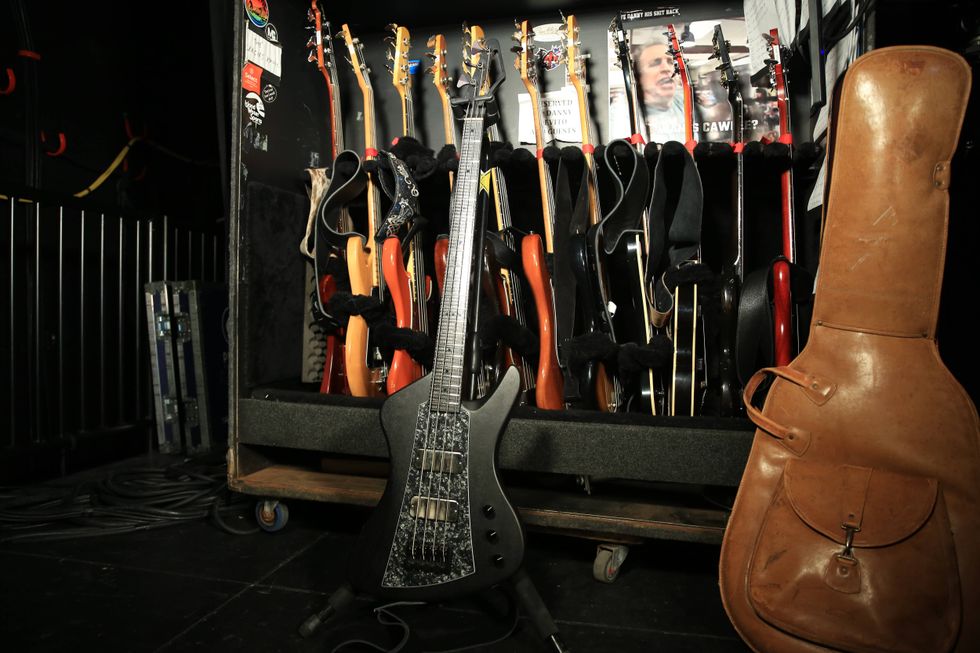
This is Scott’s signature Aluminati Guitar Co. Helios bass. Scott puts Avedissian Pickups, built in Atlanta, in all of his basses, including this one. It has a P-bass-style neck pickup in a T-Bird housing, and a T-Bird Soapbar in the bridge. He uses Dunlop strings, including nickel, flatwounds, and hybrid sets.
Slammer From ’62
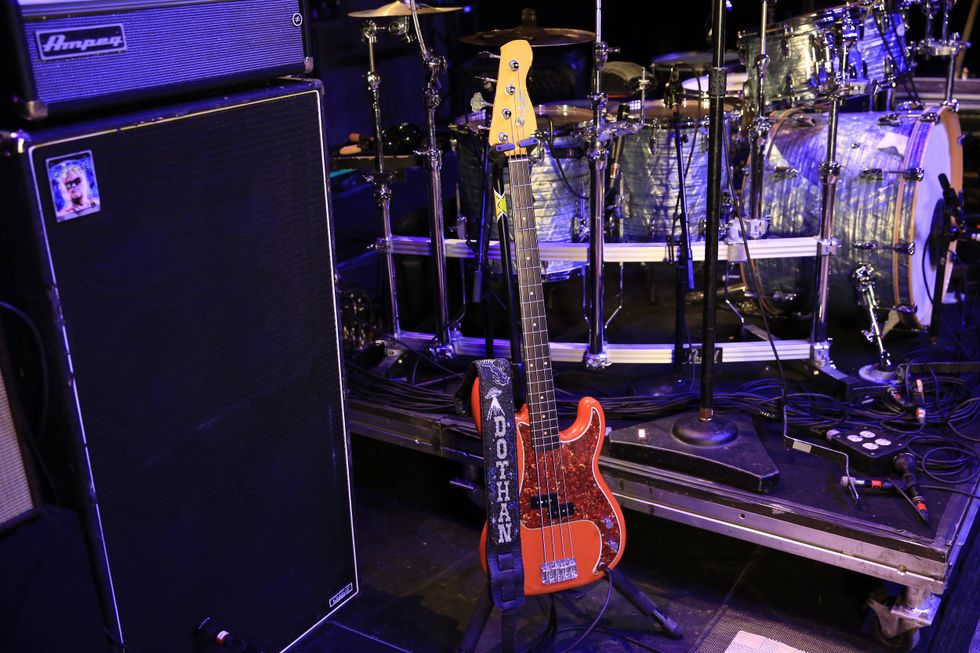
This Korea-made Moollon P bass, modeled after a 1962 Fender, has an ebony fretboard and era-correct appointments, down to the amount of zinc in the metal, according to Scott.
Double-Headed Beast
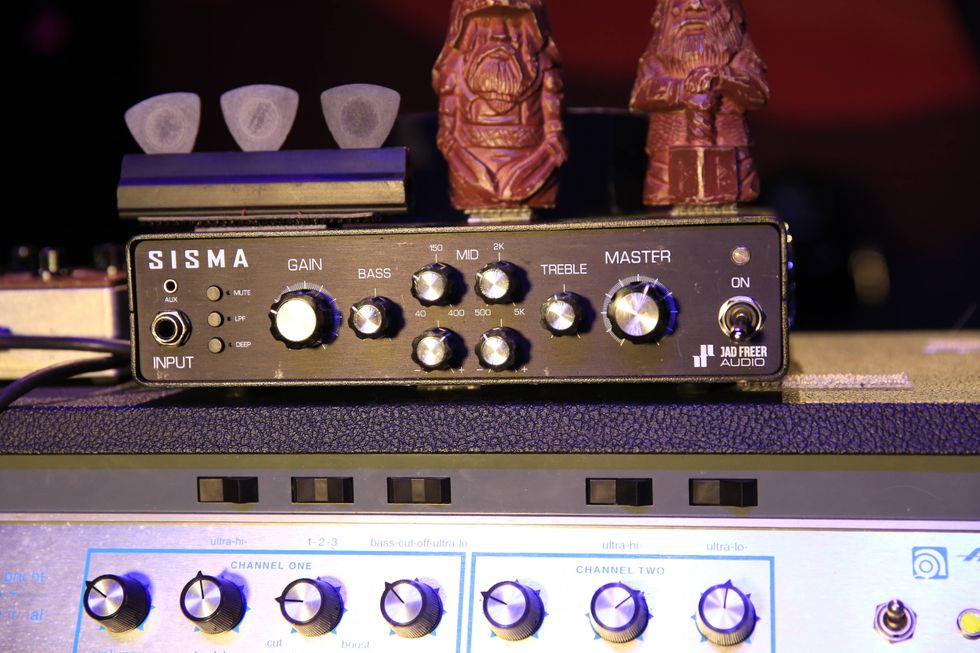
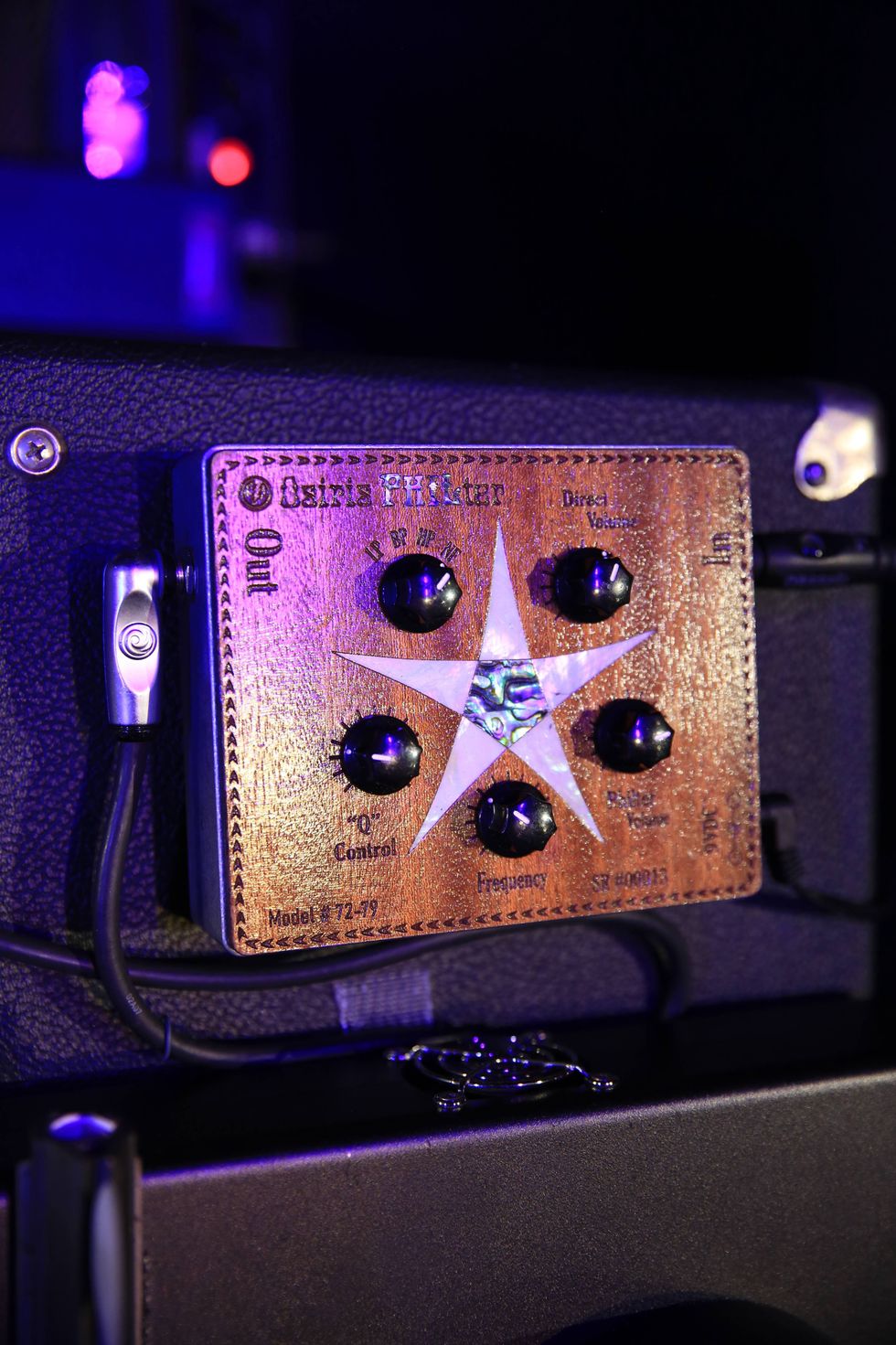
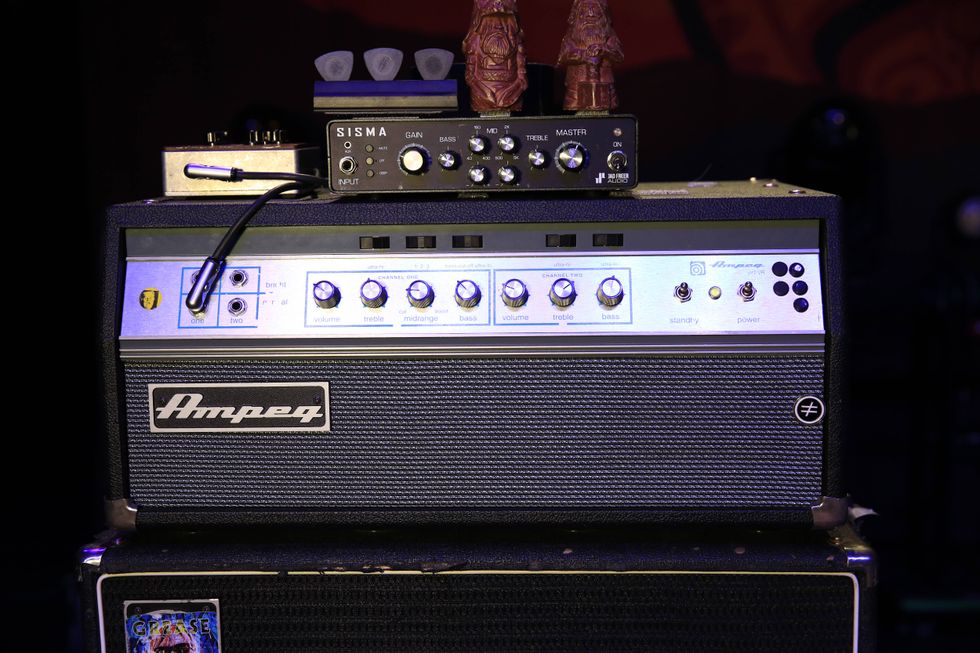
<p>Scott runs through an Ampeg SVT-VR head and matching cab, with a Jad Freer Audio Sisma head on hand in case he wants more control over his EQ that the SVT offers. An Osiris PHILter pedal lives on the amp setup and helps fine-tune the sound.</p>
Kevin Scott’s Pedalboard
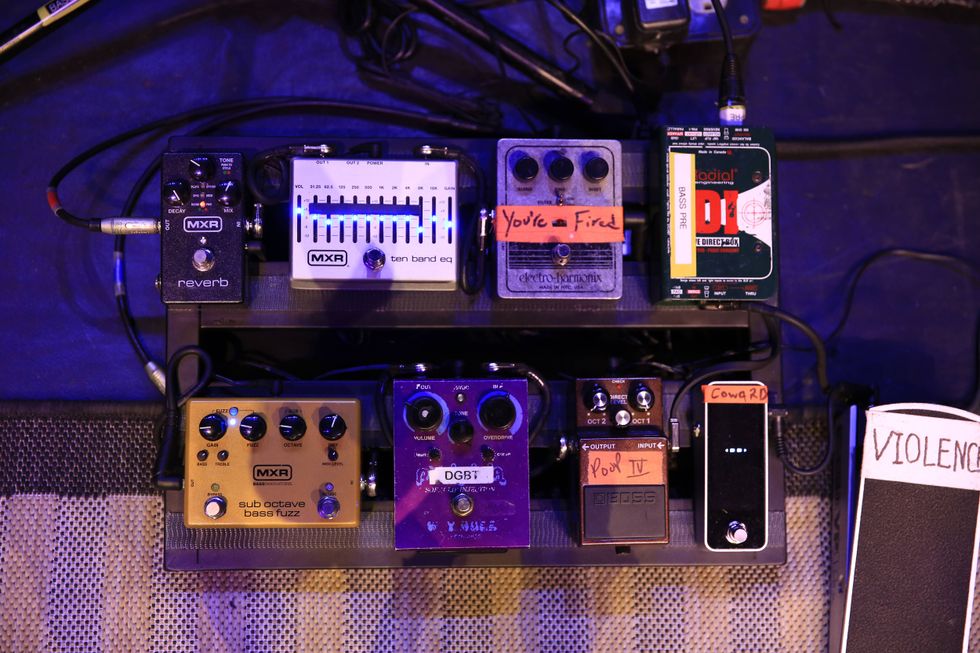
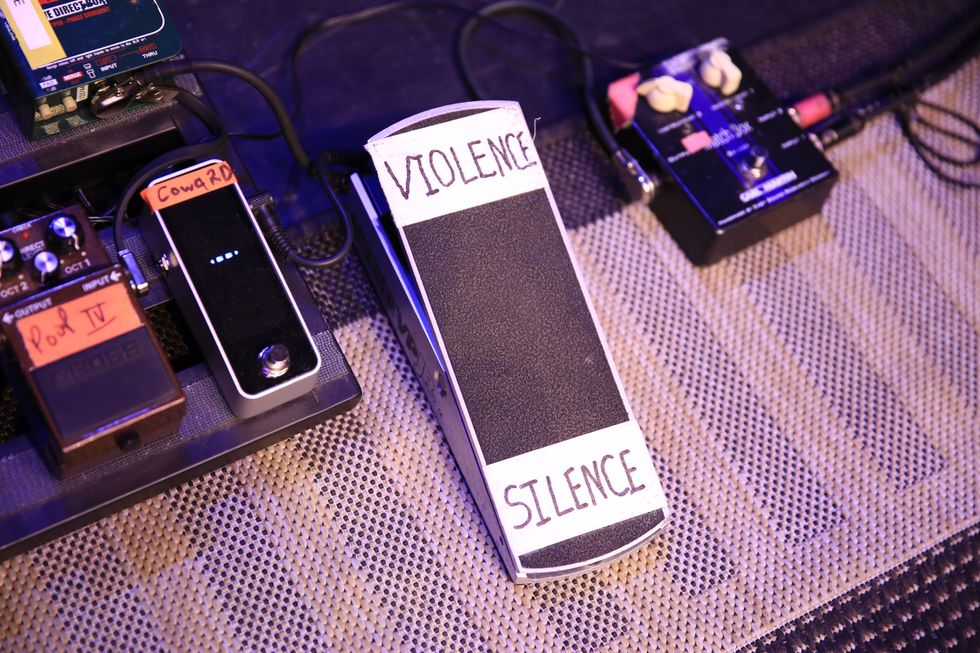
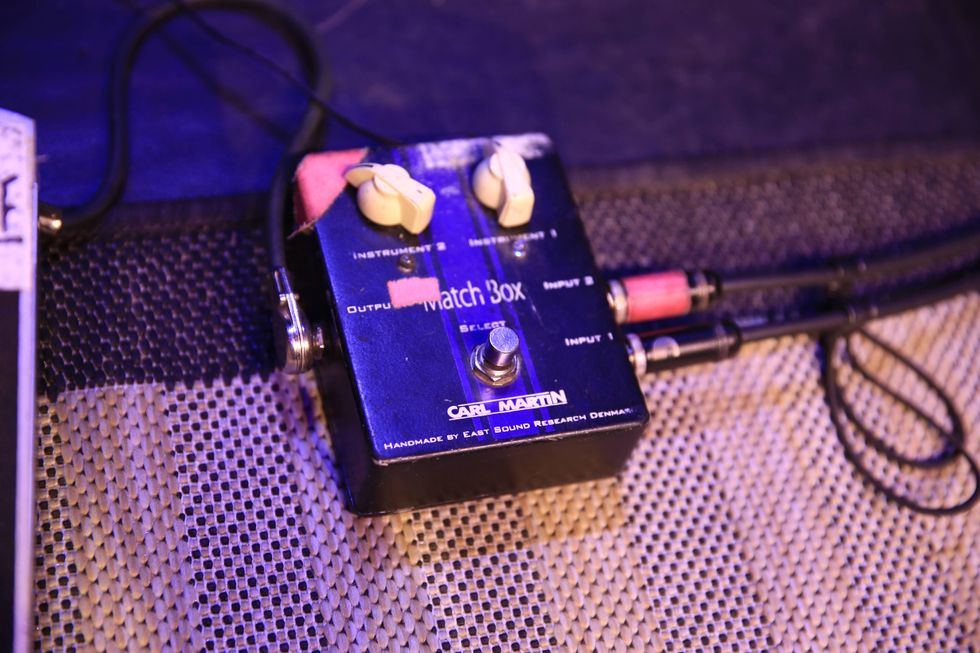
<p>Scott’s board packs a D’Addario Chromatic Pedal Tuner, Radial DI, <a href="https://www.premierguitar.com/tag/boss?utm_source=website&utm_medium=link&utm_campaign=Smartlinks">Boss</a> OC-2, Electro-Harmonix Frequency Analyzer, Way Huge Pork Loin, MXR Sub Octave Bass Fuzz, MXR Ten Band EQ, and MXR Reverb. Off board, there’s an East Sound Research Carl Martin Match Box and an Ernie Ball VP JR.</p>
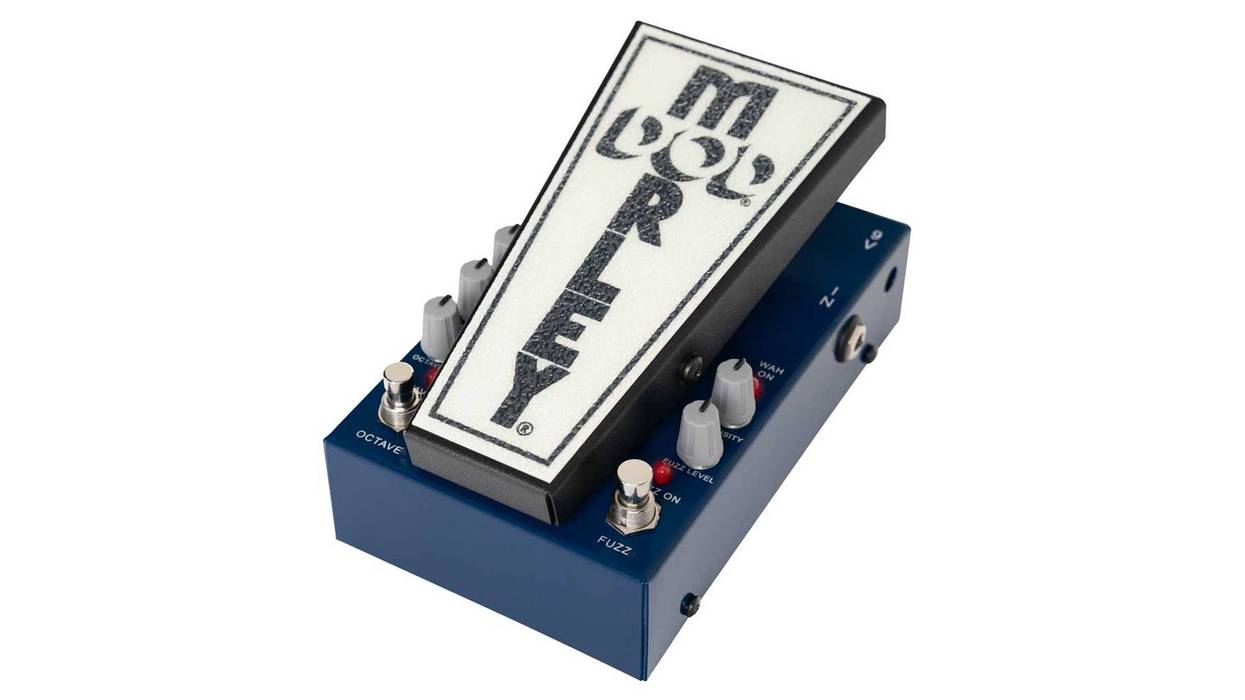
Legendary effects manufacturers DOD and Morley have united to create something truly remarkable: the Wah-ocTo-Fuzz™ pedal. Available now worldwide through local retailers and online, this innovative device answers the call of musicians looking to combine classic sounds by masterfully harmonizing three distinct effects into one unit. The pedal achieves this by blending DOD's iconic 80's FX35 Octoplus circuit with Morley's timeless 70's wah and fuzz circuits. The result is a pedal that simply leaves players saying, "WTF!".
Designed to ignite creativity for guitar, bass, and keyboard players alike, the Wah-ocTo-Fuzz™ empowers musicians to use a singular effect or combine one, two, or all three simultaneously. The octave section utilizes the DOD FX35 Octoplus circuit to produce a classic analog octave blend that channels the captivating, glitchy essence of the 1980s. Players can easily sculpt this sound using the Direct Level to control the dry signal output, the Tone Control to adjust the overall brightness, and the Octave Level to dictate the lower octave signal.
The wah section boasts Morley's classic Electro-Optical design and features convenient switchless operation; users simply step on the glow-in-the-dark treadle grip to instantly engage the wah effect. Finally, the fuzz circuit draws inspiration from the timeless sounds of Morley's 1970s era, offering an Intensity Level knob to control the gain of the fuzz effect and a Fuzz Level knob to manage your overall signal when the fuzz is activated.
Built for maximum protection, the WTF pedal is housed in a rugged and lightweight Cold-Rolled Steel chassis. It also features a premium Morley buffer circuit designed to protect your tone from any mischief in your signal chain.
The new Wah-ocTo-Fuzz pedal features standard 1/4" instrument jacks for both its input and output connections. For power, the unit operates using a standard 9VDC 300 mA center negative power supply, utilizing a standard +9V DC tip-negative barrel jack. Alternatively, it supports standard 9V battery operation that is easily accessible via a quick clip battery door. Physically, the pedal measures 6.86 inches in length, 4.23 inches in width, and 3.88 inches in height, with a total weight of 2.27 lbs. (1.03kg). Finally, the Wah-ocTo-Fuzz is backed by a 1-year warranty.
For more information on the new DOD and Morley Wah-ocTo-Fuzz, please visit www.digitech.com.
For the past decade, Gitga’at Ts’msyen musician Jeremy Pahl had been performing under the moniker Saltwater Hank, a known and beloved commodity in Canada’s blues and roots communities. A few years ago, he started yearning for something different, something heavier and harder. It was around that time that one day, mid-conversation, an elderly member of his community hit him with some blunt criticism: “You know, that name Saltwater Hank is kind of dumb.” Pahl’s friend reasoned that, since he was singing in Sm’algyax, their people’s language, he ought to have a name from the language, too. This “cousin-uncle” suggested a new name: G̱a̱mksimoon. Pronounced “gum-ksi-moan,” the word means “water spout” or “sea tornado.”
Gyiin Naxnox, G̱a̱mksimoon’s inaugural record, opens with the fantastic, mountain-moving twin powers of ancestry and rock ’n’ roll: A recording of the voice of Ts’msyen and Nisga’a anthropologist William Beynon rolls at the outset of opener “‘Wiileeksm Yee,” and Pahl’s Gibson Explorer shivers and squeals with feedback through his Orange TH30. The squalls give way to towering chords, bursting under a fuzz pedal, that soundtrack a song welcoming the salmon into the rivers of Ts’msyen territories. On “G̱awoo Üüla,” the high-flying cries of seagulls herald the voice of another Ts’msyen elder, before a gunshot cracks the scene and a monstrous, moss-covered riff stomps to the forefront. “‘Nüüm La̱xyuubit a” is a brilliant slice of methy Motorhead metal, then there’s the stoner-rock opus “Moolks,” which clocks in at over eight minutes. (The next track, a sliver of hardcore, takes all of six seconds, a nod to Napalm Death’s one-second-long “You Suffer.”) The voices of Ts’msyen elders—Darlene Leland, Velma Nelson, Theresa Lowther, and Ellen Mason—are heard across the record. They were the women who taught Pahl how to read, write, and speak Sm’algyax.
“The thing that I’m trying to convey is that the supernatural is actually just the natural.”
The record’s title—Gyiin Naxnox—means “feeding the supernatural” in English. But Pahl has a different idea about what “supernatural” means. “The thing that I’m trying to convey is that the supernatural is actually just the natural,” he says from his home in Terrace, British Columbia. Colonialism in North America fractured our relationships with the land around us, to the extent that the coincidence of certain natural events—like a certain species of bird appearing at precisely the right time to harvest berries—would scan as preternatural. “All of this stuff seems like magic, because there’s not an empirical data set that’s telling us when each of these things are happening, but with us living in the same place for thousands of years, it makes sense to us,” explains Pahl.
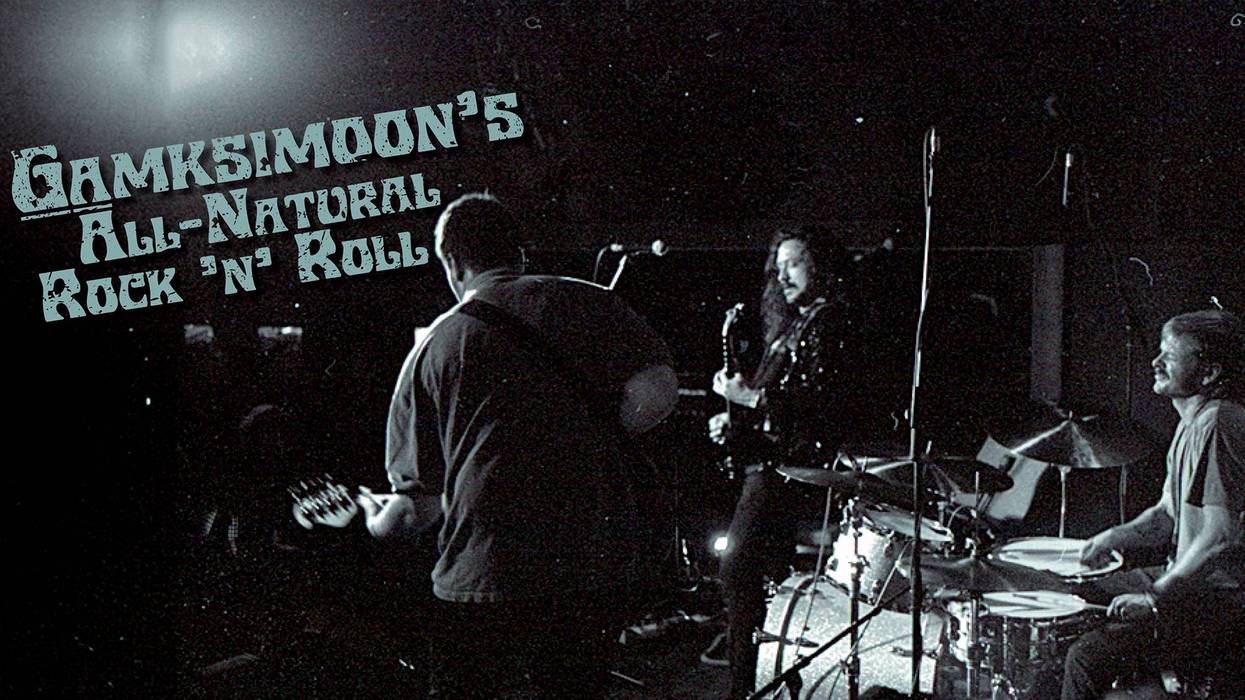
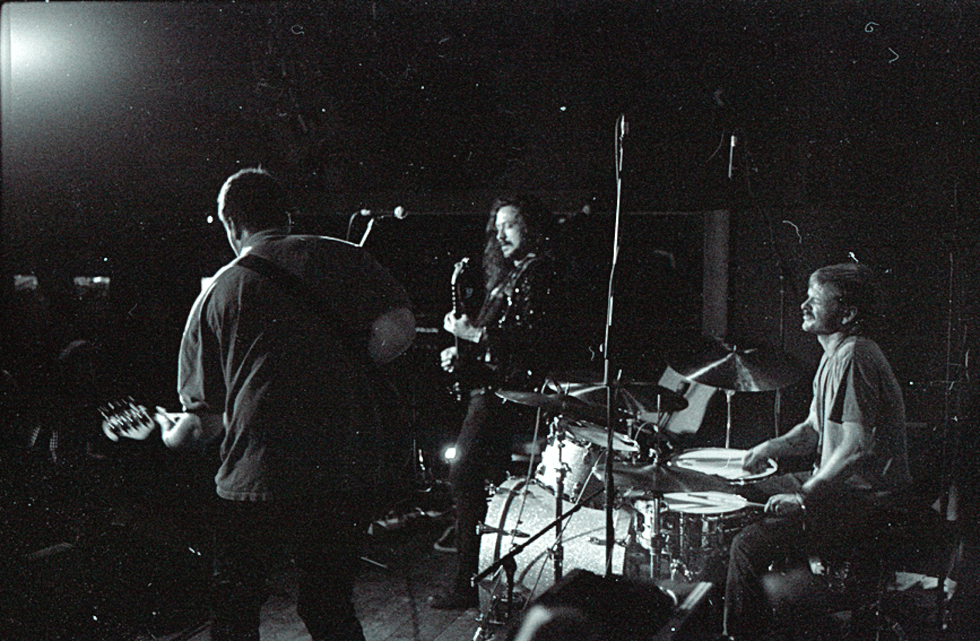
Pahl and his trusty Explorer hold court between bassist Karl Wyssen and drummer Danny Bell.
Photo by Theo Story
In his teens, growing up in Chilliwack, British Columbia, Pahl was a punk-metalhead hybrid, mastering Reign in Blood for fun with an Ibanez IC400 and Peavey Bandit combo. Dimebag Darrell, Daron Malakian, Death’s Chuck Schuldiner, and Emperor’s Ihsahn were critical teachers in those years. As time went on, he was pulled to the softer sides of guitar music—bluegrass, country, and classic rock were where he made a name for himself as Saltwater Hank. And besides, bluegrass licks felt like a mirror image of death-metal shredding, but in a major key and without all the distortion.
When Pahl saw the documentary Rumble, which spotlights the contributions of Indigenous rock ’n’ rollers, he felt an itch to make heavier music again. Around that time, he was helping repatriate recordings of Ts’msyen traditional songs that had been gathering dust in museums, far from their people. “I got to hear firsthand what pre-colonial Ts’msyen music sounded like,” says Pahl. “A lot of our traditional melodies have a bluesy cadence to them already. I was like, ‘Man, this is perfectly transferable to rock ’n’ roll.”
“A lot of our traditional melodies have a bluesy cadence to them already. I was like, ‘Man, this is perfectly transferable to rock ’n’ roll.’”
Ts’msyen songs are protected under a system that Pahl describes as his nation’s own stringent reproduction and copyright laws, so he used the inspiration from them to write his own—except these were set to mammoth, hulking guitar riffs. Pahl, bassist Karl Wyssen, and drummer Danny Bell recorded live off the floor and direct to tape at Afterlife Studios in Vancouver. Looseness—a flubbed note here or there, a waver in the tempo—is part of the work. “I’m a human being, and that’s gonna be the best that I’m gonna do, and there’s nothing wrong with that, you know?” says Pahl. “To us, that just feels the best.”
Jeremy Pahl’s Gear
Guitars
2008 Gibson Explorer w/ Stonewall Pickups Slutty Wolf H90 set and added Bigsby
Gyiin Naxnox (Feeding the Supernatural) is Ts’msyen musician Jeremy Pahl’s first record under the name G̱a̱mksimoon.
Pahl used his 2008 Gibson Explorer, loaded with Stonewall Pickups’ Slutty Wolf H90 set and a Bigsby that he installed himself. Live, he plays through an Orange Rocker 30 and a vintage Fender Bassman cab with Jensen C12s, but at Afterlife, recording Gyiin Naxnox, small amps were used to produce big sounds. A vintage Magnatone combo and a ’60s Fender Vibrolux—both dimed—were recorded simultaneously; the duo is responsible for the record’s gnarliest tones, says Pahl. In addition to his go-to stomps—a Sleep Champion Devices Horse Cult, Fulltone OCD, DOD Rubberneck, and Ibanez GE 9—an EarthQuaker Devices Life Pedal tapped in for some vast, droning soundscapes. As G̱a̱mksimoon, Pahl—called Wil Uks Batsga G̱a̱laaw in Ts’msyen—is building a new musical tradition on hallowed and ancient practices. Listen to Gyiin Naxnox, and you’ll hear the bluesy, rootsy churn of “Lag̱ax Ba’wis” erupt into hypnotic, crushing doomgrass. (A shorter, folkier version of this track appeared on a 2023 Saltwater Hank record.) Read along with Pahl’s translations while you take in the proto-punk knife-fight of “K’ap Ha’yin,” and you’ll learn how the Ts’msyen living in Prince Rupert rioted in 1979 against police brutality. The melding of these two worlds—English and Sm’algyax, crushing riffs and ancestral knowledge—might seem novel to an outsider. For Pahl, it’s just natural.
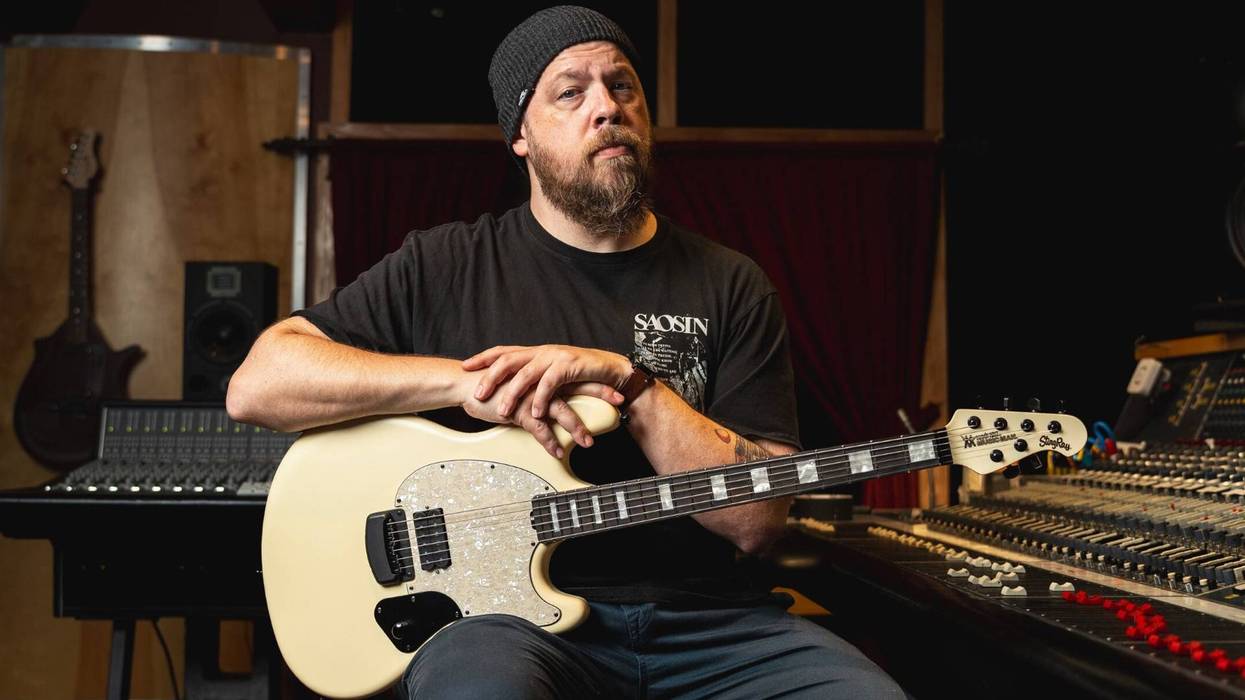
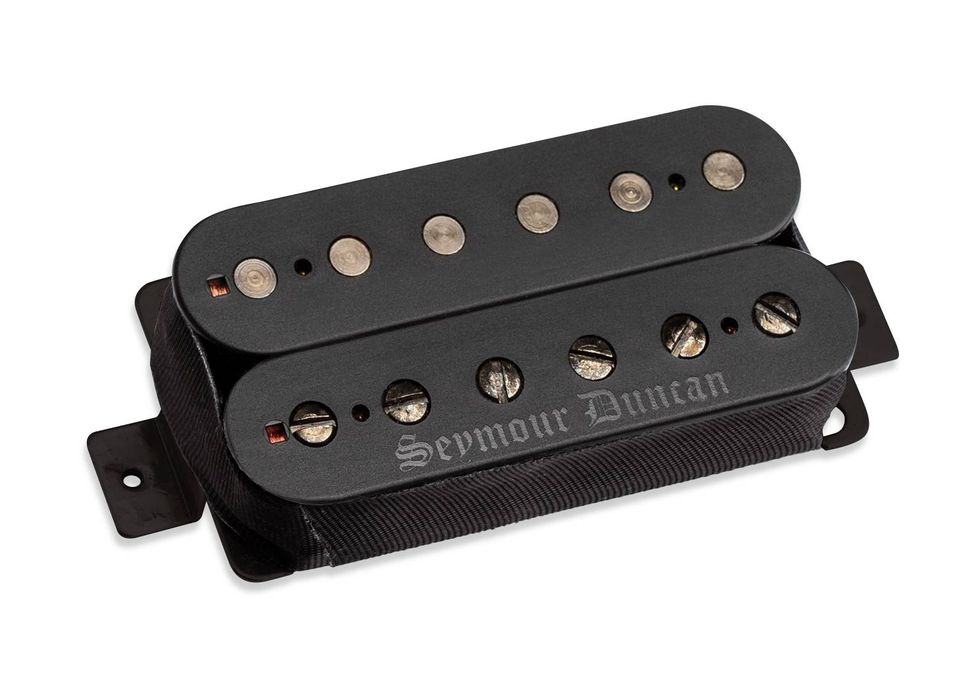
Seymour Duncan has introduced the Ryan “Fluff” Bruce FLF Model Humbucker. Built for modern high gain, with a throaty midrange and percussive bite nail aggressive drop-tuned rhythms, Fluff’s pickup has a smooth, buttery top end keeps leads expressive and musical.
The FLF Model is sonically inspired by two of Fluff’s all-time favorite pickups: the iconic JB Model and the aggressive Black Winter. Using a coil from each of these classic Seymour Duncan humbuckers, Fluff and the custom shop team found that an Alnico 4 bar magnet created the perfect tonality, edge, and punch he was looking for.
The FLF Model is optimized for aggressive drop-tuned rhythm playing and built for modern high-gain applications. The FLF Model provides the punishing attack and crunch that Fluff’s playing demands. Rolling down the volume knob brings out a mellow clean chime, giving Fluff a dynamic range of sounds - all in one pickup.
This signature humbucker is the voice behind Dragged Under and Fluff's limited-edition Artist Series StingRay by Ernie Ball/Music Man. The pickup includes black nickel studs and screws, matte black bobbins, black Olde English Seymour Duncan logo, short mounting legs, and 4-conductor cable, DCR = 16.6.
Seymour Duncan’s FLF Model carries a street prive of $180. For more information visit seymourduncan.com.