
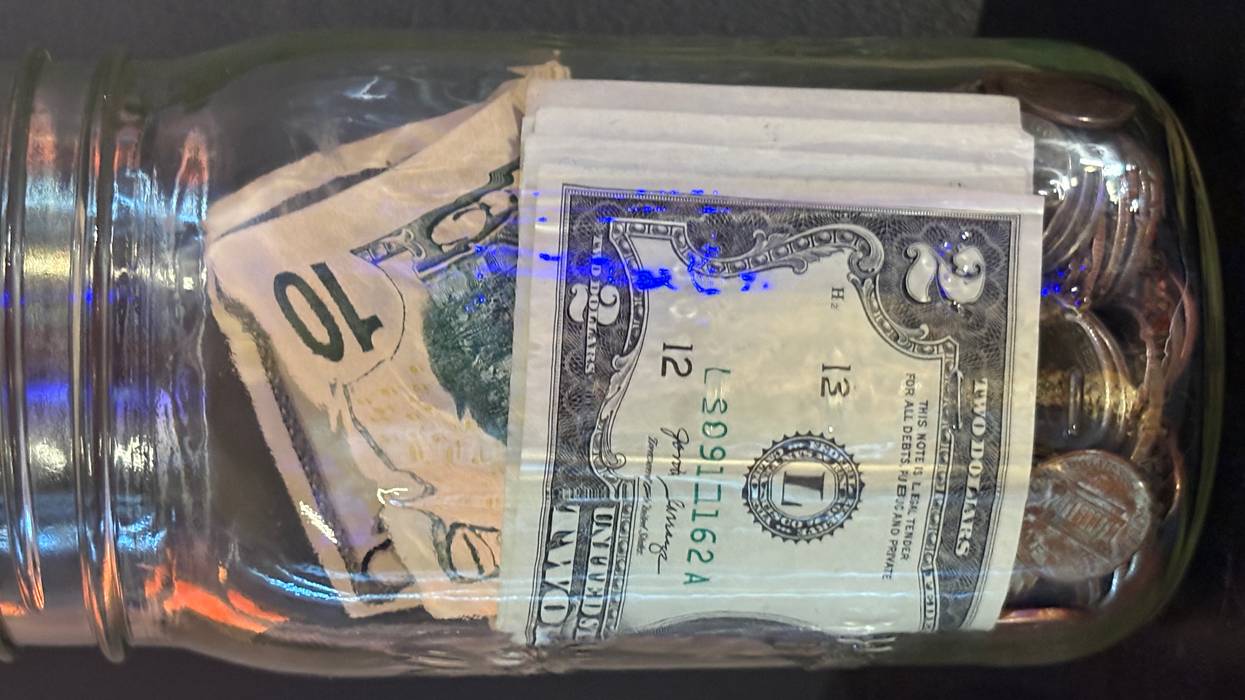
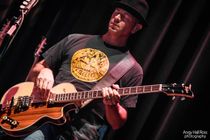
When I was 15, I played my first “paying” gig. The event was a pool party at NAS Oceana in Virginia Beach, hosted by a classmate from school. We had a three-piece band, and we were paid $100. We had to rent a PA, which was $70. We equally divided up that last 30 bucks and smiled, as we could finally say we were getting a return on all the time and expense we put into our craft. Who am I kidding? At 15, $10 was like a pan of gold. I did feel a sense of real accomplishment, though, knowing I could make (some) money playing music.
I’ve been very lucky to have some great mentors. I was advised on many aspects of my musical journey, except for one thing: money. It seems that salaries and pay scales in the music world are akin to CIA secrets, known to only a privileged few. There is a delicate balance between the gig vs. the paycheck, and sadly, as musicians, I feel we routinely fall short in sticking up for ourselves.
Why is that? Why do we feel we can’t ask for what we need? We worry we’ll lose the gig, and we see a small fee as better than no fee at all. Then the cycle starts.
Before we start to break that cycle, let’s talk about reality vs. expectations. I understand there’s a wide range in pay and types of gigs, so let’s grab some basics. The local “bar” gig pay hasn’t changed in 50 years. One-hundred dollars per player has been some kind of standard for half a century, and bar owners are still hanging on to it. (Can we see this go up, please?) Some gigs, of course, pay more—and a lot pay less.
For these gigs (and any gigs), you must ask yourself what your goals are. Are you trying to make this a regular gig? Are you here for networking? Are you doing it for the love of the game? Once you figure these things out, you can set your personal goals and manage your expectations.
Now, the reality. Money in our business is difficult to gauge. We think we have a pretty good paycheck, then we hear of another band with less audience draw being paid more. The same happens on artist gigs. Every artist is different, but knowing the playing field is a great way to level it. Bar owners, managers, and promoters won’t just throw money at you because you have great hair. You have to ask for that raise, and have good data to back up that ask. And remember, you always have the option to leave if the situation doesn’t work for you.
“Management, venues, and artists are in business to make money. So are you.”
Let’s say you want to take the show on the road. What does that pay really look like? Again, this is that CIA-level anomaly with a wide variation of pay. Here in Nashville, expect different compensation levels when you tour, and decide what you’re comfortable accepting. A new artist can earn from $150-$300 a show, and a more established one can start at $300 and go up from there. Legacy acts can push to $600-$800 or more. It all depends on the number and size of the shows, as well as travel day pay, per diem, and hotel accommodations.
Something to remember is that you are not the artist. You’re a hired gun and paid to do your job. There will be financial disconnect, which for some is difficult—especially if the artist is making $2 million gross a night and the player $1,500 (these numbers are from a true story). Again, your name is not on the marquee, so manage your expectations and proceed.
Even though Nashville is the country music “hub,” a lot of people that tour in the rock world live here as well. Some have said they won’t go back to playing country music again, simply because of the general approach and difference in pay. Again, that all depends on the artist or act. I’ve heard of “legacy” rock acts paying below country new artist wages. Remember, the grass is always greener, but it’s just as hard to mow.
Management, venues, and artists are in business to make money. So are you. Remember that. I’m not trying to scare you away from being a musician; there are entities out there that will treat you fairly and pay you well. If you have a proven track record and real experience under your belt, you’re worth more than you think. You just have to remember that nobody loves you like you. Stand up for yourself.