

I was plugging away in my home studio recently and realized I needed to tune my bass. Within arm’s reach I have a rack tuner, a pedal tuner, and even a few clip-on tuners, but since my hand was on the mouse, I pulled up a tuner plugin within my DAW. The aesthetics on the tuner were great, from the pseudo brushed steel “housing” to the wide, beautifully visible strobe that danced nicely until I found my pitch. It was clear that out of the several DAW tuners I have, this one felt like someone wanted to give it a little more design attention than the others.
It’s a tuner. I get it.
What I also understand is marketing. My degree happens to be in marketing (world-traveling bass player was not one of the options at my college - I had to conquer that on my own), and as I spent many hours filling the plastic seats of my classrooms, I gained an understanding of how we are “nudged” toward certain products and when it comes to buying things, our eyes tend to drown out our other senses.
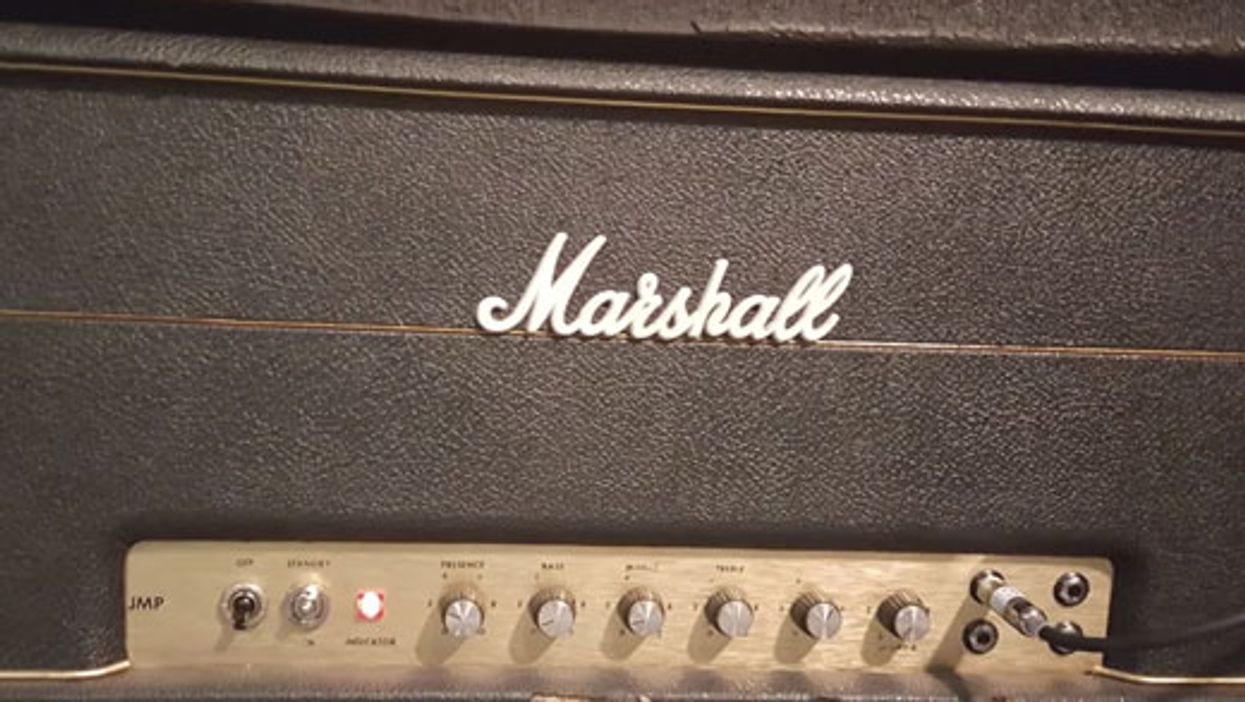
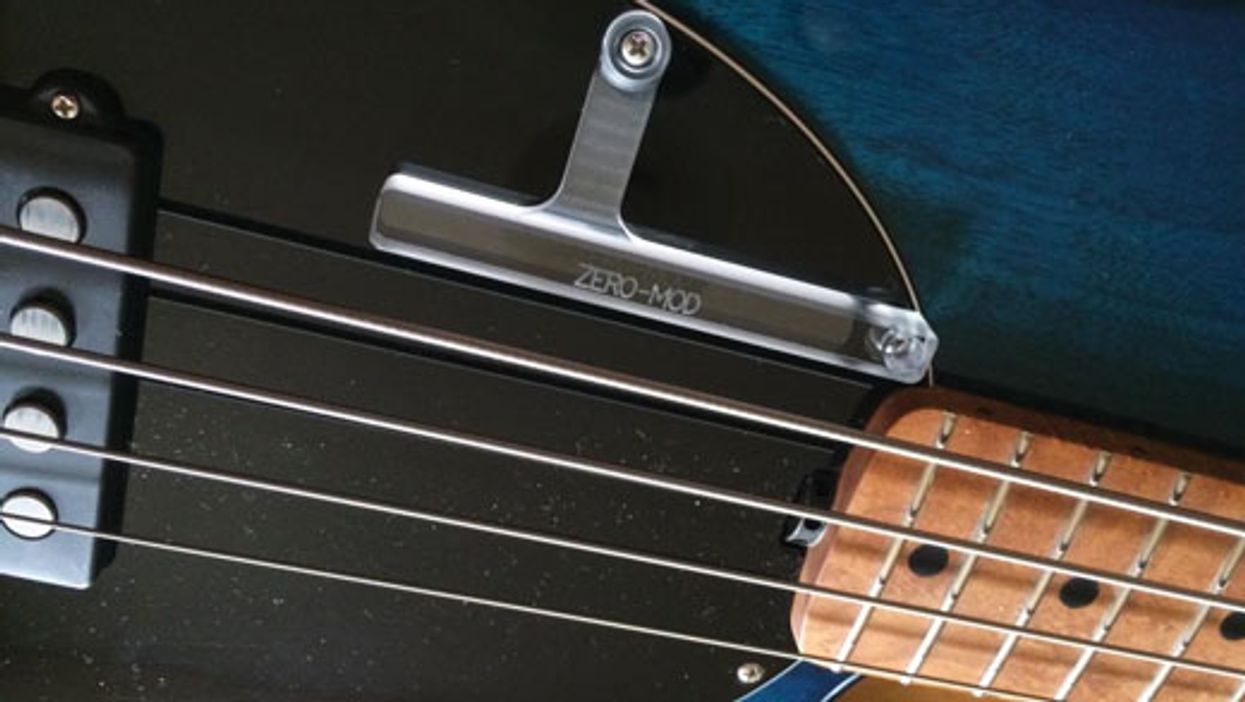
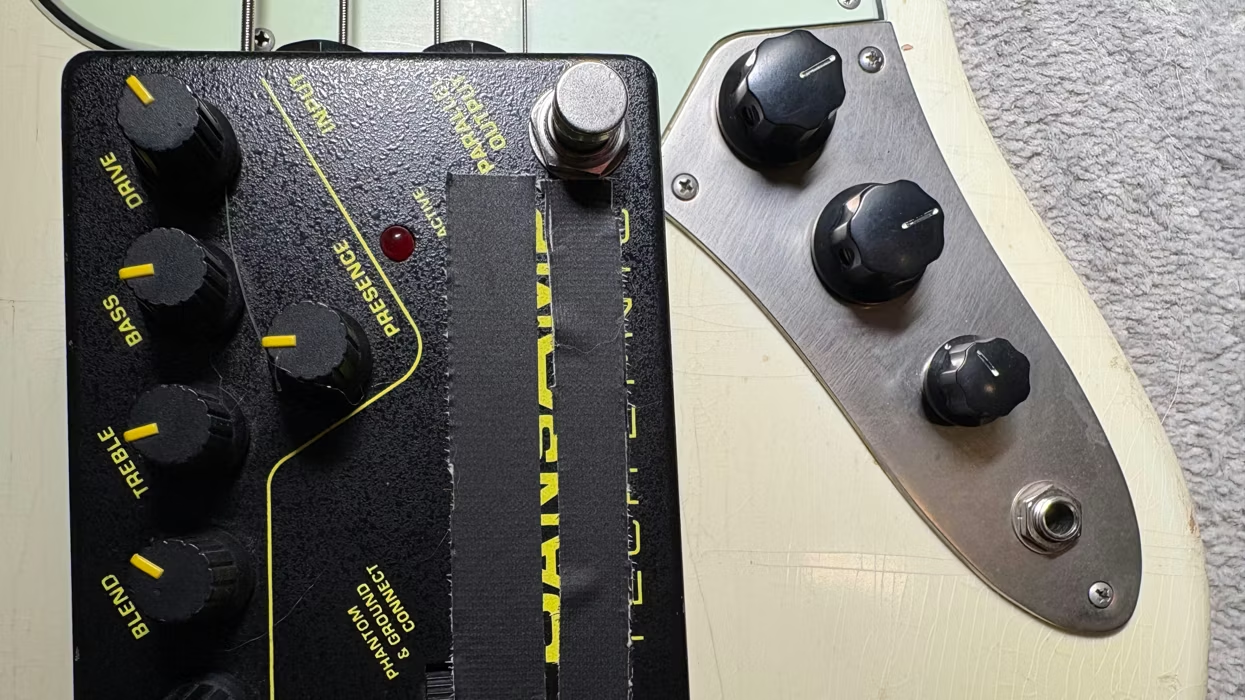
The MI (musical instrument) business is no different. Bass, amp, and pedal companies are all vying for your cash. They know what you are into. Or at least they think they know. They spend a lot of time designing products, sometimes for themselves, sometimes for the consumer. Either way, they are looking for an edge. There is a lot of trial and error, of course, and sometimes our eyes choose a product over all our other senses. Every company wants their product to stand out. Some follow trends and design for the current market (remember the relic’d guitar war of ‘14?), while others stick to their look forever (much like my dad’s haircut), come hell or high water.
“How many times have you turned your nose up at a particular amp based on the name plate or a guitar for its headstock shape?”
How many times have you turned your nose up at a particular amp based on the name plate or a guitar for its headstock shape? How often are we brand-biased and not sonically driven? Often, I think.
When I moved to Nashville two decades ago, I auditioned for a touring indie artist, and thankfully landed the gig. Before the tour, the MD took me aside and said he wanted to see a P-bass in my hands, not the active 5-string I used in the audition. I had other passive 4-strings that were great, but no, he wanted a P. After settling in town, I also learned that producers were looking to see a certain name on the headstock, no matter the tone or pedigree of the bass being played.
There is certainly an argument for a “tried and true” tone formula; however, I know some bass players that can track master recordings with a broom handle and twine, headstock shape be damned. We shouldn’t let a logo run our lives. I like certain features, I like certain tones, and I also like to root for the underdog. We certainly should give all instruments a fair trial before finding them guilty of not being ‘good’.
I have a $10 no-name garage sale bass that I have used on recording sessions. I’ve seen your favorite bands filling arenas running original red Line 6 “bean” PODs and dummy cabinets onstage. If you are using your ears instead of your eyes, you may free yourself a bit.
Variety is the spice of life. No doubt. We aren’t in a Henry Ford era where all the guitars are simply one design, one pickup, and painted black (and thankfully so). We have different musical needs and tonal requirements, so we inevitably search for “the sound,” or the workhorse, or the feature-packed entity that will quench our thirst. We have limitless wood/electronic configurations at our mail-order beck and call, and in the same breath, it is very easy to become a trail horse and only see what we want to see.
Do yourself a favor: go to a local store and pick up an instrument or try a brand you have ignored in the past. Close your eyes and listen. You may be surprised.