

For as long as I can remember in my career as a musician, I’ve wanted to be an artist. Even though, like most teenage fans of music in the ’90s, I would pore over magazines, seeing the likes of Lee Sklar, Victor Wooten, and Pino Palladino playing on the biggest albums, with the greatest gear, and on the most intense tours, there was always something more that I wanted out of the music and out of the time I was investing in my instrument.
Fast forward to the year 2000, and music as a career is now a reality. I’m living in New York, hustling day and night to meet as many people as possible and put myself in as many different musical situations as I can. The thought of being a recording artist and having something to say was always the thing I admired in my heroes, and it was what I was starting to think about constantly in my early 20s as I practiced and wrote music all day and went to gigs and jam sessions until the early hours of the morning.
What I needed was a method for getting out of practice and writing mode and into recording and releasing mode. In the end, it happened totally by chance. I had struggled for a few years to make a record I was happy with and would be proud to release. In fact, I made four full-length records that, to this day, still sit on various forms of outdated media like tapes and ADATs. They have never seen the light of day and never will. I just couldn’t get to the end of the process, no matter what I tried.
“This ended up being the motivating element I had been missing all along: urgency.”
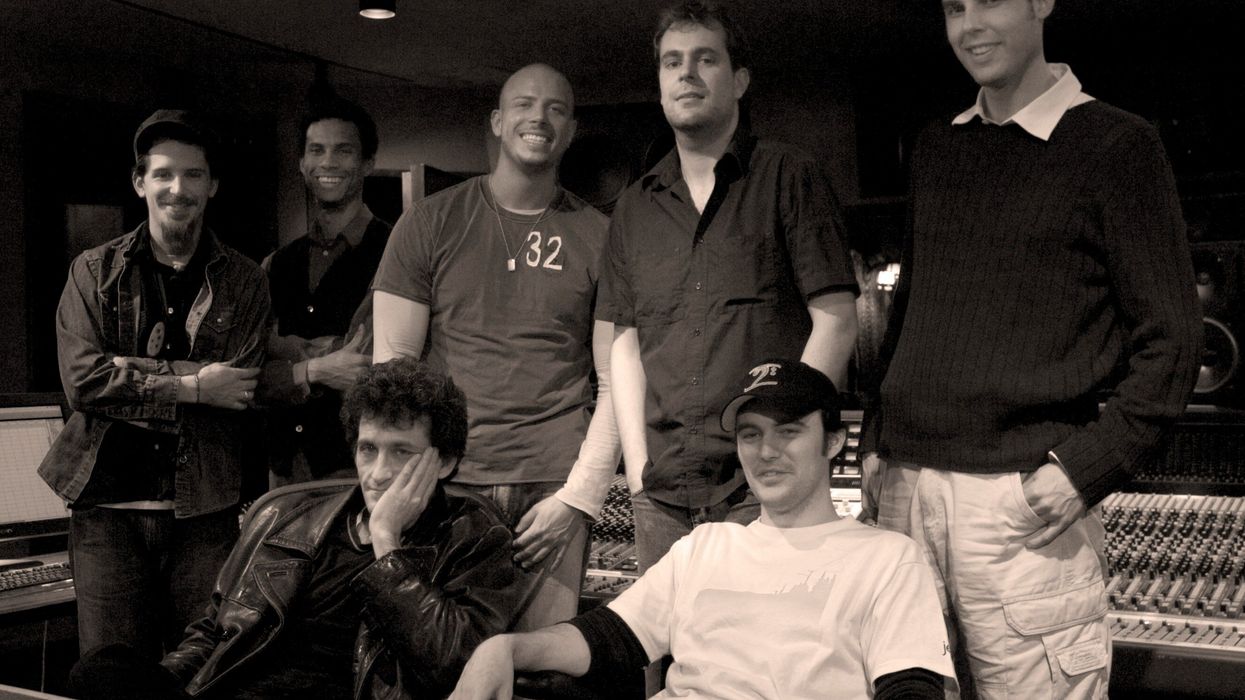
Then came 2004 and what would become my debut album, Mystery to Me. I started to set time limits for myself, restrictive frameworks for the process, and ultimately a release date for the album without any music being written. I also started to hire musicians and engineers and book studio time. This ended up being the motivating element I had been missing all along: urgency.
There was no way I was going to waste people’s time or burn an expensive studio session because I wasn’t prepared. And with the constraints on the process I had set myself—such as recording the album live in one take with a studio audience because I couldn’t afford multiple days of studio time—it started to focus the mind more than ever before.
I not only booked all the musicians and studio time, but I took a tour that started five days after the session. We rehearsed on Wednesday, tracked on Thursday, listened to the tracks on Friday, mixed the album Saturday, and mastered it on Sunday. On Monday, I got on a plane to Vienna to start a tour, and the CDs of the album showed up in Frankfurt 10 days later, ready to sell on the road.
Setting that urgency helped all the pieces fall into place and gave me no choice but to focus, enjoy the process, and make the most of the resources and personnel around me.
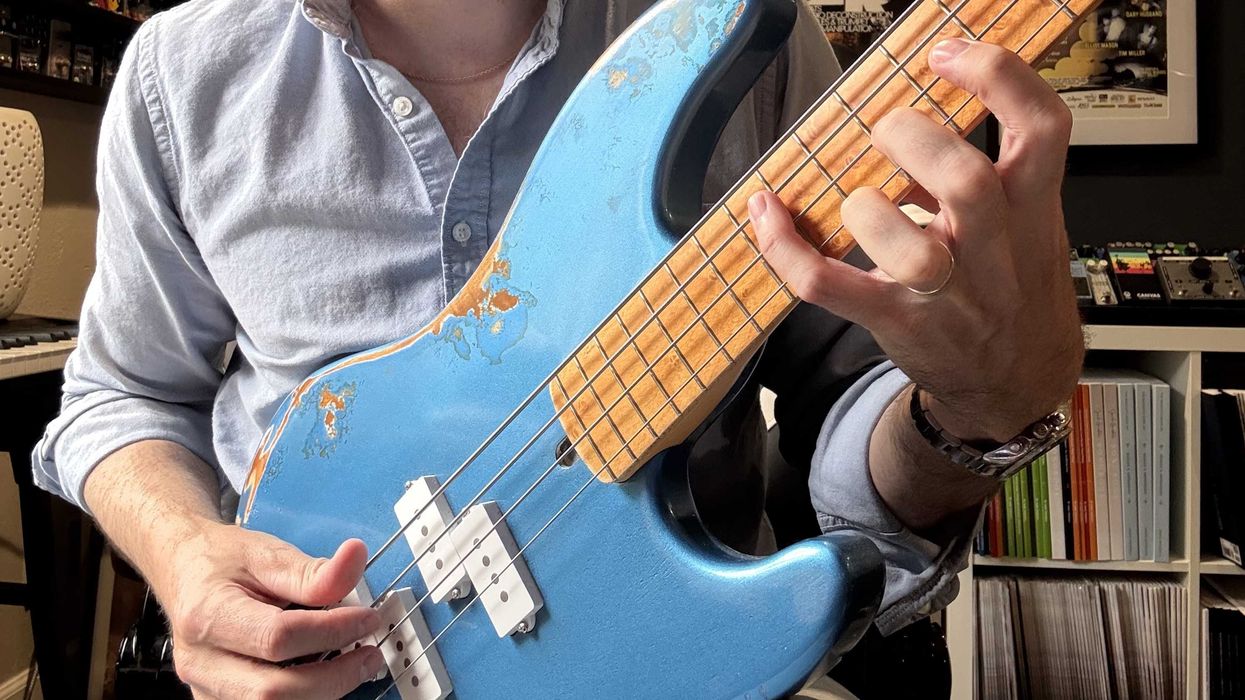
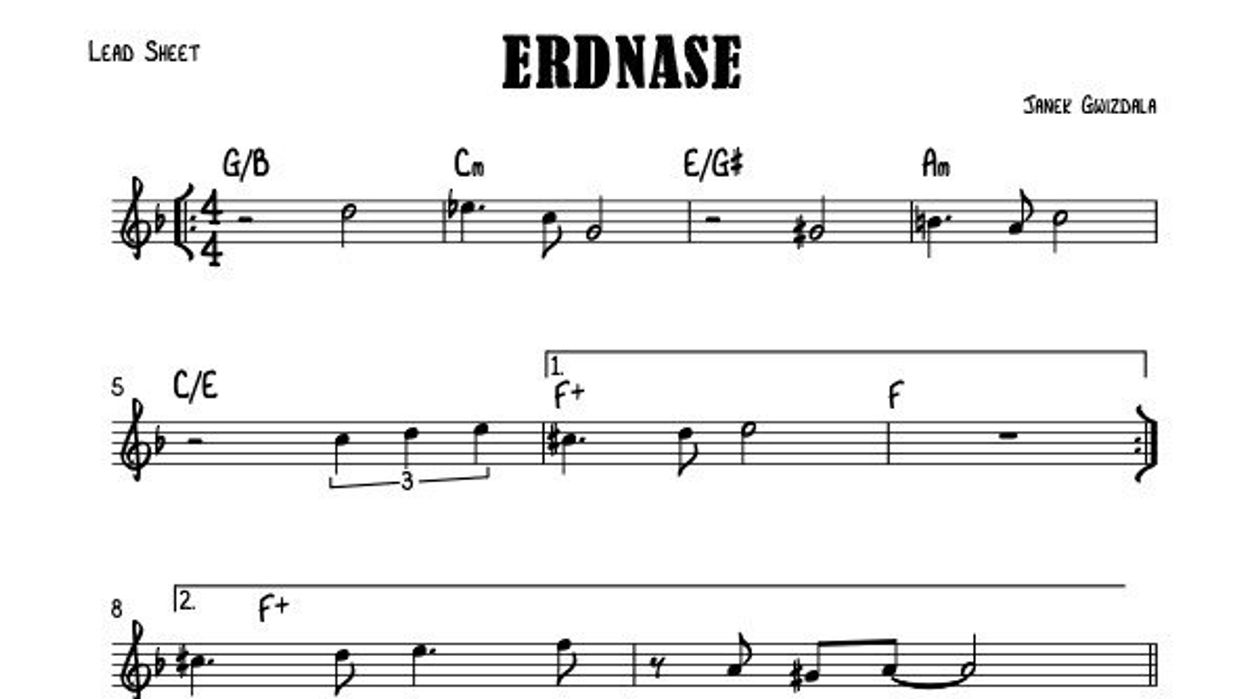
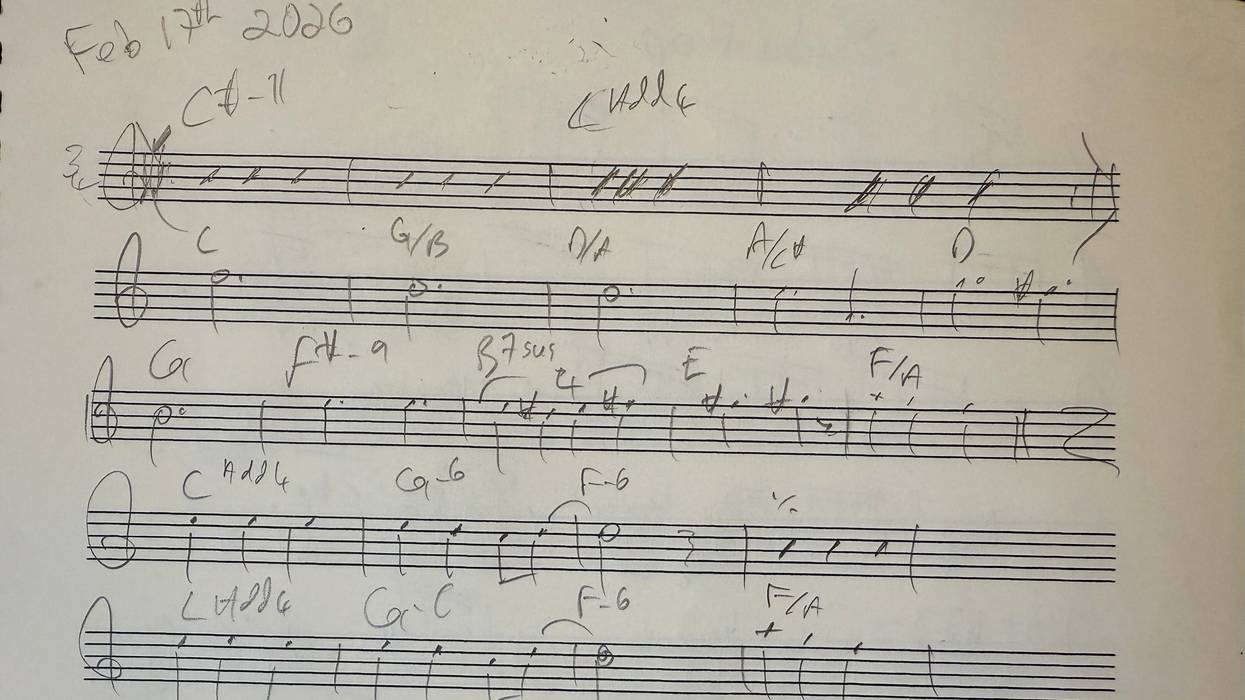
Now, we jump forward all the way to this month—I’m writing this in February of 2026—22 years later, and that process has continued to be my superpower. Yesterday, I booked the first of three shows that will be a series of live trio albums with three different bands we’re recording here in Los Angeles. For our first show I have the legendary Peter Erskine on drums and the incredibly unique voice of Nir Felder on guitar. I literally hung up the phone with Pete, picked up my bass, and started writing the first notes of music for the show. I’m sharing that sketch with you today so you’ll have a chance to look back in a few months and see if this idea made it onto the album as is, whether it got scrapped altogether, or if it perhaps morphed into something else.
The bottom line for me is that I can take this approach with almost anything I do. Having tried to do it the “traditional” way when I first started—with writing, arranging, then booking and recording—I know now that my strength lies in starting at the end and working backwards. And if there is ever any friction along the way, I always try to tell myself about the result rather than stress of the process. Knowing you’re going to have accomplished something—be it a recording, practicing a new lick, writing a song, booking a gig, or just spending more time with your instrument—telling yourself how good the result is going to feel is what gets you to the finish line with the lowest amount of stress.