One of the best things about being a musician is the people you get to play and work with. Our group is made up of the most interesting outliers in the world. Of all those I’ve been lucky enough to know, undoubtedly the coolest guy in every room was my employer, mentor, and friend Jon Small.
Jon spent his entire life at the center of the zeitgeist. When Jon was a teen working one Sunday in the drum department at Manny’s Music on West 48th Street in Manhattan, his boss told him to assemble an oyster black pearl Ludwig Downbeat drum kit and walk it over, piece by piece, to the Ed Sullivan Theater. That night, Ringo used that kit to change the world.
When Jon’s band the Hassles parted ways with their keyboardist, the drummer went looking for a replacement and recruited a fellow Long Islander, Billy Joel, to see if he was interested in the gig. Billy turned it down until Jon, using his persuasion superpowers—as well as his Manny’s employee discount—promised Billy a Hammond B3 organ with a Leslie cabinet, and closed the deal.
As the Hassles began to disintegrate, Jon and Billy formed a new band, Attila, in 1969, perhaps the only organ/drum metal duo in history. They quickly landed a deal on Epic. Joel's 2005 box set, My Lives, featured one offering from that band: "Amplifier Fire, Part 1 (Godzilla)," a nasty metal jam co-written by Jon and Billy.
The recent documentary Billy Joel: And So It Goes perfectly illustrates what an amazing person Jon was. In the early days, Joel was adrift and battling depression. Jon invited him to live at his place with his wife and son, and while living there, Joel began a relationship with (and later married) Jon’s wife, Elizabeth Weber Small. Jon said it was like losing his “two best friends,” leading to a period of estrangement. Despite the betrayal, Jon forgave Billy, and the two went on to share a successful working partnership and lifelong friendship.
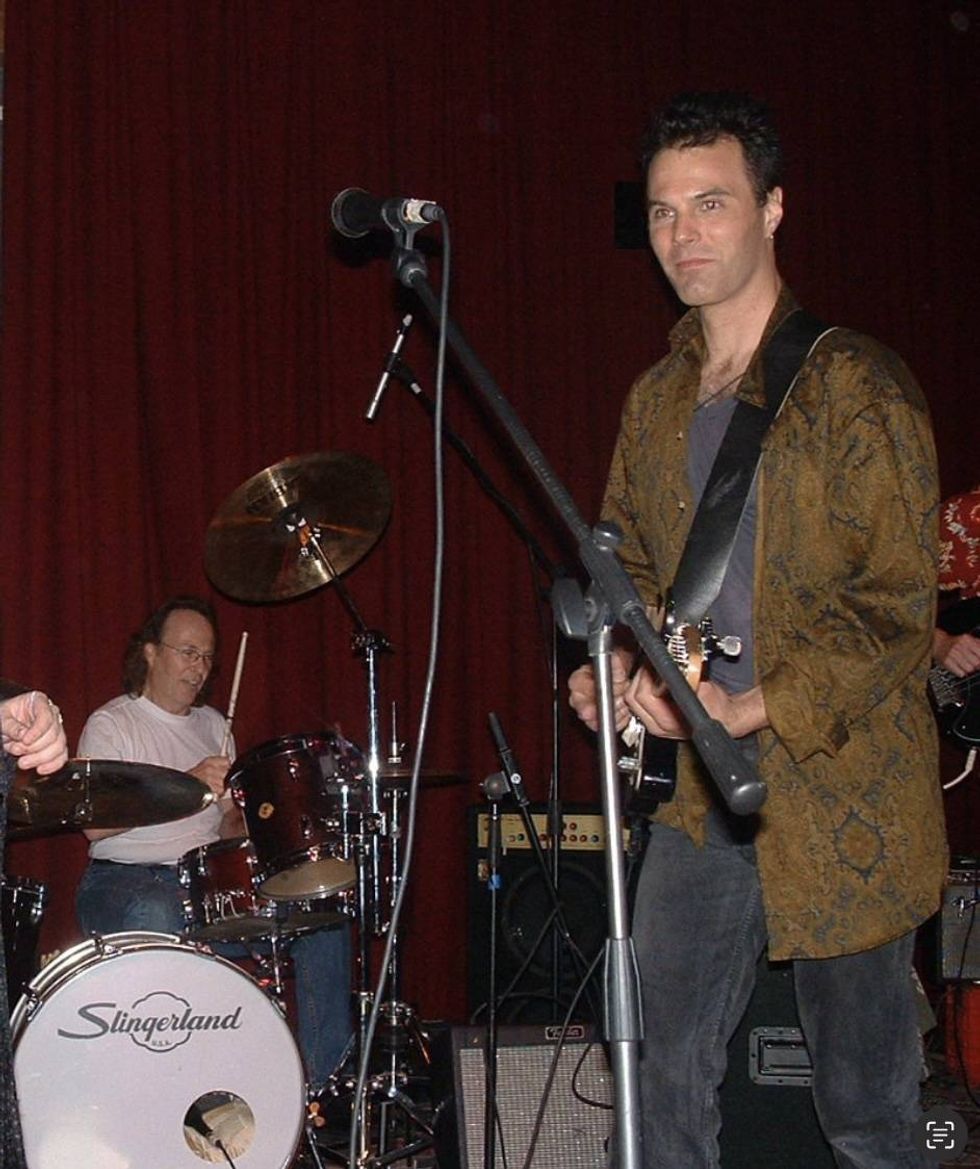
During the split, Jon worked as a session and live drummer for a ton of acts around New York. He was the go-to rock drummer whose energy lifted the spirits of everyone on the stage and in the crowd.
After a motorcycle accident ended his drumming career, Jon moved behind the camera. He founded Picture Vision Pictures and went on to direct or produce hundreds of music videos and concert films.
Working during the MTV boom of the early 1980s, he’s credited with shaping the format through innovative concepts, including the 1986 video for Run-D.M.C. and Aerosmith’s “Walk This Way,” where he came up with the wall-breaking visual that came to symbolize the rap-rock crossover.
“Jon spent his entire life at the center of the zeitgeist.”
Jamming at an after party
Photo courtesy of John Bohlinger
His other work includes a long run of Billy Joel videos, among them “Uptown Girl,” “Tell Her About It,” “Baby Grand,” and “The Night Is Still Young.” He also worked as a director, producer, or executive producer on Joel concert films including Live at Yankee Stadium (1990) and Live at Shea Stadium (2011). He had a similarly long relationship with Garth Brooks, directing the videos for “The Red Strokes” and “Standing Outside the Fire.” With Brooks he also made Live from Central Park (1997), Yankee Stadium Live (2016), and Live at Notre Dame (2018). Other videos he worked on include Reba McEntire’s “Whoever’s in New England” and “Does He Love You,” Whitney Houston’s “Greatest Love of All,” and his final major directing credit, co-helming Luke Combs and Eric Church’s “Does to Me” with Trey Fanjoy. He also made concert films for the Highwaymen, Lynyrd Skynyrd, and James Taylor.
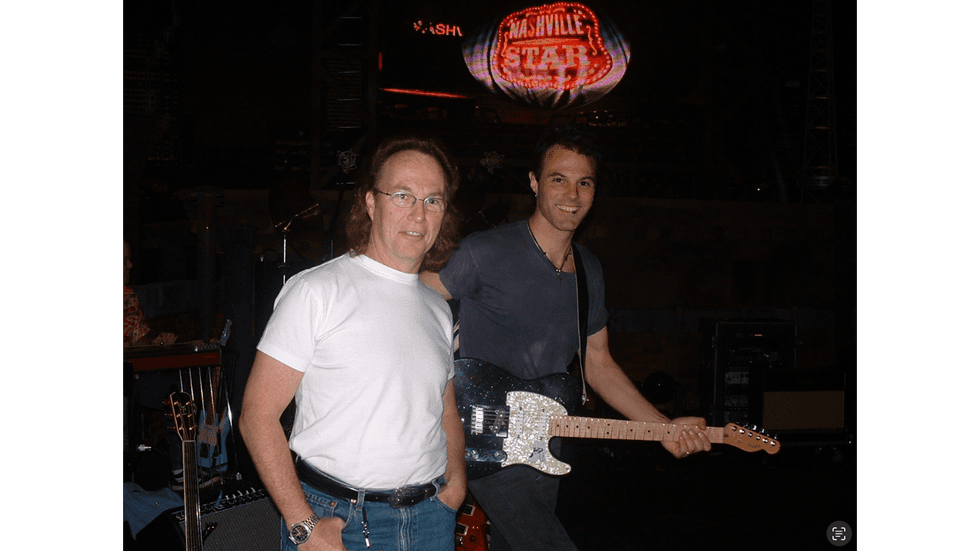
In 2003, Jon took a chance on me and hired me to lead the band on Nashville Star, a country talent show that debuted on USA (and later moved to NBC) the year after American Idol launched. That job changed my life. Over six seasons, the show produced Miranda Lambert, Kacey Musgraves, and Chris Young, and all three are still major country stars today.
Jon taught me lessons that have guided me ever since. The first is to be kind to everybody. The second is to hire good people and then trust them. Give them direction and step back, and if something goes off the rails, give them some perspective instead of micromanaging. He also told me not to worry about work: Do good work and work will find you. The gig isn’t your security; you are your own security. He believed in keeping the work fun, especially when it got stressful and difficult. And he taught me that forgiveness is a gift you give yourself. Those lessons carried me through 20 years of leading bands on television.
Although Jon left this realm on September 4 of this year, his influence is evident throughout our industry. I’m certain that, in the next life, he will remain the coolest guy in the room.
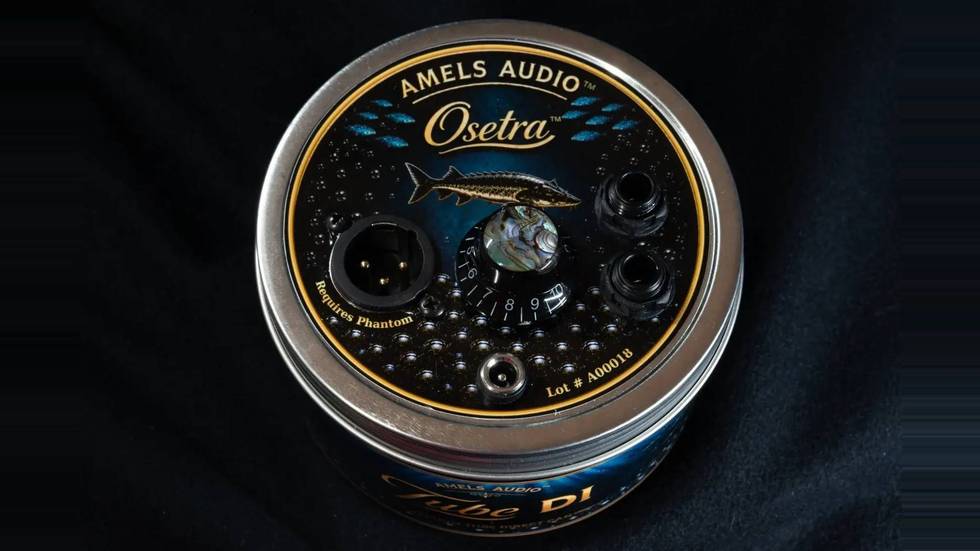
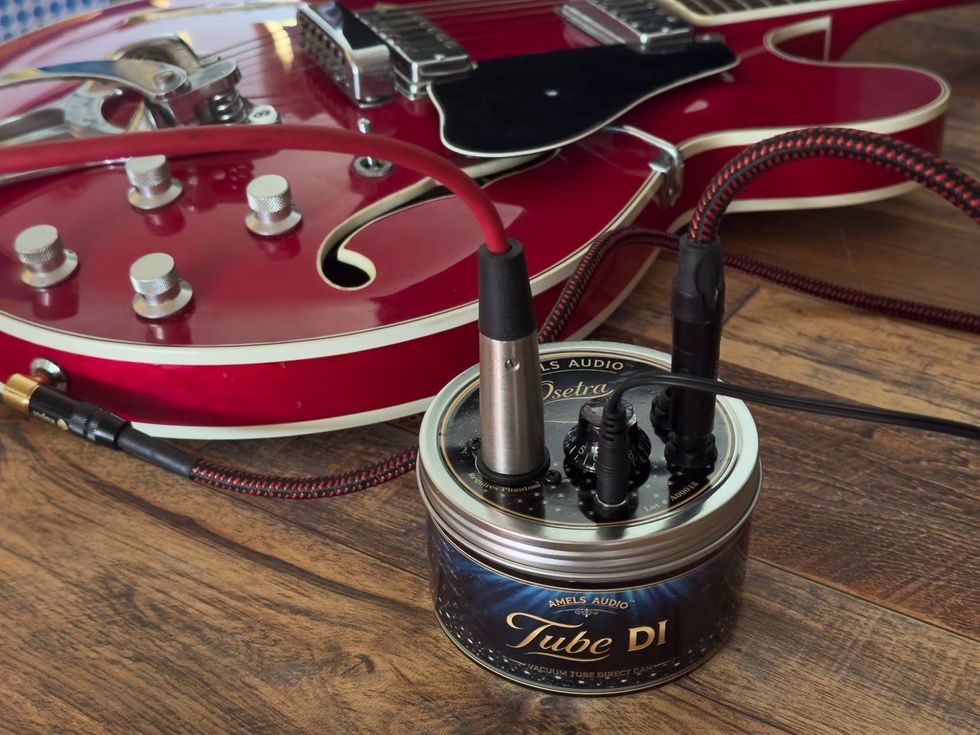
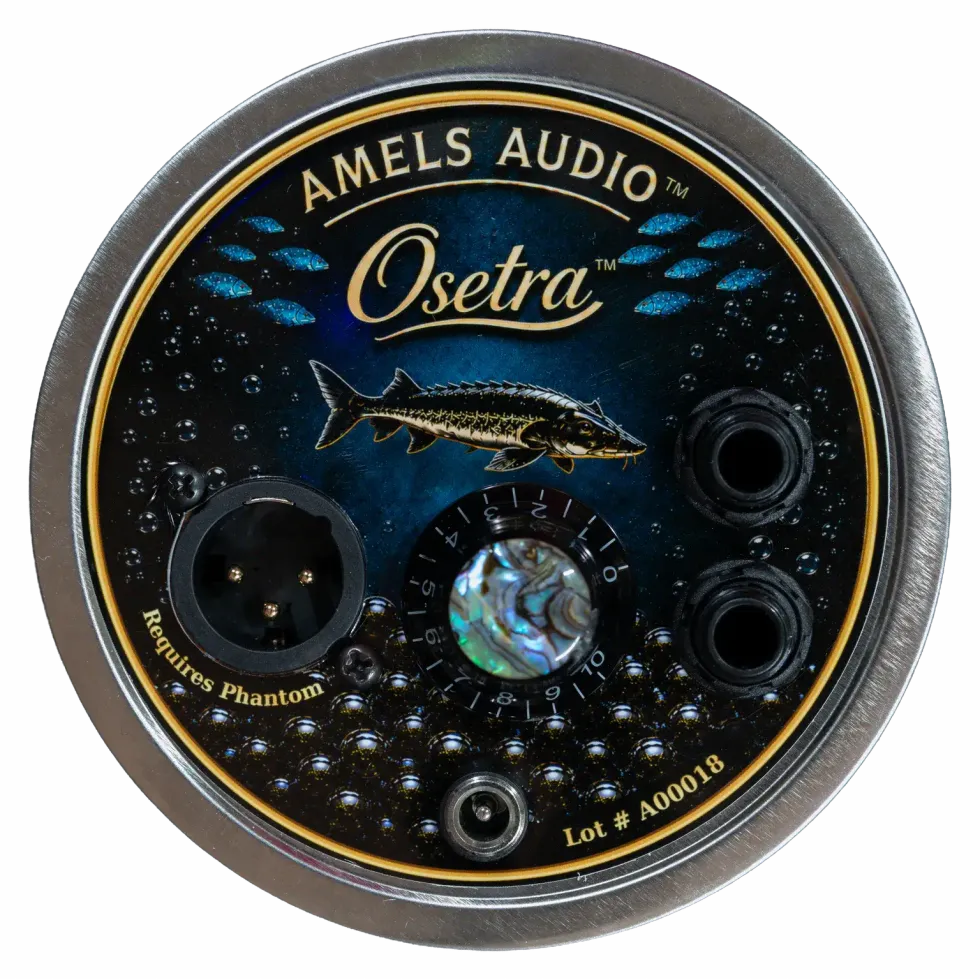
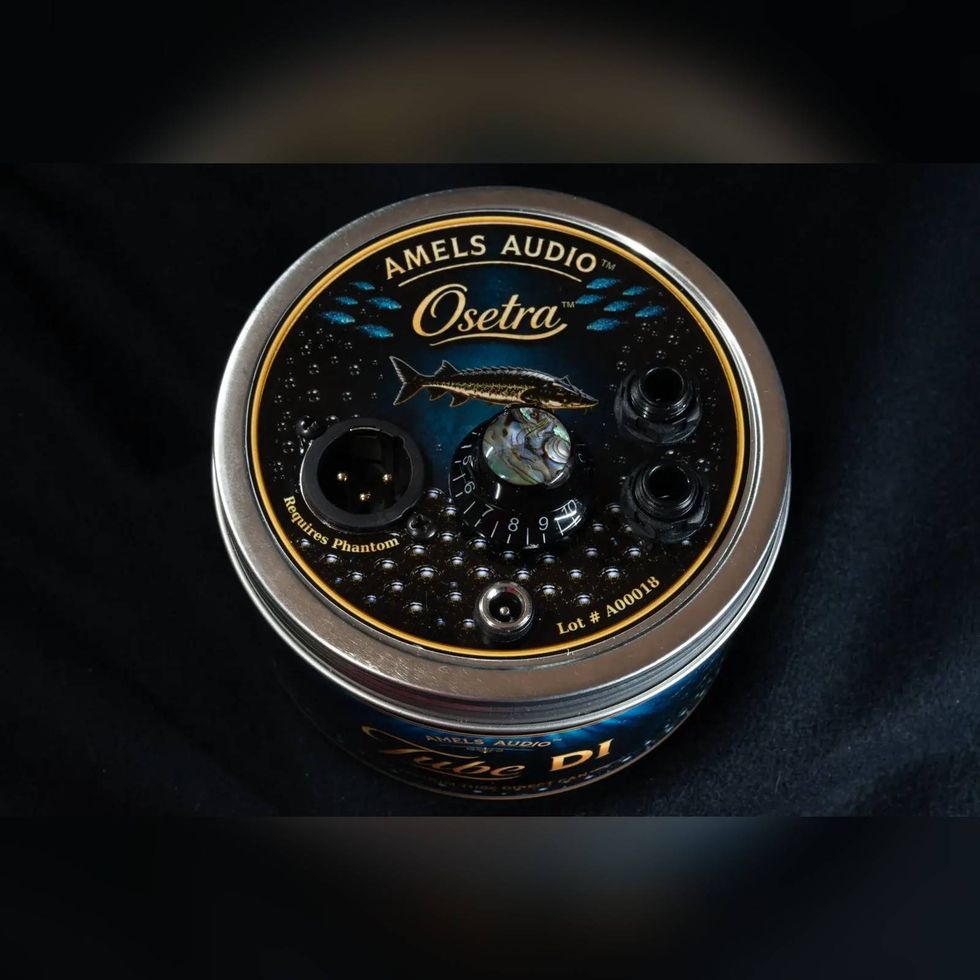
The newly launched Amels Audio has released Osetra, a direct-coupled all-tube instrument DI, as its debut product.
Audio designer Dave Amels’ new venture is an independent company making original hardware for musicians and recording studios. The Osetra DI is designed for use with electric guitar, bass, and pickup-equipped acoustic guitars, and comes first in an eye-grabbing, numbered 20-unit Founder's Tin Edition.
Osetra uses an original Class-A, transformerless circuit with no loop feedback. Its low-capacitance instrument input presents a 1 MΩ load, which helps preserve transients and contributes to a responsive playing feel. Measured response runs from 4 Hz into the megahertz range, with the observed upper limit set by the receiving microphone preamp. The tube B+ supply comes from 48 V phantom power, and the included universal-input 12 VDC adapter powers the filament.
Each Founder's Tin Edition unit is assembled at the bench and housed in a laser-cut caviar tin with sturgeon artwork. The Osetra product page (amelsaudio.com/osetra) hosts comparison videos and audio demos. These include level-matched bass and acoustic-guitar comparisons against familiar tube and FET DIs, plus standalone electric- and acoustic-guitar demos.
Amels Audio draws on founder Dave Amels' career in electronic musical instruments, mathematically modeled audio software, and analog recording equipment. Since the late 1980s, he has designed hardware and software for musicians and recording engineers, including at three companies he co-founded.
"Amels Audio gives me a place to invent and build the kinds of tools I want to use," said Amels. "They have to be technically serious, musically responsive, and useful in a working studio. Osetra is the first."
Osetra Founder's Tin Edition units 01–20 are available directly from Amels Audio for $425. Each comes with a universal-input 12 VDC filament adapter and a one-year parts-and-labor warranty. Initial sales are limited to the United States. For more information visit amelsaudio.com.
Amels Audio
Osetra
The newly launched Amels Audio has released Osetra, a direct-coupled all-tube instrument DI, as its debut product.
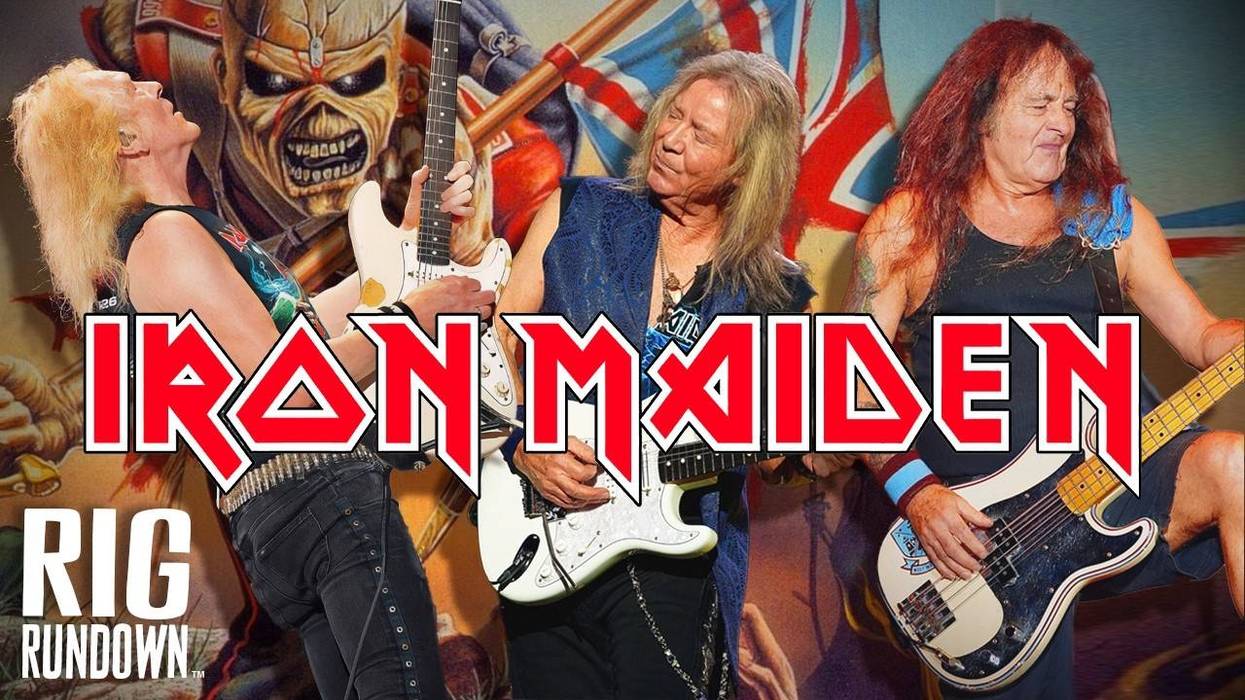
Iron Maiden brought their Run for Your Lives World Tour to Sports Illustrated Stadium in Harrison, New Jersey, for two nights on September 5 and 6, and PG’s Perry Bean got backstage with techs Brent Diamond, Alan Sosa, and Colin Price to go through the rigs behind Steve Harris, Janick Gers, and Dave Murray. Have a look at some quick highlights below, and tune into the new Rig Rundown for all the details.
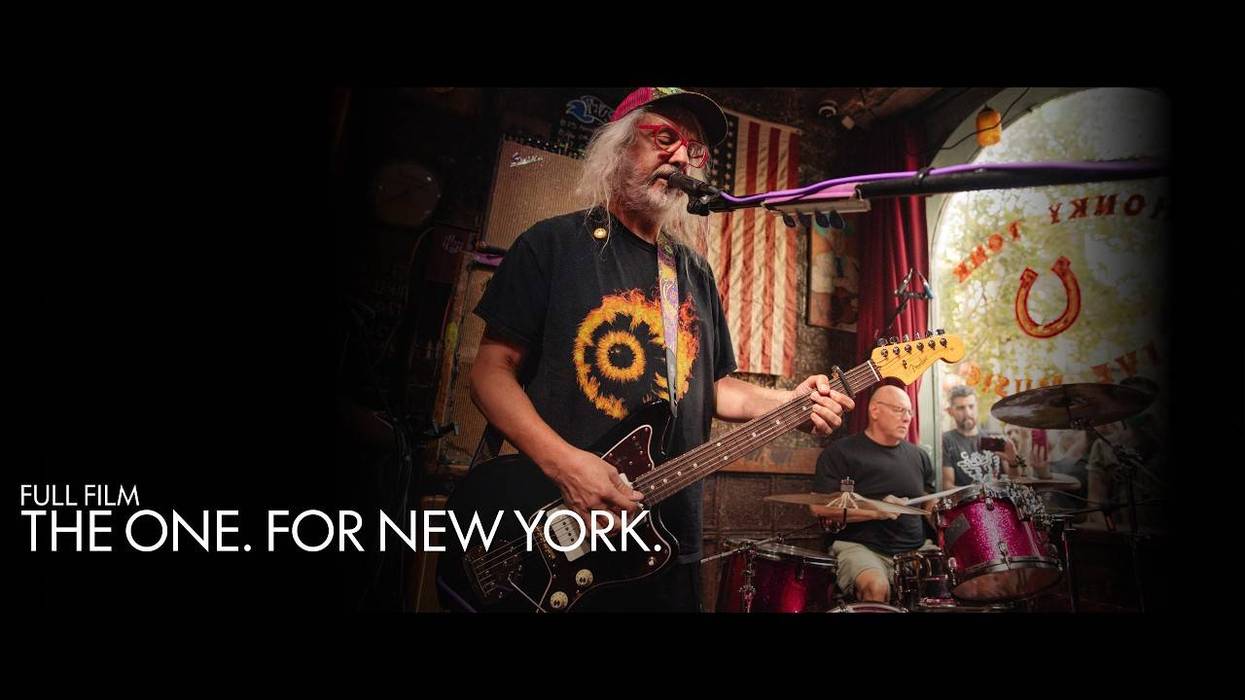
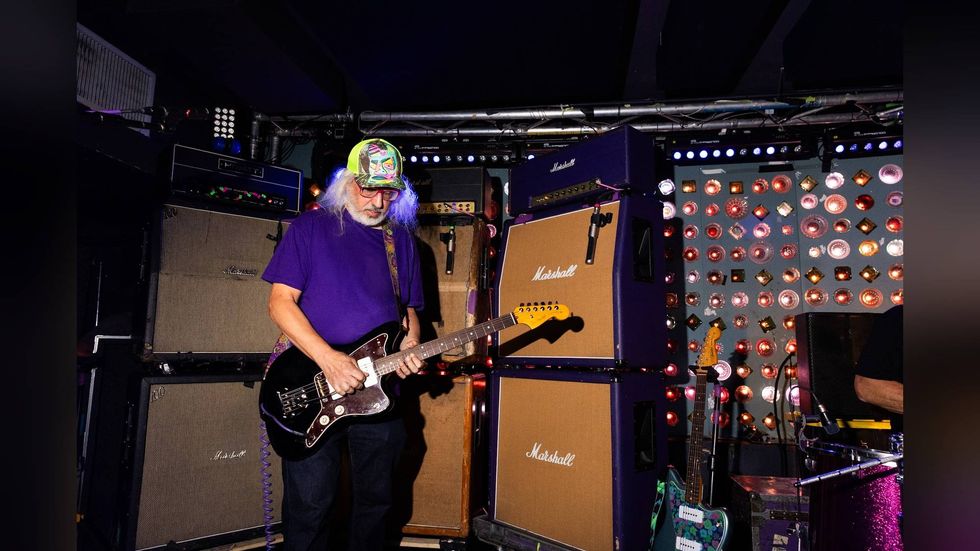
Fender has released an original feature-length film capturing behind-the-scenes moments and performances with Dinosaur Jr. and friends across New York City, celebrating the community that has spawned some of indie rock’s defining artists.
The full-length film, The One. For New York., is now available on YouTube and features performances by Dinosaur Jr., Thurston Moore, Snail Mail, and more.
Punctuated by audacious music, gritty footage, and acidic humor, The One. For New York. attests to the city’s towering role in modern culture—as seen from a street-level vantage point.
Featured artists include:
Dinosaur Jr.
Marc Ribot’s Ceramic Dog
Steve Gunn
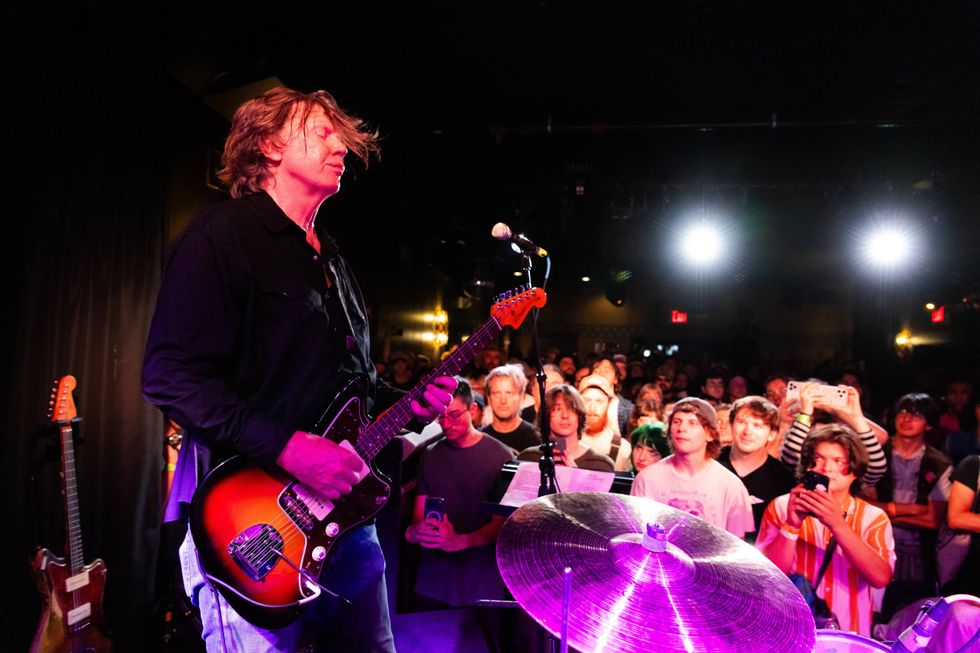
Thurston Moore Group (Thurston Moore, Steve Shelley, Deb Googe)
They Are Gutting a Body of Water
American Football
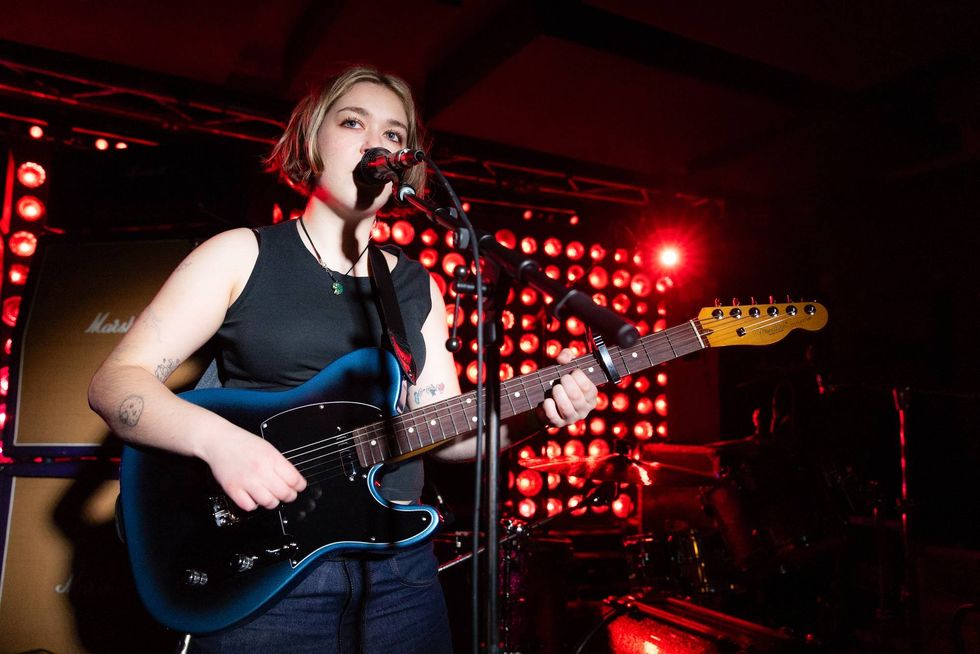
Snail Mail
The artists themselves acknowledge the crucial role NYC has played in their creative growth.
New Fender Film Features J Mascis, Thurston Moore, and More Celebrating NYC Roots
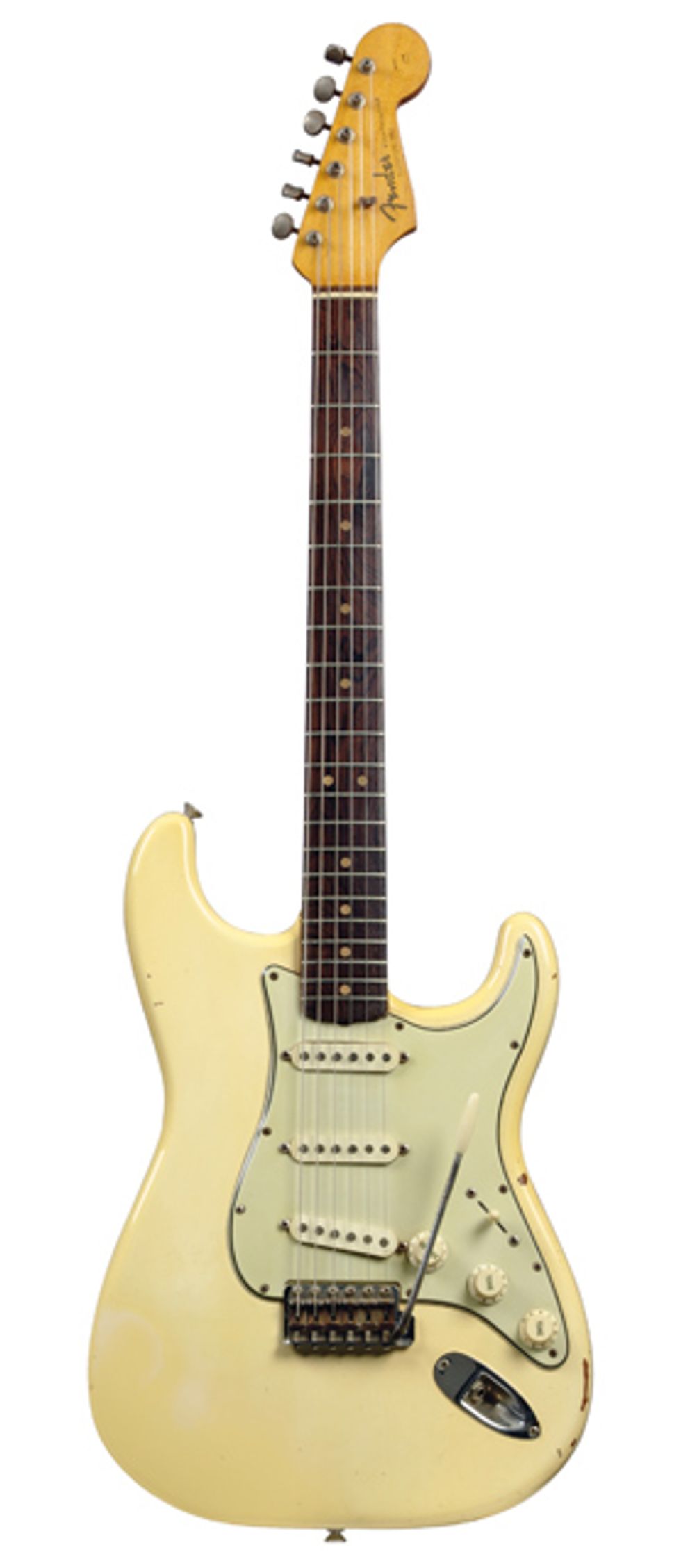
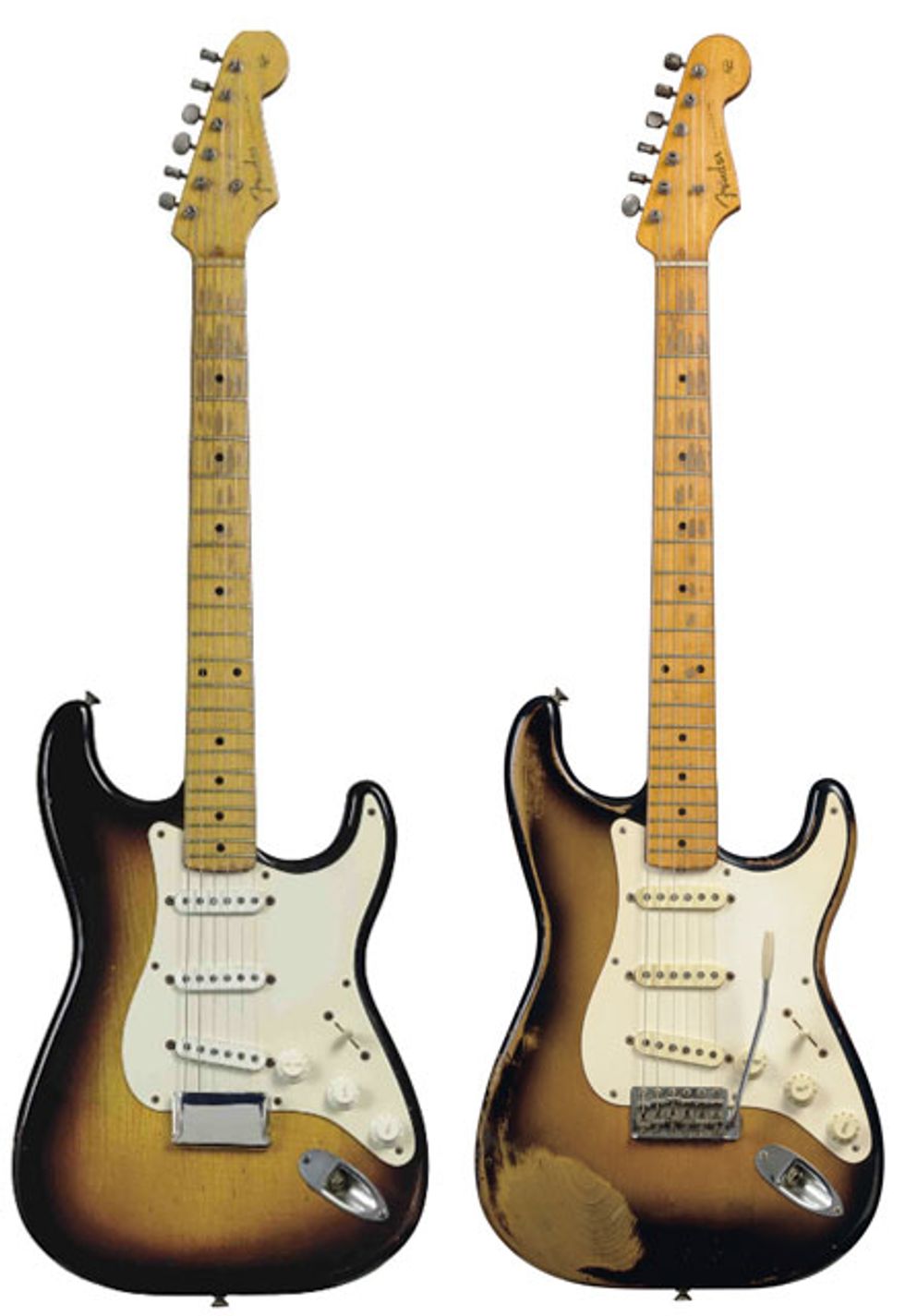
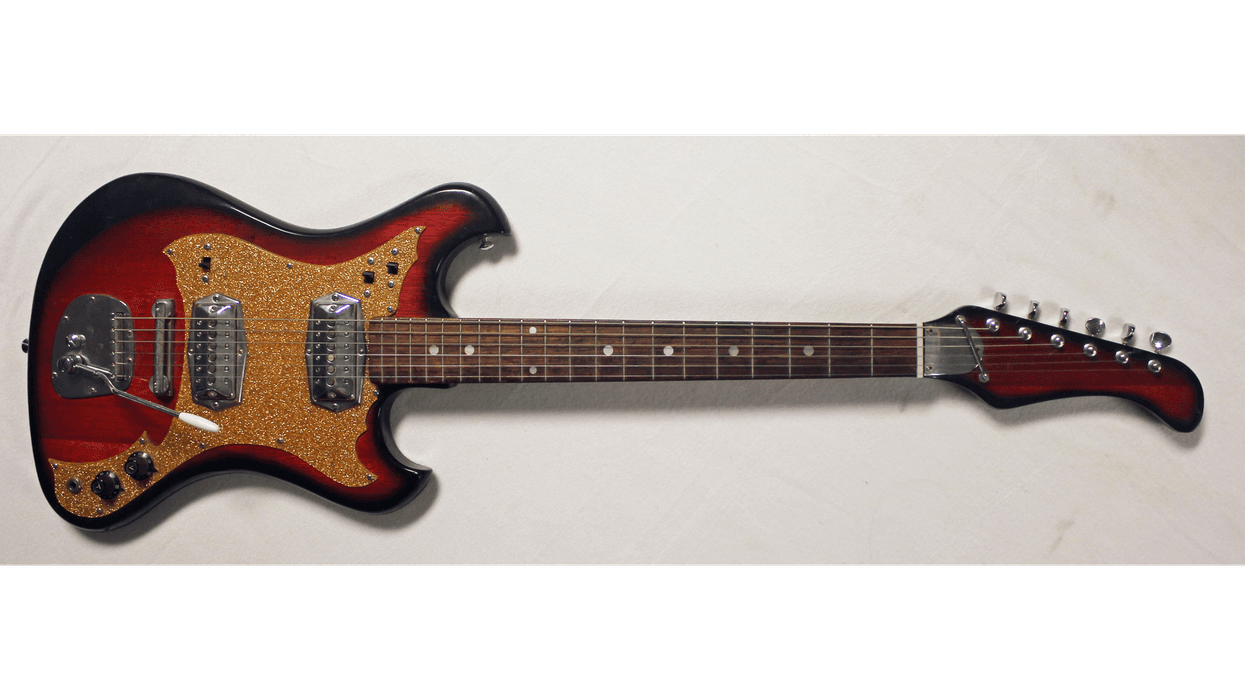
“New York was the first place we came where we had any fans or acceptance. We just kind of gravitated towards New York,” said J Mascis. “Starting a band I decided I wanted a Fender… I went to buy a Strat, but they had a Jaguar for $200 and Jazzmaster for $300. The neck felt better on the Jazzmaster; it was worn in like a baseball bat, so I just went for the Jazzmaster.”
“As far as Dinosaur Jr. getting welcomed in New York, I think a lot of it was predicated upon us welcoming them,” said Thurston Moore. “I mean, we really liked them. We brought them out on tour when we did a van tour across the USA with us. We were always championing them. They were always sort of like this little brother band to us.”
“I discovered Sonic Youth in high school, and it was sort of like my introduction to stuff that kind of fit outside of a mold that I understood at that point. And they just opened the door for me for my own guitar playing,” said Lindsey Jordan (Snail Mail). “I feel like there was life before Sonic Youth for me and then life after.”
“I think there's something like 70 languages currently spoken in New York. [A] byproduct of that is that there were a lot of different sounds,” said Marc Ribot. “I came down to New York, I realized this is where the work is. I didn't really know if I wanted to write songs or be a rock star. I didn't know what kind of guitarist even, but I knew I wanted to play guitar, and I knew this is where I could do it.”
“I fell in love with New York,” said Steve Gunn. “Even early on, I was always interested in expanding my palette of the guitar. From people like J and Thurston and other players who were using different tunings and capos and different frets, I feel like it really expanded your ear and limits of what a guitar can do.”
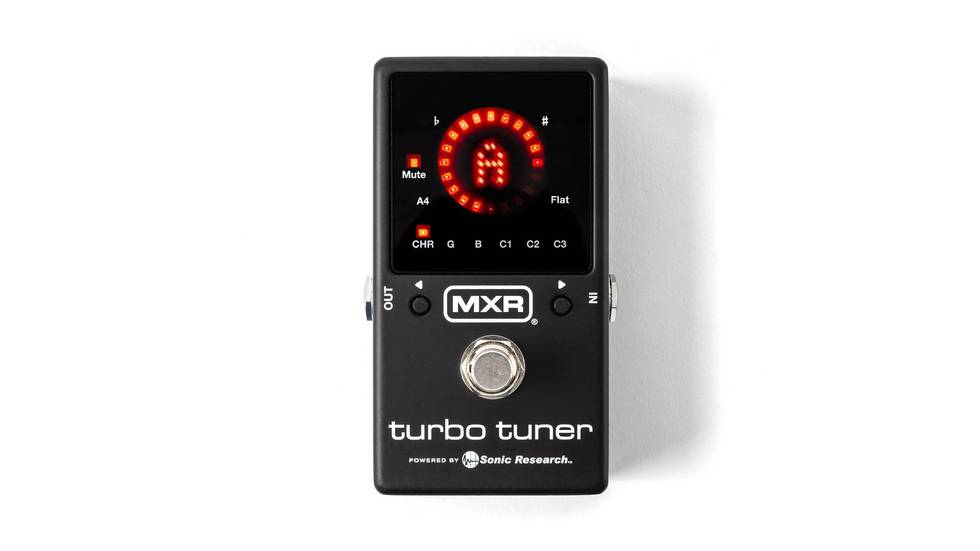
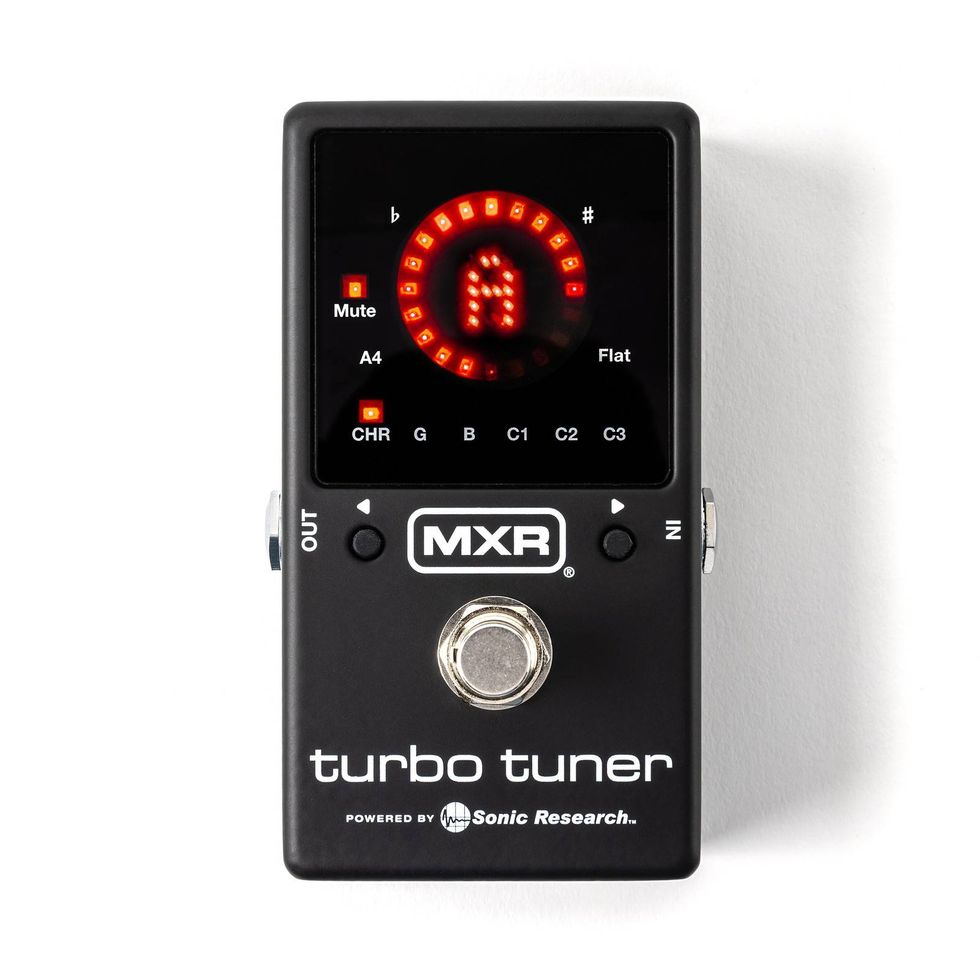
MXR has introduced the company’s first-ever tuner: the MXR Turbo Tuner is built around the core engine of the original Sonic Research Turbo Tuner, engineered to deliver the instantaneous, fraction-of-a-cent accuracy.
At its center is a big, bright true strobe display, driven by the analog signal straight from your instrument. There’s no lag and no bouncing needles. Sharp notes rotate right, flat notes rotate left, and the pattern slows to a creep as you close in on pitch.
MXR’s Turbo Tuner offers chromatic mode plus five customizable presets, each supporting up to 12 strings with ±50-cent offsets, covering everything from alternate tunings to microtonal experiments. Switchable true or buffered bypass lets you decide how it sits in your signal chain, and a USB port handles firmware updates and upcoming editor software. It’s all built with the road-ready durability that defines both Sonic Research and MXR.
MXR Turbo Tuner highlights:
Built around the core engine of the gold-standard Sonic Research Turbo Tuner, engineered by Sonic Research
Real-time strobe display tracks pitch with fraction-of-a-cent precision
Five customizable presets support up to 12 strings and ±50-cent offsets
Four brightness levels keep the display readable in any lighting
Adds a high-fidelity buffer with three buffered bypass modes, switchable from true bypass
Adds a MUTE indicator LED and automatic power-up mode
Modernized LED display window
9V passthrough output powers an additional pedal
USB port for firmware updates and upcoming editor software
The MXR Turbo Tuner carries a $149.99 street price. For more information visit jimdunlop.com.
MXR
MXR Turbo Tuner
MXR has introduced the company’s first-ever tuner: the MXR Turbo Tuner is built around the core engine of the original Sonic Research Turbo Tuner, engineered to deliver the instantaneous, fraction-of-a-cent accuracy.





 New Fender Film Features J Mascis, Thurston Moore, and More Celebrating NYC Roots