


Kismet. Do you all know the word? In its simplest form, its meaning is fate, stemming from old Arabic. I think about kismet sometimes, and philosophically, I’m indifferent to a life predetermined by fate. But for today’s column, I’m going to talk about a little kismet that I can’t deny.
In my line of work, I see people come and go. Over the past five years, I’ve shared my office with four different coworkers, and I’ve written about them all! Does anyone recall the “hot honey” trend (Honey guitars), or the Brooklynite and old U.S. importers? Heck, even last month I wrote about my “work wife” and the feeling of comfortability. This year, a retiree moved in with me so I can help him along in his new place of work. Born in the early ’60s and hailing from Flint, Michigan, “Big” Dave is a fascinating character to work with. First off, he’s big—well over six feet tall! Second, he arrived in the northeast by way of Michigan, then retired to Florida, followed by Pennsylvania, to be close to grandkids. Well, whaddya know: He’s bored of retired life, and decided to come back to work.
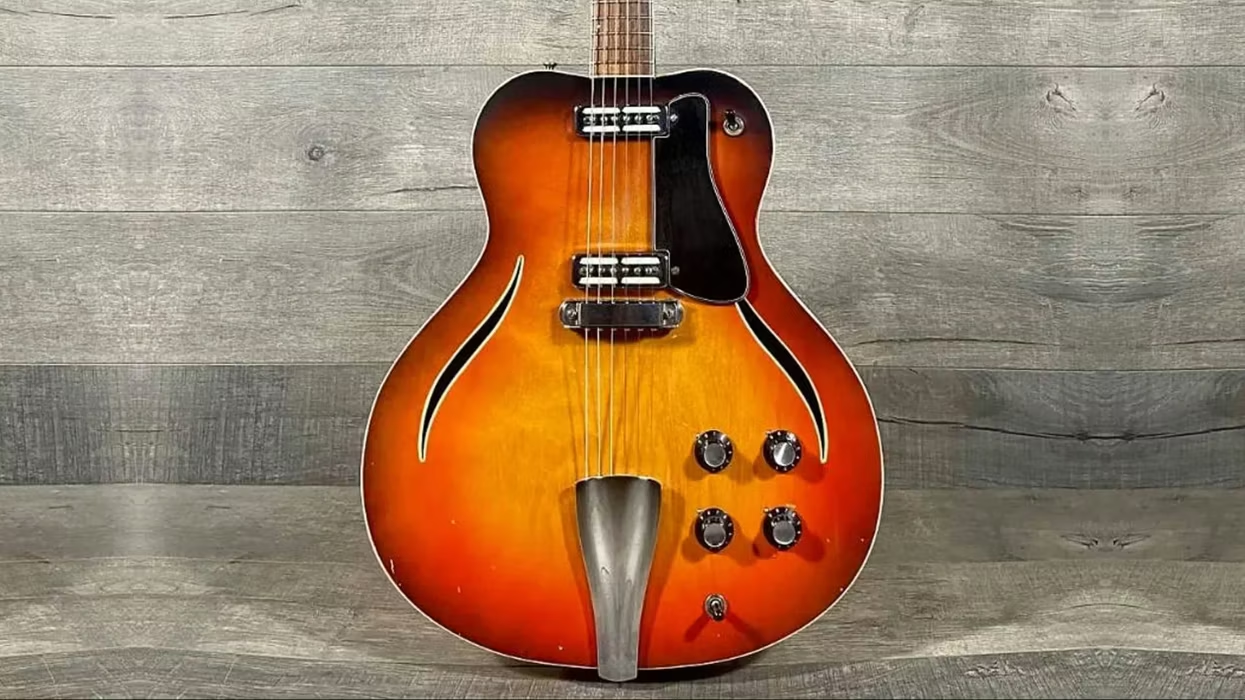
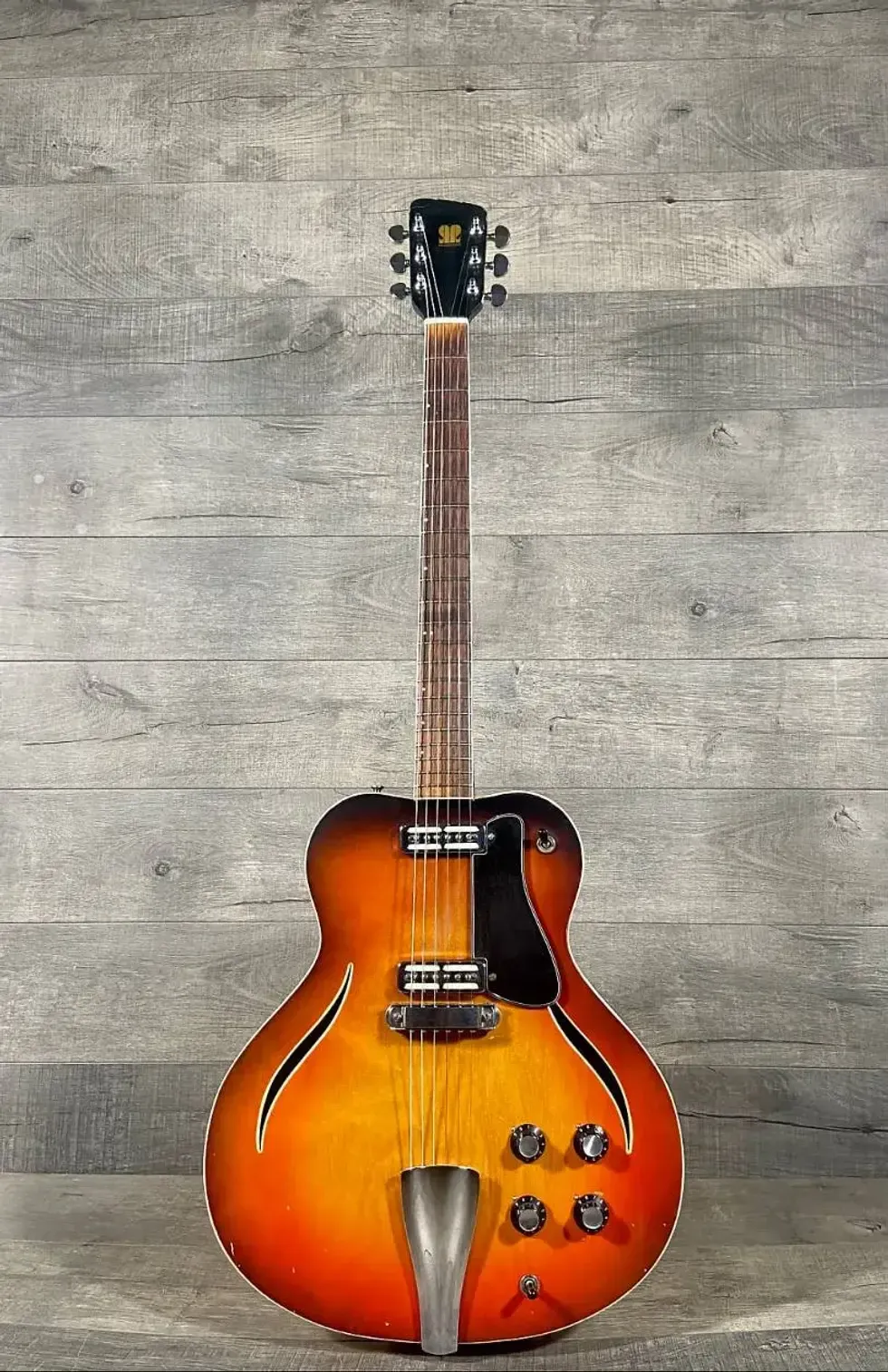
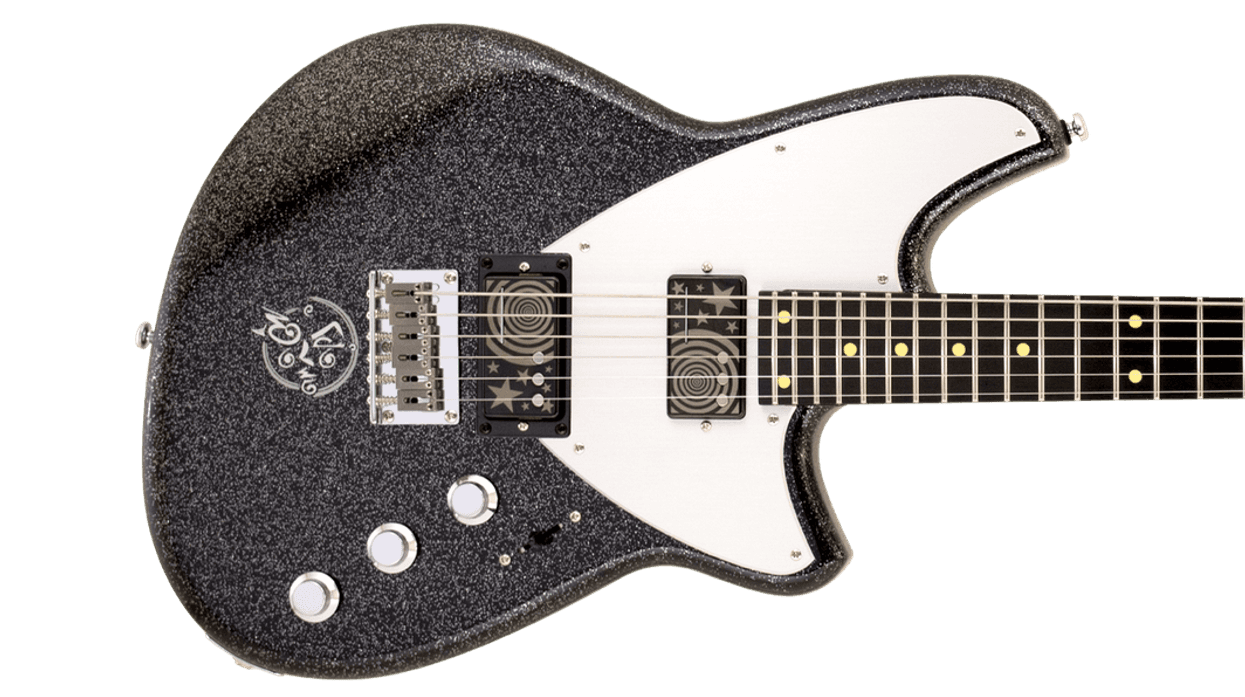
During one of our many conservations, he mentioned that his cousin played in a band. Which band, you ask? Grand Funk Railroad! It turned out that Dave’s first cousin is the legendary Mark Farner! Small world, right? Immediately, I remembered that Mark was an early player of a rather rare guitar model, the Musicraft Messenger. Now, if Mark had simply played a Fender or Gibson in his early days, then there wouldn’t be a story for me. But the Messenger guitars were always on my bucket list to play, study, and write about. That’s kismet, brothers and sisters!
“Guitars, man—I know about all the weirdos! And the Messenger was definitely an oddity.”
So it happens that Big Dave was around at the dawn of Grand Funk and got to see the band in the early days, playing local bars. He relayed that the name of the band was a play off the local “Grand Trunk Railroad” line.
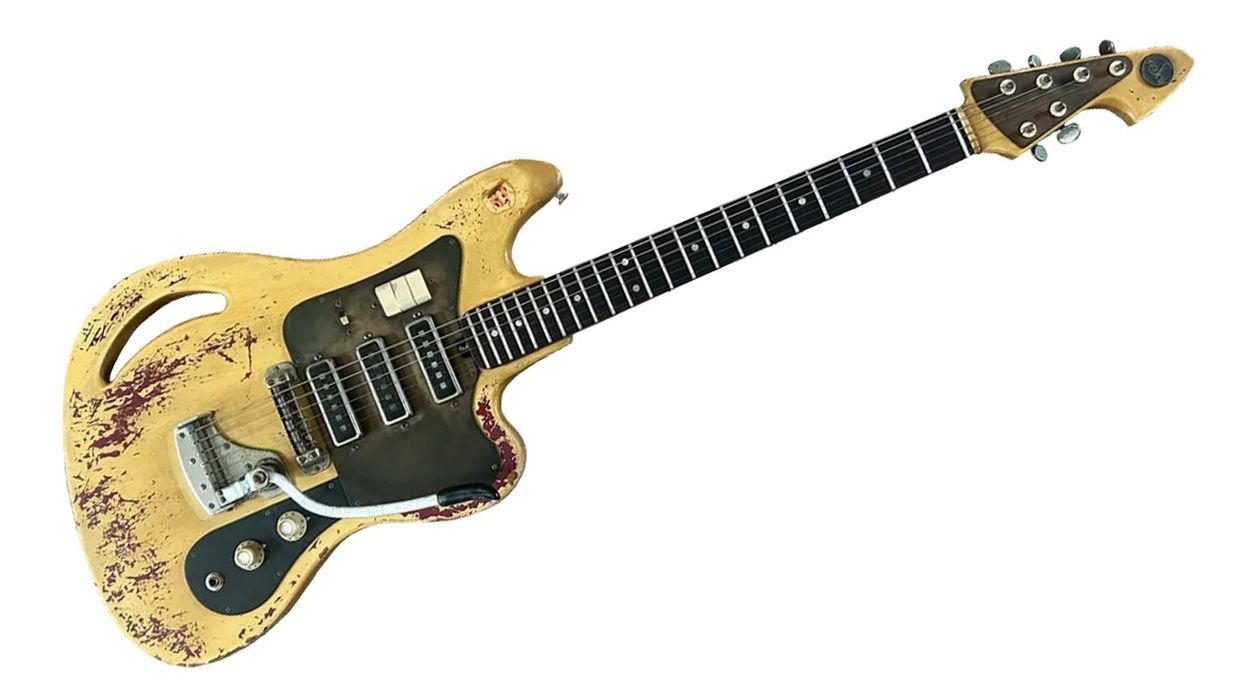
Now, I have to admit that ’70s rock is a hole in my game. Being born in the early ’70s myself, I’ve had to go back and educate myself, and I really only know the era’s hits. But guitars, man—I know about all the weirdos! And the Messenger was definitely an oddity. That huge lower bout and those graceful sound holes had an air of elegance.
The early iteration of the Musicraft Company was a flash in the guitar pan, circa 1967. First based in California and then Oregon, Musicraft produced electric instruments in very small numbers, and, surprisingly, they were innovators of aluminum necks and built-in, onboard fuzzes!
In researching Mark Farner and his Messenger model, a few things stood out to me. After watching some videos, I found out that he stuffed the semi-hollowbody Messenger with foam and taped the holes over to reduce feedback. I saw several articles bemoaning the De’Armond pickups in the Messengers, but I love these old units. I suppose a hollow body isn’t the best place to use single-coil pickups, but hey, there was a center block going through the body. (If you’re playing a stack of Marshalls, then I suppose it’s of no consequence.)
Talking with “Big” Dave Farner has been a great education. Recently, he was talking about different venues and bands of the time (anyone remember Bloodrock?), and I think his generation had some amazing music. What a time man, what a time. Kismet, am I right?
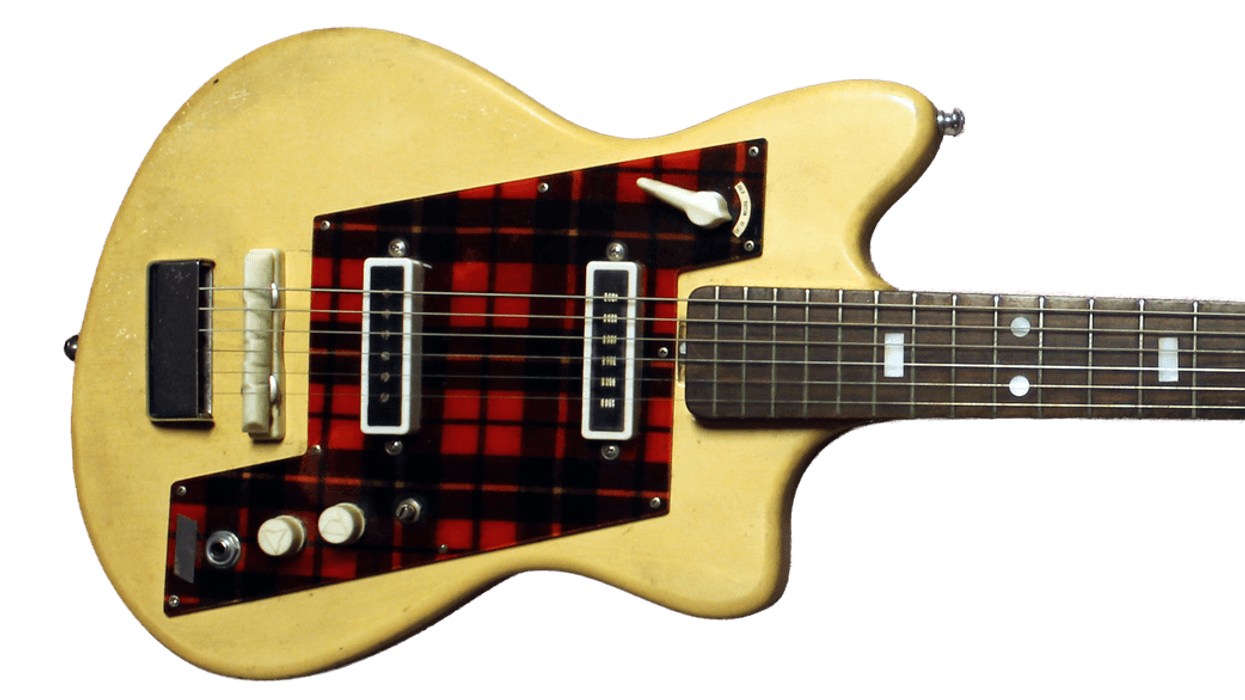
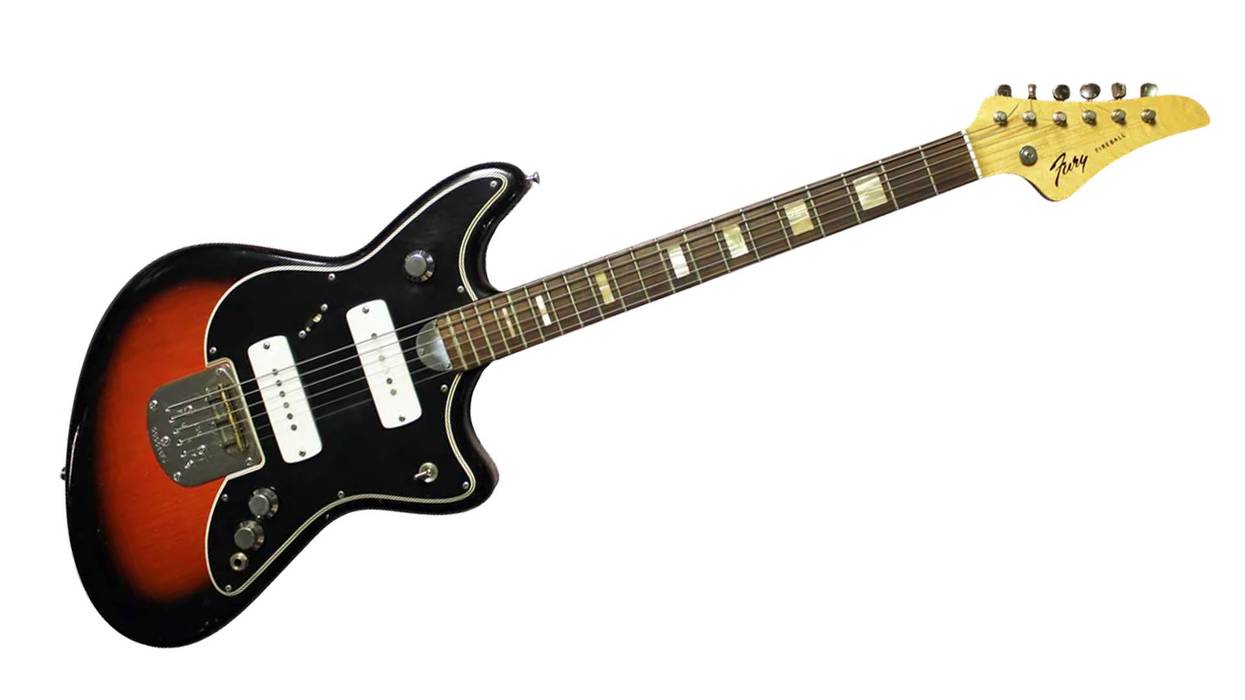


 Then, in the dream, I “awoke” and realized I was back in my bedroom, and it was all just a dream. The kicker is that I was still dreaming, because that “paddle” guitar was suddenly in my hands—then I woke up for real! How about that misadventure?