Casio’s Dimension Shifter is a beautiful and thoughtful idea. It reveals an understanding about how electric guitar players tend to move as they play, and the lyrical, maybe even balletic and poetic, manner in which motion can transform the music they make. The fundamental notions behind the Dimension Shifter are not new—essentially, it combines the basic mechanical concepts behind the expression foot pedal and the B-Bender into a wireless digital expression tool. But where an expression pedal weds the player to a single location, and the B-Bender (and its cousin, the Palm Pedal) can only alter the pitch of one or two strings, the Dimension Shifter enables a player to change effect parameters using the pull-and-release, strap-tension-based mechanical action of a B-Bender—all as they meander about a performance space. Depending on your average state of animation on a stage, this might not seem like a big deal. But for any player that tends to get lost in their musical reveries or likes to interact more intimately with bandmates while they sweep a filter, tweak their delay feedback, or increase the modulation rate of flange, it’s a very liberating technology.
Motion Stirs the Potion
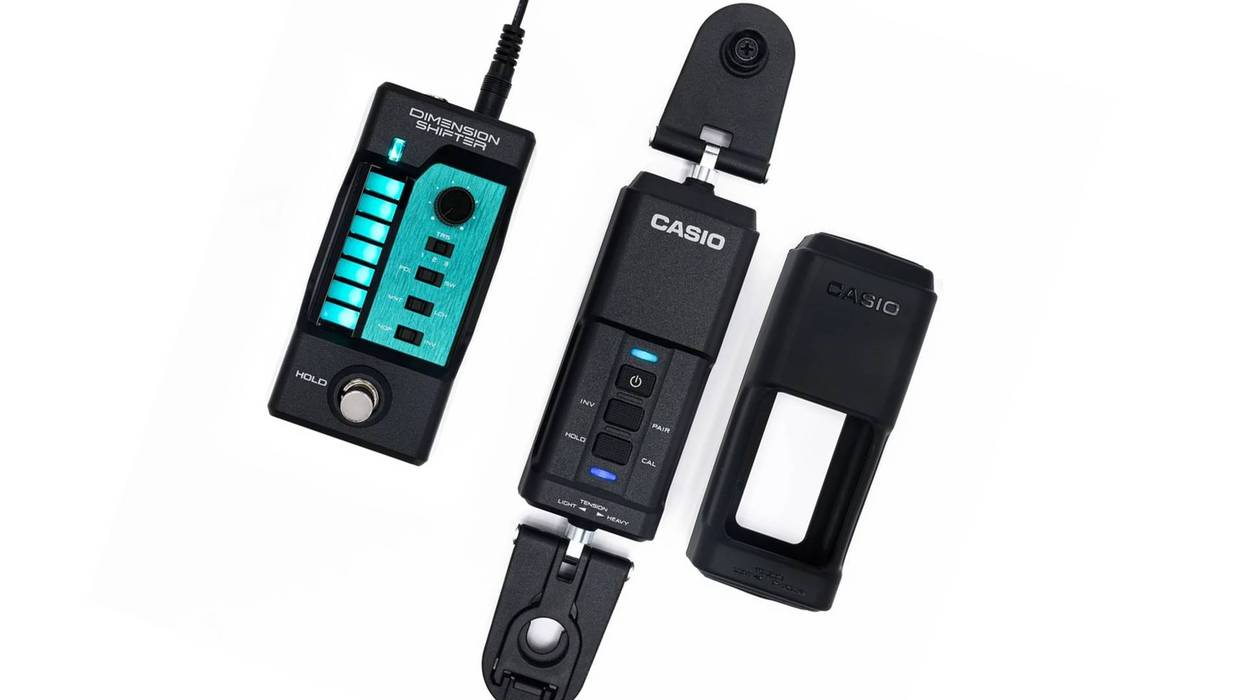
I experienced a few hiccups setting up the Dimension Shifter. The problems were resolved quickly, but the user manual wasn’t a big help in solving the issues I did encounter. In general, though, the Dimension Shifter is pretty easy to set up and operate. The pairing between the strap transmitter and the receiver is automatic. You can easily adjust the strap-pull tension. And once you’ve got your connections in place and understand the basic functions of each button clearly (the labels on the receiver and transmitter themselves are a bit cryptic) using the unit becomes fairly natural.
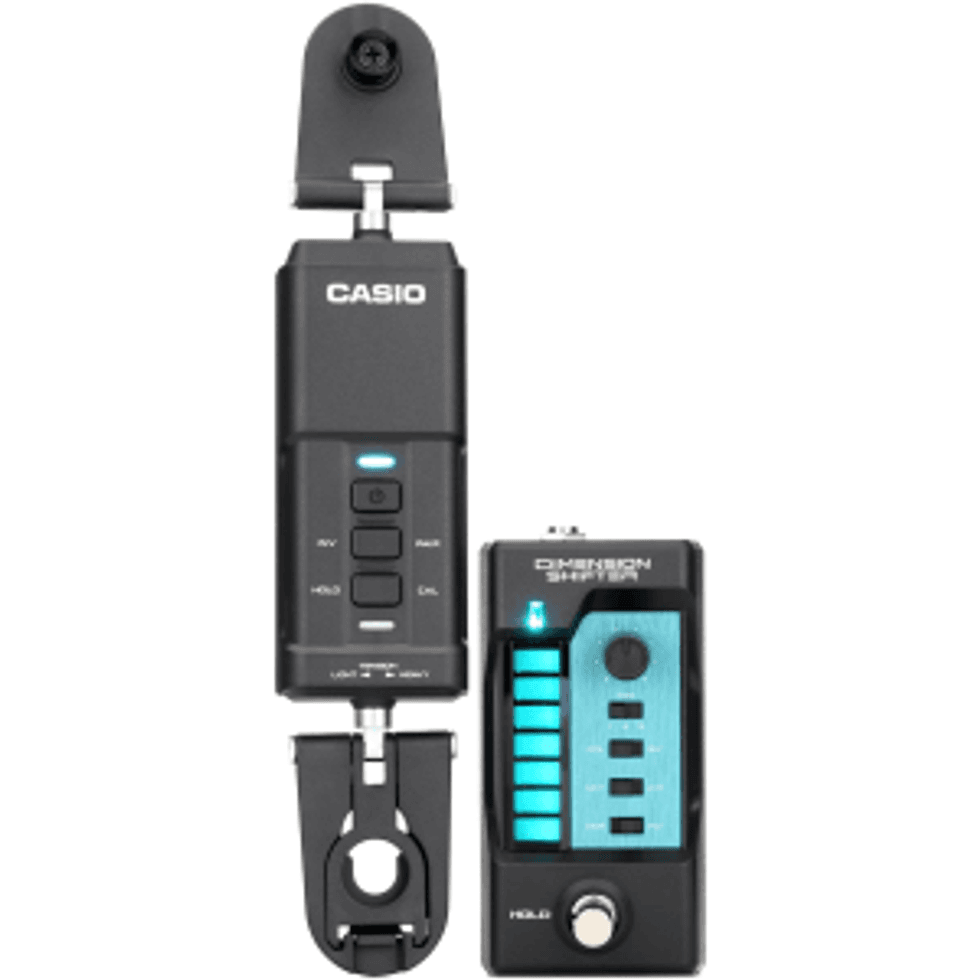
To Casio’s credit, they kept the controls to a minimum. In terms of what you’d potentially use in performance, there are just a few essentials. There’s an inverse switch that reverses polarity, and therefore the direction of expression sweep—so if a modulation speed is at its slowest before you pull on the strap and at its fastest at the end of the range, you change that order by hitting a button on the transmitter. You can also freeze a setting in the sweep using the hold switch, quite like you would use a fixed wah. Which, with delays, reverbs, and modulation effects, enables very fluid movement—ramping, if you will—between radical effects settings. Both of these functions can be activated via switches on the transmitter or receiver. You can also use the knob on the receiver to establish a minimum and maximum range for an effect sweep, just as you would set the heel position on an expression pedal.
Even if you use the Dimension Shifter with just a single effect, it can have a profound impact on the way you play. Again, the function of the Dimension Shifter is fundamentally the same as an expression pedal, but it definitely feels different—and this leads to different results. The way I might use a delay feedback swell with bends or vibrato arm manipulation often felt more cohesively connected to the instrument, and you can experience a sort of unified, glued-together sense of playing when you pair the Dimension Shifter with certain techniques and effects.
I suspect, though, that multi-effects users—or those who use a single effect with multiple presets—will have the most fun with the Dimension Shifter. When you can quickly switch between presets to establish radically different baselines for the Dimension Shifter to work from, the possibilities multiply—and so, quite literally, do the dimensions
The Verdict
Though the Dimension Shifter is ultimately fun, inspiring, and, for certain kinds of kinetic performers, a tool that frees them from foot pedal constraints, there is room for refinement. The transmitter is still a bit clunky. And you have to wonder if a smaller, slimmer, rechargeable apparatus that loses the two AAA batteries is possible without sacrificing the unit’s mechanical functionality. It probably goes without saying, too, that a lot of aesthetic purists will not love the idea of the Dimension Shifter dangling from their strap (perhaps there is a way to cover the unit in vintage Ace strap material?) There’s also the issue of the 20-hour battery lifespan. And the fact that, for those of us who don’t use multi-effect units or digital effects with multiple preset options, the Dimension Shifter is an expensive way to manipulate the expression functionality on a single effect.
But it was very easy to feel and imagine how the Dimension Shifter could be transformative for many players onstage. I could manipulate echo feedback all day long with the unit and be happy. And the action of tugging on the guitar to shift my flanger’s modulation speed felt much more natural and tied to the instrument than a foot treadle does.
I hope that the Dimension Shifter succeeds, and gains enough traction with players that it can continue to evolve. It may not be a totally seamless solution now, but it’s easy to imagine how ongoing development, streamlining, weight shedding, and miniaturization could make the Dimension Shifter into a really magical, even essential, part of many players methodology. It’s off to a super-intriguing start.
Casio
Dimension Shifter Wireless Expression Controller
Wireless Expression Controller with Adjustable Tension, Bluetooth, and Calibration Controls
Most people think of samplers as drum machines with delusions of grandeur—four-bar loops, predictable patterns, and neatly sliced bits living forever in the prison of the grid. But for me, samplers and loopers are something completely different. They’re instruments of disruption. They’re creative accelerants. They’re circuit breakers designed to shock me out of my comfort zone and force my compositions, productions, and performances into strange, exhilarating new shapes.
One of my favorite studio practices—and something I encourage my Recording Dojo readers to experiment with—is to sample your performances. Not a preset library, not a pack from somebody else, but use your own melodic lines, motifs, rhythms, textures, and half-formed ideas. There’s something magical about hearing your own musical DNA come back to you in an unfamiliar, mutated form. It’s like collaborating with a version of yourself from an alternate timeline.
The real thrill isn’t about capturing pristine performances. In fact, it’s often the opposite: I’ll grab a phrase that’s imperfect, or mid-gesture, or harmonically unresolved, and drop it into a sampler purely to see what it becomes. When you do this, your musical habits—your well-worn licks, default rhythms, and predictable choices—don’t stand a chance. The sampler shreds them, recontextualizes them, and hands them back as raw material for re-writing, re-arranging, or composing something that never would have emerged in a linear workflow.
Sometimes the transformation is subtle—a lick becomes a rhythmic ostinato, a sustain becomes a pad, a passing tone becomes a focal point. Other times the sampler just mangles it, spits it out sideways, and you think, ‘Oh… now that’s interesting.’ Either way, it becomes a tool for breaking patterns, both musically and psychologically.
My Process: Mutations, Not Replications
My approach to sampling isn’t any more complicated than anyone else’s. I’m not using some secret, elite technique. I’m simply collecting fragments—little melodic cells, rhythmic quirks, harmonic gestures—and giving them permission to misbehave.
I’ll chop up key licks into uneven slices, or isolate just the back half of a phrase, or extract a rhythmic hiccup that wouldn’t survive in a normal editing session. Then I reassemble these bits with the expectation that they won’t behave. I want mutations. I want the musical equivalent of genetic drift. I’m not trying to color within the lines; I’m trying to see what happens when I throw the coloring book across the room.
Once the sampler gives me something intriguing, I run these new creatures through chains of further processing: glitch delays that stutter and fold the sound into origami-like shapes, micro-loopers feeding into overdrives or fuzz pedals, shimmering reverbs that stretch a 200-millisecond blip into a widescreen texture. The result can be anything from a ghostly sustained pad to a snarling, percussive accent, to a completely alien harmonic bed.
You can use these elements as alternate melodic lines, counterpoint, ambient beds, transitions, ear candy, or even structural material for entire songs. And because the source is you, the end result stays connected to your musical identity—just bent, twisted, and refracted into something fresh.
Outcome Independence: The Spirit Behind the Process
If there’s one thing that makes this approach powerful, it’s letting go of the expectation that what you sample must “work.” This is pure experimentation, not product-driven crafting.
I’m outcome-independent when I do this. I’m not looking for a result so much as engaging in the joy of the unknown. Some days nothing meaningful emerges. Other days I strike gold. But either way, the process sharpens my creative instincts. It keeps me curious.
“There's something magical about hearing your own musical DNA come back to you in an unfamiliar, mutated form.”
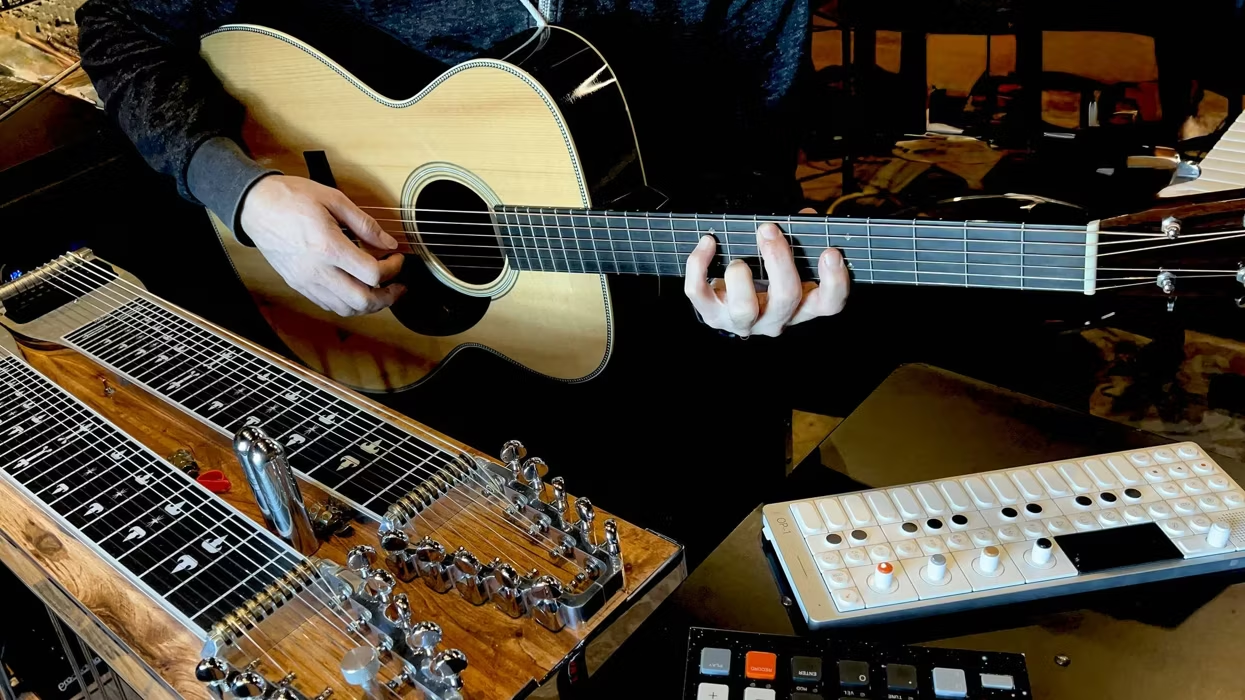
I use this same strategy when producing artists or working on film and soundtrack material. Recently, I applied it to pedal steel—an instrument known for its lyrical beauty—and the resulting textures were … well, not beautiful in the traditional sense. They were fractured, shadowy, almost Jekyll-and-Hyde. Perfect for a track built around the duality of personality. The clients absolutely loved the unpredictable, emotive soundscape those mutated pedal steel lines created.
Some Favorite Tools for Sonic Mutation
You don’t need a million pieces of gear to do this. A single sampler and a single effects chain can take you far. But here are a few of my favorite “chaos engines,” all of which I own and use regularly:
• Teenage Engineering OP-1 Field – A sampler, synth, tape machine, and chaos generator disguised as a minimalist art object. Its sampling engine and tape modes are perfect for tonal mutations.
• Teenage Engineering EP-133 K.O. II – A quick, dirty, wonderfully immediate sampler for slicing, punching, and recombining your ideas without overthinking.
• Omnisphere 3 – The granular engine alone is a goldmine for turning simple samples into cinematic, evolving textures.
• NI Maschine – Still one of the fastest environments for grabbing a sound, flipping it, and building an idea around the unexpected.
• …and whatever else you have lying around. The point is exploration, not allegiance to any one workflow.
Final Thoughts
Sampling your own voice as an instrumentalist—and then breaking it—reminds you that creativity doesn’t live in the safe, predictable spaces. It lives in the moments where you lose control just enough to discover something new. Give your sampler permission to surprise you, confuse you, and sometimes even challenge your sense of what you sound like. That’s where the good stuff begins.
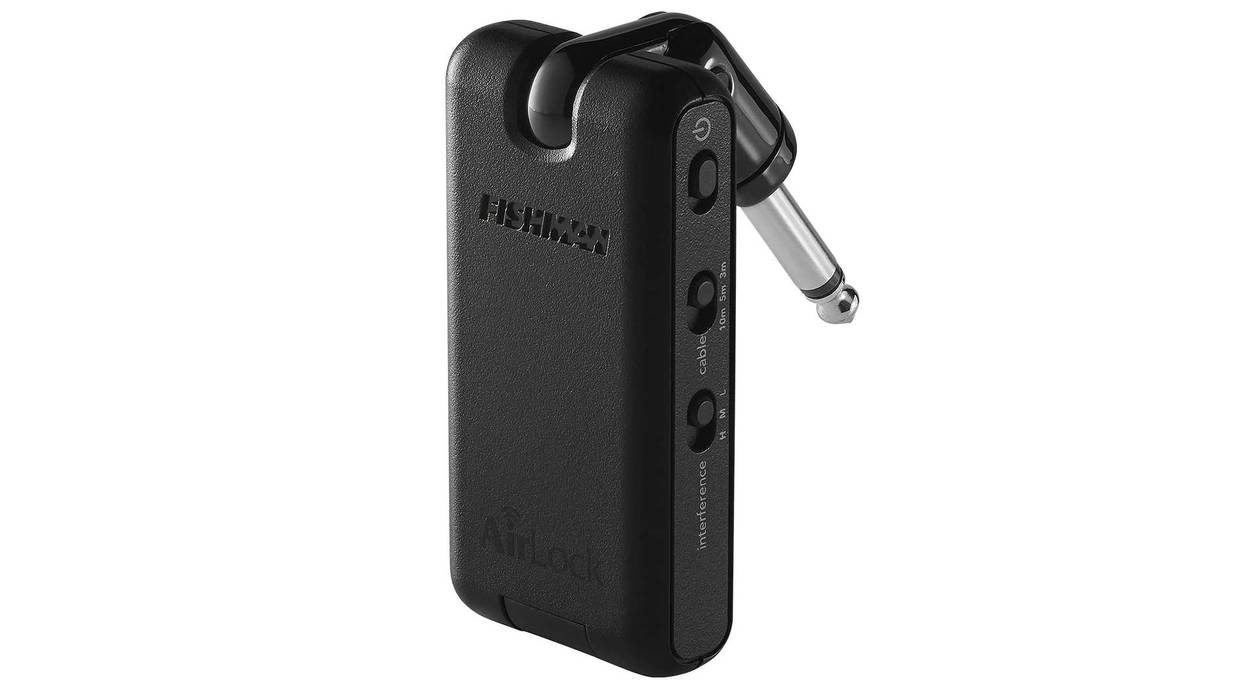
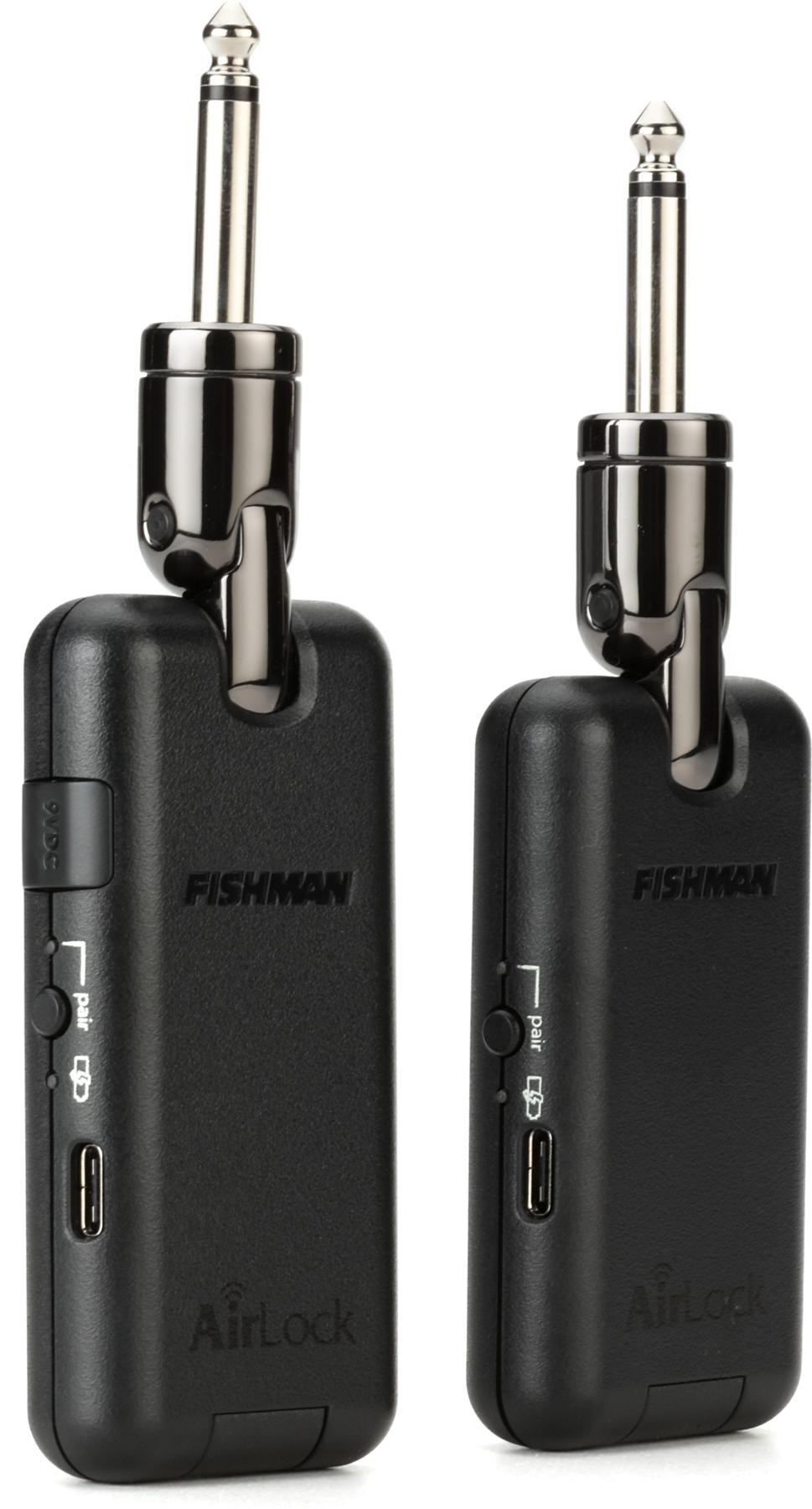
I've kept a keen eye on affordable wireless systems since the late ’90s, when I first decided to go cable-free. The latest entry is Fishman’s look-ma-no-cables debut, the AirLock Wireless GT. It’s an appealing and compact system. There’s a 3.5" x 2.5" receiver that plugs directly into a pedalboard or amp and a 3" x 2" transmitter that plugs into your guitar jack, so size-wise it’s comparable to Line 6’s G30. Like that device, it also has cable tone settings, with positions that replicate the effect the capacitance of 3-meter, 5-meter, and 10-meter cables have on a guitar’s sound.
The kit comes in an 8" x 5" x 3" molded carrying case that includes a Y charging cable to juice up the transmitter and receiver via a single USB out, and a USB data cable. A 5-minute charge gets you two hours of playing time, but a full charge can last for 9 to 10 hours, according to Fishman. There is also a USB power supply that's sold separately, plus the GT can take a barrel pin connector for more permanent pedalboard installs. That’s a lot of options for power.
The transmitter also has a switch to combat frequency interference, with low, medium, and high settings. The higher each setting goes, the higher the latency, but, again according to Fishman, the maximum latency is only 4.9ms, which is, essentially, undiscernible. I certainly could not detect any while I played.
Firing up the AirLock Wireless GT was effortless. The devices are pre-paired and connected instantly every time. The transmitter and receiver also felt very secure when plugged into the inputs of my guitar and my pedalboard, and both devices feature the sam articulating plug, so it’s easy to plug securely into a variety of input-jack styles.
True Tone
Where the AirLock really shines is fidelity, and the cable tone settings are a big part of this device’s overall sonic picture. I loved how sparkling and alive my guitar sounded with the cable tone set at 3 meters: harmonically rich and vibrant in a way my current wireless setup doesn't quite achieve. Honestly, I felt the Wireless GT’s interior circuitry improved my natural tone. With the setting at 5 meters, I heard some loss of high end more like what I’m used to in cost-efficient wireless units. But I also find the resulting darkness and midrange focus appealing, since I typically shoot for a warm, burnished, mid-focused sound. At 10 meters, there was a bit too much detail loss for my tastes, but as always with guitar tones, each individual player’s preferences will out.
The hitch for me was range. While Fishman promises 120 feet under what it refers to as “spin range” conditions (essentially taking a spin around the venue while playing with a lot of energy) and promises that “line-of-sight” is not required, I experienced some dropouts walking just two rooms away from the receiver in my home. When I wandered outside the sound became intermittent at about 50 feet. Granted, there was a wall with a window and a door between me and the receiver, but I’ve gone well over 100 feet off stage in a club and outside into the street, with the signal sustained through a brick wall with glass windows and a door, with my current wireless, which falls in the same price range. Your results may vary.
The Verdict
While my experience with the AirLock Wireless GT’s range didn’t match Fishman’s testimonial, the unit’s price, sound quality, ease of use, and small size is wildly appealing, and I would not hesitate to use it on a large stage or in a space where line of sight is not an issue. As a result, I would urge guitarists looking to play untethered take it for a literal spin themselves.
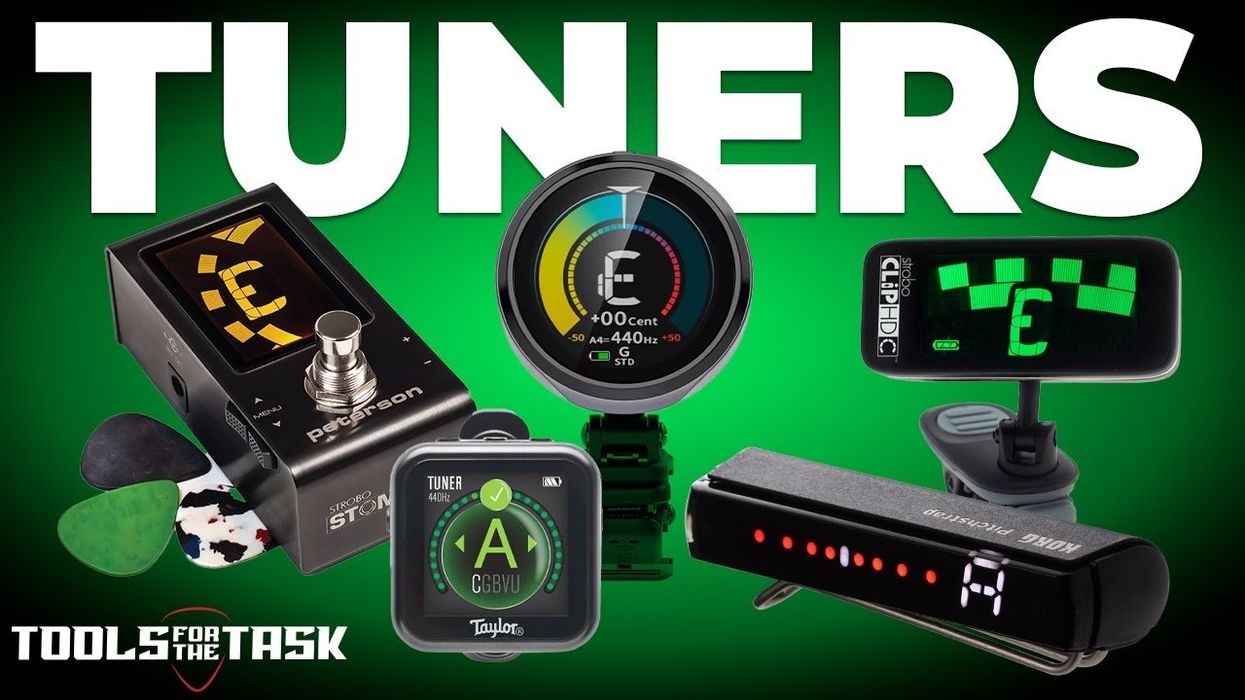
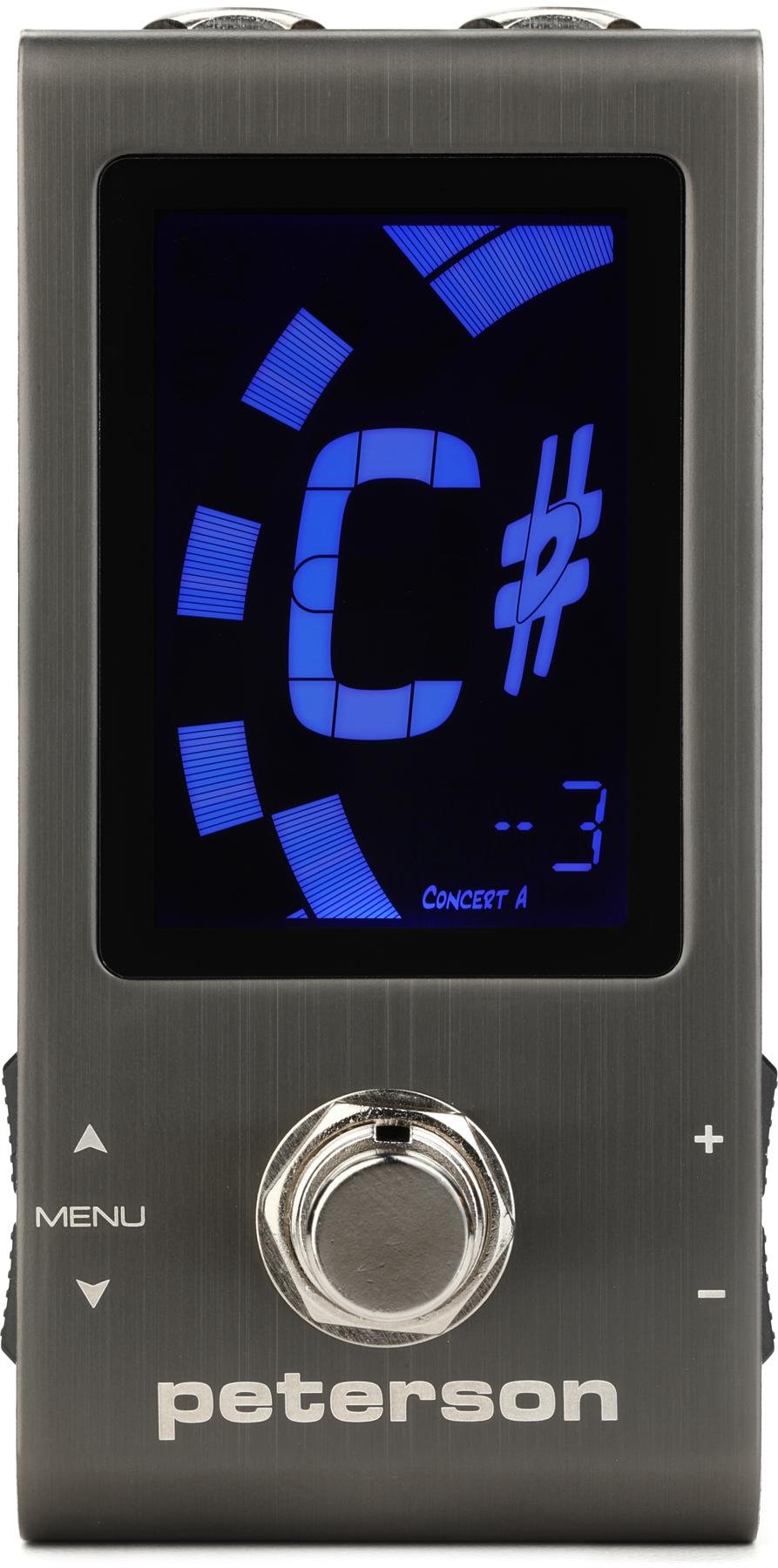
PG contributor Tom Butwin dives into five clever, gig-ready tuner options—some you’ve seen, and at least one you haven’t. From strobe accuracy to metronome mashups and strap-mounted stealth, these tools might just make tuning fun again.
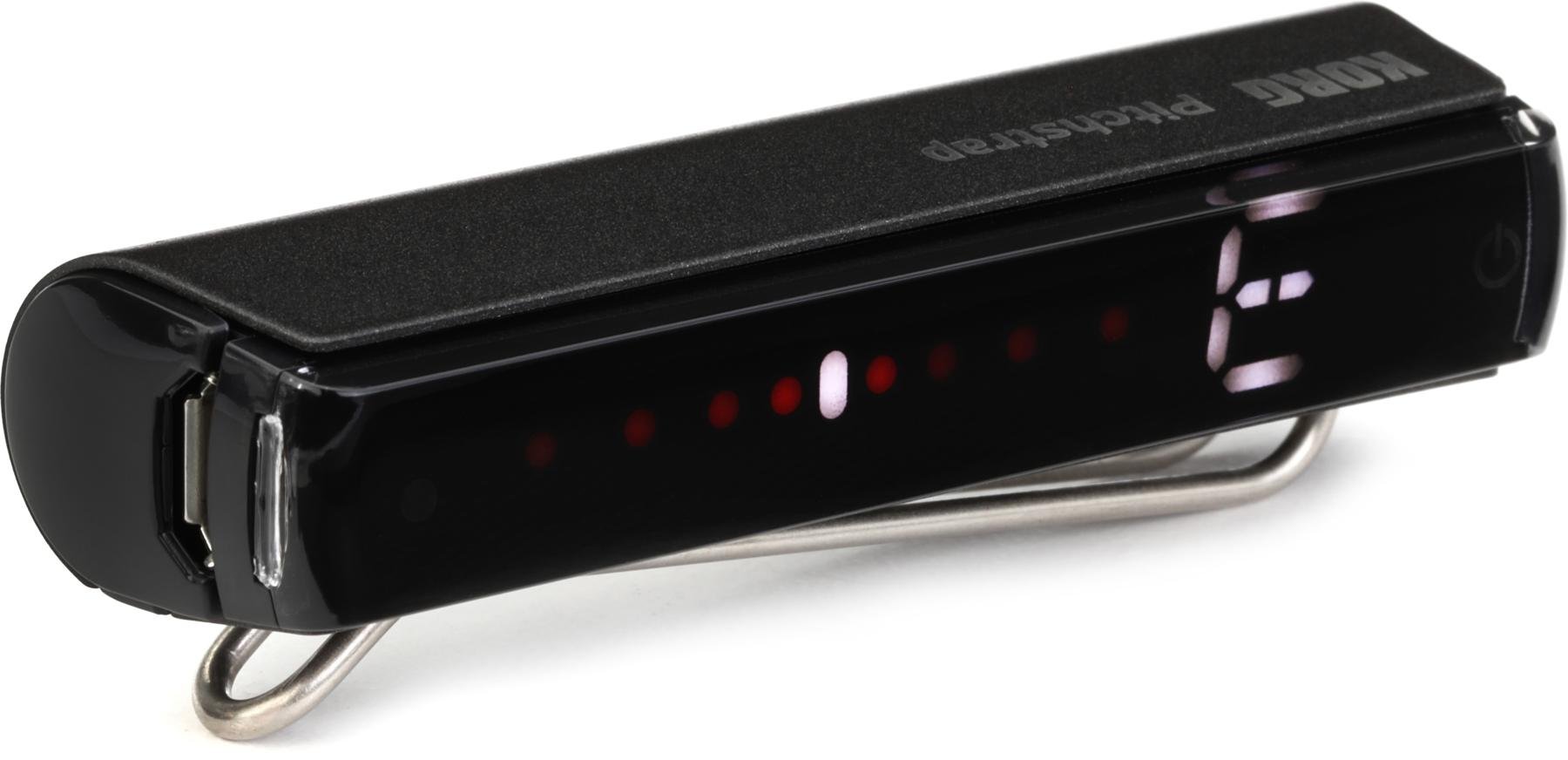
KORG Pitchstrap is the world’s first strap-mounted tuner and features a state-of-the-art technology that allows the tuner to detect the pitch of the guitar or bass from the strap’s vibrations.
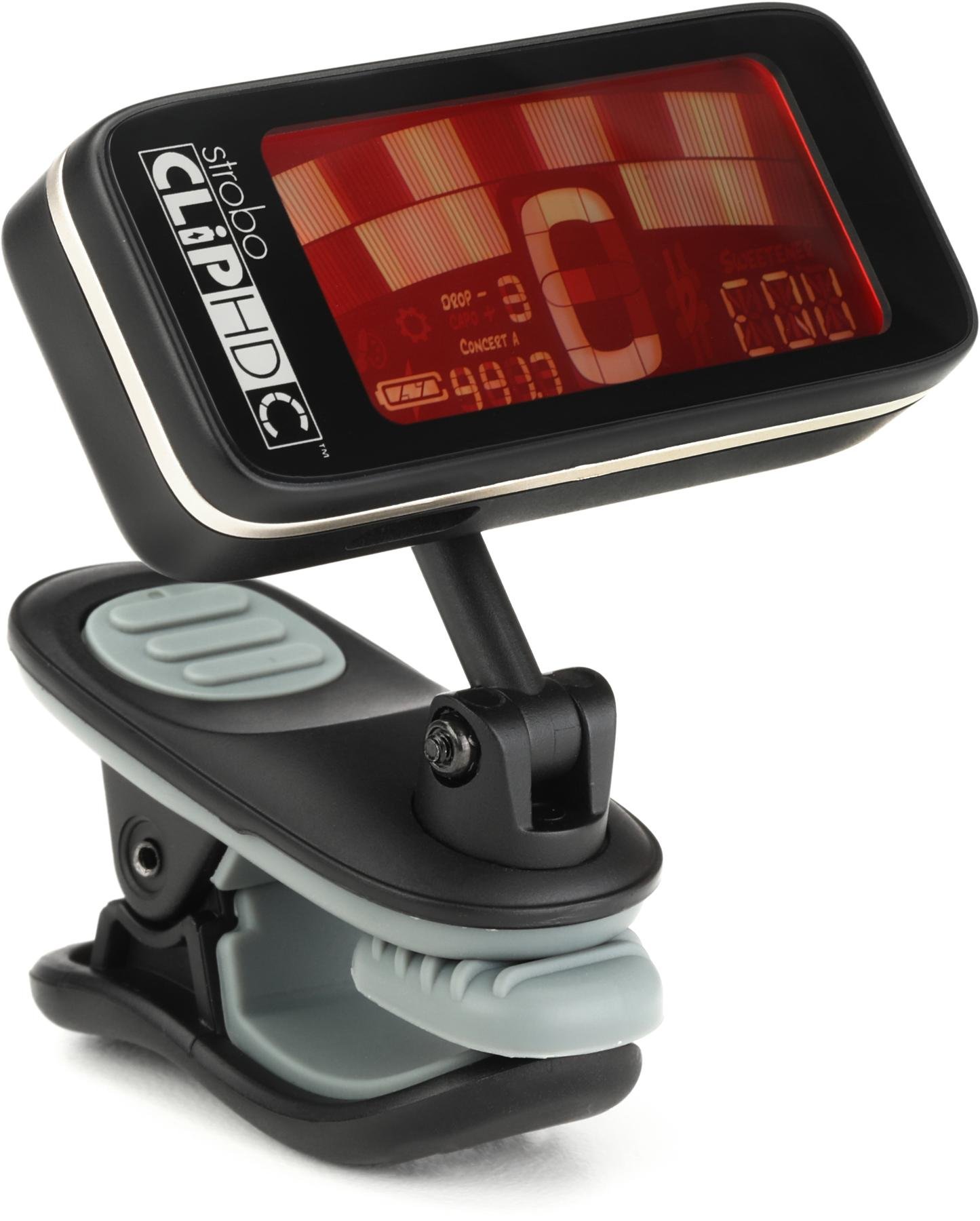
The StroboClip HDC features a high-definition, color backlight display, rechargeable battery and over 65 Sweetened Tunings. With tuning accuracy of 0.1 cents, the StroboClip HDC is the ultimate clip-on tuner.
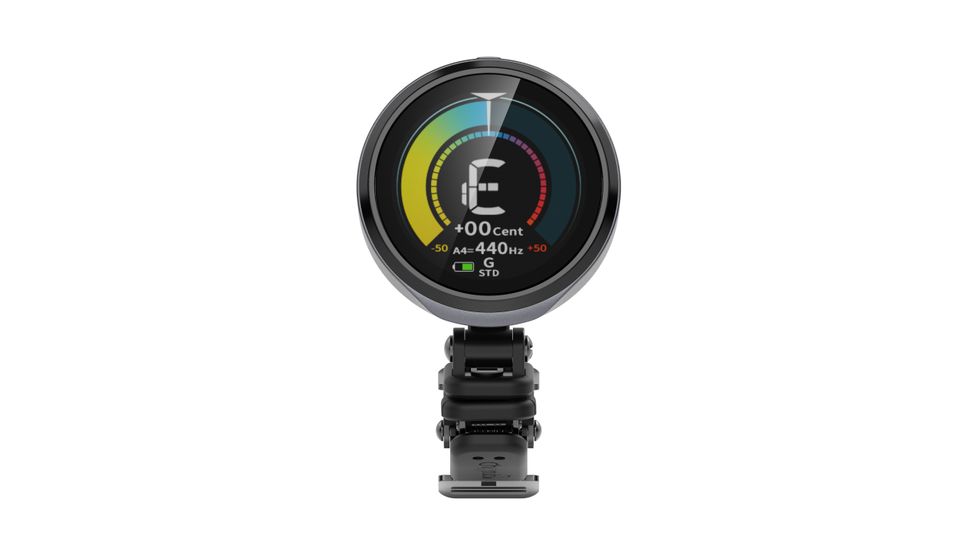
The latest Cherub Pix Tune (WST-915Li) offers 16 vibrant display modes, allowing users to customize their tuning experience to match their own styles. There are 5 meter styles, 3 animal cartoon styles, 2 sports styles, and 6 user customizable styles. You can conveniently upload your boot-up animation and tuning display pictures through the accompanying APPs. With its engaging visuals, tuning has never been this enjoyable!
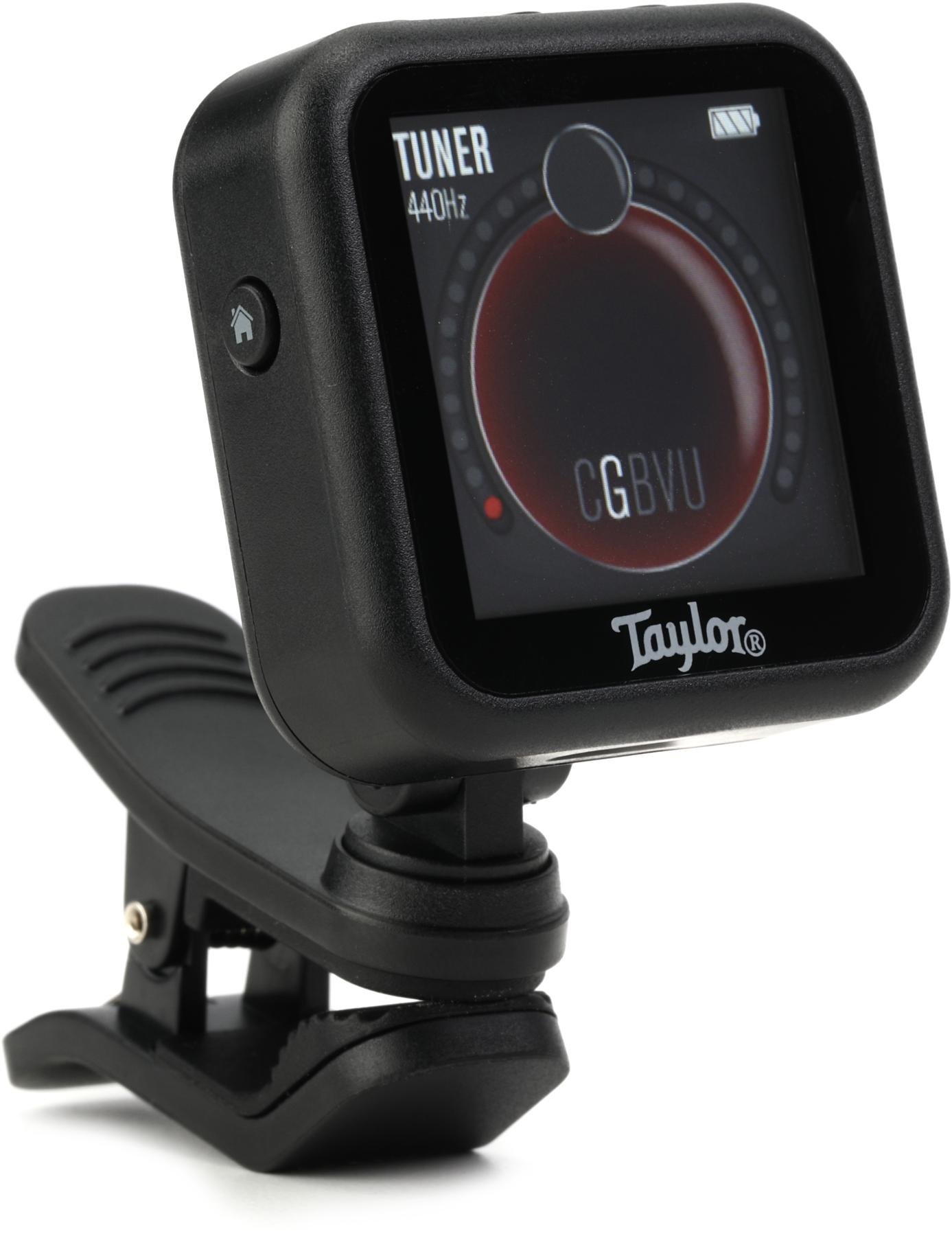
The Taylor Beacon combines a tuner, metronome, timer, and flashlight in one compact device, offering five tuning modes, 12 time signatures, and up to 100 minutes of practice timer.
PG's video crew recounts their favorite moments from this year's interviews and counts down the most-popular episodes—featuring some obvious big-hitters like Kenny Wayne Shepherd, Billy Strings, Steve Vai, and Alter Bridge—that culminate with a few surprises that top out the list.