

One of the best things about being a musician is the people you get to play and work with. Our group is made up of the most interesting outliers in the world. Of all those I’ve been lucky enough to know, undoubtedly the coolest guy in every room was my employer, mentor, and friend Jon Small.
Jon spent his entire life at the center of the zeitgeist. When Jon was a teen working one Sunday in the drum department at Manny’s Music on West 48th Street in Manhattan, his boss told him to assemble an oyster black pearl Ludwig Downbeat drum kit and walk it over, piece by piece, to the Ed Sullivan Theater. That night, Ringo used that kit to change the world.
When Jon’s band the Hassles parted ways with their keyboardist, the drummer went looking for a replacement and recruited a fellow Long Islander, Billy Joel, to see if he was interested in the gig. Billy turned it down until Jon, using his persuasion superpowers—as well as his Manny’s employee discount—promised Billy a Hammond B3 organ with a Leslie cabinet, and closed the deal.
As the Hassles began to disintegrate, Jon and Billy formed a new band, Attila, in 1969, perhaps the only organ/drum metal duo in history. They quickly landed a deal on Epic. Joel's 2005 box set, My Lives, featured one offering from that band: "Amplifier Fire, Part 1 (Godzilla)," a nasty metal jam co-written by Jon and Billy.
The recent documentary Billy Joel: And So It Goes perfectly illustrates what an amazing person Jon was. In the early days, Joel was adrift and battling depression. Jon invited him to live at his place with his wife and son, and while living there, Joel began a relationship with (and later married) Jon’s wife, Elizabeth Weber Small. Jon said it was like losing his “two best friends,” leading to a period of estrangement. Despite the betrayal, Jon forgave Billy, and the two went on to share a successful working partnership and lifelong friendship.
During the split, Jon worked as a session and live drummer for a ton of acts around New York. He was the go-to rock drummer whose energy lifted the spirits of everyone on the stage and in the crowd.
After a motorcycle accident ended his drumming career, Jon moved behind the camera. He founded Picture Vision Pictures and went on to direct or produce hundreds of music videos and concert films.
Working during the MTV boom of the early 1980s, he’s credited with shaping the format through innovative concepts, including the 1986 video for Run-D.M.C. and Aerosmith’s “Walk This Way,” where he came up with the wall-breaking visual that came to symbolize the rap-rock crossover.
“Jon spent his entire life at the center of the zeitgeist.”
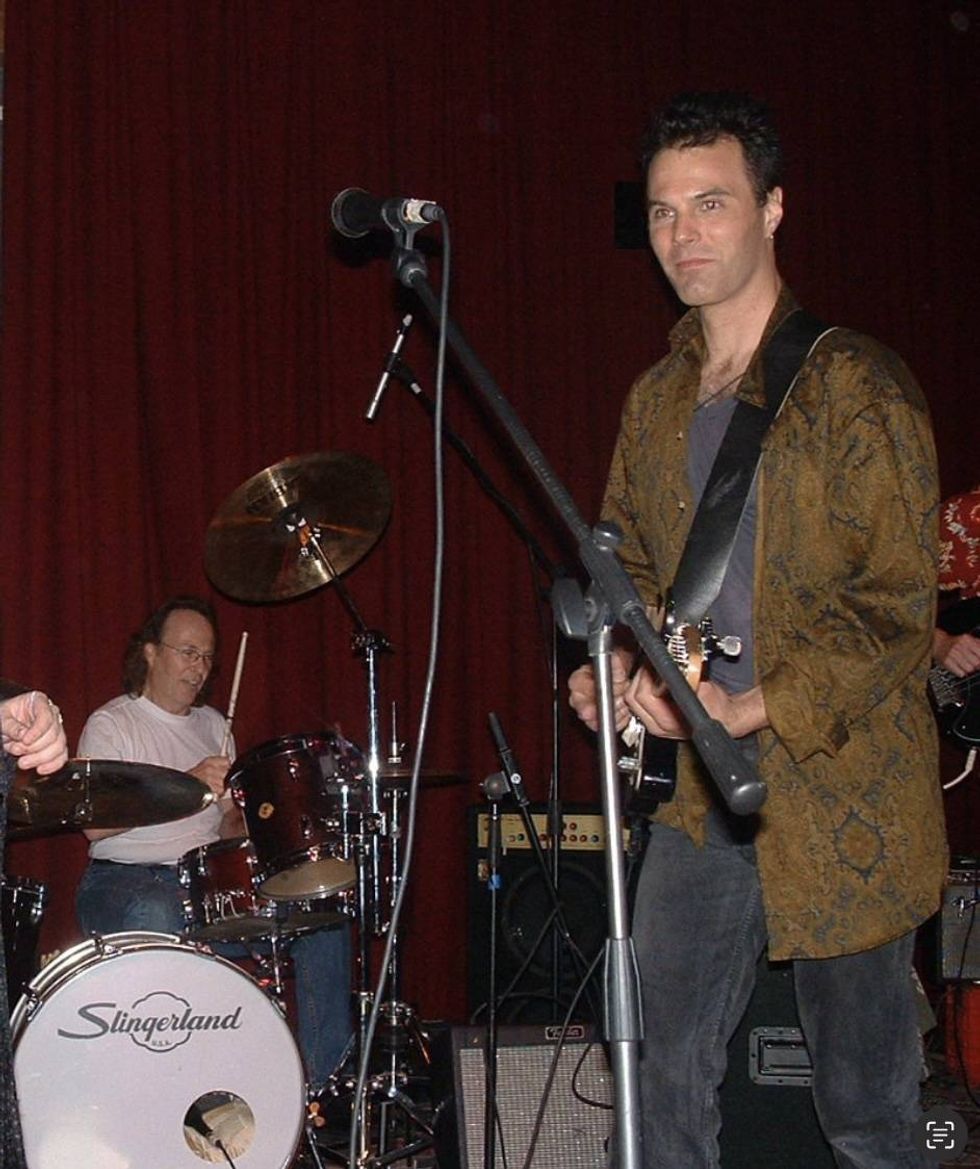
Jamming at an after party
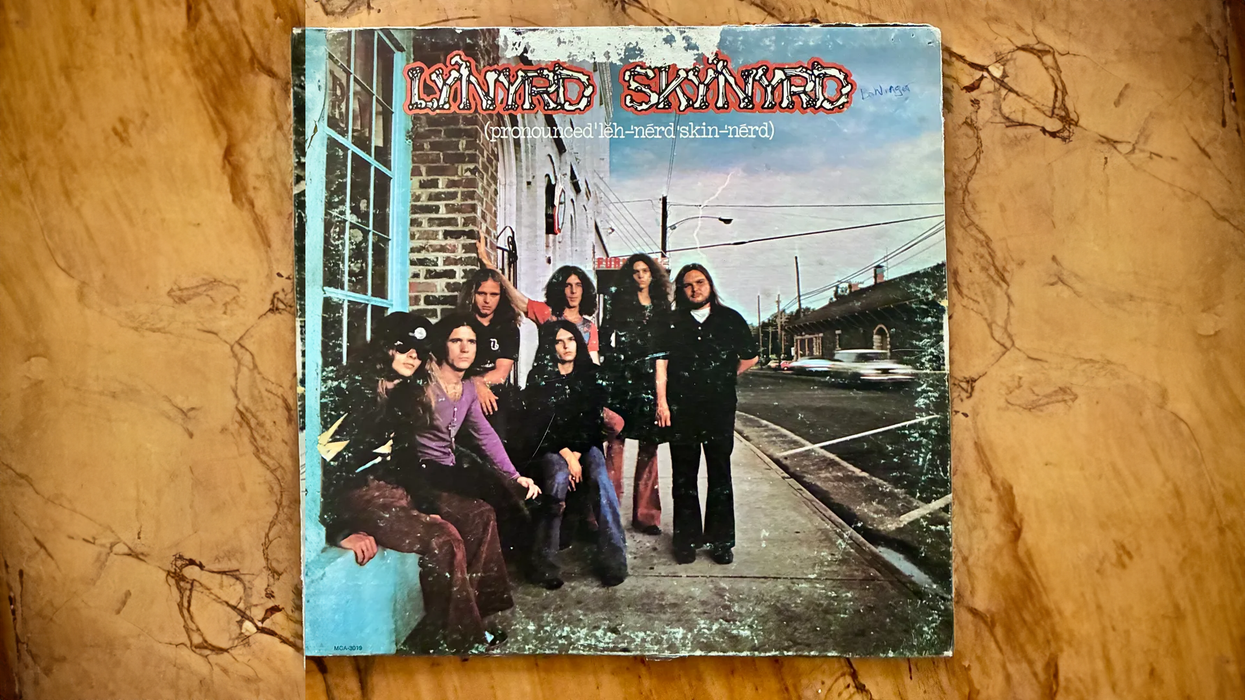
Photo courtesy of John BohlingerHis other work includes a long run of Billy Joel videos, among them “Uptown Girl,” “Tell Her About It,” “Baby Grand,” and “The Night Is Still Young.” He also worked as a director, producer, or executive producer on Joel concert films including Live at Yankee Stadium (1990) and Live at Shea Stadium (2011). He had a similarly long relationship with Garth Brooks, directing the videos for “The Red Strokes” and “Standing Outside the Fire.” With Brooks he also made Live from Central Park (1997), Yankee Stadium Live (2016), and Live at Notre Dame (2018). Other videos he worked on include Reba McEntire’s “Whoever’s in New England” and “Does He Love You,” Whitney Houston’s “Greatest Love of All,” and his final major directing credit, co-helming Luke Combs and Eric Church’s “Does to Me” with Trey Fanjoy. He also made concert films for the Highwaymen, Lynyrd Skynyrd, and James Taylor.
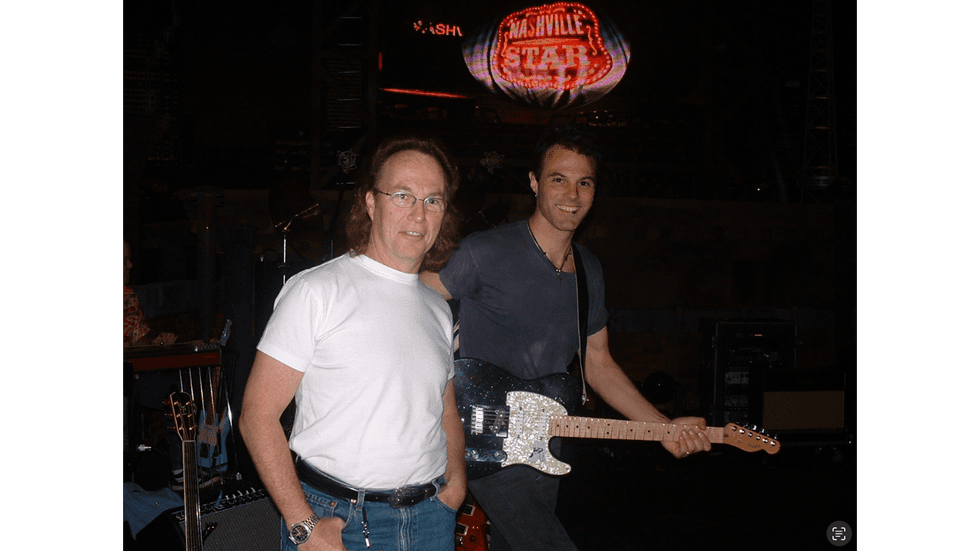
In 2003, Jon took a chance on me and hired me to lead the band on Nashville Star, a country talent show that debuted on USA (and later moved to NBC) the year after American Idol launched. That job changed my life. Over six seasons, the show produced Miranda Lambert, Kacey Musgraves, and Chris Young, and all three are still major country stars today.
Jon taught me lessons that have guided me ever since. The first is to be kind to everybody. The second is to hire good people and then trust them. Give them direction and step back, and if something goes off the rails, give them some perspective instead of micromanaging. He also told me not to worry about work: Do good work and work will find you. The gig isn’t your security; you are your own security. He believed in keeping the work fun, especially when it got stressful and difficult. And he taught me that forgiveness is a gift you give yourself. Those lessons carried me through 20 years of leading bands on television.
Although Jon left this realm on September 4 of this year, his influence is evident throughout our industry. I’m certain that, in the next life, he will remain the coolest guy in the room.