

There’s a peculiar moment that happens in almost every musician’s life. You finally get access to “the thing”—the ’59 Les Paul, the ’68 plexi, a Telefunken U47, a Fairchild 670, or a console with legendary lineage—and somehow, things sound worse.
A sense of being underwhelmed washes over you. Nothing’s broken or defective, but something’s just not right. The guitar and amp’s combination of legendary aggression sounds positively genteel. The sound out in the tracking room with the band is electrifying, but in the control room it’s completely flaccid. These are the moments seldom written about. Tighten up, the Dojo is now open.
The Seduction of “Better”
We’re told that better tools produce better results. That there’s a magically sacred linear relationship between cost and quality. But that assumption quietly robs us of agency and invites a disaster of complacency.
There’s an old saying: “It’s the wizard, not the wand.” While IMAX images of Harry Potter and Voldemort might be flashing around in your mind, the core message is that it’s your knowledge of the tools in hand that gives them power, not the other way around.
I’ve tracked in world-class studios, behind consoles that carry decades of legendary hit records in their circuitry. Played guitars worth more than my house. Patched in pieces of outboard gear that cost more than ten times my first car. But I’ve also made records in apartment closets with modest budgets and “economy-grade” gear that were commercially successful.
The Day the Neve Humbled Me
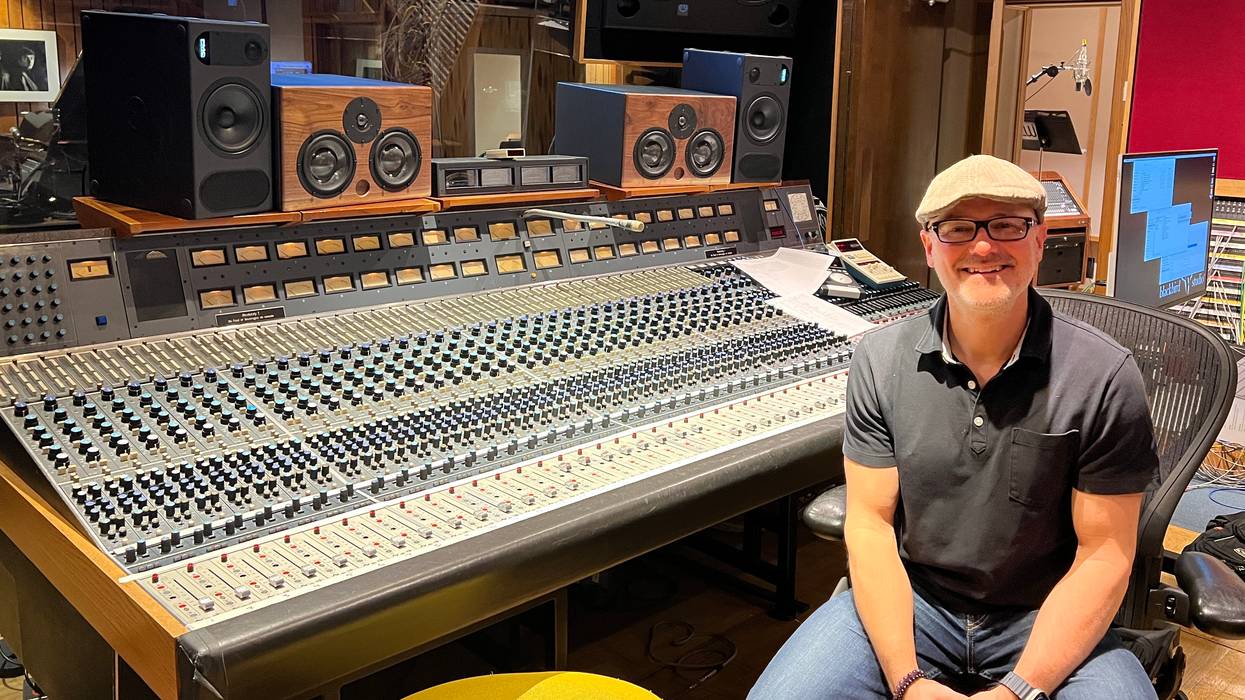
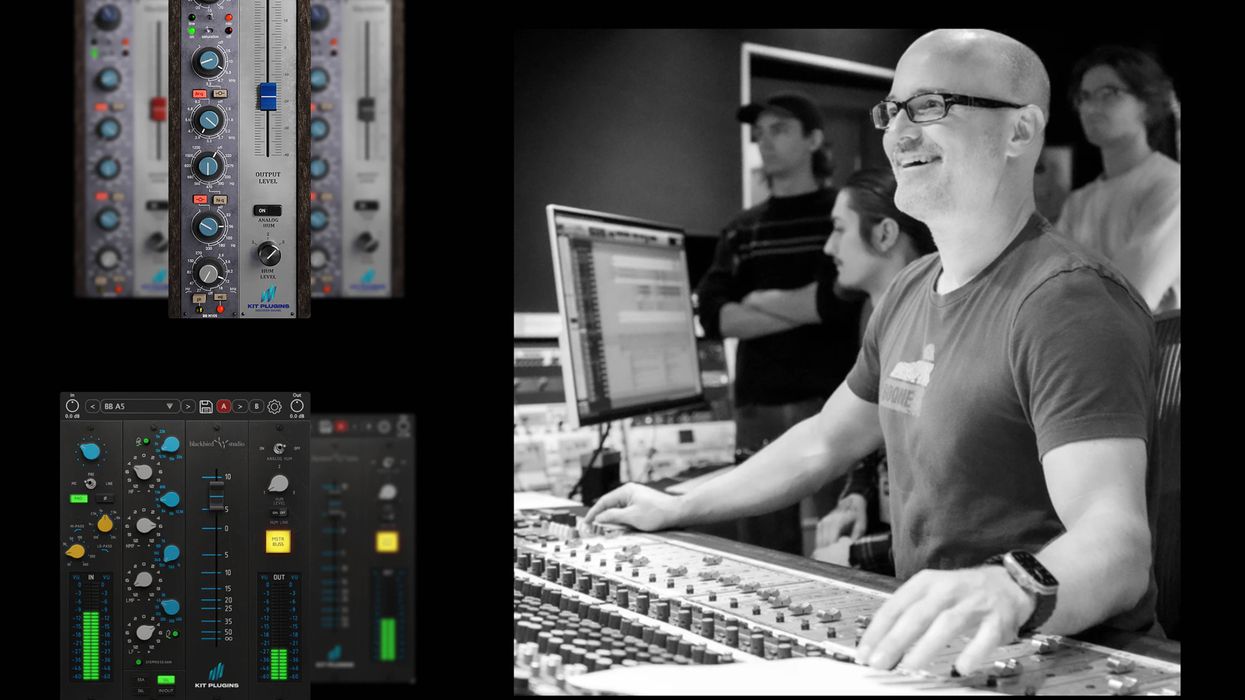
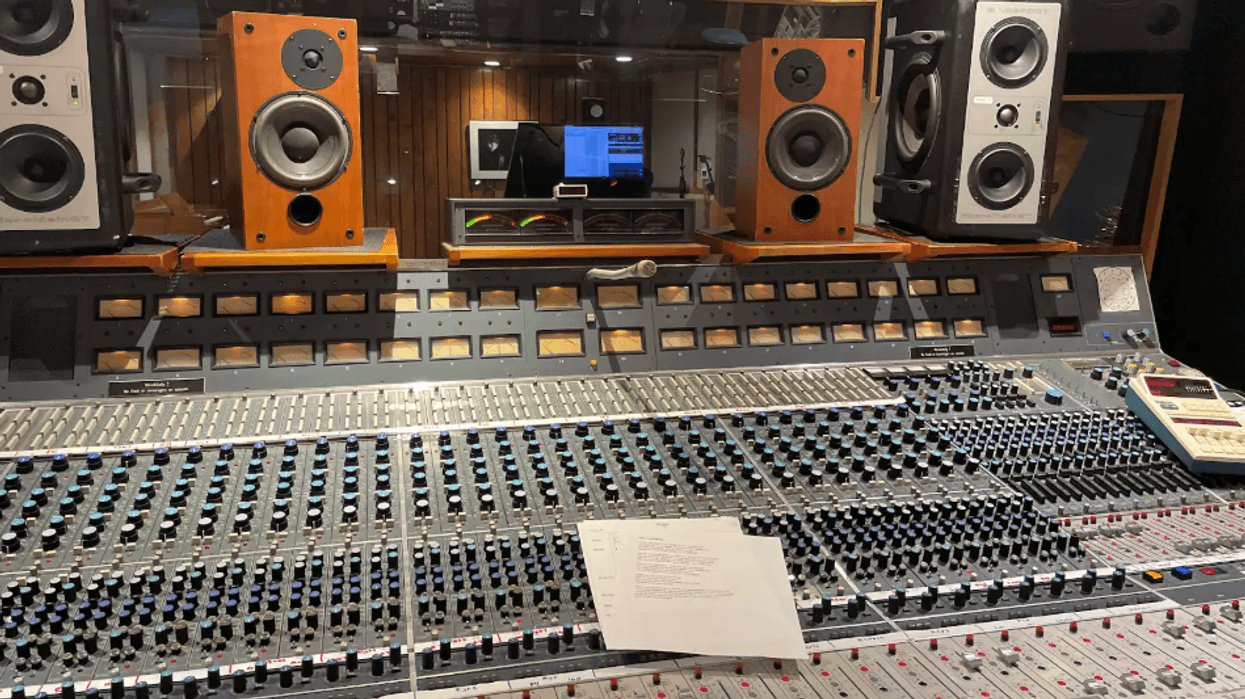
The first time I tracked by myself in Blackbird’s Studio A through the Neve 8078, I felt like I’d been handed Excalibur. Here I was at one of the greatest, most renowned studios in the world, and I knew the history of the console. I’d watched other engineers glide across its modules like surgeons. The Neve 8078 is not just a console—it’s a living chapter of recorded history encased in steel and wood. And now I was sitting behind it, with a band in the other room!
The band was great. The room sounded enormous. Everything about the environment whispered: This is going to be amazing. We rolled tape. I struggled.
Not because the console sounded bad—quite the opposite, in fact. It sounded big. Open. Three-dimensional. The low end was detailed in a way I hadn’t quite wrestled with before. The top end wasn’t hyped—it was extended.
Suddenly, the small imbalances in my mic placement were obvious. My gain staging decisions were laid bare. The way I’d leaned on other gear in other studios to “glue” things together wasn’t happening automatically.
“The band was great. The room sounded enormous. We rolled tape. I struggled.”
High-end recording equipment is brutally revealing. And vintage recording gear can be capricious and downright adversarial—failing tubes, noisy signal output, sticky switches, etc. If you don’t take the time to really know the gear, it will mercilessly reproduce your confusion in high resolution, preserved for all time.
I remember having a brief, quiet, panicked internal conversation starting with, “Why does this not instantly sound like a record?” And ending with, “Do I suck?”
And that’s when it clicked. It’s the wizard, not the wand. And this was a huge wand that I’d never used before. It demanded to be respected and understood before I could get what I wanted out of it. Luckily, I was prepared. I knew the mics, the outboard gear, and the musicians, and I had a sonic vision in mind. I just needed to get my arms around this console, make the necessary adjustments, and move forward—which I did, and the session was great!
The point that I’m trying to make is that you really need to know the gear you are using. Whether it’s a plugin, a new amp, a mic, a guitar, different strings, etc. Not only will it give you a creative advantage and more efficient workflow, but better results.
Here are 4 strategies to help you grow:
1. Use a single compressor on everything for 7 days
Learn where it shines. Learn where it fails.
2. Mic Placement Repetition
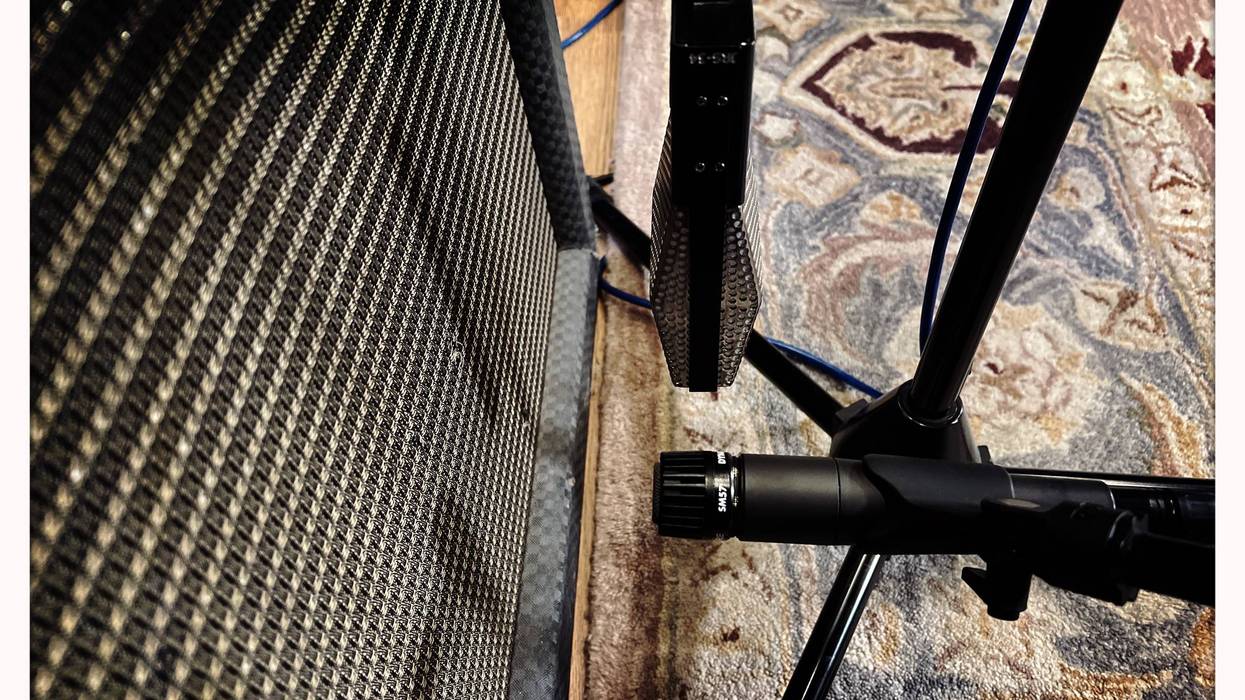
Move a mic half an inch at a time and record the difference. Train your ears to hear proximity, phase, and off-axis tone.
3. Limit the Palette
If you can’t make it compelling with fundamentals, more color won’t save you.
4. Gain Staging Discipline
Track conservatively. Leave headroom.
Notice how clarity improves when you stop chasing loudness too early.
Until next time, namaste.