

In the modern DAW world, every plugin comes with a buffet of presets promising instant results: “Vocal Gold.” “Drum Bus Glue.” “Radio-Ready Mix.” The implication is that these settings are the magic sauce separating amateurs from professionals. Just load the preset, and you’re done. Right?
Not quite.
Presets can be powerful tools, but only if you understand what they really are: starting points, not finish lines.
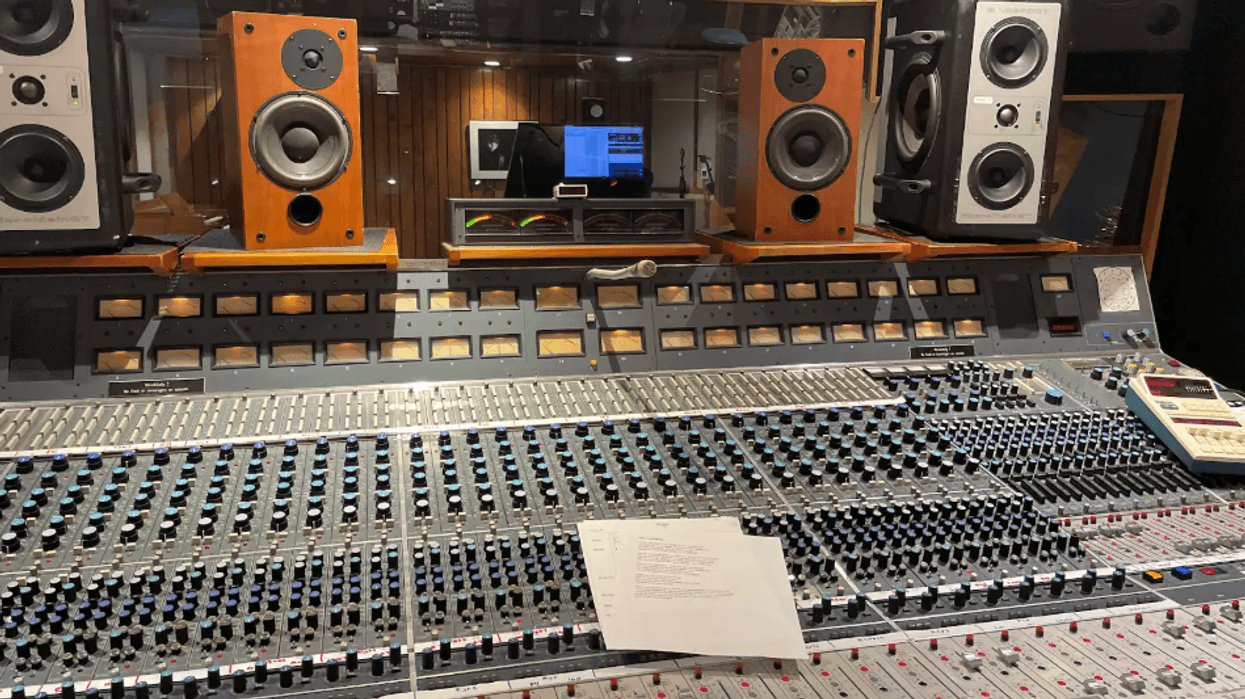
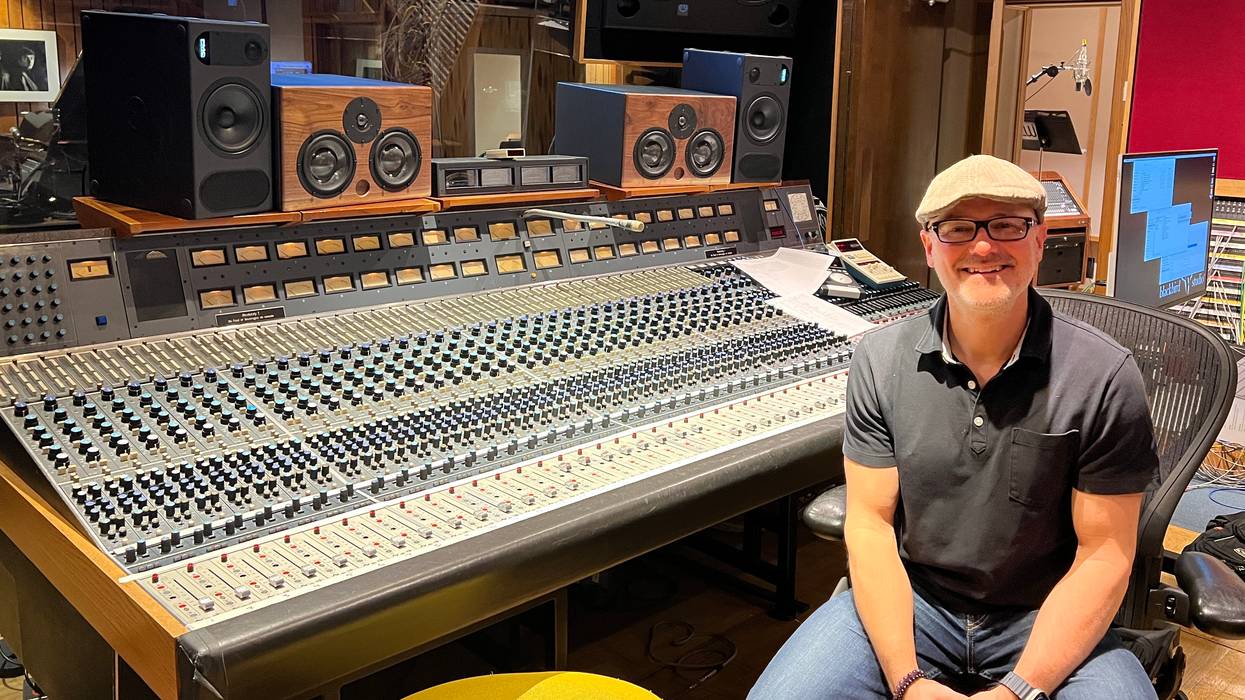
I’ve spent years inside some of the best studios in the world, working with world-class players, gear, and engineers, and I’ve seen how subtle context drives every EQ, compressor, and fader move. That experience shapes how I approach presets—and how I think they should be used.
Designing Presets with KIT Plugins
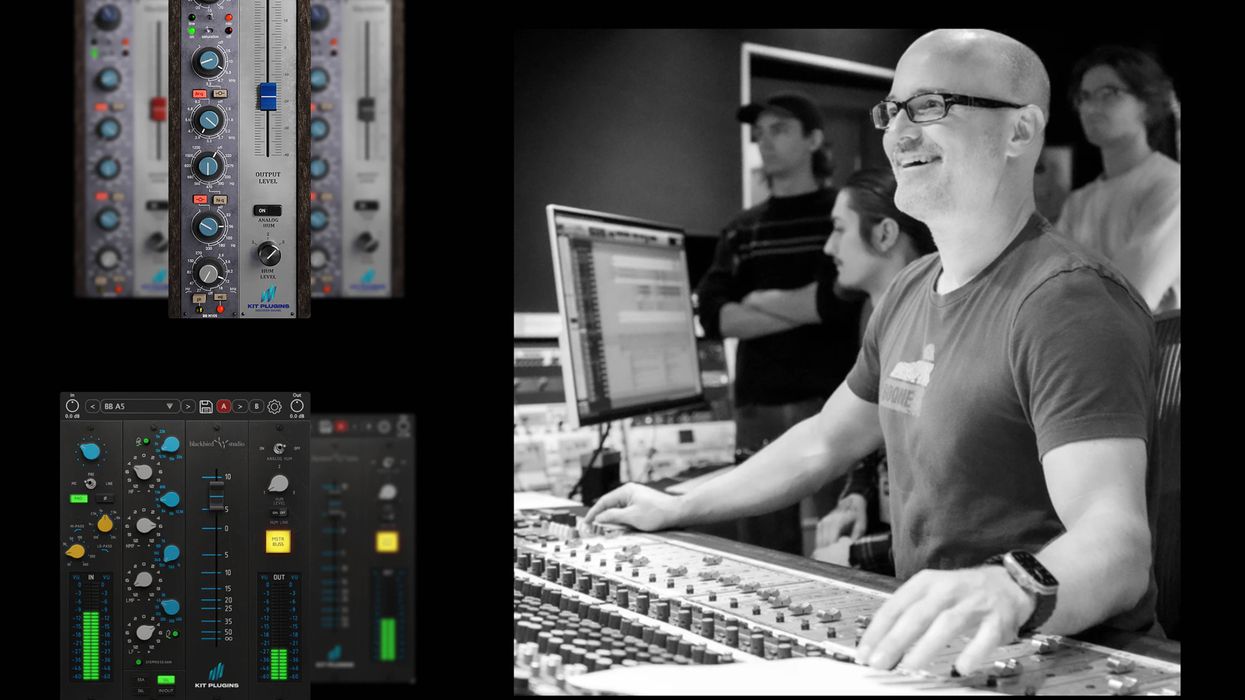
I’ve had the privilege of working closely with the team at KIT Plugins almost since their beginning—as an early beta tester and collaborator on nearly every product they’ve released. When they asked me to design some of the included presets for the BB A5 (a modern interpretation of a 96-channel Legacy API console, $199 Street) and the BB N105 (modeled after Blackbird Studio’s world-famous Neve 8078 console - $99 Street), I felt genuinely honored.
I’d spent years recording and mixing through those very consoles and EQs at Blackbird, and now I had the chance to help translate that analog DNA into the digital world.
When creating my presets, I didn’t approach them as “ready-made sounds.” Instead, I thought of them as guides—compass points that could help an engineer or musician quickly find a tonal direction. Each one reflects a real-world scenario from my own sessions: a slightly edgy vocal that needed midrange presence, a bass guitar fighting for space in a dense mix, a snare that needed to punch through without losing body.
Every preset I made came from that practical place. My goal was to share a bit of the process—how I think about frequency balance, gain staging, and energy within a mix—not to hand anyone a “paint-by-numbers” result. That distinction matters.
The “Preset Mismatch”
Imagine: you open a plugin, scroll through the options, find something like “Vocal Gold,” and think, “Perfect, that’s exactly what I need.” You load it—and suddenly your vocal sounds worse.
What happened?
Every preset, whether it’s mine or someone else’s, was born in a very specific context. Maybe the original source was a male singer with a soft top end and a ragged low midrange. Maybe he was singing into a vintage Neumann U67 through a Neve 1105 preamp, hitting a “Blue Stripe” 1176, inside a mix stacked with distorted guitars and busy drums.
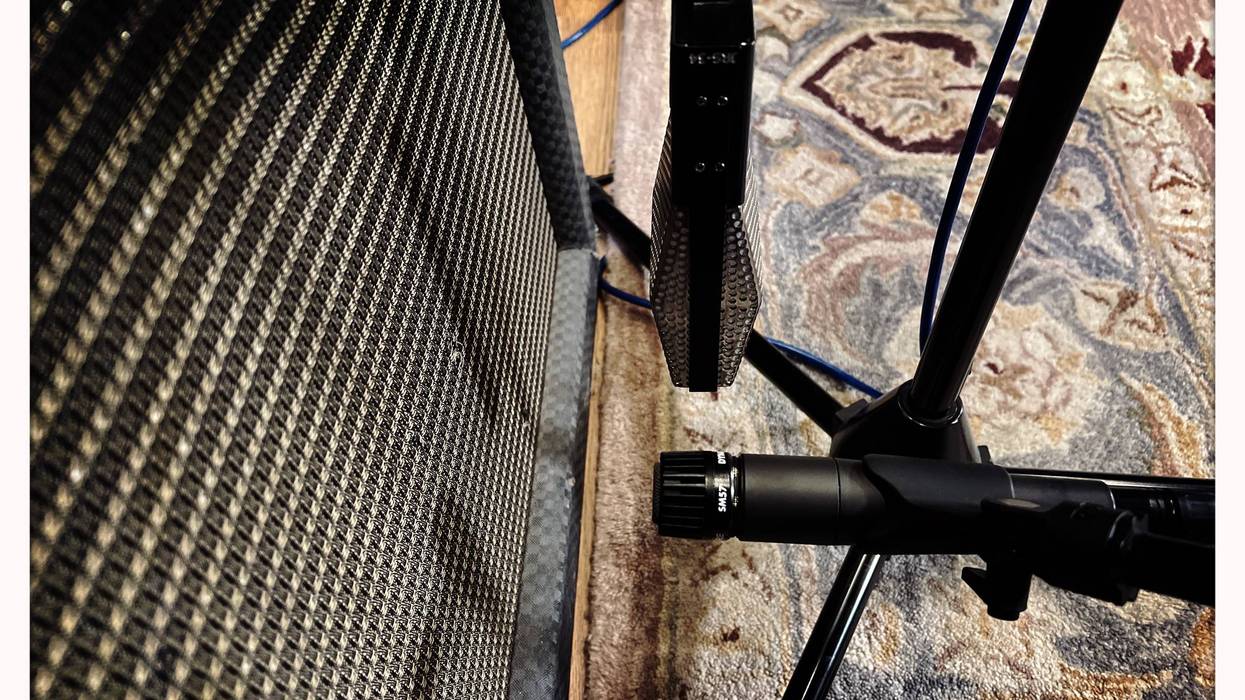
But if you’re recording a lo-fi shoegaze female vocal with an SM57 in a bathroom through an Apollo X2, that same EQ curve will likely make your singer sound potentially worse. (Or will it?)
“Every preset, whether it’s mine or someone else’s, was born in a very specific context.”
The preset didn’t “fail”—it just wasn’t meant for your signal chain.
There are layers of invisible context behind every EQ decision: the performer, the instrument, the mic, the preamp, the compressor, the room, the genre, and the emotional target of the mix. When you remove a preset from that ecosystem, you have to re-interpret it. Otherwise, you’re comparing apples to lava lamps.
How to Use Presets the Right Way
Presets are at their best when you treat them as teachers. Here are four ways to get the most out of them:
- Start, Don’t Stop
Load a preset, listen, and then move a few knobs. Ask yourself why it sounds the way it does. Does it bring clarity, weight, excitement? Or does it tilt things too far? You’ll learn more by adjusting than by accepting. - Reverse-Engineer the Intent
Solo each band or section. If it’s an EQ, sweep the frequencies. If it’s a compressor, change the attack and release. Try to imagine the sound that inspired those moves. That’s how you train your ear. - Ignore the Labels
“Vocal Gold” might be perfect on a snare drum. “Drum Bus Glue” might breathe life into an acoustic guitar. Don’t let the category box you in. Think in terms of function, not title. - Trust Your Ears Over Everything
No preset designer, even the most experienced one, can hear what you’re hearing in your room with your monitors. The final call always belongs to your ears.
The Value of Presets
When I sit down to make presets, I’m not trying to predict your sound—I’m trying to invite you into the process. A well-made preset can accelerate learning, spark curiosity, and remind you that every mix decision has a reason behind it.
They’re saying, “Here’s how I started; now make it yours.” Used that way, presets become more than convenience—they become education. They let you peek over the shoulder of another engineer for a second and understand why a particular setting works.
So, the next time you load one of my KIT Plugins presets, don’t treat it like a rulebook. Twist the knobs, push it too far, pull it back, and most of all, listen. Because presets aren’t prescriptions—they’re invitations.