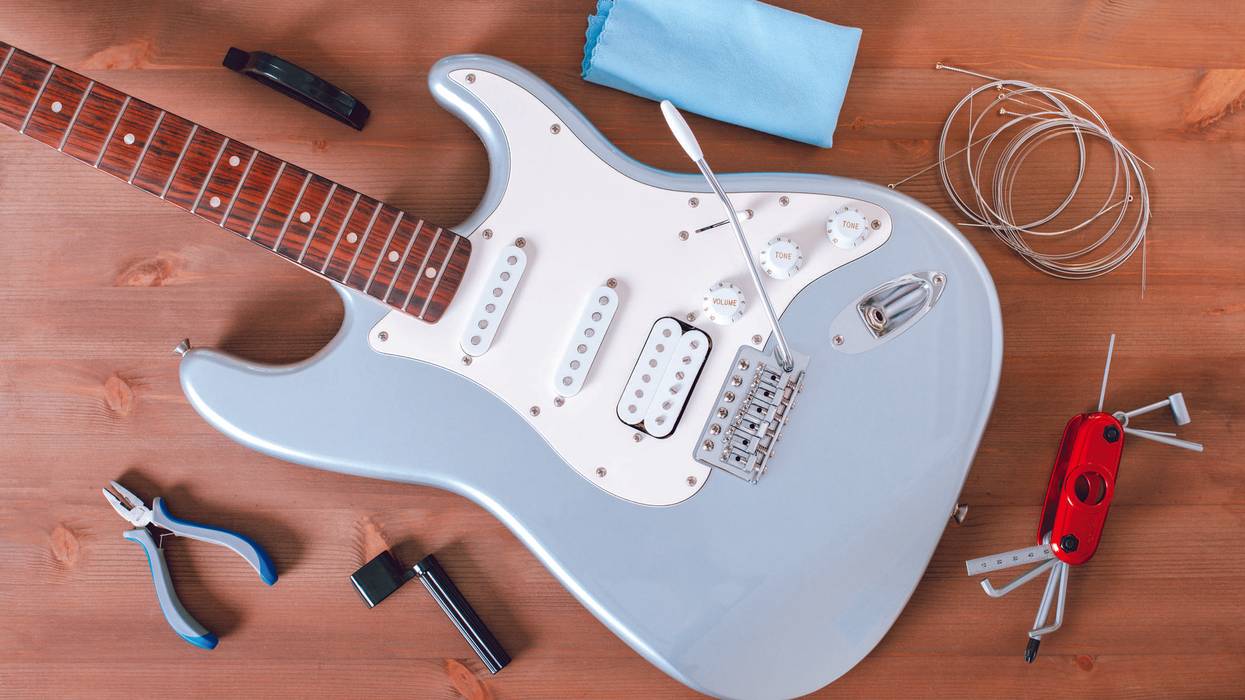

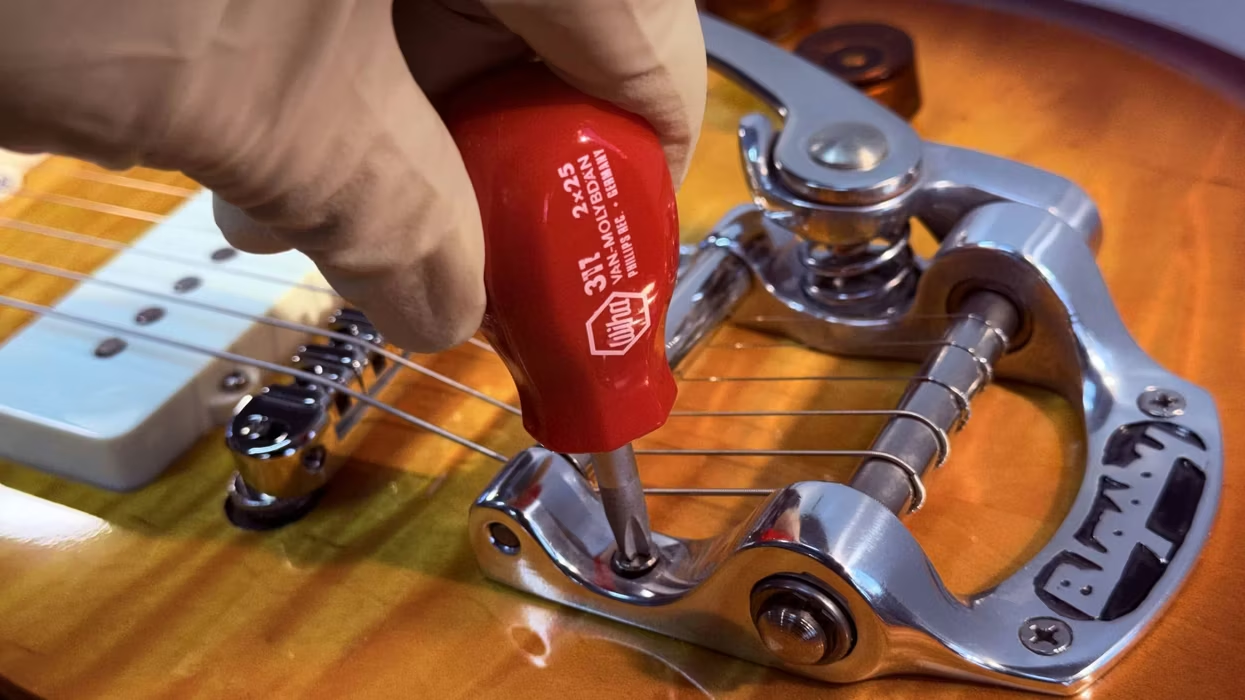

Electric guitars can be marvelous contradictions. They are simultaneously robust mechanical objects and fragile ecosystems where a few small changes can turn poetry into prattle. The good news for those of us who prefer our magic quick and easy is that improvements don’t require a lot of money or late nights spent questioning life choices. Here are a handful of my favorite simple tweaks that can enhance performance and sound. I think of these as seasoning adjustments rather than major structural renovations—salt, not sous-vide.
1. Saddle-Slot Polishing: Who doesn’t benefit from a nice massage? I know I do. Microscopic burrs or rough casting marks on saddles—especially on import bridges—can rob sustain and introduce phantom harmonics as well as tuning issues. You don’t need to totally reshape anything, just a little buff and shine. Use a strip of 1000–2000 grit sandpaper or abrasive cord gently pulled through the string slot a few times. The goal isn’t to reshape anything, it’s just subtle smoothing. The audible result is a clearer attack, smoother decay, and fewer pings when tuning.
2. Trem Spring Alignment and Tension: Fender-style tremolo springs are usually installed once and then forgotten, but uneven spring tension can cause a bridge to return inconsistently. Try loosening the claw screws slightly and then retighten them evenly, counting the turns and matching the distance traveled. Be sure to mark where you began by drawing a line on a piece of masking tape. I like to snap a reference photo to remind me where I started. Symmetrical tension often yields a more predictable return-to-zero, so start there. Some techs advise removing a spring or two on the treble side where the tension is higher, but I always start with all of the springs on deck. Keep experimenting until you get the result you want. If things improve, you’re gold. If not, relax, because that photo will always be your map back home.
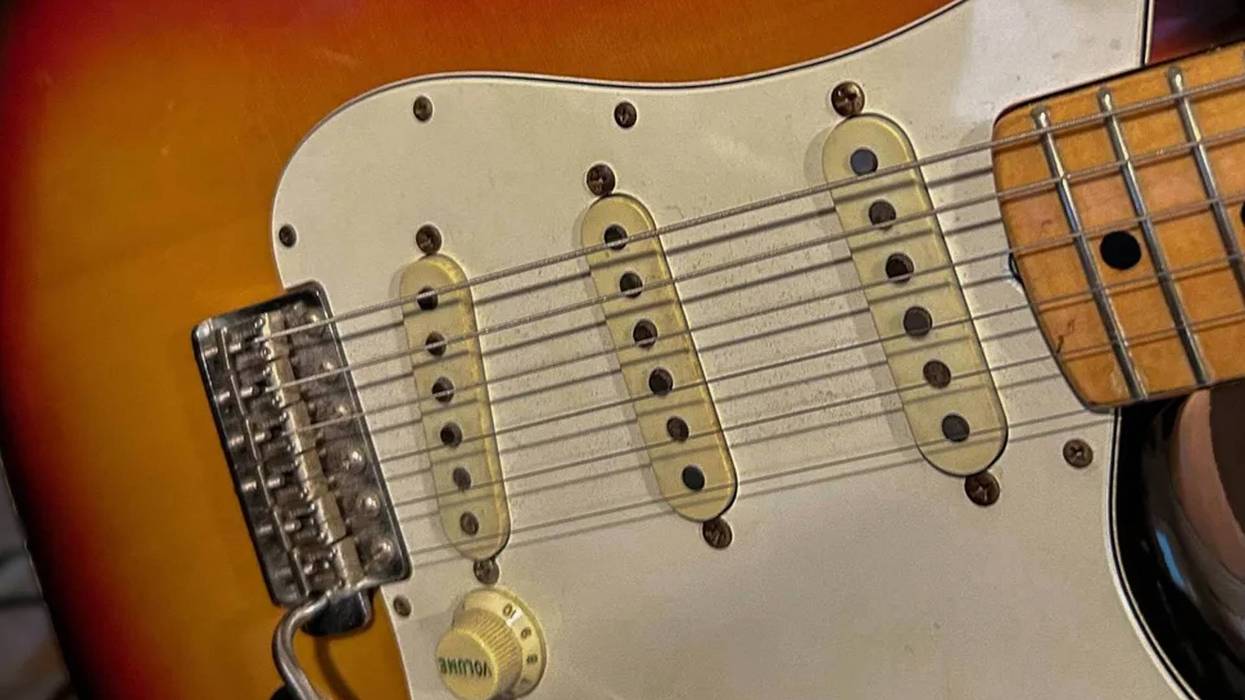
3. Pickup Screw Isolation: Here’s one for those of us not afraid of getting lost in the woods. Pickup-mounting screws can transfer vibration from the body into the pickup in unpredictable ways—especially if you play loud or use a ton of gain. Put a short length of surgical tubing over the adjustment screws instead of using traditional springs. The pickup becomes mechanically quieter, which translates to less microphonic behavior at volume. Larger tubing can quiet the springs themselves if that’s the problem. While you’re in there you can stick a length of self-adhesive foam rubber to the bottom of the pickup plate to calm down microphonics.
“Electric guitars are a microscope for vibrations, so it helps to start at one end of the fiddle and check everything that screws or bolts down.”
4. Contact-Point Cleaning: Electrical contact cleaner is cheap but the results are big. Your guitar has more contact points than you might imagine. Output jack, switch contacts, pot wipers, and bridge ground screws are all fair game. Oxidation is the silent tone thief, stealing high end and dulling your tone. A five-minute cleaning session can restore sparkle you didn’t realize had left the room. This isn’t mojo—it’s maintenance. If you’re feeling ambitious, take this opportunity to re-solder anything that looks questionable.
5. Tighten Up and Fly Right: Loose or rattling parts can introduce mechanical noise, especially at stage volume. Electric guitars are a microscope for vibrations, so it helps to start at one end of the fiddle and check everything that screws or bolts down. Start with the tuners and work your way down. The audible differences are minimal—until they aren’t. When you’re standing in front of a loud amp, eliminating one more source of chaos is an act of mercy.
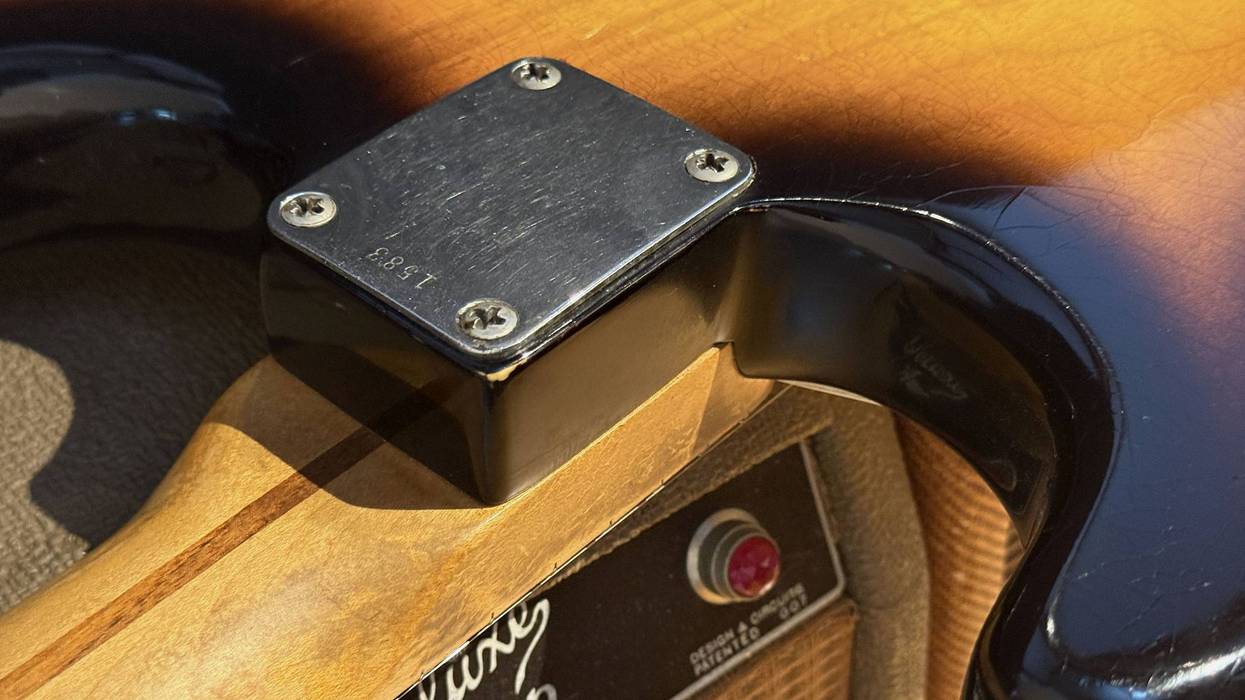
6. Neck-Screw Torque Consistency: On bolt-on guitars, uneven clamping pressure can subtly affect resonance. Remove and reinstall the neck screws one at a time, tightening them evenly and deliberately—not crazy-tight, just consistent and snug. If you feel any of the screws very easy to turn going in, you might want to put a thin strip of wood in the body hole to improve positive mechanical contact. If you want, you can remove the neck altogether and look for stray finish or anything that might be between the neck and body that might rob the transfer of vibration.
Final Thoughts from the Bench: None of these modifications will turn a plank into a prima donna on their own, but that’s not the point. Guitars, like recipes, respond best to small, thoughtful adjustments made by you while paying attention. Every little thing contributes to the whole. Sometimes the improvement isn’t just the sound itself—it’s your relationship to the instrument after you’ve listened closely while messing with it. And if nothing else, you’ll have spent a few hours learning about your guitar in the most direct way possible: with your hands on it, instead of your wallet.