

The constant drumbeat of AI reporting, of which this column is ironically a part, vacillates between heaven and hell, utopia and dystopia, and everything in between. For those guitarists and songwriters who choose to ignore this important subject, I recommend watching Rick Beato’s YouTube video titled “I'm Sorry...This New Artist Completely Sucks” for a quick overview on where things stand in this last quarter of 2025. While the current state-of-the-art capabilities are advancing at an incredible pace, I can’t help but look backwards for clues as to how instructive or destructive this whole thing might be. The question at hand is not only whether this technology will bury us in crap music, but what it means to be a musician or a songwriter.
The most knee-jerk fear is that AI music will eliminate the need for musicians and instruments—or, for that matter, recording studios as we know them. Naysayers point to the growing percentage of computer generated music now flooding streaming platforms and predict that this content will eventually drown out practicing musicians. It’s already hard enough to get your music noticed, and even harder to generate a living wage by monetizing your output. This isn’t a new trend for bands, who have seen recording sales drop. At the same time, streaming income is so low that live gigs and merch are their biggest sources of revenue. The worry is that AI supercharges this slide into bankruptcy by creating a flooded zone of music that propagates at a magnitude beyond what “real” musicians can offer. In this scenario, a rising tide doesn’t float all boats.
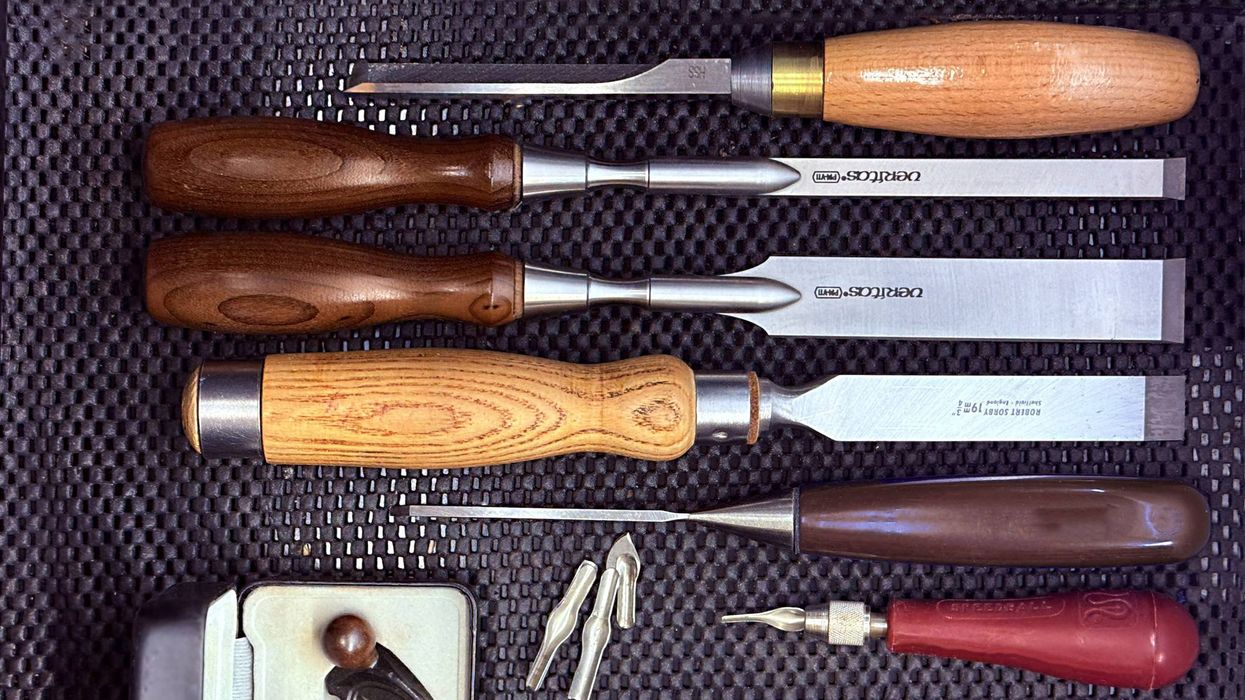
Alongside my romantic relationship with the past, I have long embraced technology in a lot of areas of my life and work. I don’t see that CNC woodworking equipment can’t exist peacefully right beside my chisels and gouges. I enjoy my FLAC files as much as my vinyl. A digital device allows me to program bass and drums accompaniments on the fly to play along with. Guitarists that I admire for their creativity and sound routinely employ emulation electronics to provide an enormous palette of vintage and modern tones. Their music doesn’t suffer for bypassing the tweed Harvard and properly placed ribbon mic. So, in a way, I see the AI music tools as progeny to my first fuzz pedal, or digital recording software.
“What if music became so easy to make—and so ubiquitous—that most people lost interest in creating it?”
Still, this new frontier feels different. No knowledge of music or poetic word-craft is in order. Barely a reason to express human emotion or thought need be involved—only prompts. If musicians alone had access to this new software for making music, we might not fear the reaper. The difference now is that the democratization of creation is the Trojan horse in our musical Troy.
So what are the next steps? Despite the fact that huge crowds are content to pay money to be bombarded with sound generated by a DJ with a laptop, live gigs are still a viable outlet for musicians. Although it’s hard to break even, let alone profit, on ticket sales for small- and medium-sized gigs, the connection to a fanbase along with merch sales is still essential. It will be some time before AI generated “artists” can routinely be holograms on a concert stage, but I see this as a possibility. If you think that audience acceptance of this is fantasy, read up on the current rise of AI romantic relationships—weird stuff.
The thought occurred that maybe a reset is in order, and this is the cycle at work. What if music became so easy to make—and so ubiquitous—that most people lost interest in creating it? If you can’t make money or become famous due to the sheer enormity of competing content, what would be the incentive? Would people dabbling with AI music move on to the next influencer fad and leave the playing field barren? Could we return to a place where only those of us who have to play music are left? Or are we doomed to be engulfed in a kind of algorithmic elevator music dressed up as the next big thing?
My hope is that musicians who are compelled to create art will survive because it’s in their blood, and real music will triumph in the end. The visceral feeling of a guitar vibrating against your body will endure. Maybe this is all wishful thinking from an irrelevant geezer guitarist, but at least we can dream—which is the whole point, isn’t it?