

Do you know where your gear was made—and do you care? What does it mean to have a guitar or amp built in the United States of America? Have the legacy brands kept their promise in your imagination, or were you wooed from the beginning by foreign-to-our-shores names? Does a boutique axe have to be made by American hands, or does old-world craftsmanship pluck your heartstrings? And, for those of you reading this from other countries, what is it that draws you to a brand? Does national pride or fanciful personal projection make the country of origin a significant factor?
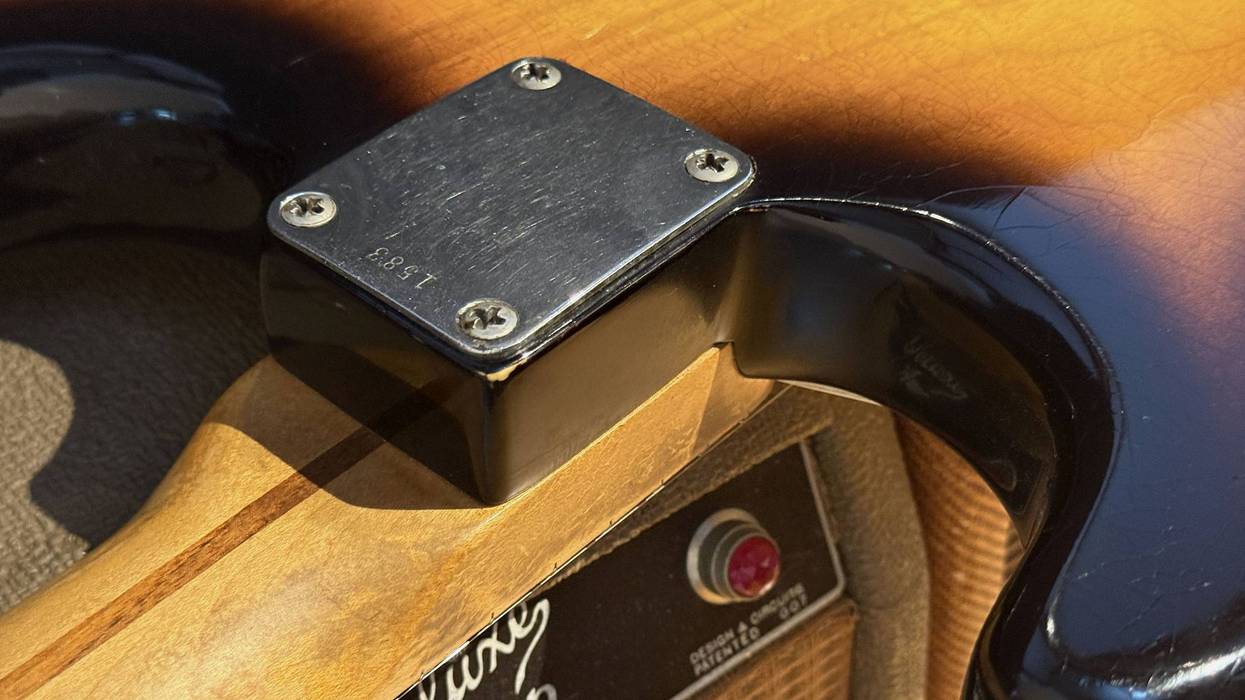
Every piece of guitar gear carries a passport. Somewhere underneath the hood is an inconspicuous stamp: Fullerton. Nashville. Kalamazoo. London. Matsumoto. Ensenada. Sometimes literally, but always lurking in the shadows of our imagination is that these are holy places. “Made in…” isn’t just a manufacturing detail; it’s a baptism.
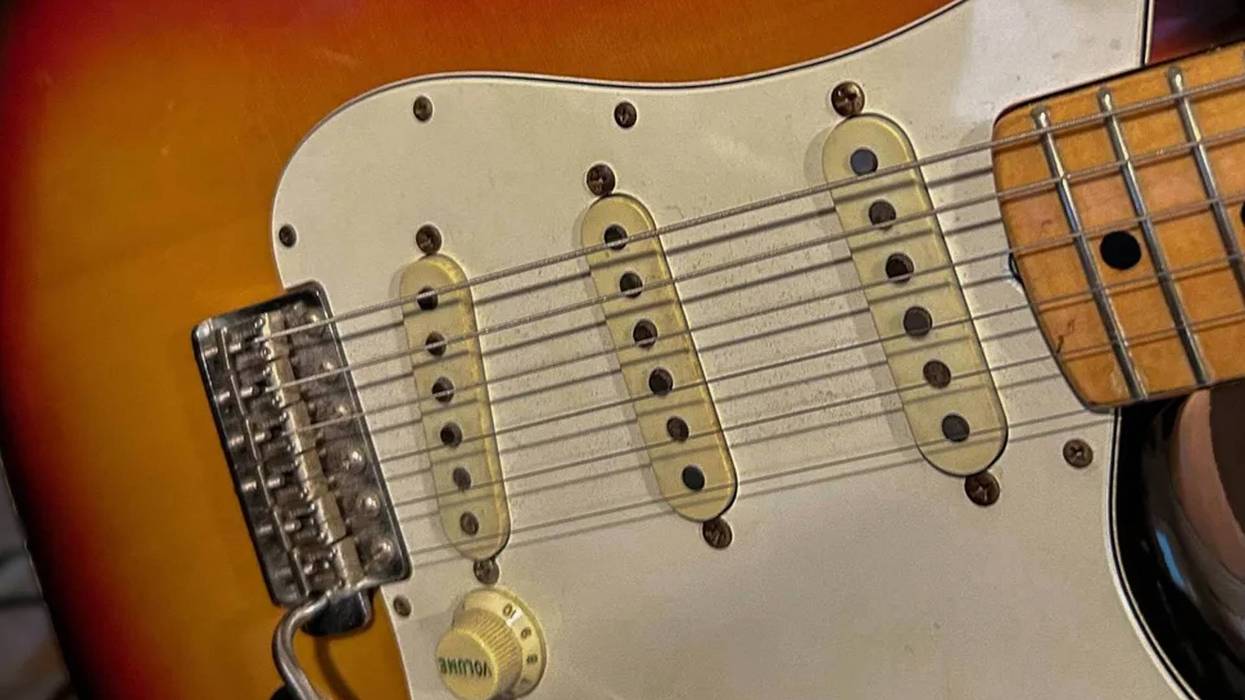
My own long romance with stringed instruments began, predictably, in the reflection of American chrome. I fell hard for the electrics wielded by the Ventures and the Beach Boys. They were poster children for Mosrite and Fender—brands that seemed to bottle California sunshine and spray it on their wares in glorious Duco colors. Those guitars weren’t just instruments; they were mid-century optimism with strings attached. Their contoured bodies with automotive finishes gleamed like a freshly-waxed Corvette. It didn’t occur to me, at first, that I was chasing more than tone. I was subscribing to geographical bias. Many of my generation were internalizing the idea that electric guitars were an American invention—brash, loud, and world-beating. Leo Fender’s bolt-on neck felt less like a cost-saving measure and more like a philosophical statement. If something wore out, you replaced it. If something broke, you made it better. It was Manifest Destiny with a screwdriver.
“Those guitars weren’t just instruments; they were mid-century optimism with strings attached.”
Then came the British Invasion. The accents changed, the hair grew longer, but something curious remained: Once the bands found success, many gravitated toward American instruments. Yes, there were sightings of Vox teardrops, Burns of London axes equipped with “Wild Dog” switchgear, and the violin basses of Hofner. But their foreign silhouettes increasingly echoed California contours. When Paul McCartney appeared with a Rickenbacker bass, it felt like a tectonic shift. I sometimes wonder: If Cream or Deep Purple had strapped on Japanese imports in their heyday, would I have followed? Was my loyalty anchored in national pride, or simply in the gravitational pull of my heroes?.
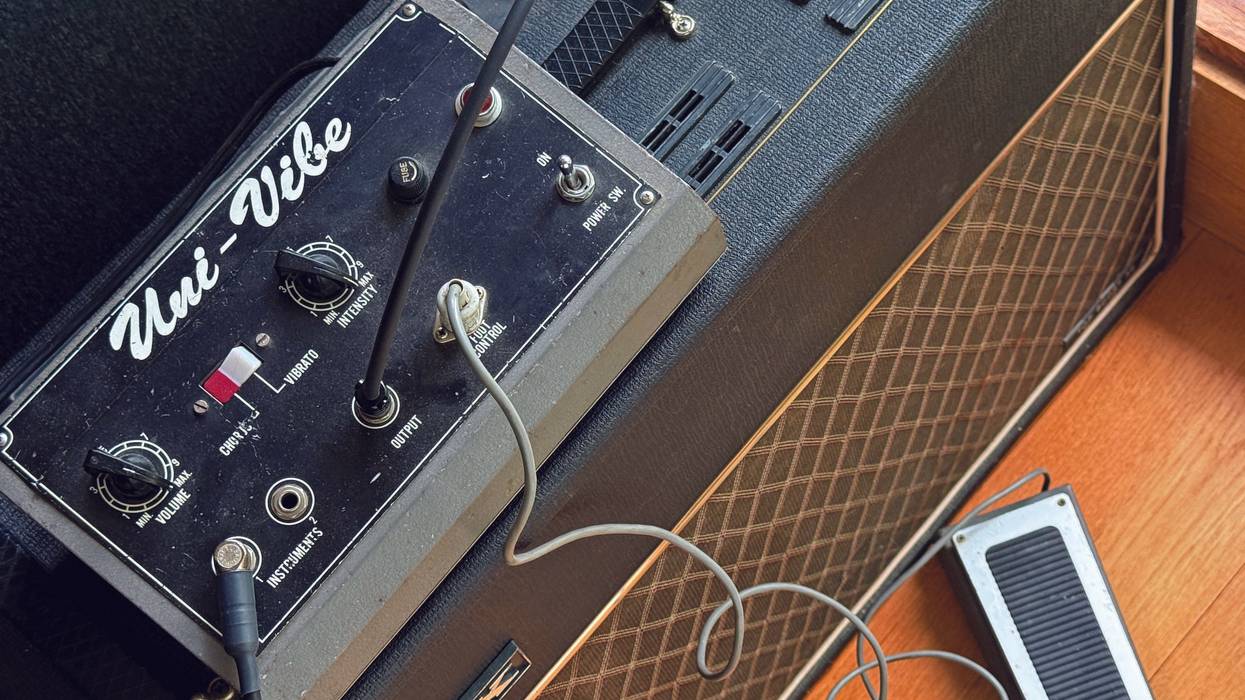
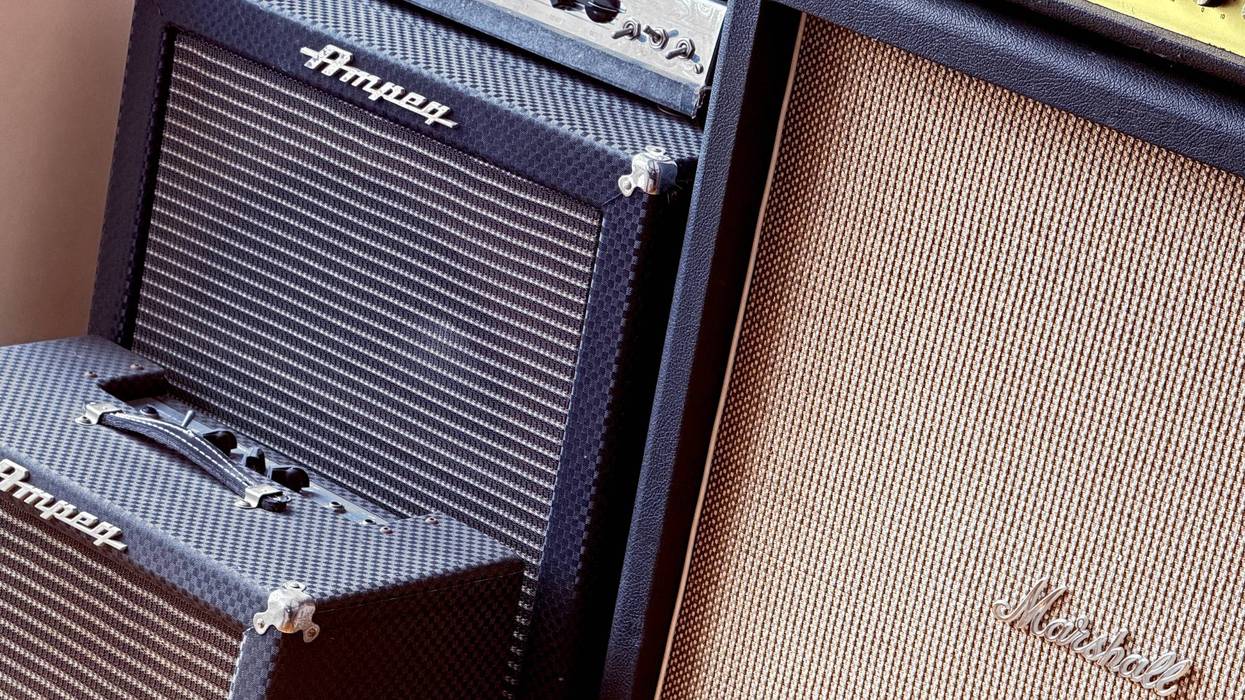
And yet, my amplifier loyalties tell a more complicated story. I adored my early American amps—an earnest teenage devotion to the clean authority of Ampeg circuits and the cool call of Fender’s blonde Tolex. But when British stacks began appearing behind performers, something shifted. The roar had a different texture, a different chew. And they looked awesome. Before long I found myself entranced by the snarl of Marshall, the punch of Hiwatt, and the psychedelic vibe of Orange.
Here’s the irony: Overseas, American gear was prohibitively expensive. Import duties and shipping turned California dreams into luxury items. At the same time, when British amps finally stormed American shores, they arrived wearing price tags like Savile Row suits. In 1969, I bought a 100-watt British stack secondhand for $900; today’s equivalent is north of eight grand. I knew full well I was buying an import, and, strangely, that was part of the allure.
Geography, it turns out, is both practical and psychological. Artist associations shape what’s desirable. Brands trade not only on craftsmanship but on mythology. Even now, in an era of globally sourced components and multinational assembly lines, the phrase “Made in…” can ignite forum debates hotter than a mis-biased output tube.
For those reading this outside the United States, I’m genuinely curious: What draws you to a brand? Is it national pride? A reputation for precision? Or is it the same old story—someone you admired stepped onstage with a particular headstock, and you followed the breadcrumb trail.
Perhaps the truth is less romantic and more human. We are attracted to sound first, story second, and geography somewhere in the mix. Don’t get me wrong, I’ve made a career out of touting my guitars’ heritages. Many of us are proud students of American six-string history. It used to be that “American Made” was a wink of the eye that might have meant “better,” but those days are long gone. Some of the the alder may be American, the pickups wound overseas, the amp assembled in England or even China. What matters now is how those ingredients combine in the final product, and serve the music for you. If it works, that’s the ticket to ride.