The “Giffin Outlaw Guitar Collection”, a fascinating array of unauthorized Gibson Custom Shop guitars, built in secret by Roger Giffin and Brett Allen from 1988 to 1990, will be sold in a seven-day auction on ANALOGr.com starting October 20, 2026. An invite-only private viewing event will be held in Los Angeles on October 24.
Brett Allen (l) and Roger Giffin with the Outlaw Collection
The collection has been the subject of rumors for years. These are not factory-authorized models, and the Gibson marks on the headstock were not company-approved.
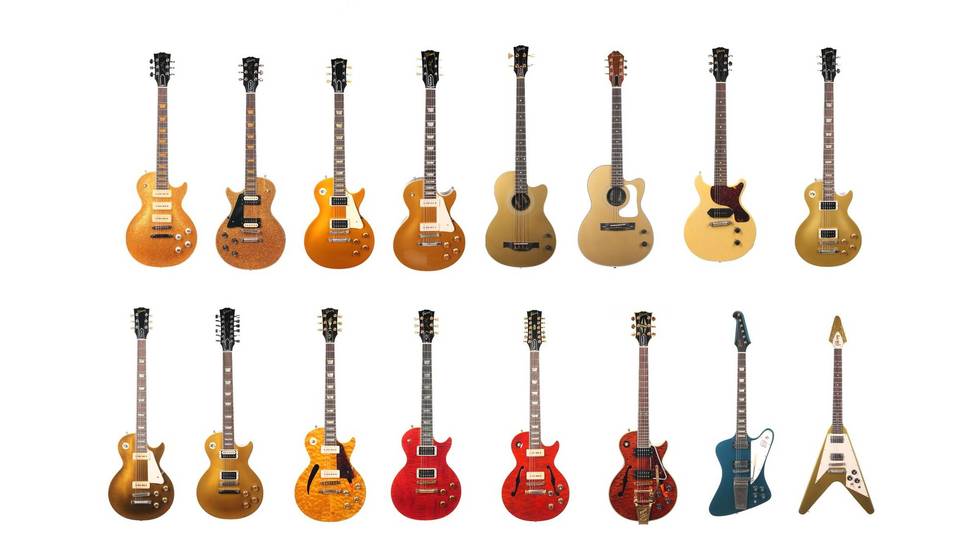
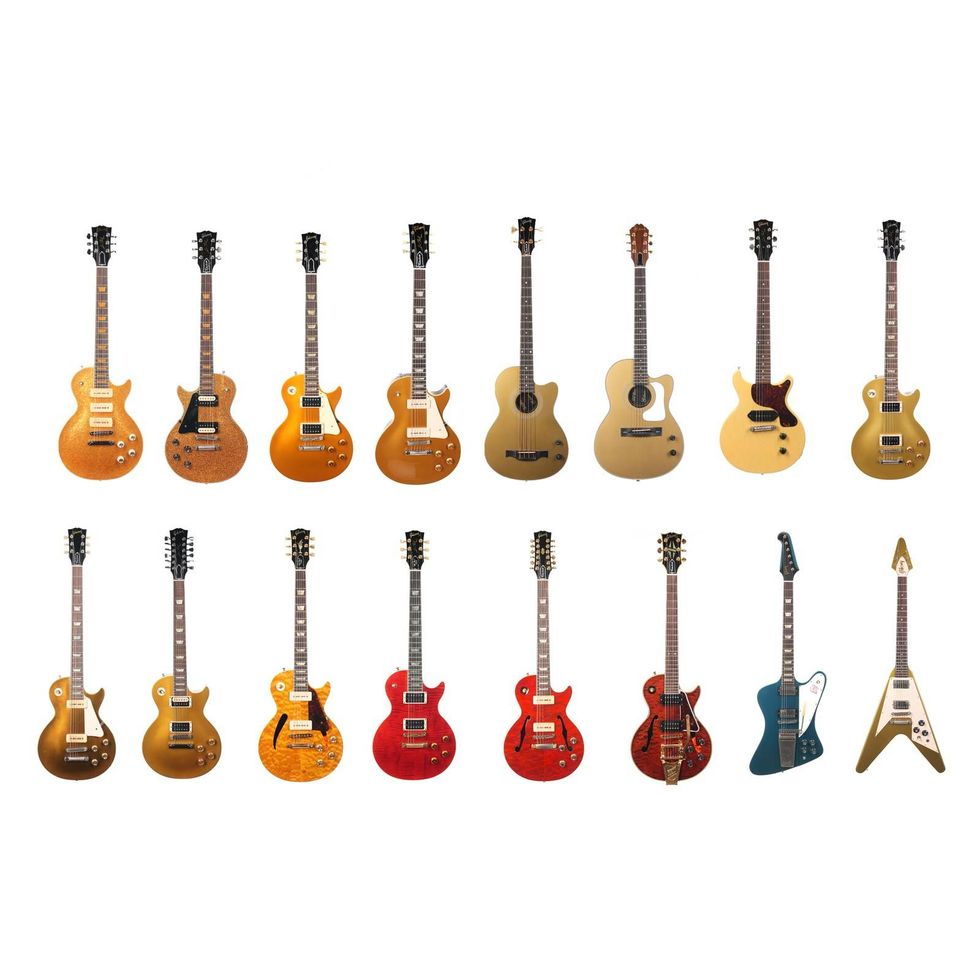
Yet these are true Custom Shop instruments defined by their uniqueness and experimental construction. The most notable pieces include four hollow-body Les Paul's, purpose-built to capture a Gretsch-like resonance, which feature full internal carving and specialized, remote-mounted bridges to eliminate feedback from the highly resonant tops. The collection also includes two Les Paul baritones, one of which featured 1954 P90 pickups. Other rarities include a Goldtop 12-string Les Paul, requiring a custom 12-way intonated bridge for studio precision, and a flashy custom Les Paul with three P90s, finished in an eye-popping Gretsch gold sparkle.
The story behind the Outlaw guitars:
In 1988, master luthier Roger Giffin became head of Gibson’s West Coast Custom Shop in Los Angeles. He was already renowned for a client list that included Jimmy Page, Eric Clapton, Eddie Van Halen, David Gilmour, Paul McCartney, Pete Townshend, and Keith Richards. In LA Giffin met Brett Allen, a guitar tech for AC/DC and Paul Simon and owner of Brett Allen Studio Rentals.
The two shared a singular, subversive vision: to create one-off Gibsons that deliberately shattered Gibson's established design constraints. Operating in secret after hours and on weekends, Giffin tapped into Gibson's Nashville wood stash and parts supply to clandestinely build the "Outlaw Collection."
“All of the guitars were made by me,” says Giffin. “They were done kind of outside of regular work hours. They would give me anything I asked for basically.”
These instruments were a direct rebellion against the company line, incorporating forbidden elements like Gretsch sparkle finishes and experimental hollow-body constructions. Their unauthorized work could have cost them their careers, a danger so real that Allen stashed the entire collection hidden under his bed for decades before finally unveiling these guitars.
The auction includes these featured lots and estimates:
1989 Gibson Les Paul Baritone, Giffin-built #1: $75,000–$150,000
1990 Gibson Les Paul 12-String Standard Goldtop, Giffin-built: $25,000–$50,000
1989 Gibson Les Paul Full Hollowbody with f-holes, Cherry Red: $25,000–$50,000
1990 Gibson Firebird V, Pelham Blue (1963 replica), Giffin-built: $25,000–$50,000
1989 Gibson Flying V, all gold (1976 replica), Giffin-built: $25,000–$50,000
1989 Gibson Les Paul Goldtop (1956 replica), Giffin-built: $25,000–$50,000
1989 Gibson Les Paul Jr. (1958 replica), Giffin-built: $25,000–$50,000
1989 Gibson Les Paul Baritone, Giffin-built, second ever built: $25,000–$50,000
1989 Gibson Les Paul Gold Sparkle Triple P-90: $25,000–$50,000
1999 Giffin Baritone Acoustic, #1 of 4 built: $10,000–$20,000
1989 Gibson Chet Atkins SST Bass, Goldtop, Giffin-built: $10,000–$20,000
1989 Gibson Chet Atkins SST, Goldtop, Giffin-built: $10,000–$20,000
The Giffin Outlaw Guitar Collection goes to auction beginning October 20, 2026. Space at the private viewing on October 24 is limited. Text 323-600-5715 to reserve a spot and get location details. To bid on the collection visit The Outlaw Custom Shop Guitar Collection.
Enjoy the videos and music you love, upload original content, and share it all with friends, family, and the world on YouTube.
ANALOGr.com
Giffin Outlaw Guitar Collection
The “Giffin Outlaw Guitar Collection”, a fascinating array of unauthorized Gibson Custom Shop guitars, built in secret by Roger Giffin and Brett Allen from 1988 to 1990, will be sold in a seven-day auction on ANALOGr.com starting October 20, 2026. An invite-only private viewing event will be held in Los Angeles on October 24.
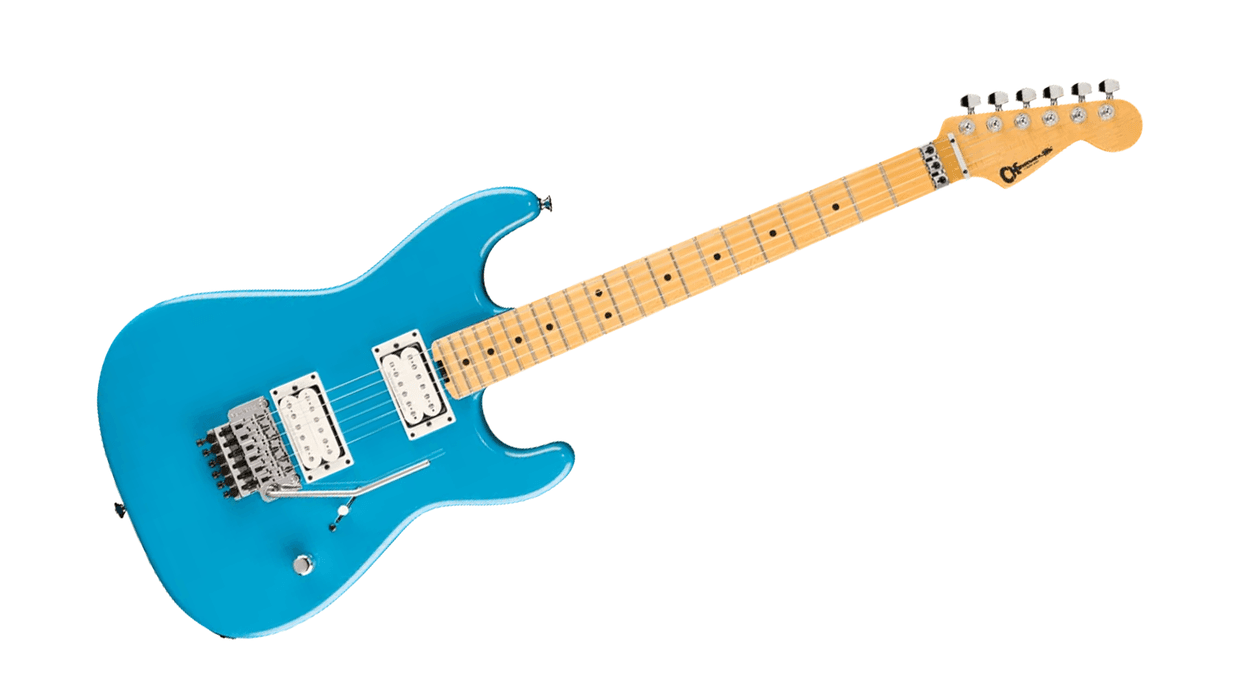
Every superstrat alive today owes back rent to a guy who never set out to start a movement. Wayne Charvel opened a guitar repair shop in Azusa, California in 1974—fixing amps, routing pickup cavities, selling parts to whoever wandered in—and one of those people who wandered in was a young Eddie Van Halen, shopping for a spare neck and body to bolt together into something the world hadn’t invented a name for yet.
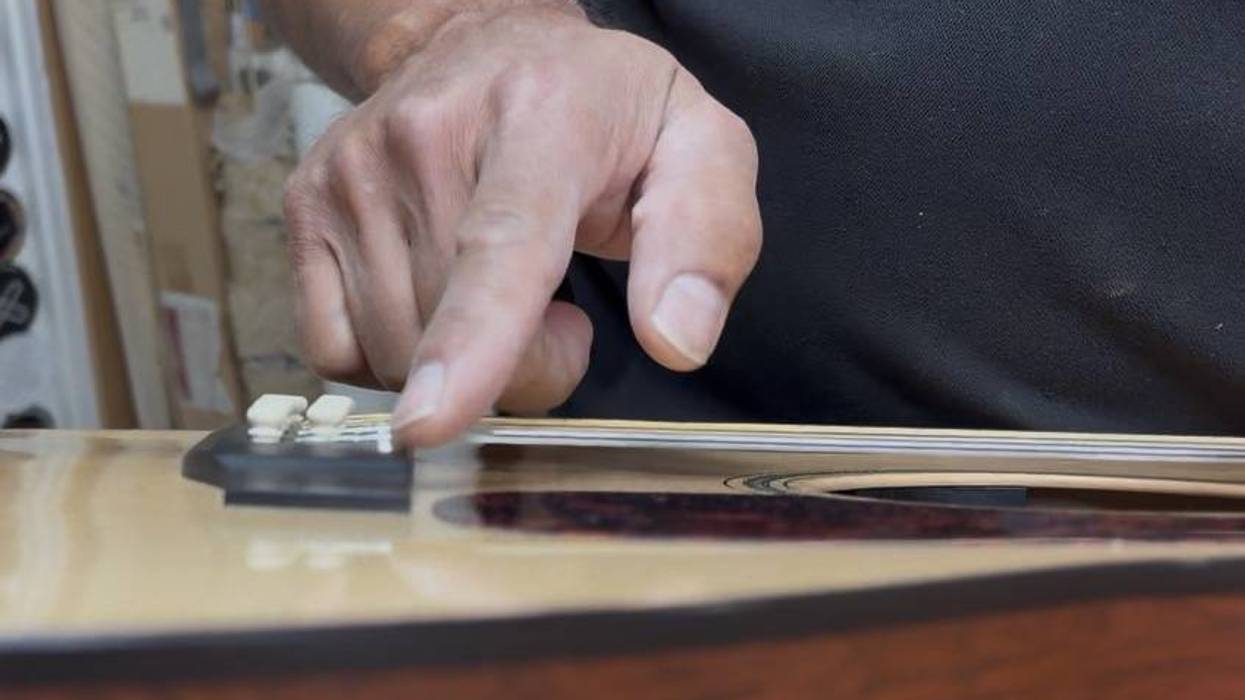
As we approach our centennial, people often assume our shop only services Latin instruments. But since the 1940s, we’ve built more than 50 types of string instruments for artists across many genres. Apprenticing under my father and grandfather, I learned the delicate balance of tension, action, scale length, bracing, and intonation. Yet every week in Nashville, I see fine instruments misdiagnosed by techs applying electric-guitar logic to acoustic builds.While techniques vary, our history and client list demonstrate that our approach works. Let’s look at a few common errors—call it five things your tech may be getting wrong about acoustic tone and setup, and how a master luthier fixes them.
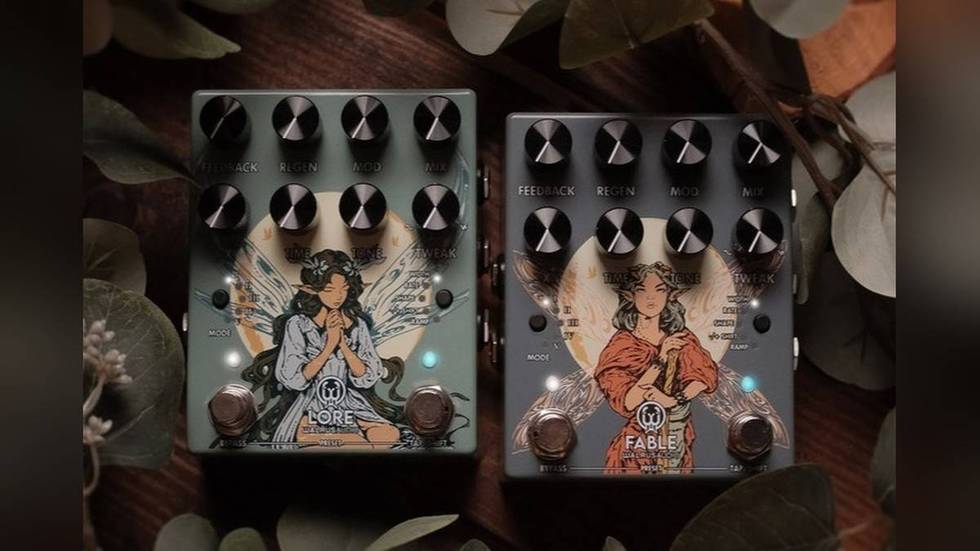
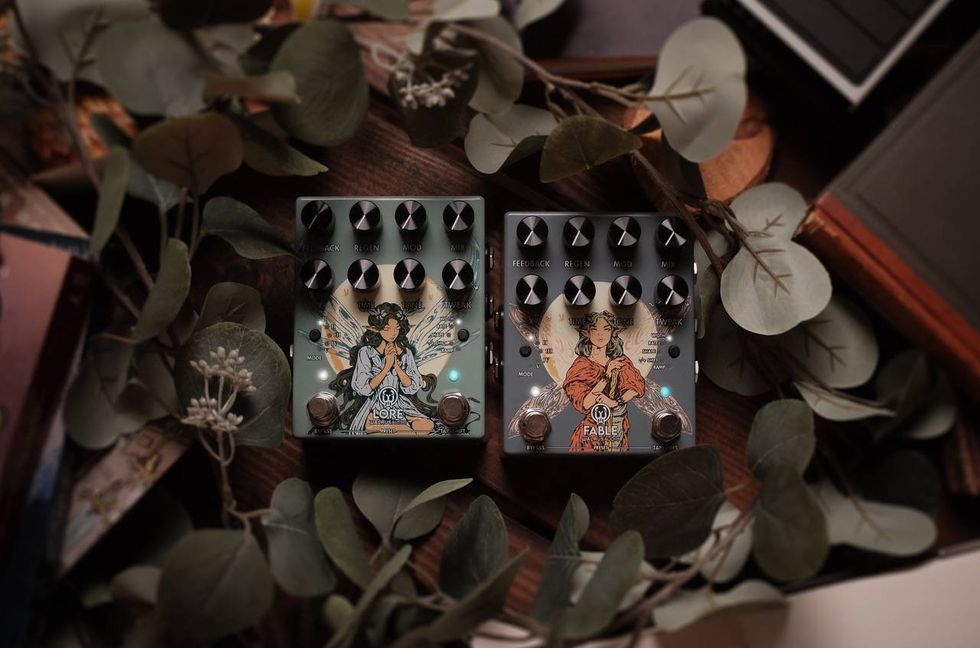
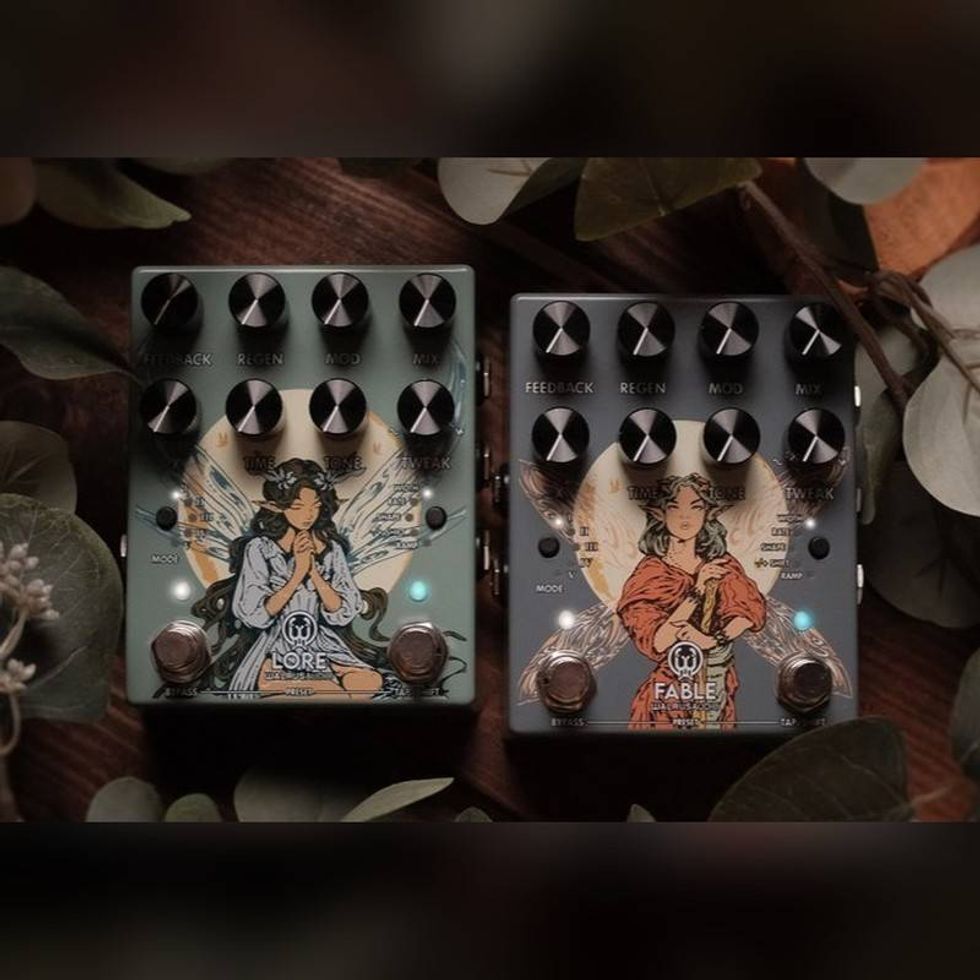
Walrus Audio is excited to announce the return of their "Storybook Series" with all-new expanded stereo versions of the Lore Reverse Soundscape Generator and Fable Stereo Granular Soundscape Generator.
Built for players who want to move beyond traditional delay and reverb, the Lore centers around five different modes of reverse reverb, delay, and pitch shifting, while the Fable pairs delay with granular processing through its five modes. Both pedals feature complex feedback paths that loop through the Feedback and Regen controls to build and create evolving stereo soundscapes that feel less like effects and more like instruments. While Lore and Fable share a common architecture, each takes a distinctly different path of sound creation.
The updated Lore and Fable also share an expanded control system designed to put deep DSP functionality directly beneath the player’s fingertips. A multifunction Tweak control provides access to Width, Mod Rate, Mod Shape, Shift, and Ramp, while the Dive / Rise momentary function allows players to manipulate the clock rate in real time. In addition to stereo functionality, both pedals have been given MIDI control, expression/external tap functionality, three onboard presets plus Live mode, or up to 127 presets via MIDI.
At the heart of both pedals is Walrus Audio’s proprietary MDSP platform, developed entirely in-house by the company’s engineering team. MDSP provides the processing power necessary to combine multiple algorithms, feedback paths, time manipulation, and modulation for an immersive soundscaping experience.
The Lore and Fable are available in two color variants with illustrated art by Niall Grant and minimal versions with a simplified icon and black enclosures.
Walrus Audio is offering the Lore and Fable MKII each at a retail price of $349.99. For a firsthand experience of the updated Storybook Series, visit walrusaudio.com or your nearest authorized Walrus Audio dealer.
Walrus Audio is excited to announce the return of their ‘Storybook Series’ with all-new expanded stereo versions of the Lore Reverse Soundscape Generator and Fable Stereo Granular Soundscape Generator.
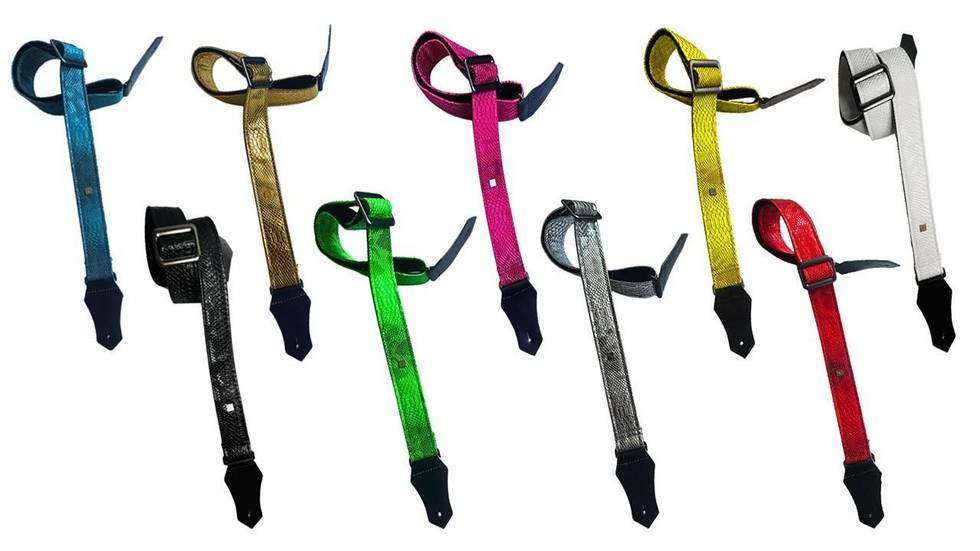
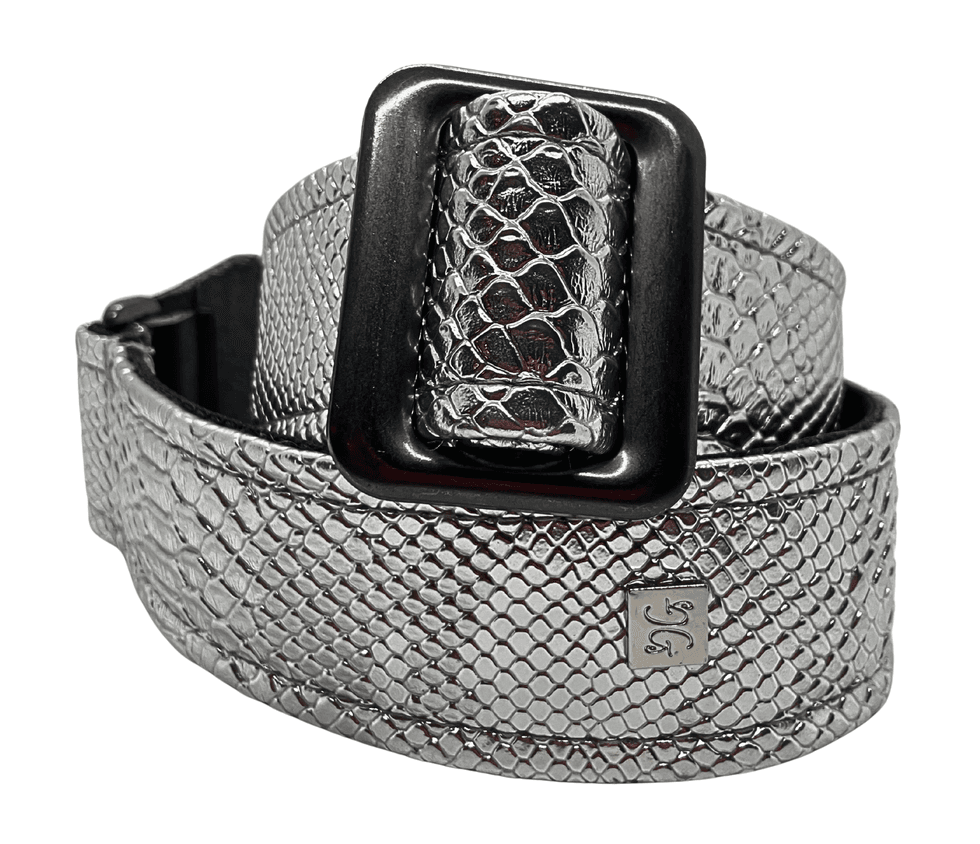
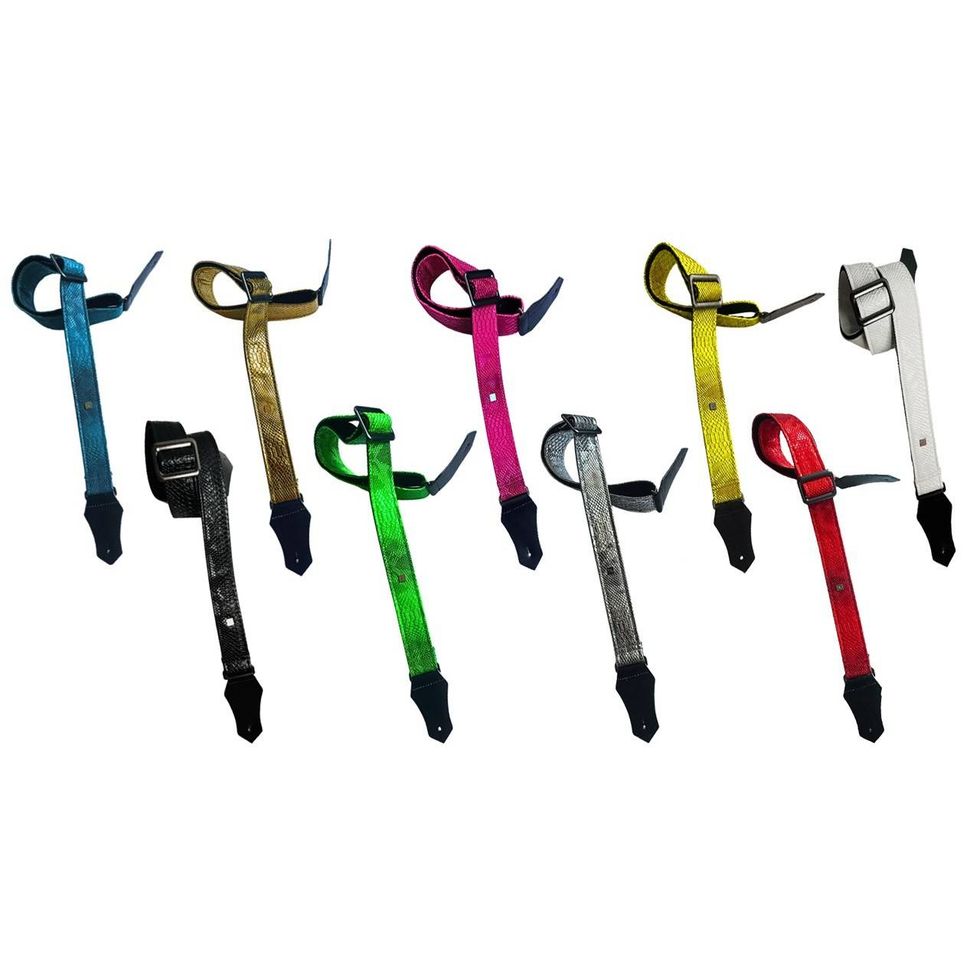
Adding to the company’s line of eye-grabbing straps, Get’m Get’m has unveiled the new Bitch What! collection.
The new straps combine bold, fun colors with textured serpentine faux leather, premium materials, and Get’m Get’m’s signature multi-layer construction. Bitch What! straps are designed to deliver the comfort, support, and craftsmanship musicians expect from a high-end strap while giving them something visually unexpected.
Key features include:
Available in nine colors: Aqua, Black, Gold, Neon Green, Neon Pink, Neon Yellow, Red, Silver, and White.
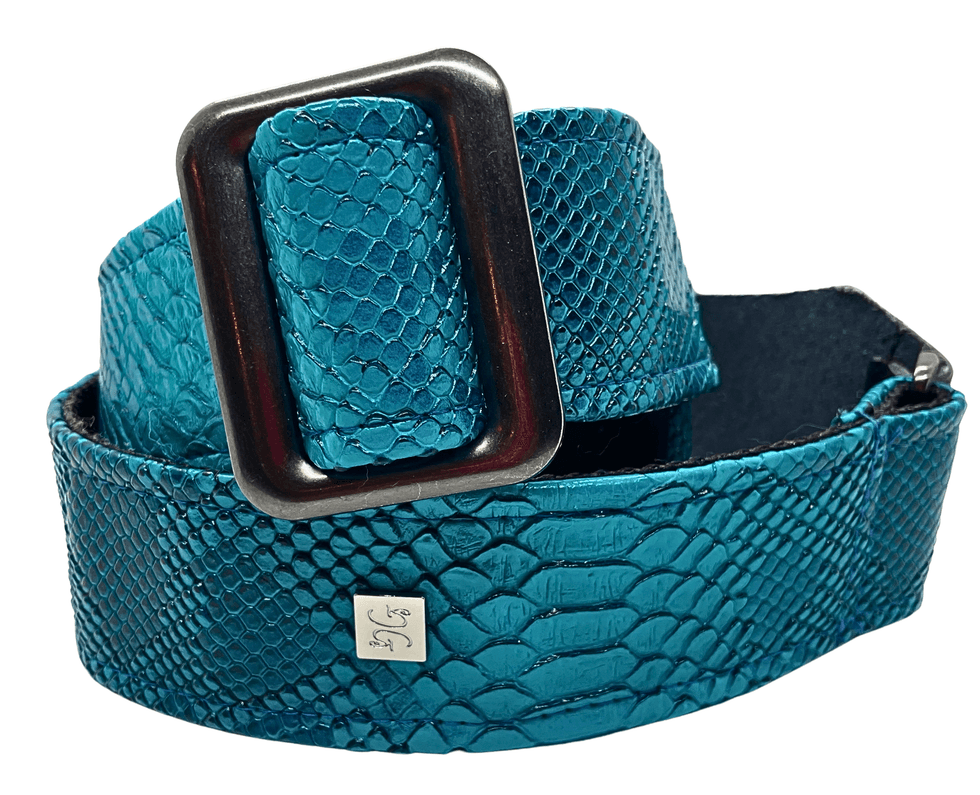
Textured Serpentine Faux Leather—A distinctive, snakeskin-inspired texture with a bold, tactile finish. Get’m Get’m calls this look “serpentine” to distinguish the collection from its existing snakeskin strap designs.
Premium Materials & Reinforced Stitching—Built for long sets, loud nights, and plenty of rock ’n’ roll.
High-Quality Multi-Layer Construction—Lining is made of soft, high-quality nylon for comfort, stability, and better weight distribution while playing.
Fully Adjustable Up to 65 Inches—2 inches wide and comfortably adjustable for guitarists and bassists of different sizes.
Real 7 oz. Leather Tips—Strong, secure leather ends designed to keep the instrument where it belongs.
Pewter Hardware—Durable pewter-tone hardware adds the final badass touch.
Since 1996, Get’m Get’m straps have been worn by musicians across genres and have become known for bringing fashion, personality, and craftsmanship to the stage. Owner Virginia Castro has built the brand around distinctive design, premium materials, handmade production, and a passion for musicians and their individuality.
Supporting others has always been part of the Get’m Get’m story. A portion of proceeds from Get’m Get’m sales goes toward supporting animal rescue organizations, reflecting Castro’s long-standing commitment to helping animals in need.
The company continues to design and manufacture its straps with a small, women-owned manufacturing operation in Downtown Los Angeles. For more information visit getmgetm.com.
Get’m Get’m
Bitch What! Strap Collection
Adding to the company’s line of eye-grabbing straps, Get’m Get’m has unveiled the new Bitch What! collection.








![Rig Rundown: The Black Crowes’ Rich Robinson [2026]](https://www.premierguitar.com/media-library/youtube.jpg?id=66952027&width=1245&height=700&quality=70&coordinates=0%2C0%2C0%2C0)