
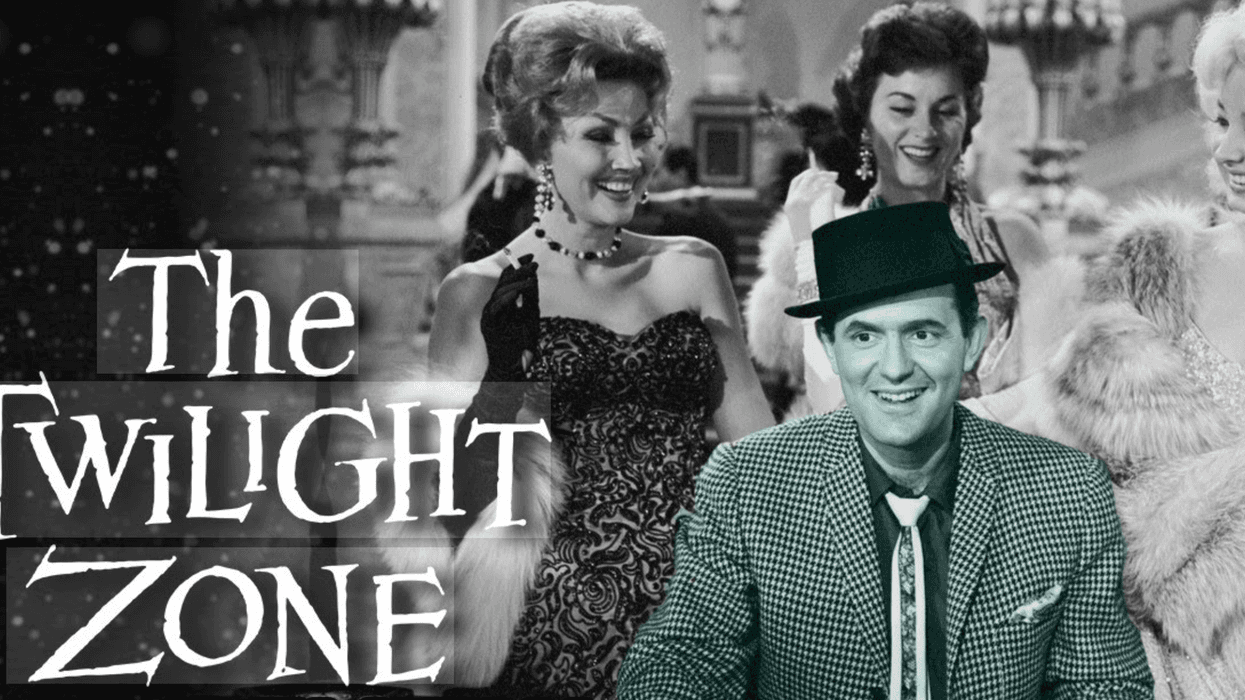

I recently saw an interview with Rodney Crowell that led me to rewatch Season 1, Episode 28 of The Twilight Zone. Crowell didn’t reference T-Zone specifically, that’s just where this rabbit hole led me. Not to spoil the plot, but the episode, titled “A Nice Place to Visit,” is about a gambler who dies and then wakes up in what seems like the afterlife, greeted by a genial guide named Pip (Sebastian Cabot) who grants his every wish instantly. Immediately, the gambler, Rocky, is in a casino, swimming in booze and beautiful women. He’s winning every bet, from poker to slots to roulette. He’s thinking, “I’m in heaven.” But after a month or so, the winning becomes unbearable. There’s no thrill, no risk, no challenge. Then Rocky gets the twist: He’s in hell.
For a real gambler, the greatest thing in the world is to gamble and win. The second greatest thing is to gamble and lose. Being a professional musician is being a professional gambler, and like any gambler, you are one hand away from wealth or being busted. You never really know how the cards will fall.
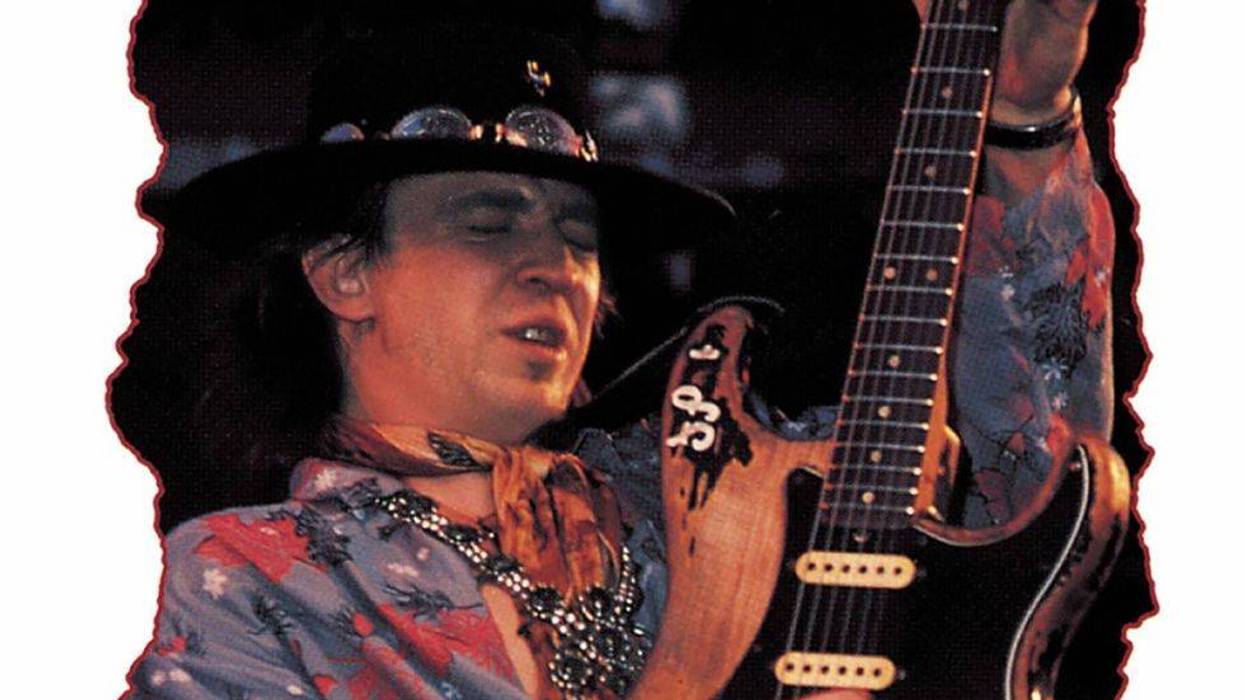
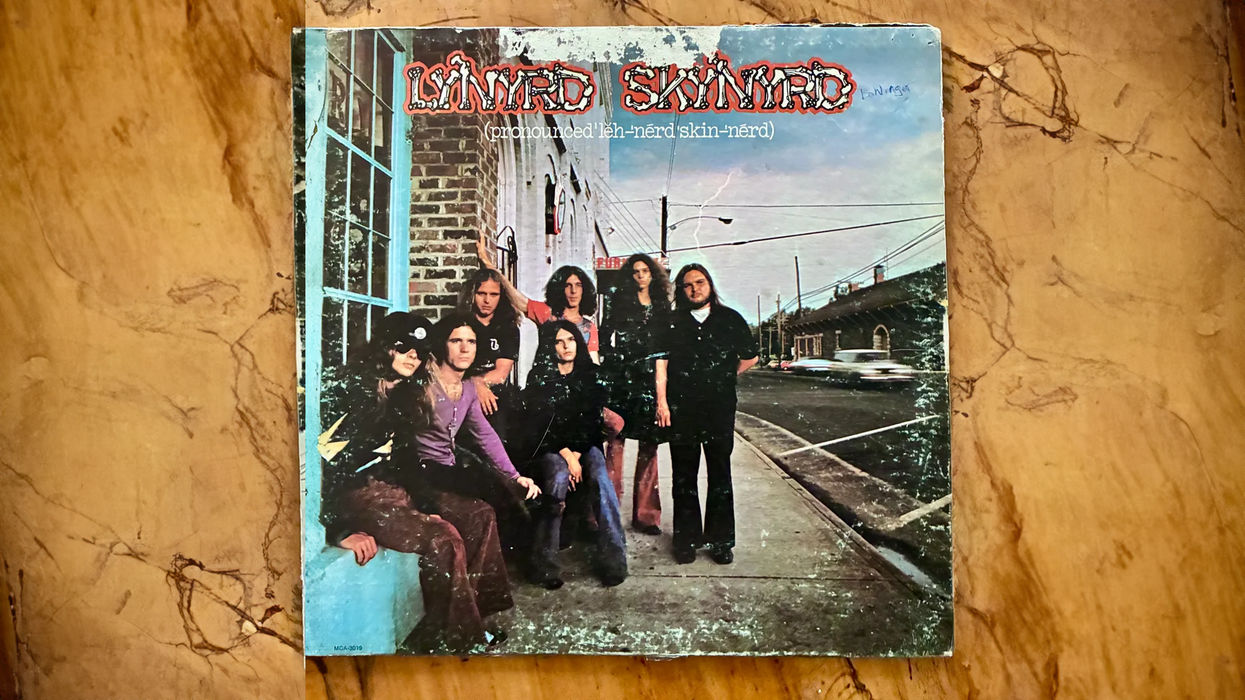
I’ve gigged in Vegas for decades, but slots and tables hold no appeal. Dropping a few hundred bucks there pales next to the lifelong gamble of music. Every live show is a roll of the dice: Will your fingers cooperate? Will your voice hold out? Will anyone show up to pay at the door? Gear fails—amps blow, strings snap, PAs die. Even the journey to and from the gig carries real peril; just ask Buddy Holly, Ritchie Valens, Patsy Cline, Otis Redding, Lynyrd Skynyrd, Ricky Nelson, and Stevie Ray Vaughan, who all went down in planes going to or from a gig. Many more, like Eddie Cochran, Metallica’s Cliff Burton, Dottie West, Harry Chapin, and Duane Allman, died on or in motorcycles, cars, and buses. If you’re in this business, risk isn’t optional—you have to embrace it.
A Rodney Crowell story crystallized this risk/reward dynamic for me. In early 1973, Crowell was scraping by in Nashville, playing for tips, washing dishes at T.G.I. Friday’s, and gigging happy hours. One regular spot was the Jolly Ox, a Green Hills steakhouse with a strict rule: no original songs, or you’re fired. Crowell’s then-girlfriend had left him for the more successful Townes Van Zandt, and he was heartbroken and fed up. In disgust and heartbreak, Crowell wrote his song, “You Can’t Keep Me Here in Tennessee.” Feeling he had nothing to lose, he broke the club rule and said, “Here’s a song I just wrote…”
As soon as he finished, the manager stormed the stage and fired him. But right behind came Jerry Reed’s manager, Harry Warner, who told Crowell that Reed had been in the audience and wanted to record the song immediately. Within 24 hours, Crowell was at RCA Studio A, teaching his song to Reed and his band. That break led to a staff writer deal with Reed’s publishing company—$100 a week in 1973 money—enough to quit dishwashing and write full-time.
Music is manifested in real time. It’s a gamble, it’s luck, it’s fate, it’s magic, it’s god’s mercy, it’s a trapeze act—live without a net. Terrifying and exhilarating.
That’s why I love Nashville. I'm surrounded by fellow gamblers, all-in on the dream. We all know brilliant players who never get the break, who toil in obscurity despite world-class talent. But we all know it goes the other way, too.
If my own career suddenly aligned perfectly—great venues, big paydays, smooth sailing—I doubt I’d ever get tired of winning. But if every note landed flawlessly, every solo was perfectly in tune and timed, every performance error-free and quantized? That would grow dull, fast. I’d crave the return to my “slop”—the messy, unpredictable moments that sometimes make me want to hide behind the amp after a particularly ugly clam. Those unexpected deviations from the intent can be the best part.
Fortune favors the bold. Playing and losing is way better than not playing at all. The thrill isn’t in guaranteed wins—it’s in the wager, the unknown, the possibility that tonight might be the one where everything clicks ... or crashes spectacularly. So pay your money, take your chances, and let the chips fall where they may.