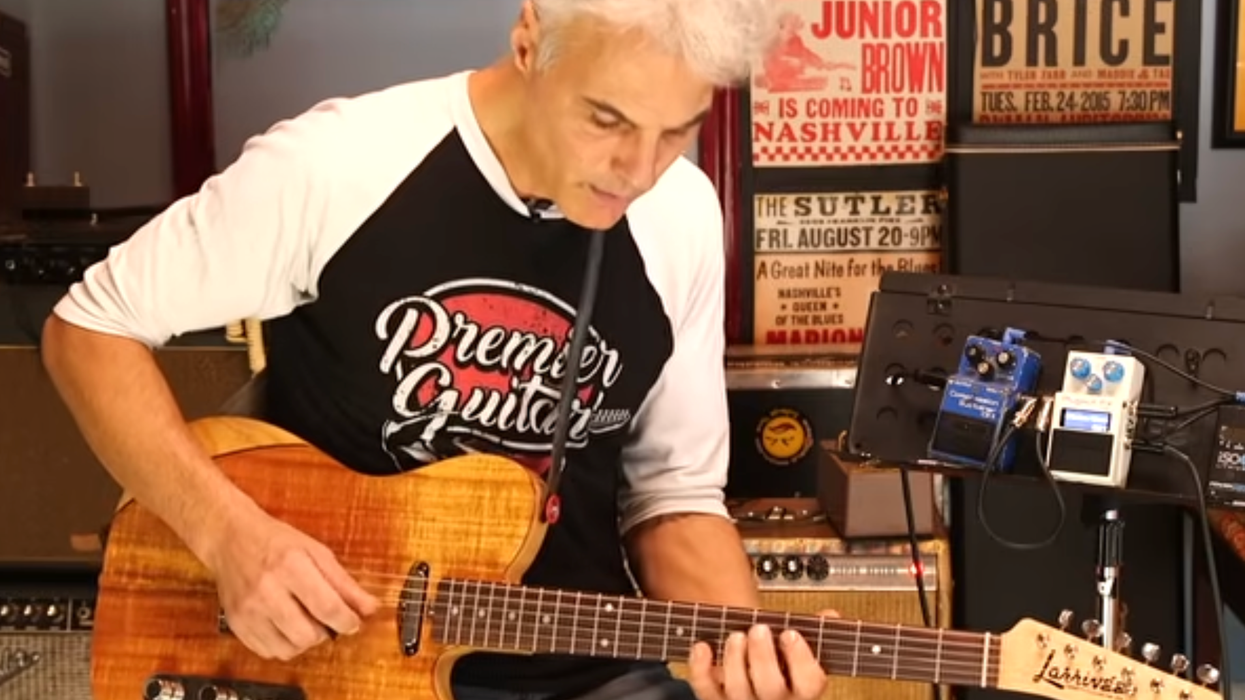

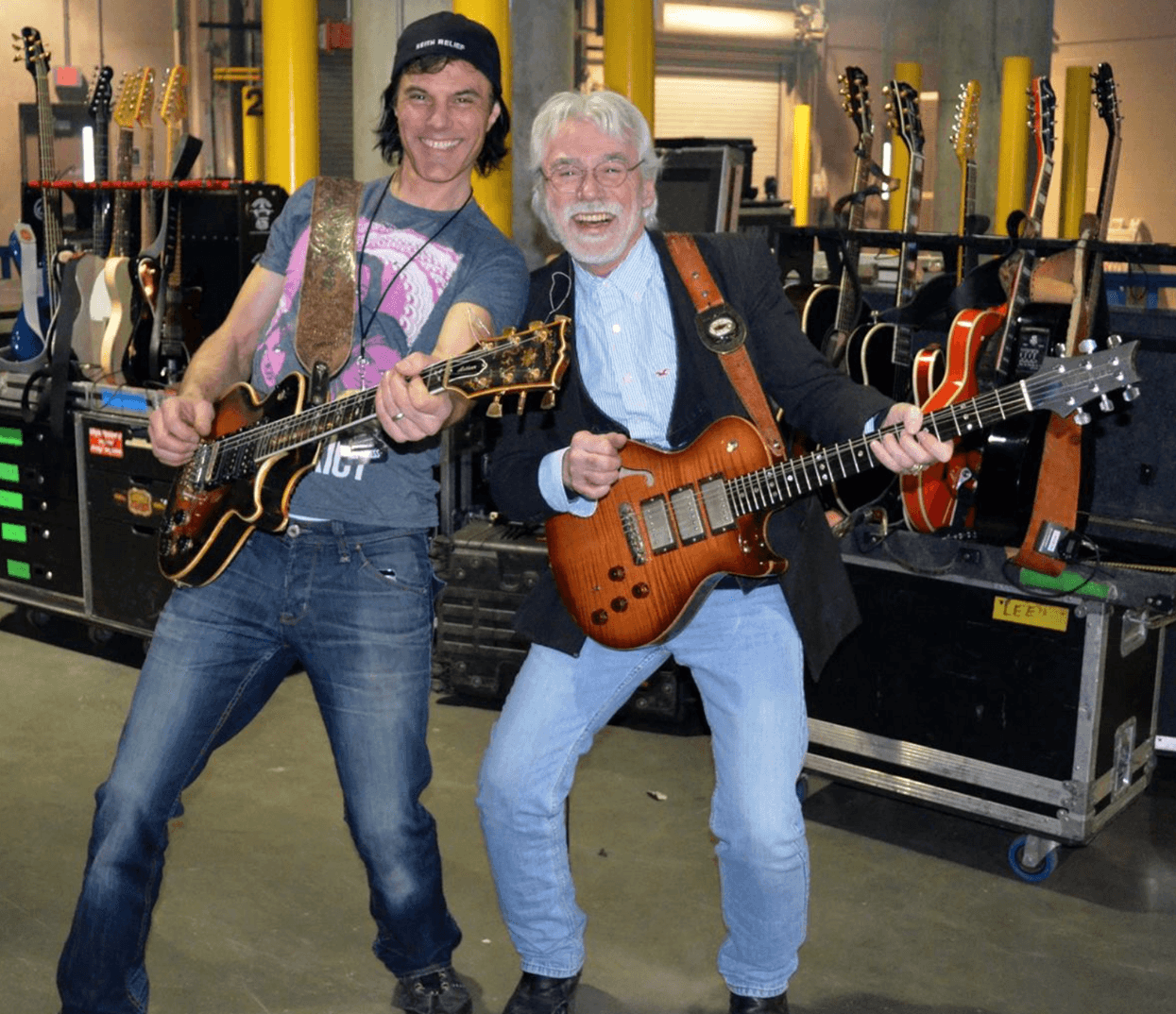

I’ve known my guitar teacher, Mike Hoover, for 47 years. After all this time, he’s still teaching me about music—and life. He called today to tell me he’s training for a run of three-hour gigs. Mike turns 80 this year, and he has never stopped playing.
At some point in the conversation he said, “When they quit gigging, they die,” then proceeded to list a handful of old pickers we both knew who hung it up and were gone not long after. It wasn’t morbid—it was matter-of-fact. A field report from a man who has spent a lifetime on bandstands.
Mike is right, and Keith Richards agrees: “People say, ‘Why don’t you give it up?’ I can’t retire until I croak. I don’t think they quite understand what I get out of this. I’m not just doing this for the money or for you. I am doing it for me.”
That sentiment explains one of the great traditions in rock and roll: the never-ending farewell tour. “Final” tours sell tickets, and audiences love the idea that they’re witnessing the last call. But the deeper truth is simpler—most of these artists don’t actually want to stop.
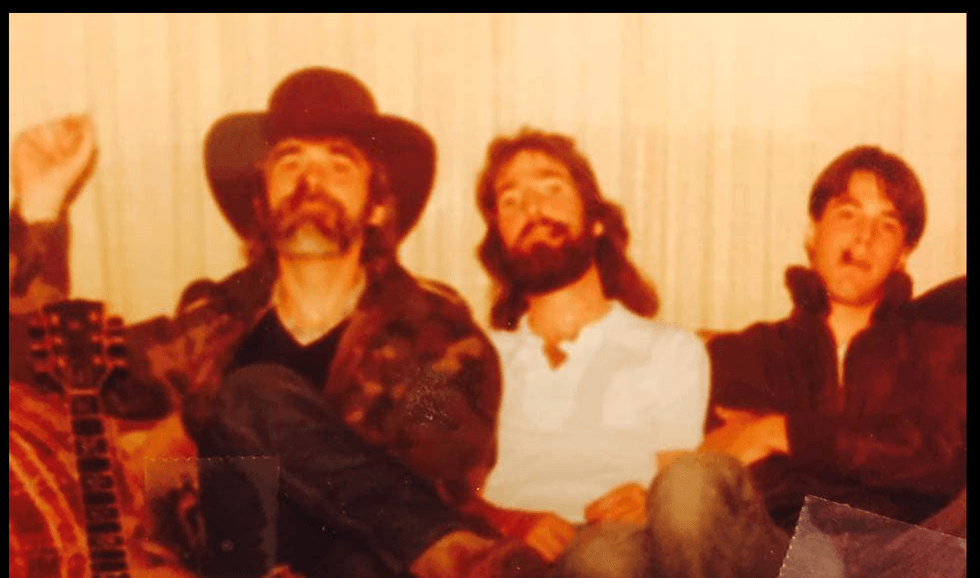
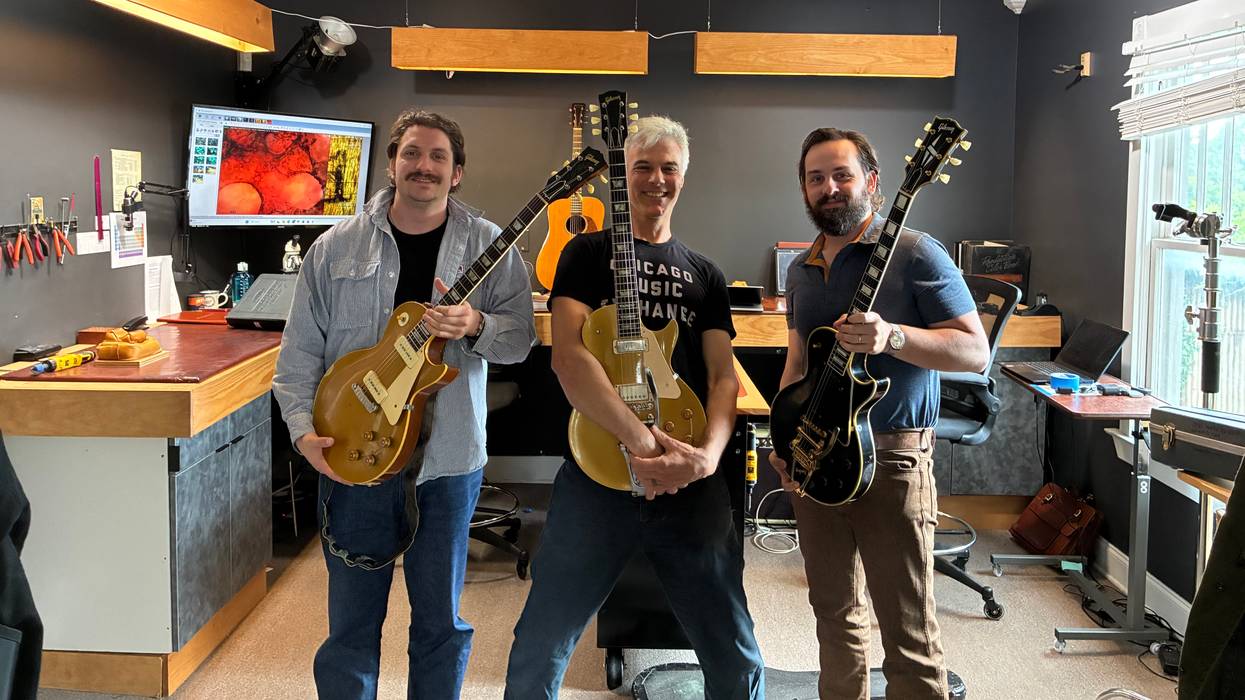
Bohlinger (r) with Mike Hoover (l) in 1983.
Kiss had their Farewell Tour in 2000–2001, then came back nearly two decades later with the End of the Road World Tour from 2019 to 2023. The Who staged “The Who’s Last” in 1982, yet I filmed a Rig Rundown with them last year on their The Song Is Over farewell run. Mötley Crüe wrapped up their Final Tour in 2015, signed a “cessation of touring” agreement, then tore it up and returned to stadiums with Def Leppard in 2022. The Eagles launched Farewell Tour I in the early 2000s and are still filling arenas. Judas Priest rolled out their Epitaph farewell tour in 2011–2012, then found new fire with Richie Faulkner and carried on.
We can roll our eyes at the marketing, but the pattern reveals something real: Musicians don’t retire, because playing music isn’t just a job. It is identity, purpose, and often the clearest line they have to feeling alive.
And here’s the other part that gets overlooked—many of them are still great. Not “great for their age.” Just great.
Look at the current roster of elder statesmen: Willie Nelson in his 90s, Bob Dylan in his 80s, Paul McCartney and Ringo Starr still touring, the Stones still filling stadiums, Herb Alpert blowing horn past 90, Smokey Robinson, Dolly Parton, Neil Young, Rod Stewart, Eric Clapton, Herbie Hancock. These aren’t nostalgia acts coasting on memory. They are artists who have deepened their phrasing, their feel, their sense of space. Time strips away excess. What’s left is essence.
If anything, the argument could be made that musicians peak later than most professions—because the job is not just technical. It’s emotional, psychological, and spiritual. Life experience becomes part of the tone.
That doesn’t mean aging doesn’t require adjustments. Endurance changes. Travel gets harder. The grind of endless touring can wear anyone down. So maybe the goal isn’t to never change, but to choose wisely. Pick better gigs. Travel smarter. Play shows that feed you instead of drain you. Leave the drudgery behind, not the music.
Billy Joel is a good example of this kind of evolution. In the 2025 HBO documentary And So It Goes, he explains why he stopped writing and releasing pop songs after River of Dreams in 1993. It wasn’t because he couldn’t do it anymore. It was because the process stopped being inspiring and started feeling like an obligation. So he walked away from it.
But he didn’t retire from music. He shifted. He continued performing his catalog and composing in other forms, including classical work like Fantasies & Delusions. His “retirement” was really a recalibration—dropping what no longer served him while holding onto what did.
That’s the model. Not quitting; editing. Because the danger isn’t age—it’s disengagement. It’s losing the thing that gets you out of bed, that keeps your hands moving, your ears open, your mind curious. Playing music demands presence. It forces you to listen, react, and connect in real time. That’s not just entertainment. That’s life force.
Musicians don’t retire because the music doesn’t retire from them. As long as they can lift the instrument, hear the groove, and feel that spark, they’re still in the game. And maybe Mike Hoover said it best, in the plainest possible terms: When they quit gigging, they die. So don’t quit. Just keep evolving.