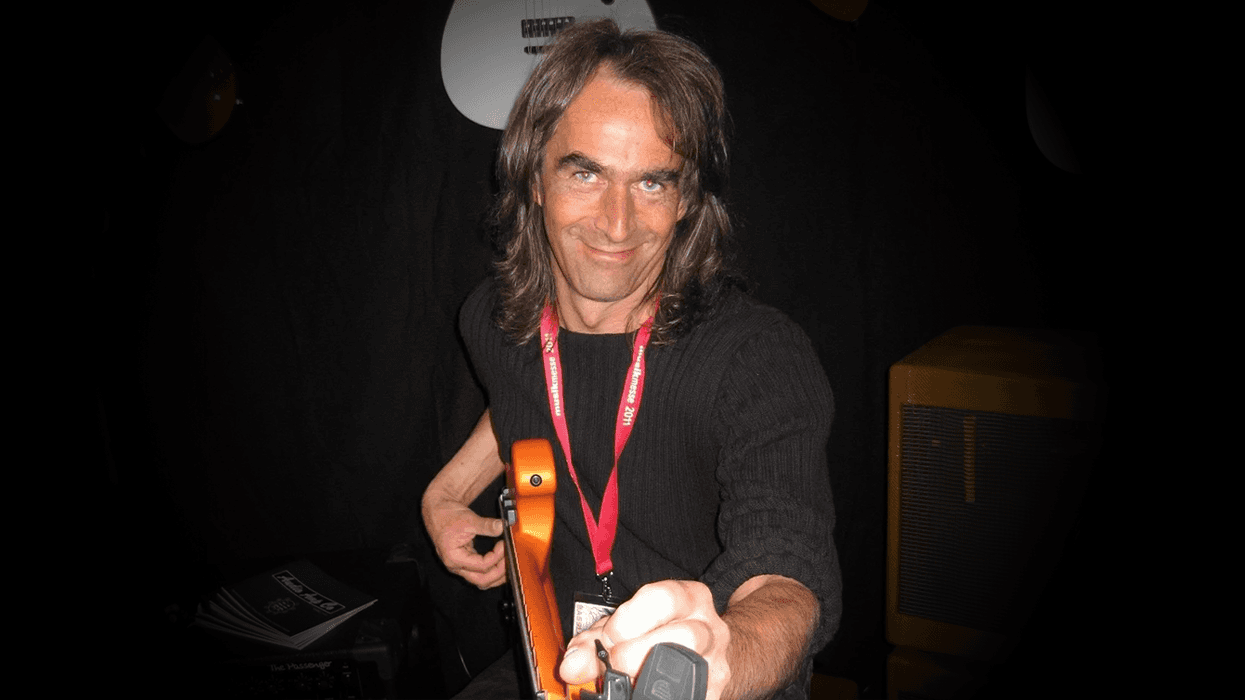


A few years back, I sat down with Amos Heller, who plays bass in Taylor Swift’s band, to talk about his musical journey for a column in this magazine. Full disclosure: Amos is a dear friend of mine, and bass talk is usually the last item on our list of things to catch up on—although we always get to it eventually. Amos has arguably one of the biggest gigs on the planet, and the number one question he’s asked by the bass community is how he landed it.
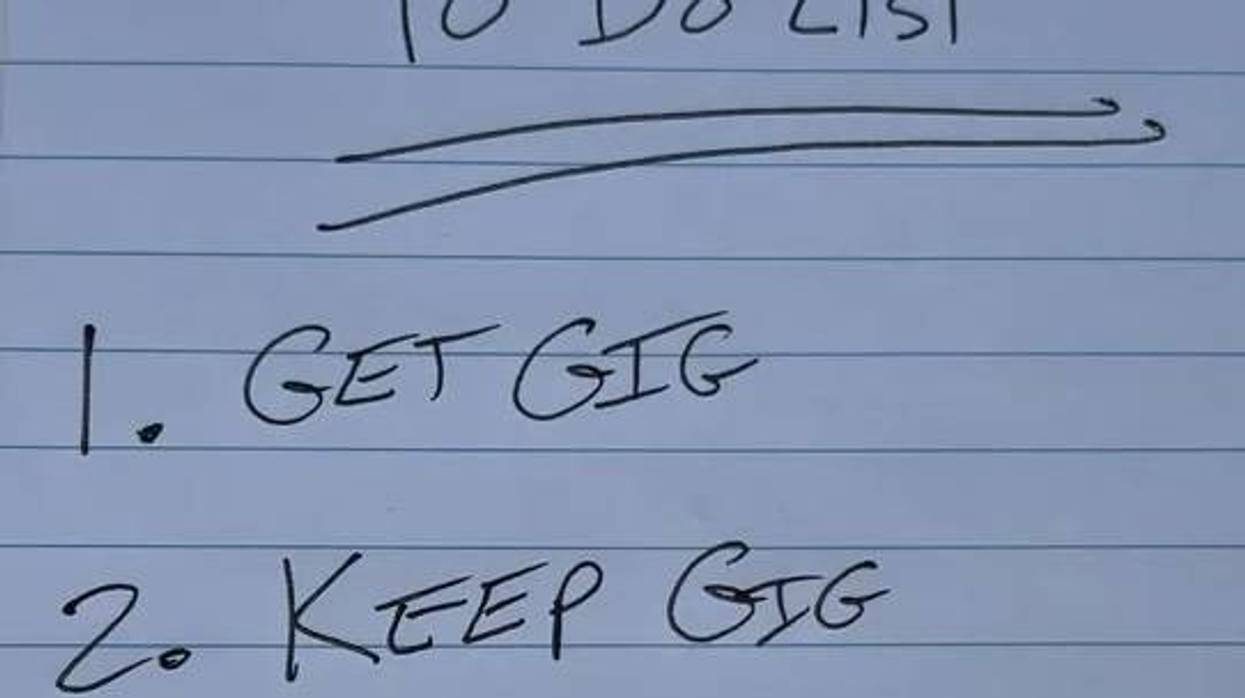
The reason I rope Amos into this column now is because in our interview he said something that stuck out above all else, and still rattles around my brain all these years later. He told me, “I’m asked all the time about getting the gig, but never about how to keep the gig.”
Friends, that right there is the mindset of a professional.
Getting—and more importantly, keeping—the gig is a balancing act. As a bass player, we have to remember: “It’s not about us.” Rather, it’s about the song, or the show, or the record we’re playing on. But does that mean we’re relegated to a life of unimportance? Of course not.
Bass, at its essence, is a foundational instrument. Words like “solid,” “confident,” and “grooving” are adjectives used to describe what we do. These words are important to remember because, unless called upon to take a spotlight, we don’t get one. Our job is to lock with the drummer and keep the music moving in that solid, confident, and grooving way.
Getting the gig can occur in a few ways. Your network can recommend you for a gig or an audition. Some artists don’t want to try out new players, so they lean on the Music Director or band leader to find “the one.” This is where your reputation precedes you. If you’re solid, dependable, easy to work with, and can play the parts, you have a leg up on people out of the loop.
Getting “the call” doesn’t just happen out of thin air; it takes years of relationship cultivation (remember all those bands on the bill you didn’t want to talk to?) and demonstrating that you’re the one for the job. Whether it’s an audition or a trial-by-fire gig, being prepared and handling yourself professionally is what makes a good impression. Stay humble and hustle.
So you’ve shown up and showed out. Congratulations! Now you have the gig. How do you stay there? Again, be humble and hustle. The first part is, in many ways, more important than the second. Being humble and not getting too comfortable in the gig too quickly is essential to keeping the gig. I know amazing musicians who are very “well-traveled”; that’s a nice way of saying they’ve landed a lot of huge gigs, only to be replaced quickly—not for lack of musicianship, but because they couldn’t get out of their own way.
“Playing music for any kind of money is a privilege, not a right.”
Being a cog in the machine is hard for some people, especially if they’ve had some success in their own band. When I made the jump from bandmember to sideman, I had to remind myself of my place more than once, because it wasn't about me anymore. Plenty of gigs have been lost by sidemen offering the artist unsolicited advice. Every situation is different, and over time an artist may come to trust you enough to ask your opinion. Until then, best to leave that stone where it lies. (See: balancing act)
Playing music for any kind of money is a privilege, not a right. You may have landed the gig, but that doesn’t give you permission to make it about you. You may become the perfect companion to the artist, but remember who’s name is on the marquee and the bus lease.
And remember: Just because you’re a sideman today, that doesn’t mean you won’t front your own band later. But the key word there is later—not now. Every step in your journey leads to the next. I hope yours lands you the gig you’re after, and that the 100 steps that follow keep you in it for as long as you like.