

The last time I looked into it, the Guild of American Luthiers claimed more than 3,500 registered members, but you and I know that’s just the tip of the peghead nowadays. Most of the builders I run across don’t care about, belong to, or even know about guilds, associations, or trade shows. I’ve been making instruments for over 50 years and never considered registering with any trade show outside of NAMM, and when I first did, it was the only one of its kind in America. The joke some builders tell is that there seems to be more people cutting, gluing, and screwing together guitar parts than there are guitarists, and the only people making any money are the tool and wood suppliers. That’s a little harsh, but not a total stretch. It’s one thing to make guitars, but selling them is a whole other kettle of fish.
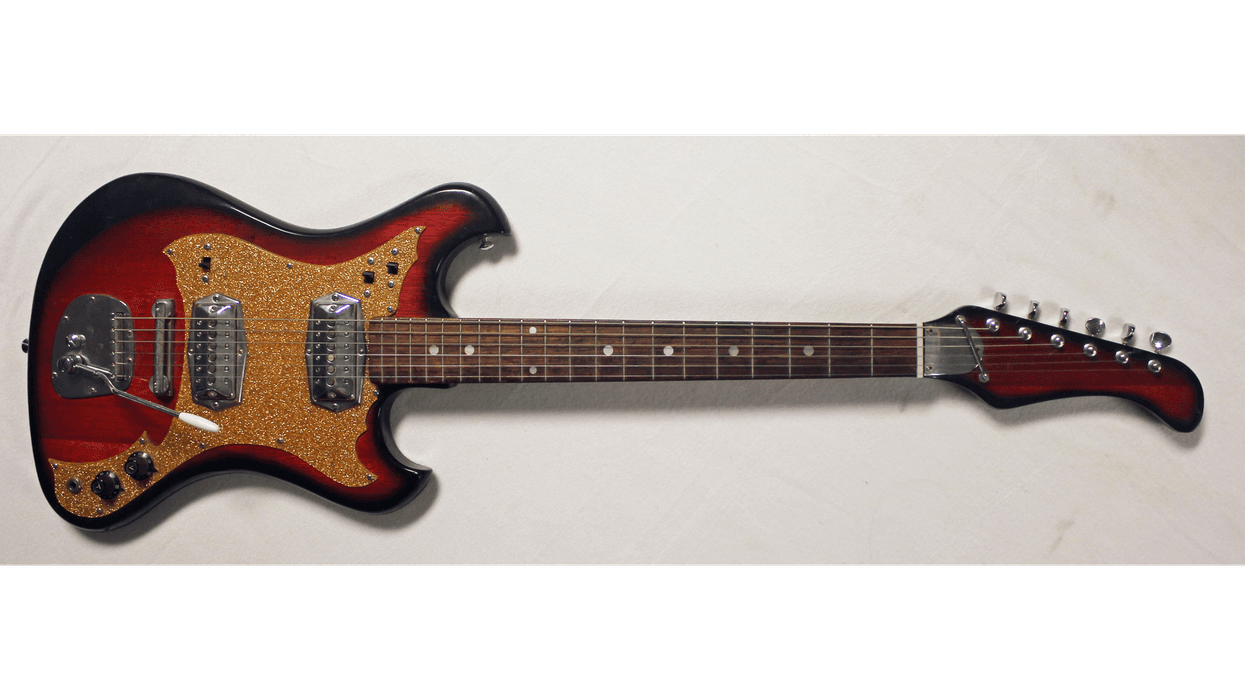
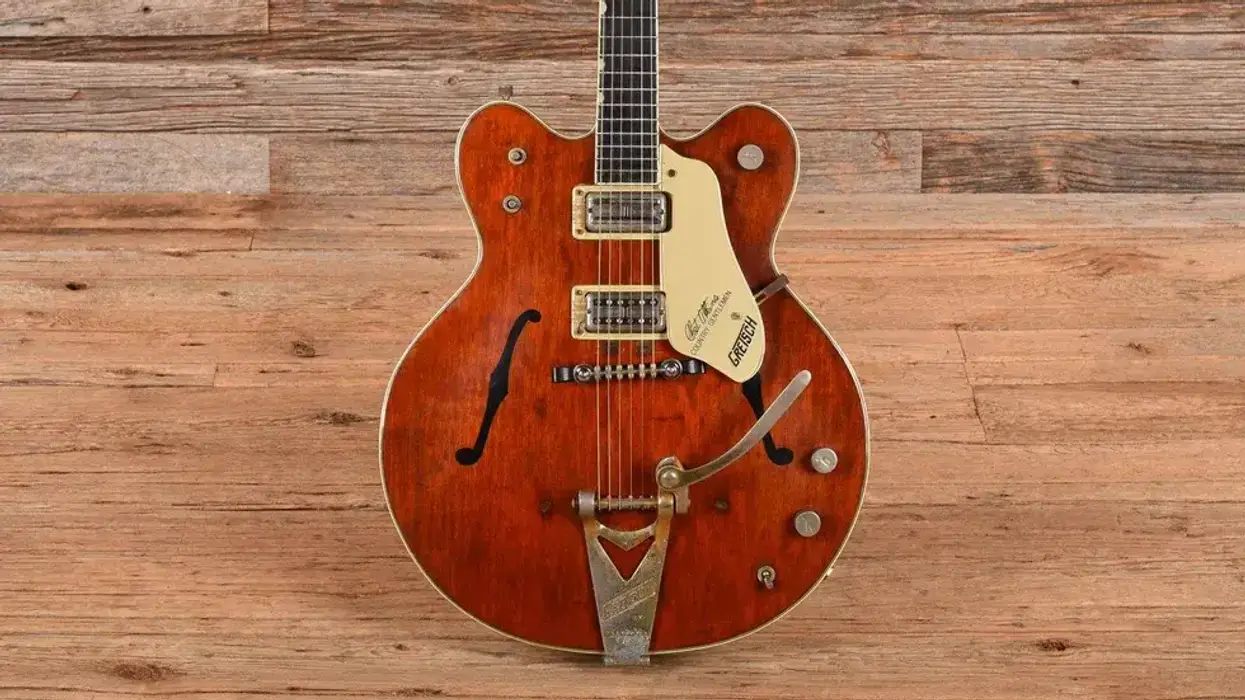
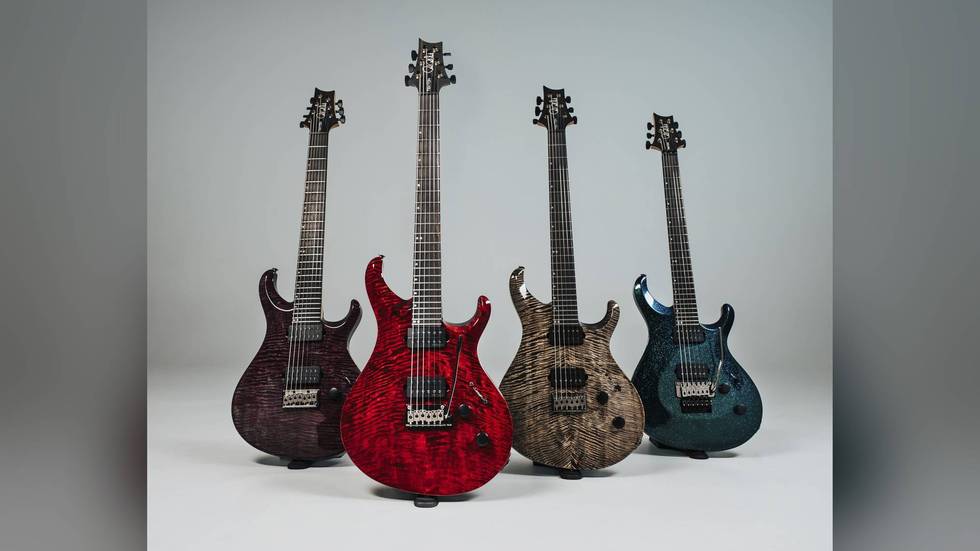
But I’m not here to rain on guitar makers’ parade—I’m also concerned about the buyers. When it comes to the supply of instruments, we live in le bel âge of guitar building, and you would rightly imagine that’s a good thing. Today you can find guitars in every shape, color, and combination of features imaginable. There are short scales, long scales, fanned frets, compound radius necks, and every type of wood choice. Pickups are so plentiful that you could write a doctoral thesis about magnet strength, impedance, and inductance as they relate to tone shaping. Body shape, once confined to variations on the violin and lute motifs, have reached a point where the 1960s Wandre guitars of Antonio Vandrè Pioli look tame. It has gotten to where styling—not to mention hardware choice—are no longer selling points as much as just considerations. You must navigate the seemingly infinite constellation of boxes to check when deciding whose origin story resonates with you at the moment. But that’s great, right?
According to studies such as Iyengar and Lepper’s “When Choice is Demotivating” (2000), there is an inverse relationship between the number of options we are presented with and the long-range satisfaction we derive from our choice: as the former rises, the latter falls. Counterintuitively, it may be that the impulse buy might be the happier route. It seems that when you spend endless time comparing features, reviews, and alternatives, the more likely you are to doubt your decision later. People descend into a spiral of second-guessing the calculations they employed to part with their cash—revisiting every data point they scrutinized along the way. This is called the excess choice effect, and I’m as guilty of it as anyone.
I blame the internet for everything, but mostly for providing me with details, specifications, measurements, and reviews of everything I need or want to buy. Maximizing and optimizing are trendy lifestyle mantras that feed into our daily lives, and therefore our purchases. But I know that if the house was on fire I might grab the things that came to me in a flash, not ones that involved an excruciating search and mental spreadsheets. It seems that the more choice we’re given the more Faustian the bargain seems to get.
And for the sellers of musical hardware, providing endless specifications may actually be counterproductive. This explains some brands moving towards selling vibe and story, hoping that somehow they will short-circuit the decision-making process—switching it from a scientific experiment into something like a buddy movie where the guitar buyer co-star in the film. This approach is akin to the artist endorsement sales pitch, only the builder is your quasi-famous-on-the-internet buddy. Like we say in Chicago, “I got a guy.”
So in a way, it’s okay that every block has a guitar builder, even if a large number of them are screwing together Telecaster clones. Get the one with the funky pickguard or the selector switch in an unusual place. Support micro businesses and hang that butcher-block hippie guitar next to your genuine Les Paul. Buy the one that makes you happy. Don’t discriminate, collect them all.
“Every instrument has something that it does better than others. You just need to enjoy that one thing.”
I know this is starting to sound a little like a feel good-script at this point—go with your gut, follow your bliss, and my favorite, just flow into it. But the good news is something I’ve written about before: every instrument has something that it does better than others. You just need to enjoy that one thing and not get hung up with attempting to “design” a guitar that fulfills every wish. That way you’ll always need one more guitar.