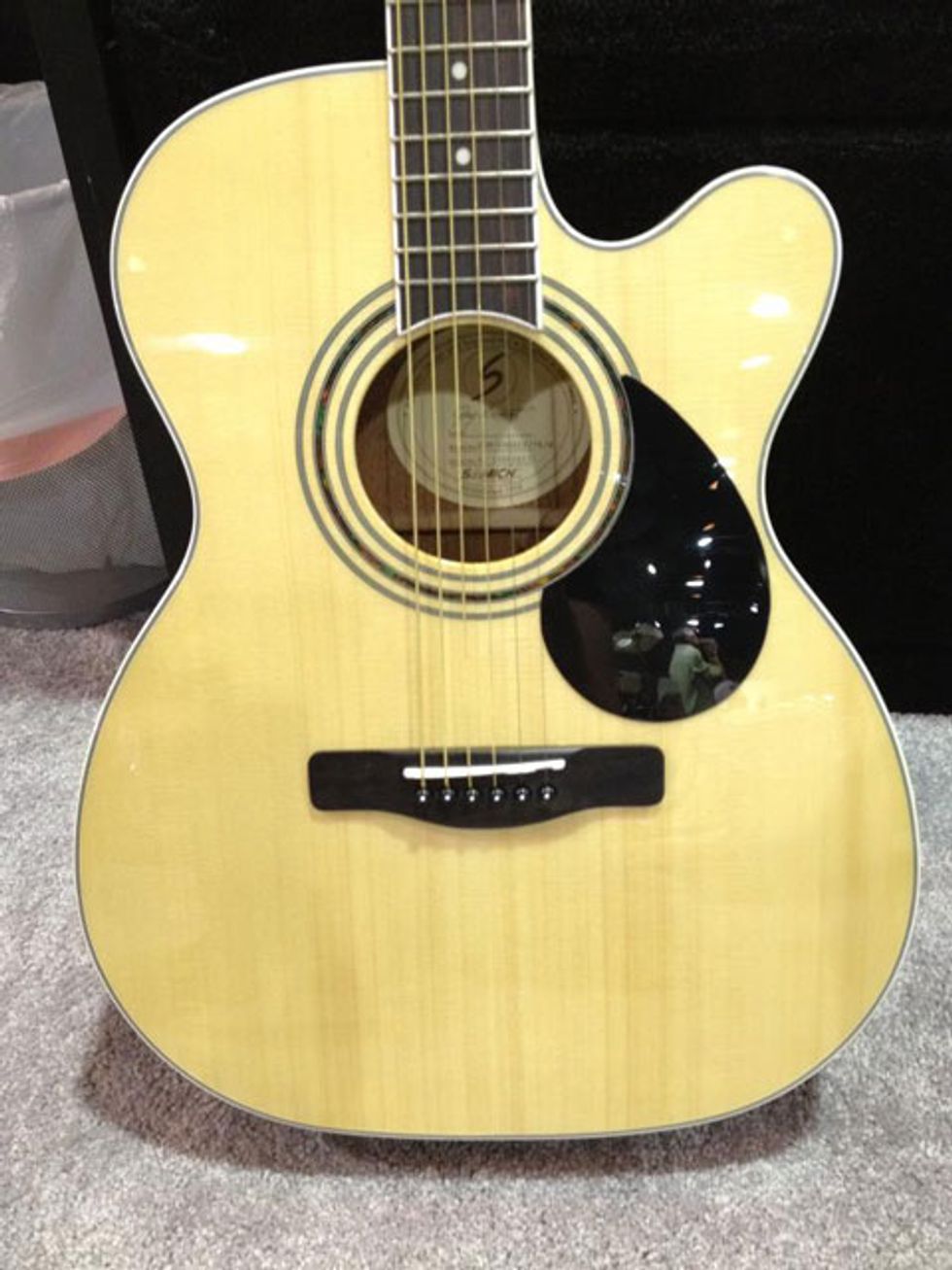
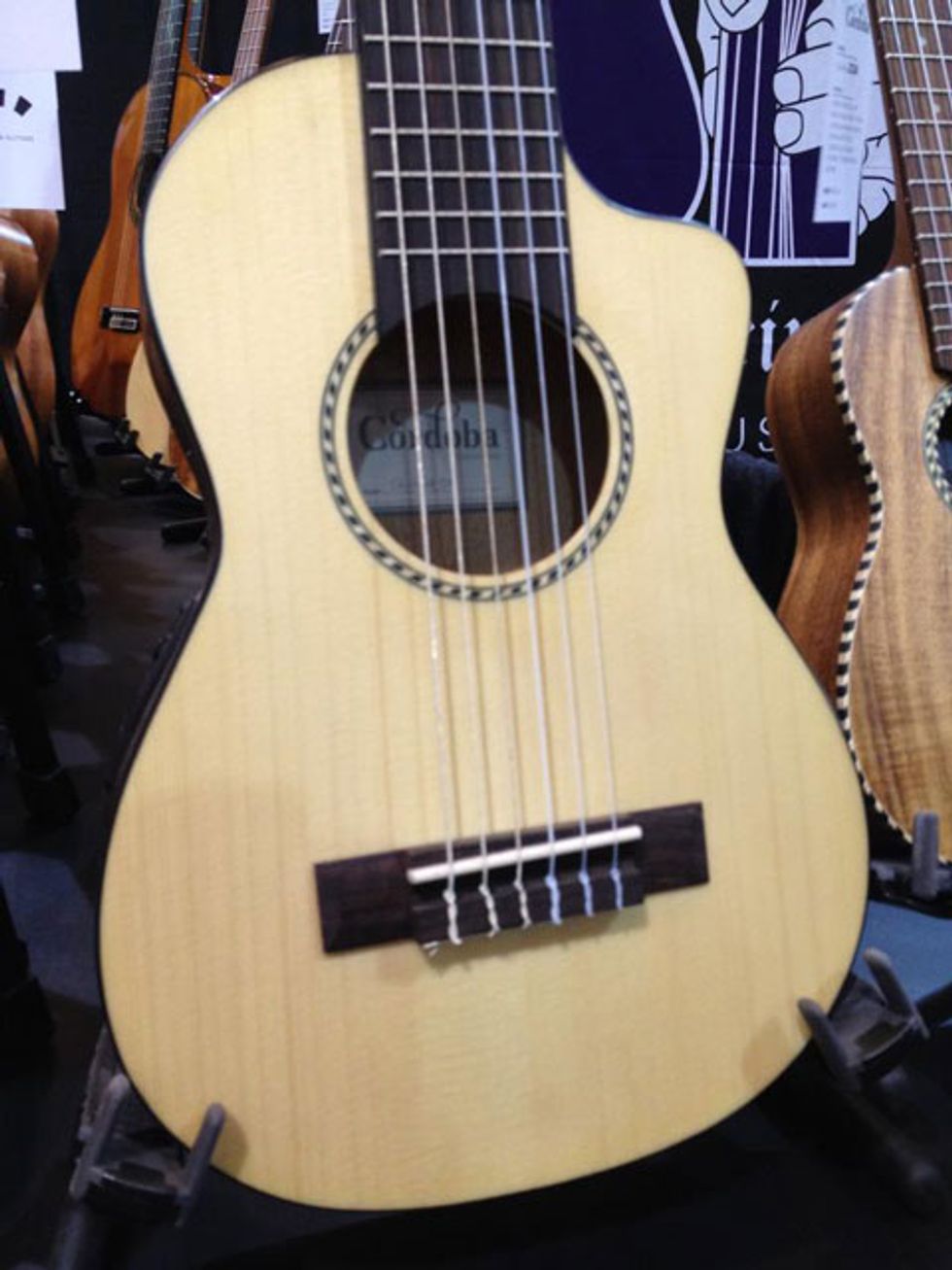
"The GOM-100SCE/PK/N has a solid spruce top, laminated mahogany back and sides, and Fishman Isys electronics for about $320 street. gregbennettguitars.com"
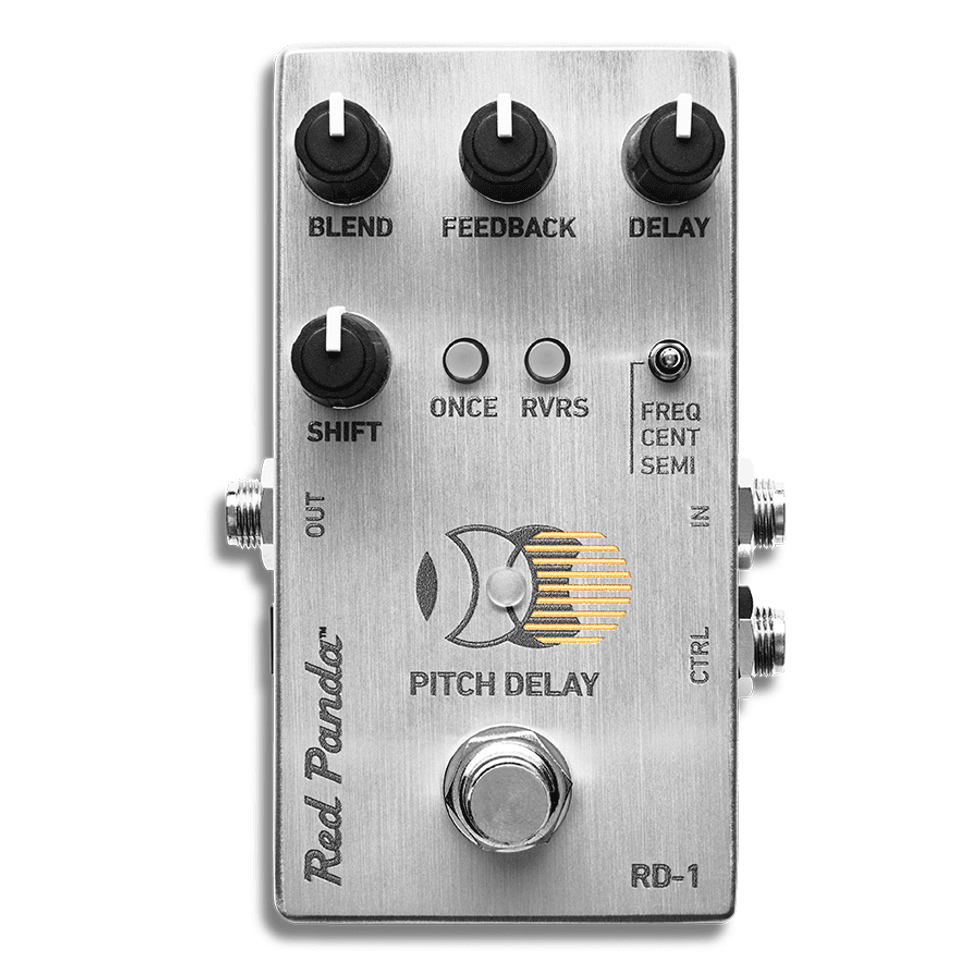
This month's roundup features 15 essential releases, including EarthQuaker Devices’ all-analog tube preamp, Red Panda’s new pitch delay, and a studio-grade line isolator from Lehle. Whether you need vintage grit or modern precision, we’ve got the highlights.
Chicago Music Exchange
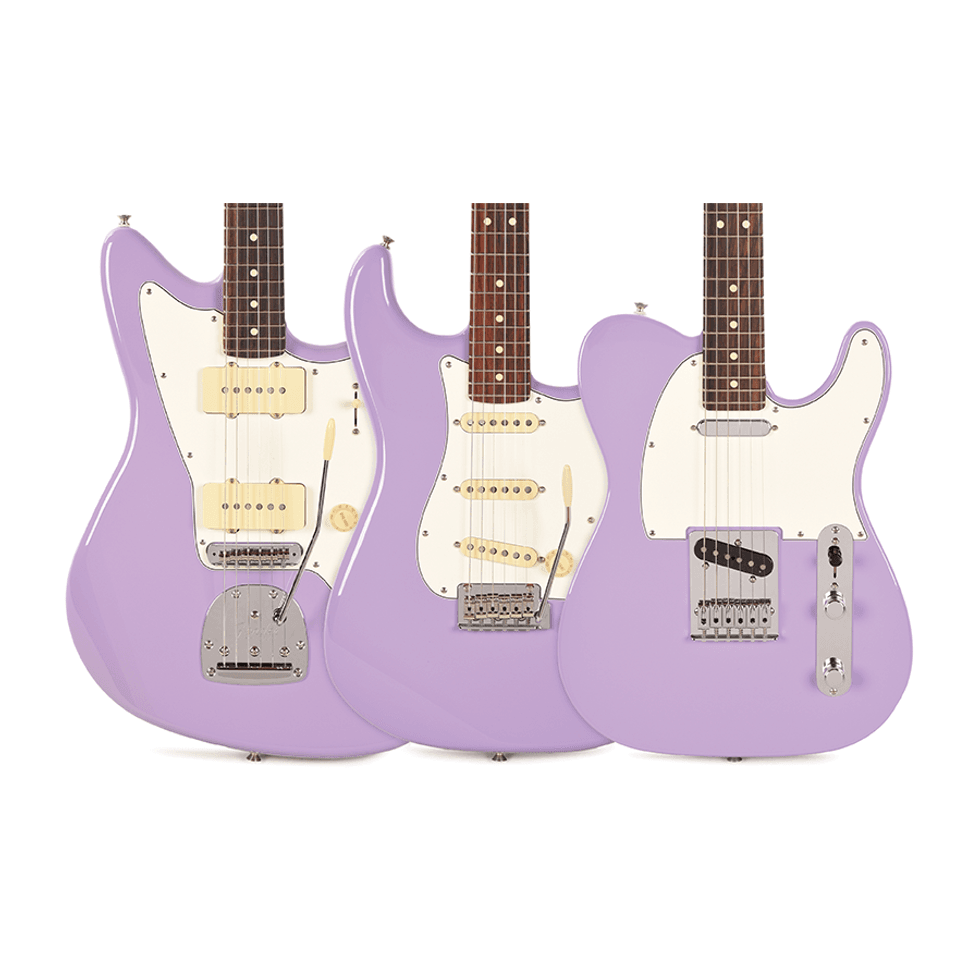
Fender Player II Lavender Haze Collection
Chicago Music Exchange and Andertons introduce their latest exclusive: Lavender Haze—a Player II collection that looks like a lost custom color from Fender’s golden era and sounds bigger, warmer, and more powerful than ever. Each instrument is loaded with exclusive “Full Dip” pickups, upgraded wiring mods, and thoughtful vintage-inspired details.
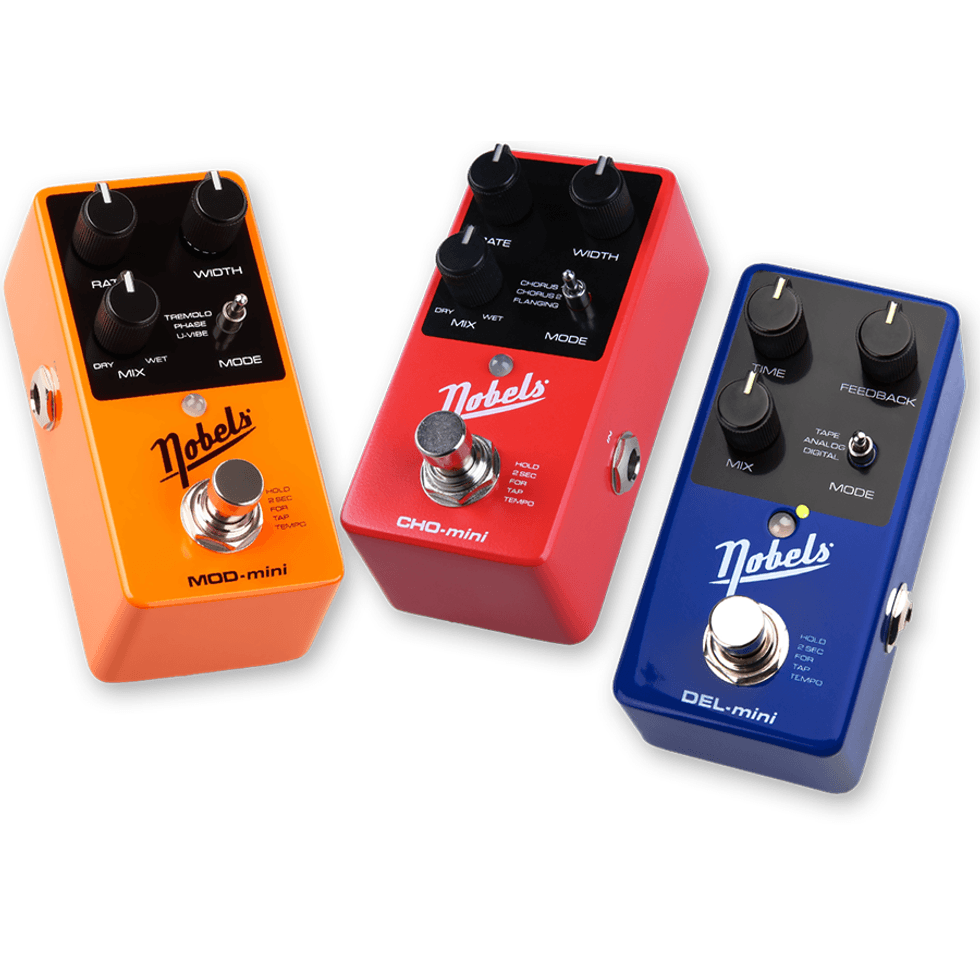
Nobels’ new mini pedals all feature tap tempo, mono or stereo (TRS), and true- or buffered-bypass switching. Each model offers 3 modes: MOD-mini has tremolo, phase, and u-vibe; CHO-mini has chorus 1, chorus 2, and flanger; DEL-mini tape, analog, and digital. Lots of features, great value!
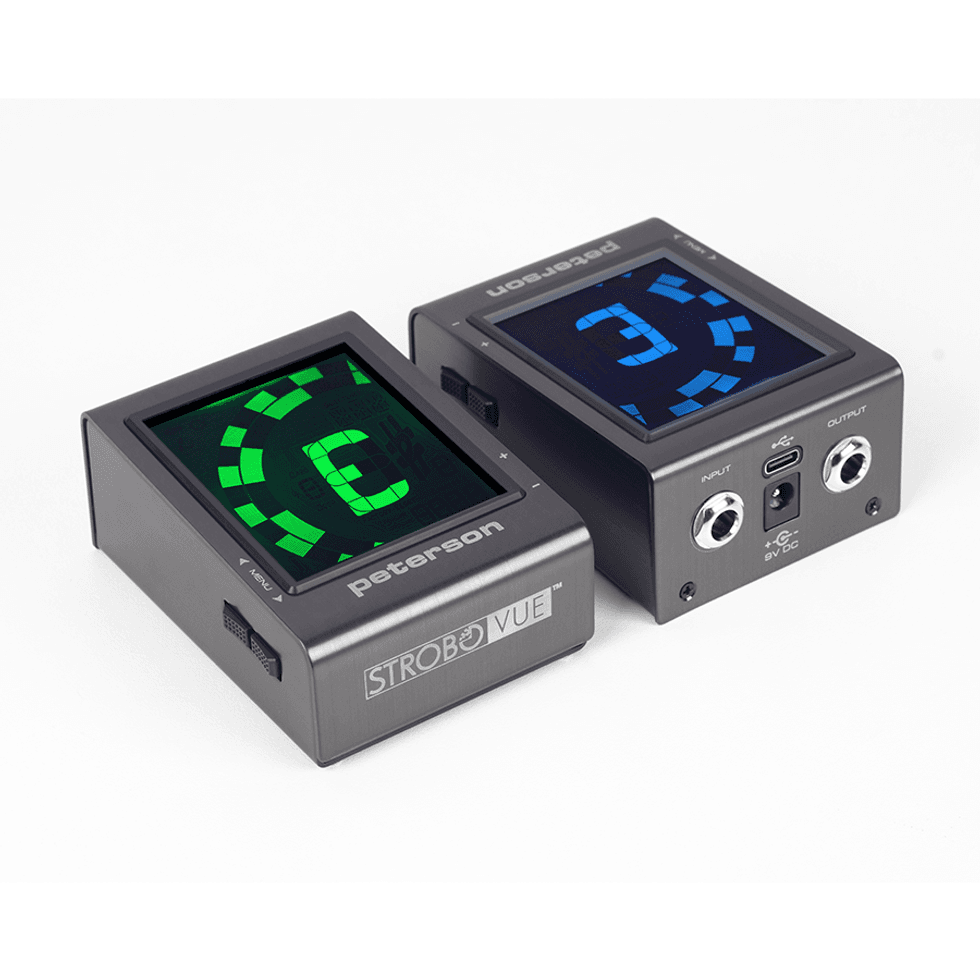
Building on the legacy of the StroboStomp HD, the view-only StroboVUE delivers Peterson’s renowned strobe accuracy in an always-on pedalboard format. Its angled, high-visibility display and fully top-mounted jacks keep setups clean. Featuring pure buffered output, continuous tuning feedback, and no mute switch, StroboVUE is built for players who demand precision.
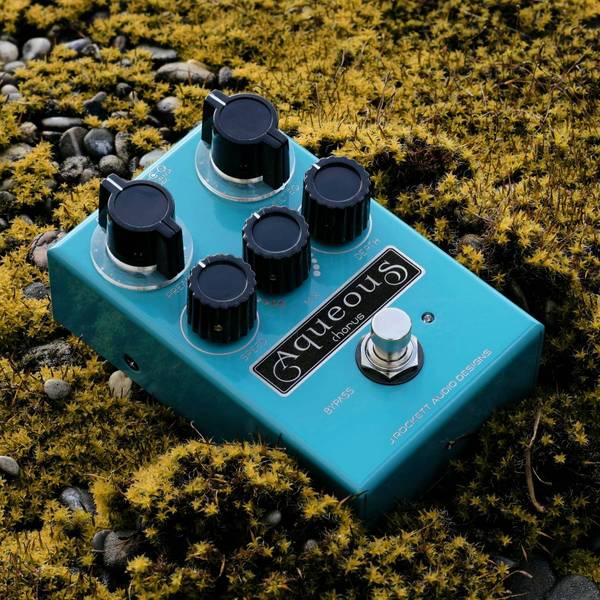
Dial in the past with the tilt EQ to create vintage bucket brigade tones, or dial it the opposite way to achieve classic ’80s sounds. The Aqueous features a preamp for gain makeup to limit the input and brings the circuit to life.
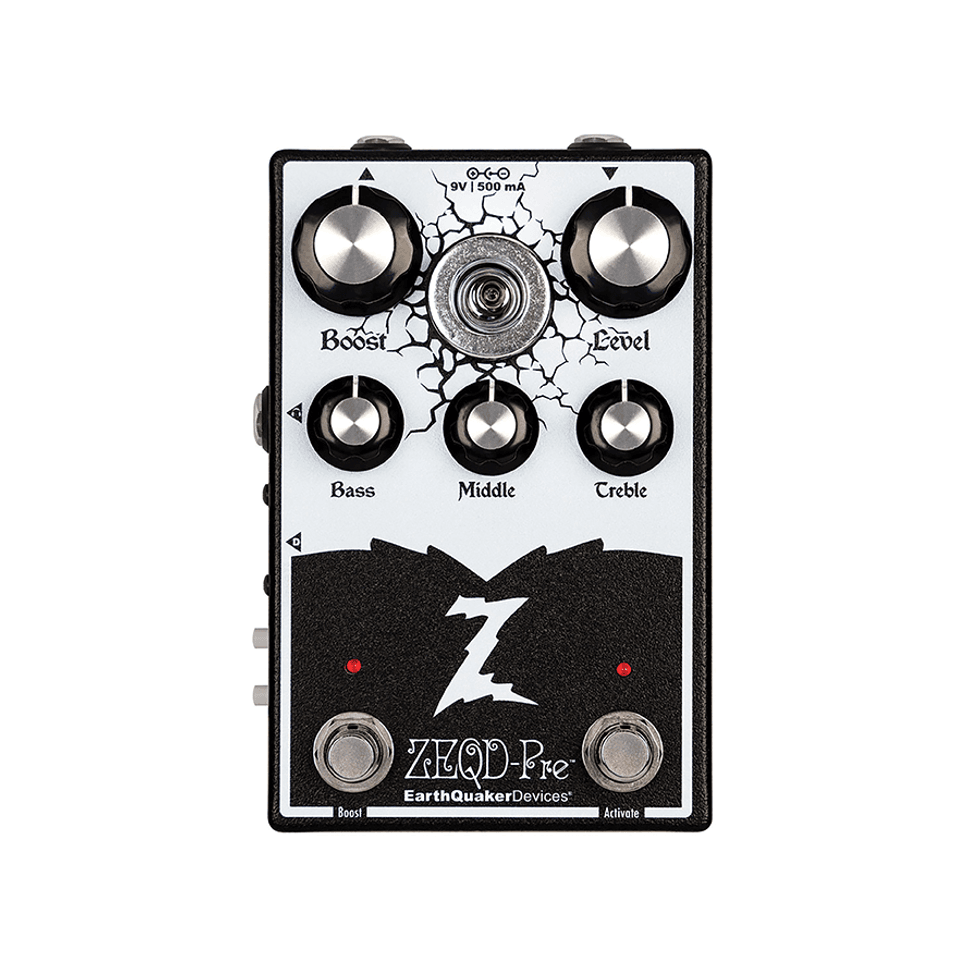
This all-analog tube preamp, designed with Dr. Z Amplification, features a real EF86 pentode tube to deliver authentic warmth and touch-sensitive response. This end-of-chain solution includes a three-band EQ, independent boost, analog cabinet simulation, and XLR/headphone outputs—perfect for direct recording or pedalboard-based rigs.
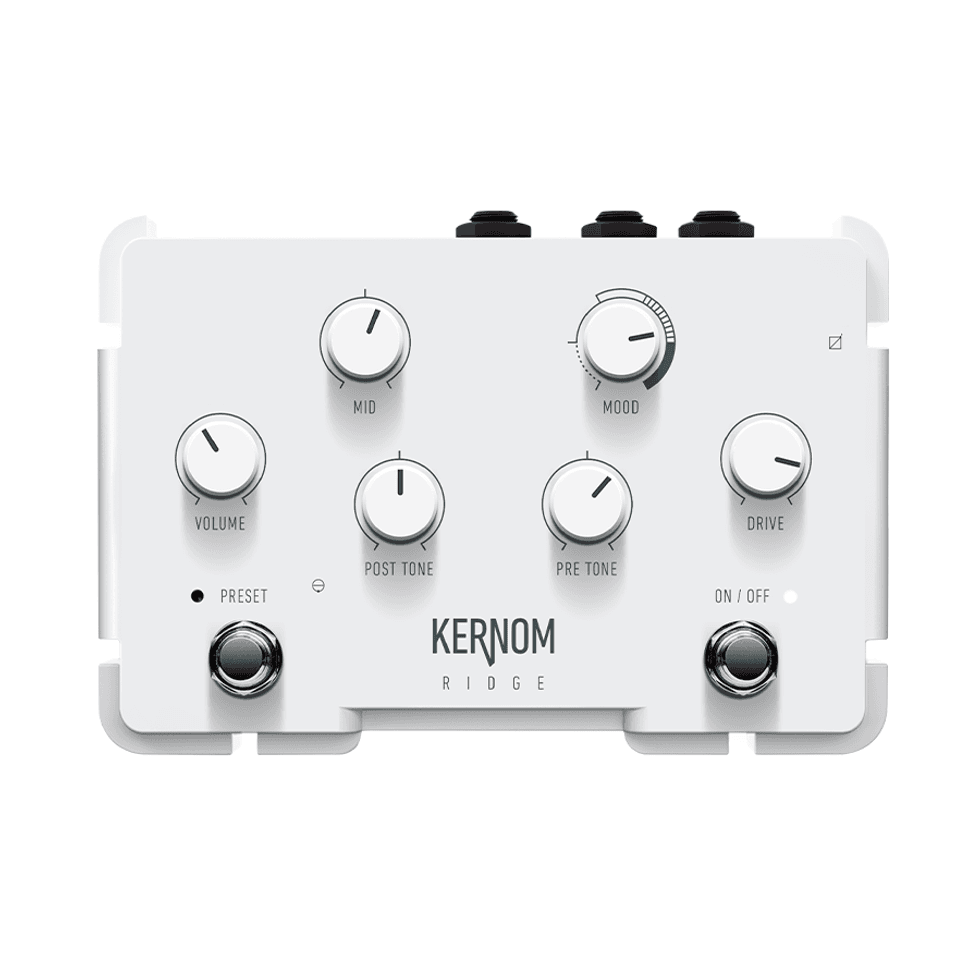
Do you want complete control of your overdrive? Kernom Ridge preserves your pure analog tone while unlocking the power of digital control. Its patented Analog Morphing Core sweeps smoothly from edge-of-breakup to saturated lead and every drive tone in between. Save presets, use MIDI or expression, and command your tone.
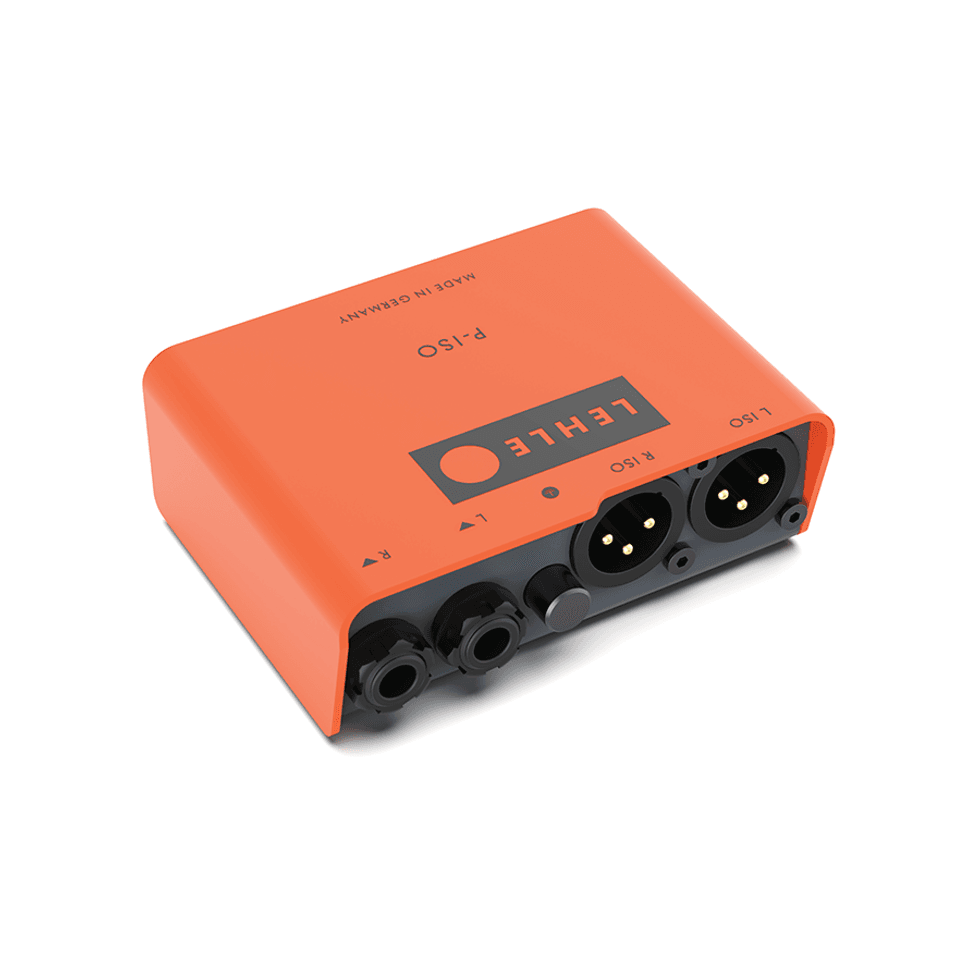
This stereo line isolator brings you closer to the main system. Passively, it converts your stereo audio signal not only to balanced XLR but lifts the ground so there’s no chance of noise or hum. Perfect for pedalboards or modeler, live or studio—all fitted into a handy size.
This focused digital delay features integrated pitch and frequency shifting designed for immediate, hands-on control. Shift repeats once or endlessly in the feedback loop, from clean delays to subtly twisted textures and out-there sounds.
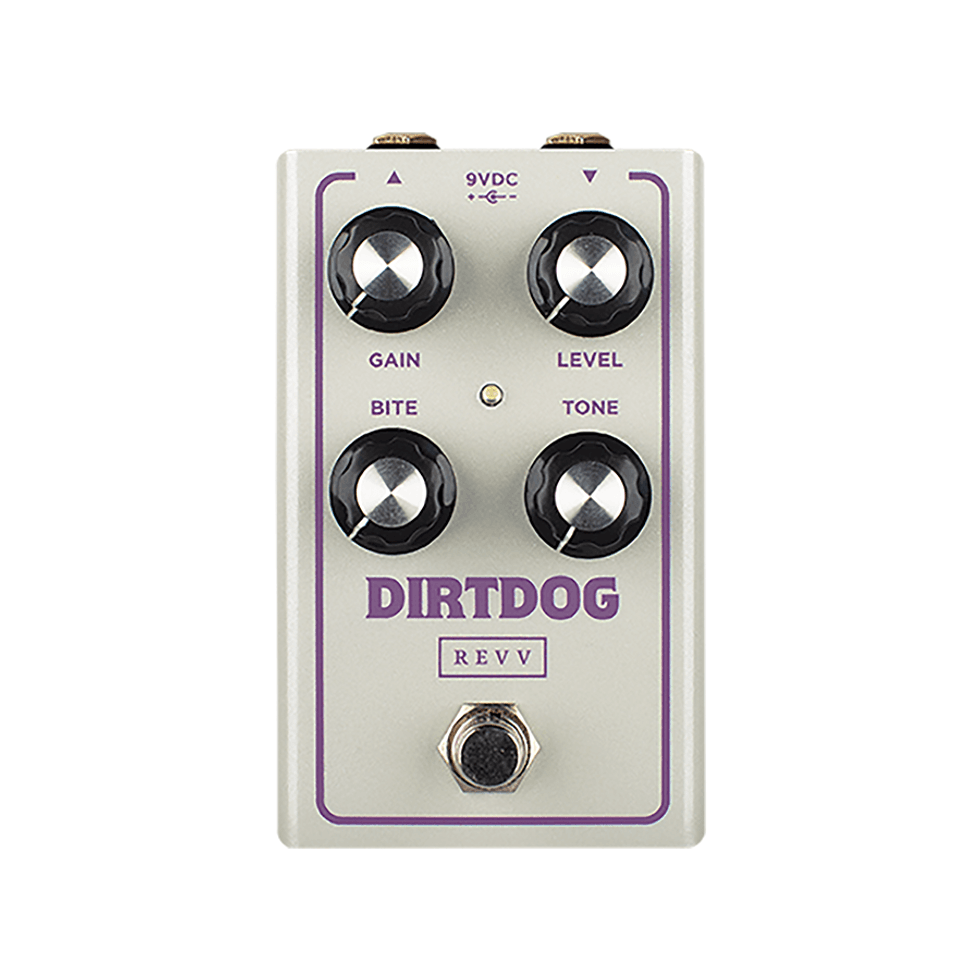
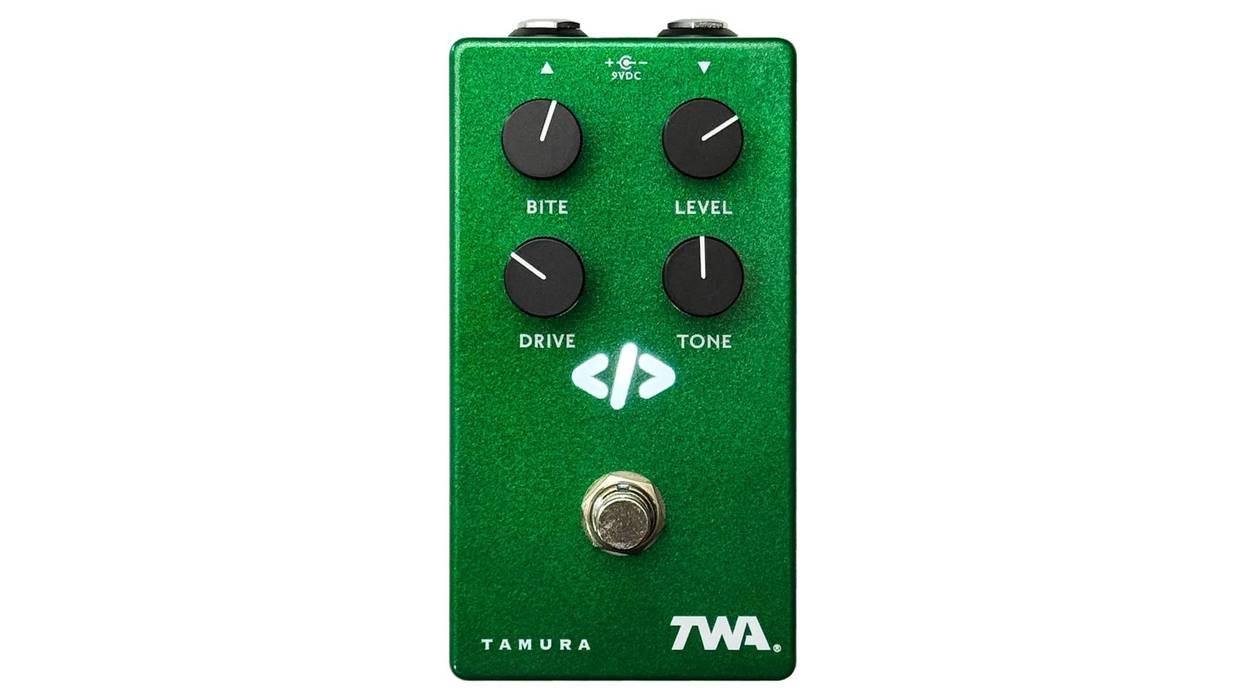
The Dirt Dog Overdrive—developed with Joey Landreth—delivers expressive, amp-like breakup with outstanding touch sensitivity. Simple gain, level, bite, and tone controls make it easy to shape everything from warm grit to rich, sustaining drive.
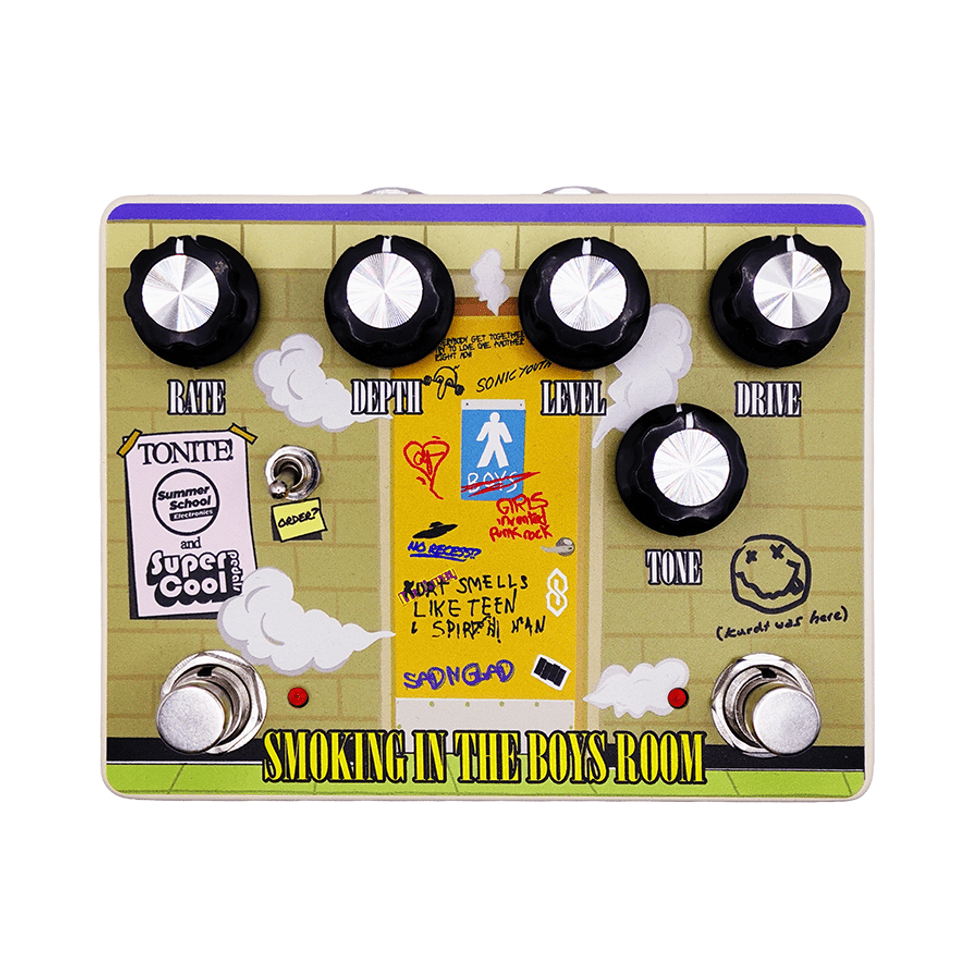
This bold cross-border collab takes Summer School Electronics’ DS-1-inspired buzzsaw distortion and smashes into Supercool Pedals’ watery Small Clone chorus to create unmistakable grunge tones. With a chain-order switch in tow and art soaked in ’90s lore, it’s a blistering love letter to an iconic sound.
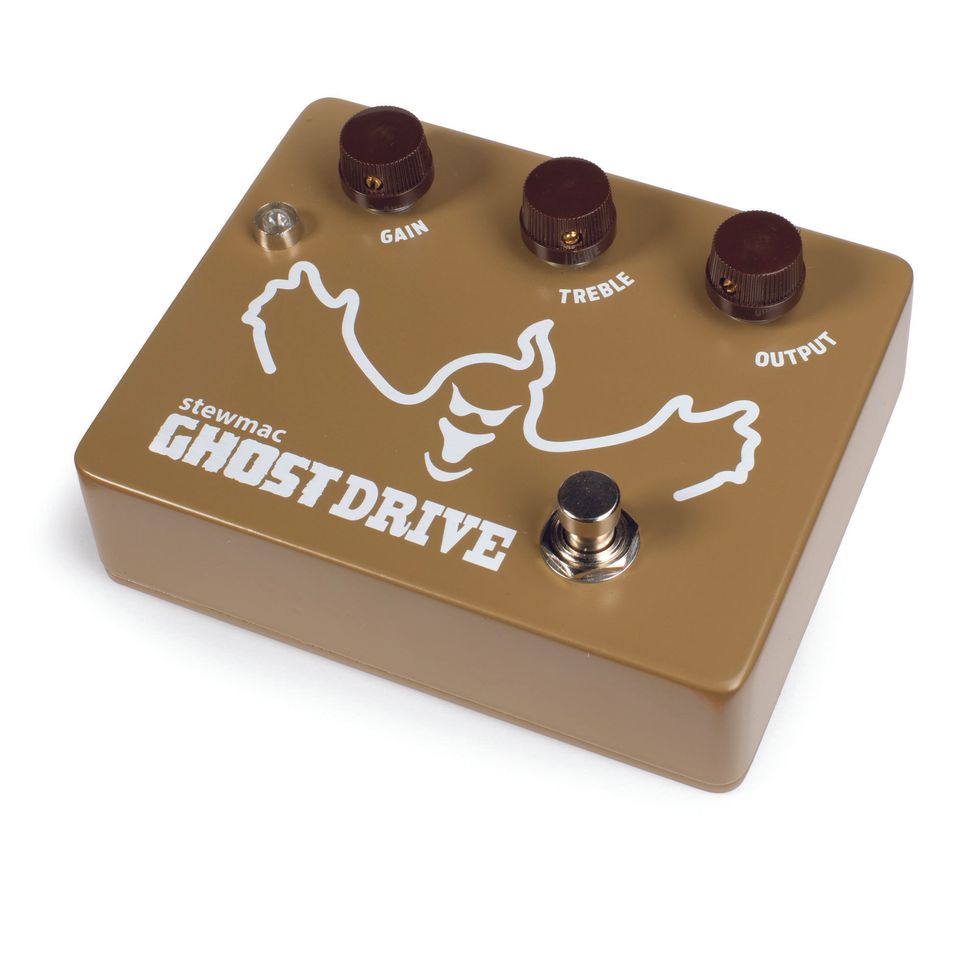
This boutique, Klon-style overdrive pedal is now fully built and ready to play. Get rich, transparent drive, smooth sustain, and dynamic response without building the kit yourself. Perfect for adding warm grit or pushing your amp into singing lead tones.
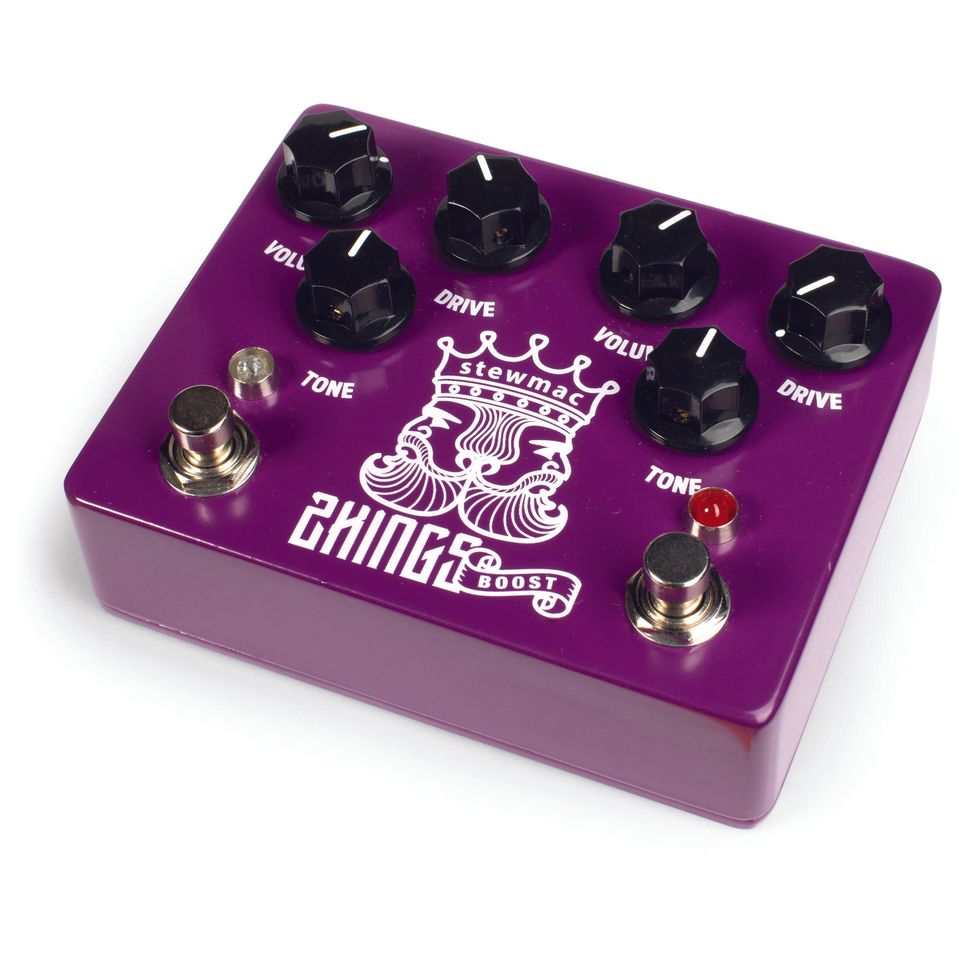
The StewMac Two Kings, based on the Analog Man King of Tone, packs two legendary overdrive circuits into one fully built pedal, no soldering required. From transparent boost to rich mid-gain crunch, stack the drives for endless tonal options. Perfect for shaping your rhythm tone or adding singing sustain to solos.
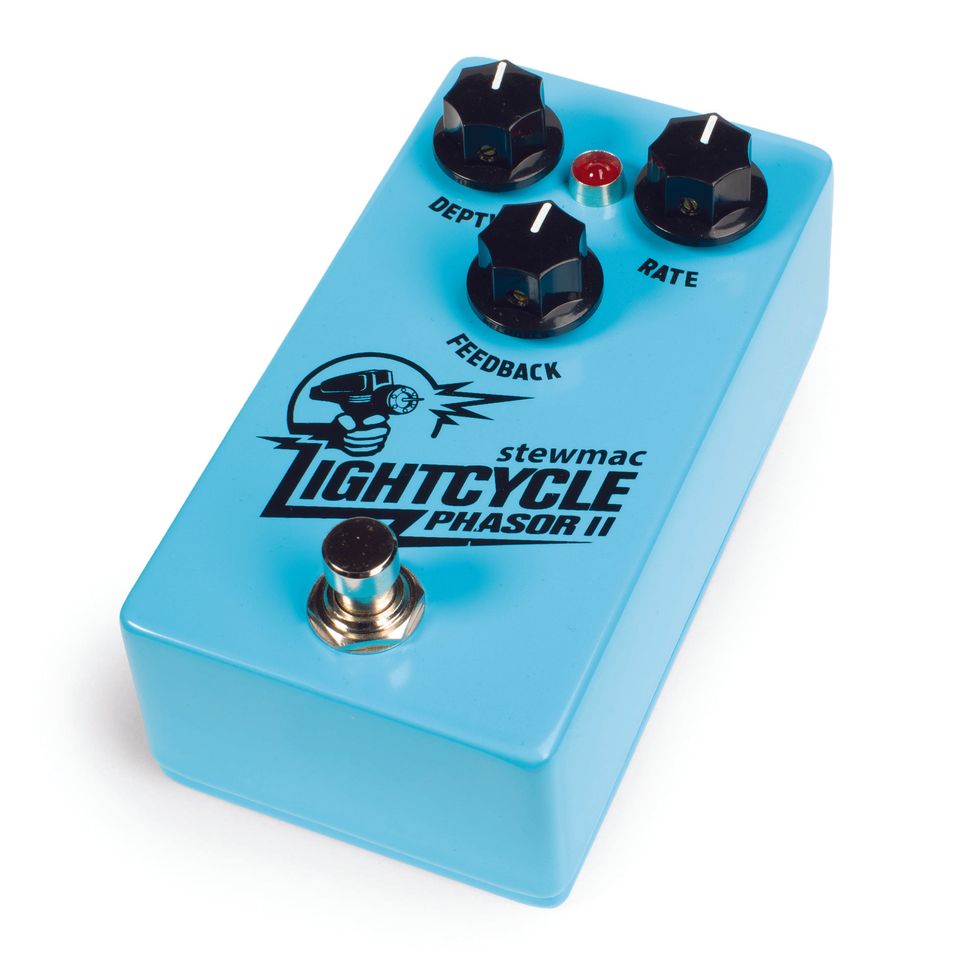
This fully assembled, board-ready analog phaser pedal was inspired by the legendary Mu-Tron Phasor II. Featuring lush, sweeping modulation, rich vintage tone, and three intuitive controls for rate, depth, and feedback, it effortlessly delivers anything from subtle movement to deep, psychedelic swirls—no assembly required.
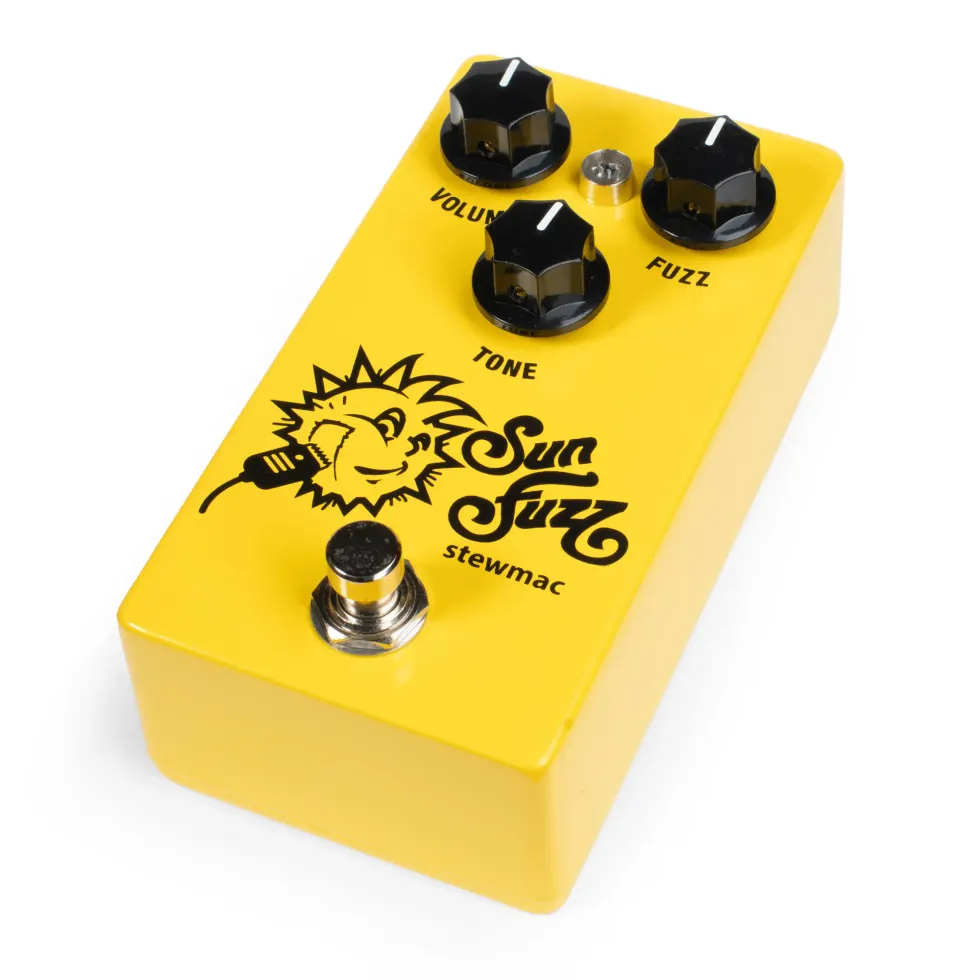
A boutique-style pedal inspired by the Analog Man Sun Face, fully built and board-ready. The Sun Fuzz delivers rich, touch-sensitive fuzz tones with warmth, clarity, and adjustability. Featuring silicon-based circuitry with internal bias and clean blend controls for tonal finesse, it handles thick chords and saturated leads equally well.
Running two effects of the same kind concurrently can yield amazing results. Stacked fuzzes or RATs? I’m in heaven. Other effects work less reliably well in pairs. Two reverbs, for instance, can sound killer but can turn an otherwise carefully crafted signal to smog. Twin phasers, in my experience, can be counted among the effects that are delicious together. It takes just two simple one-knob phasers to get very weird. Build two phasers into one, though, and add a few extra tone shaping controls, and the weird gets weirder fast.
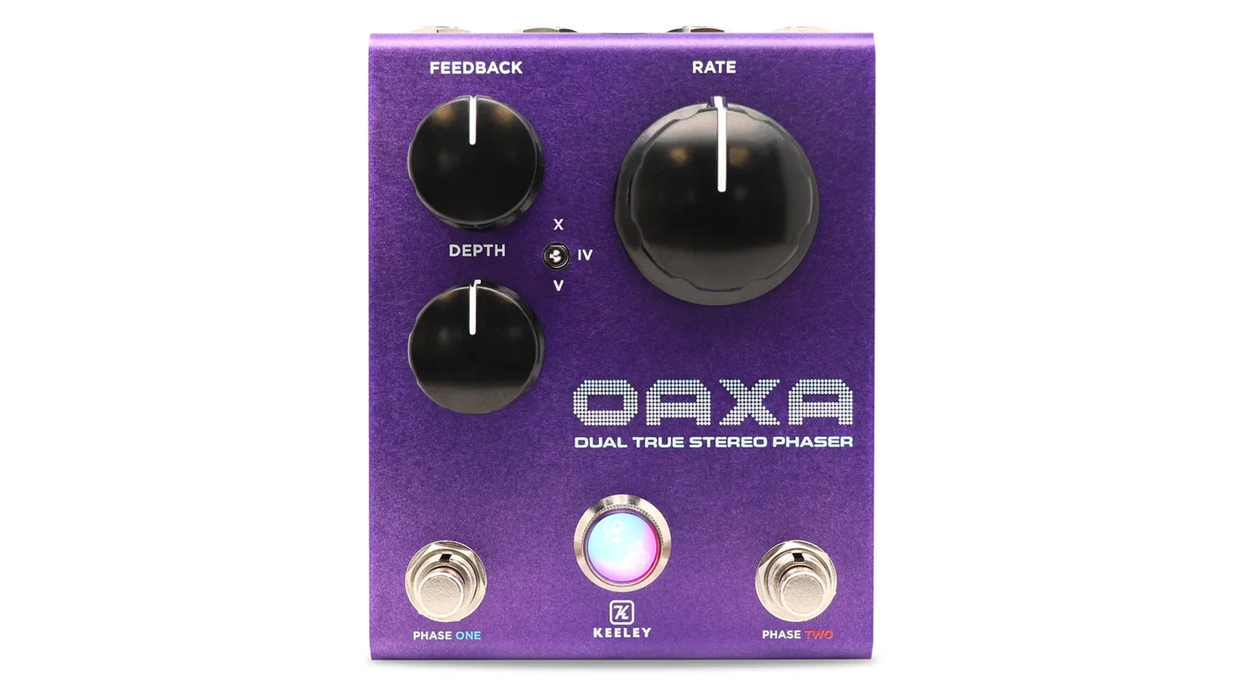
Keeley’s new U.S.-made, digital Oaxa twin phaser can feel nearly as simple and straight ahead as two Small Stones running side by side, and honors the elegance and ease of that solution in many ways. There’s just three knobs—for rate, feedback, and depth. A small 3-position toggle switches between 10-stage phase, 4-stage phase, and a Uni-Vibe-style mode. Two footswitches select between the individual phaser or a combination of the two. If you want to keep things simple, you can dive in no further than that and have a great time. But Oaxa bears many secrets for deeper diggers.
Working the Waves
The phase effect is fun to use intuitively. And adding it in and out can be low stakes. Feeling that a riff sounds lifeless? Add a phaser and twist the rate. Maybe it’ll be exactly what a song needs. Maybe it will sit like rotten mayonnaise. But it won’t have taken much effort to try, and you’ll probably have fun along the way. The Oaxa is deeply satisfying in this manner.
The brilliant, big rate knob can be adjusted with precision using just a toe (provided you have the right shoes). And while the depth and feedback controls might be an affront to Phase 90 and Small Stone users, Oaxa’s controls open up useful phase possibilities without leaving you feeling doomed to get lost in the weeds. The depth control, for instance, has so much range it can render the phaser all but subliminal—making it a killer always-on sweetener that can be nudged in and out of prominence via the depth knob. Those just-barely-there depth settings can also be subtly re-shaped by the similarly rangey feedback control, which acts like a filter, adding wah-like focus at mild depth. At more intense depths, the feedback adds appreciably more vowelly “wow” tonalities that give Oaxa more than a hint of a Mu-Tron’s beautiful vintage essence. This variation—and interactivity—among depth and feedback colors alone makes Oaxa a great production, arrangement, and guitar layering tool, particularly in spacious arrangements.
Bear in mind that all the phase phenomena I’ve described here were observed in the 4-stage phaser voice—my most natural and familiar phase space. But the 3-way toggle can also be configured for 10-stage voicing or as a Uni-Vibe-style phase effect. The 10-stage voice is a little more binary than the 4-stage, and can obscure some overtone nuance in the wash. At extreme depth settings it can even sound almost tremolo-like. For a lot of players, the more focused modulation waves in the 10-stage voice will be a perfect fit for rhythmic delays or staccato passages begging for a little extra wobble and a more interesting tail. The Uni-Vibe style setting, meanwhile, is a pretty authentic version of the effect and delivers a recognizable take on the drippy “whoop”-like phase created by a Uni-Vibe’s optical circuit. Like the real deal, it sounds fantastic with fuzz.
Multiplied by Two ... and More
When both phasers are on, Oaxa’s jewel lamp flashes blue and red, and the visual suggestion of a party is apt. There are deep and crazy sounds here that can take you deep into the wee hours. But not all combinations are magic. Certain pairings of modulation rate and harmonic peaks can obscure details that might make a single phase voice pleasing. But the option to run the two phasers in parallel or series enables more or less detailed versions of a compound phaser voice, respectively. And just-right phase-rate relationships combined with contrasting voices, depth, and feedback can yield fantastic results. Fast-throbbing U-Vibe style modulations combined with slow, deep 4-stage phases are extra dimensional—as are just about any two high-contrast rates. Nailing these combinations and hearing them via stereo—the other great force multiplier on Oaxa—can pull you deeper still into the pedal’s capacities.
The Verdict
Do you remember what I said at the top about the Oaxa being simple? It’s true. It’s just that Oaxa’s elegant design also has a lot in store for troublemakers willing to dig a bit. And if the stereo and dual-phase settings aren’t trouble enough, you can use the footswitches and knobs to introduce compression or extra filtering, or reconfigure the toggle to include 2- and 6-stage phaser voices. I’d venture that using the most basic functions will make the $199 price well worth it over time. But you’ll likely celebrate the day you stumble across one of Oaxa’s more complex finds. I suspect such days will be many in number, too.
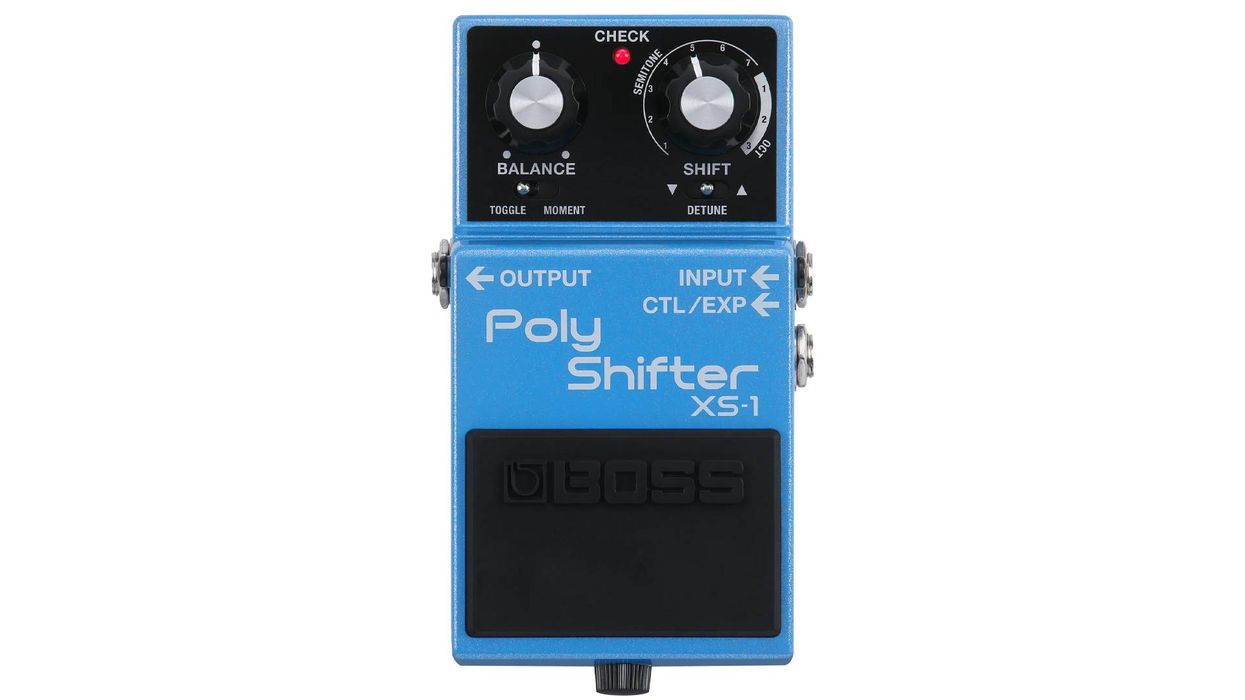
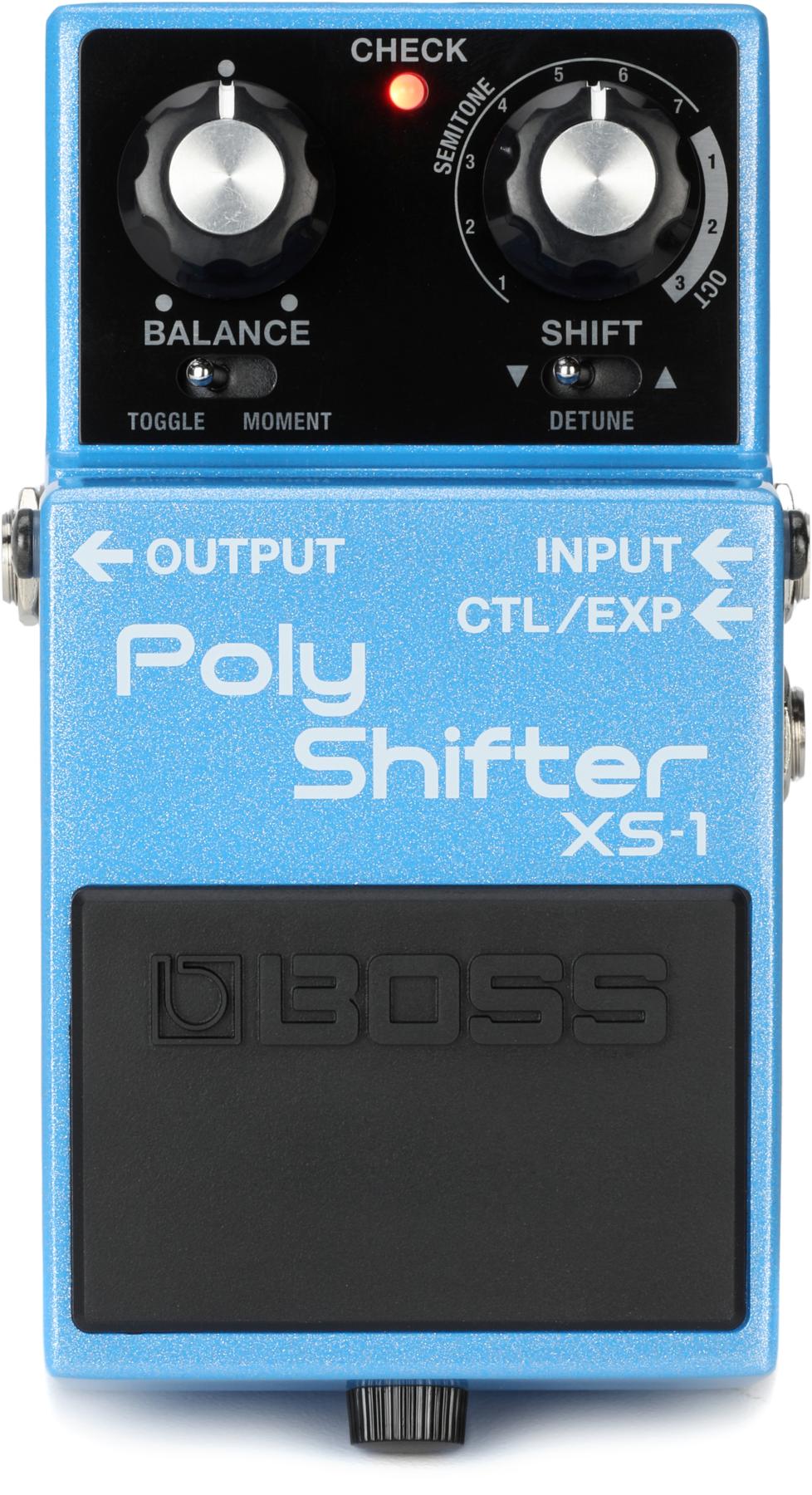
Any effect can color a guitar’s personality and language. But Boss’ new XS-1 Poly Shifter literally stretches the instrument’s vocal range. With the ability to shift input by +/-3 octaves or semitones, it can turn your guitar into a bass, a synth, or a baritone, or function as a capo. It also seamlessly generates harmonies for single note leads and keeps up with quick picking without any apparent latency. Furthermore, the pedal is capable of stranger fare that stokes many out-of-the-box ideas. But if you’re a guitarist that plays more than one role in your band—or musical life in general—the XS-1 can be a utilitarian multitool, too. It’s a pedal that can live many lives.
- YouTube
The XS-1, which was released alongside its bigger, more intricate sibling, the XS-100, is an accessible route to exploring pitch shifting’s potential. Housed in a standard Boss enclosure, it doesn’t consume a lot of floor space like the XS-100 or DigiTech’s Whammy. And while it achieves this spatial economy in part by forgoing a built-in expression pedal (which could be a deal breaker for some potential customers) it’s still capable of +/- seven semitones and a +/- three-octave range that can be utilized in momentary or latching applications.
Slipping, Sliding, and Twitching
Though digital pitch shifters have always been capable of amazing things, early ones sounded very inorganic at times. High-octave sounds in particular could come across as artificial, like the yip of a robot chihuahua plagued by metal fleas. Some very creative players use these colors—as well as the most sonorous pitch shift tones—to great effect (Nels Cline and Johnny Greenwood’s alien tonalities come to mind). In other settings, though, these older pitch devices can be downright cringey.
“The pedal clearly represents several leaps forward from first-generation pitch shifters.”
The XS-1 belies digitalness in some octave-up situations. But the pedal clearly represents several leaps forward from first-generation pitch shifters. Tracking is excellent and shines in string bending situations. Semitone shifts can provide focused harmony or provocative dissonance depending on the wet/dry mix and which semitones clash or sing against the dry signal. At many settings the XS-1 feels alive and organic, too, with legato lines taking on many of the touch characteristics of a violin-family instrument. You get far less of a note-to-note “hiccup,” and glissandos take on a beautifully fluid feel—with or without a slide—letting the XS-1 deliver convincing pedal- and lap-steel-style textures when you add a single octave up. (Such applications sound especially convincing when you kick back on guitar tone and restrict your fretwork to the 3rd through 5th strings, which keeps digital artifacts at bay.)
Mixmaster Required
The most crucial XS-1 control is the mix. For the most convincing bass, baritone, and 12-string tones, you’ll want a fully wet signal. But composite sounds can be awesome, too. You can use the control’s excellent sensitivity and range to highlight or fine tune the prominence of a consonant harmony. But it’s sensitive enough to make blends with dissonant harmonies sound a lot more intentional and integrated. And many of these eerie, wonky, off-balance textures are extra effective when introduced in quick bursts via the momentary switch. (That switch can also deliver great flashes of drama with more consonant harmonies—like dropping in a 3rd or 5th above a resolving chord in a verse.)
You can get creative in other ways using dissonant blends. Droney open tunings can yield fields of overtones that sound extra fascinating with delay, reverb, or 12-string guitar… or all of them! Dialing in blends that really work takes some trial and error, and you’ll definitely hit a few awkward moments if you’re navigating by instinct alone. But those same experiments often uncover real gems—especially in the pitch-down modes, which tend to produce more mysteriously atmospheric textures than their pitch-up counterparts.
The Verdict
Boss’ most straightforward pitch shifter covers a lot of ground. If you play in a duo, trio, or small band, it can expand that collective’s stylistic and harmonic range. It’s small, at least relative to treadle-equipped pitch shifters, so if you’re not a pitch shift power user, you don’t sacrifice a lot of room for an effect you might only employ occasionally, and you can still use the expression pedal jack to hook up a pedal for dynamic pitch control. The $199 price puts it in line with competitors of similar size and feature sets, but the XS-1 is a great value compared to more elaborate, treadle-equipped pitch shifters. If you’re taking your first forays into pitch shifting, or know that you need only the most straightforward functions here, it will ably return the investment. And along the way, it might even unlock a whole cache of unexpected tonal discoveries.
Most people think of samplers as drum machines with delusions of grandeur—four-bar loops, predictable patterns, and neatly sliced bits living forever in the prison of the grid. But for me, samplers and loopers are something completely different. They’re instruments of disruption. They’re creative accelerants. They’re circuit breakers designed to shock me out of my comfort zone and force my compositions, productions, and performances into strange, exhilarating new shapes.
One of my favorite studio practices—and something I encourage my Recording Dojo readers to experiment with—is to sample your performances. Not a preset library, not a pack from somebody else, but use your own melodic lines, motifs, rhythms, textures, and half-formed ideas. There’s something magical about hearing your own musical DNA come back to you in an unfamiliar, mutated form. It’s like collaborating with a version of yourself from an alternate timeline.
The real thrill isn’t about capturing pristine performances. In fact, it’s often the opposite: I’ll grab a phrase that’s imperfect, or mid-gesture, or harmonically unresolved, and drop it into a sampler purely to see what it becomes. When you do this, your musical habits—your well-worn licks, default rhythms, and predictable choices—don’t stand a chance. The sampler shreds them, recontextualizes them, and hands them back as raw material for re-writing, re-arranging, or composing something that never would have emerged in a linear workflow.
Sometimes the transformation is subtle—a lick becomes a rhythmic ostinato, a sustain becomes a pad, a passing tone becomes a focal point. Other times the sampler just mangles it, spits it out sideways, and you think, ‘Oh… now that’s interesting.’ Either way, it becomes a tool for breaking patterns, both musically and psychologically.
My Process: Mutations, Not Replications
My approach to sampling isn’t any more complicated than anyone else’s. I’m not using some secret, elite technique. I’m simply collecting fragments—little melodic cells, rhythmic quirks, harmonic gestures—and giving them permission to misbehave.
I’ll chop up key licks into uneven slices, or isolate just the back half of a phrase, or extract a rhythmic hiccup that wouldn’t survive in a normal editing session. Then I reassemble these bits with the expectation that they won’t behave. I want mutations. I want the musical equivalent of genetic drift. I’m not trying to color within the lines; I’m trying to see what happens when I throw the coloring book across the room.
Once the sampler gives me something intriguing, I run these new creatures through chains of further processing: glitch delays that stutter and fold the sound into origami-like shapes, micro-loopers feeding into overdrives or fuzz pedals, shimmering reverbs that stretch a 200-millisecond blip into a widescreen texture. The result can be anything from a ghostly sustained pad to a snarling, percussive accent, to a completely alien harmonic bed.
You can use these elements as alternate melodic lines, counterpoint, ambient beds, transitions, ear candy, or even structural material for entire songs. And because the source is you, the end result stays connected to your musical identity—just bent, twisted, and refracted into something fresh.
Outcome Independence: The Spirit Behind the Process
If there’s one thing that makes this approach powerful, it’s letting go of the expectation that what you sample must “work.” This is pure experimentation, not product-driven crafting.
I’m outcome-independent when I do this. I’m not looking for a result so much as engaging in the joy of the unknown. Some days nothing meaningful emerges. Other days I strike gold. But either way, the process sharpens my creative instincts. It keeps me curious.
“There's something magical about hearing your own musical DNA come back to you in an unfamiliar, mutated form.”
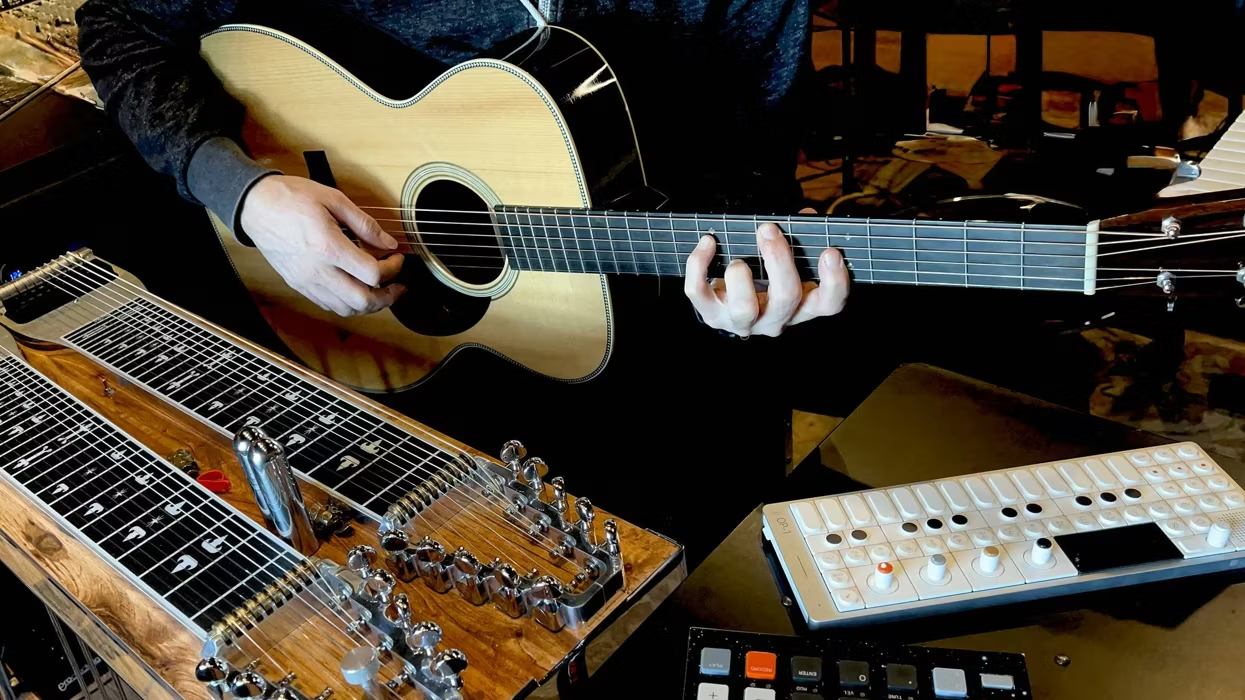
I use this same strategy when producing artists or working on film and soundtrack material. Recently, I applied it to pedal steel—an instrument known for its lyrical beauty—and the resulting textures were … well, not beautiful in the traditional sense. They were fractured, shadowy, almost Jekyll-and-Hyde. Perfect for a track built around the duality of personality. The clients absolutely loved the unpredictable, emotive soundscape those mutated pedal steel lines created.
Some Favorite Tools for Sonic Mutation
You don’t need a million pieces of gear to do this. A single sampler and a single effects chain can take you far. But here are a few of my favorite “chaos engines,” all of which I own and use regularly:
• Teenage Engineering OP-1 Field – A sampler, synth, tape machine, and chaos generator disguised as a minimalist art object. Its sampling engine and tape modes are perfect for tonal mutations.
• Teenage Engineering EP-133 K.O. II – A quick, dirty, wonderfully immediate sampler for slicing, punching, and recombining your ideas without overthinking.
• Omnisphere 3 – The granular engine alone is a goldmine for turning simple samples into cinematic, evolving textures.
• NI Maschine – Still one of the fastest environments for grabbing a sound, flipping it, and building an idea around the unexpected.
• …and whatever else you have lying around. The point is exploration, not allegiance to any one workflow.
Final Thoughts
Sampling your own voice as an instrumentalist—and then breaking it—reminds you that creativity doesn’t live in the safe, predictable spaces. It lives in the moments where you lose control just enough to discover something new. Give your sampler permission to surprise you, confuse you, and sometimes even challenge your sense of what you sound like. That’s where the good stuff begins.
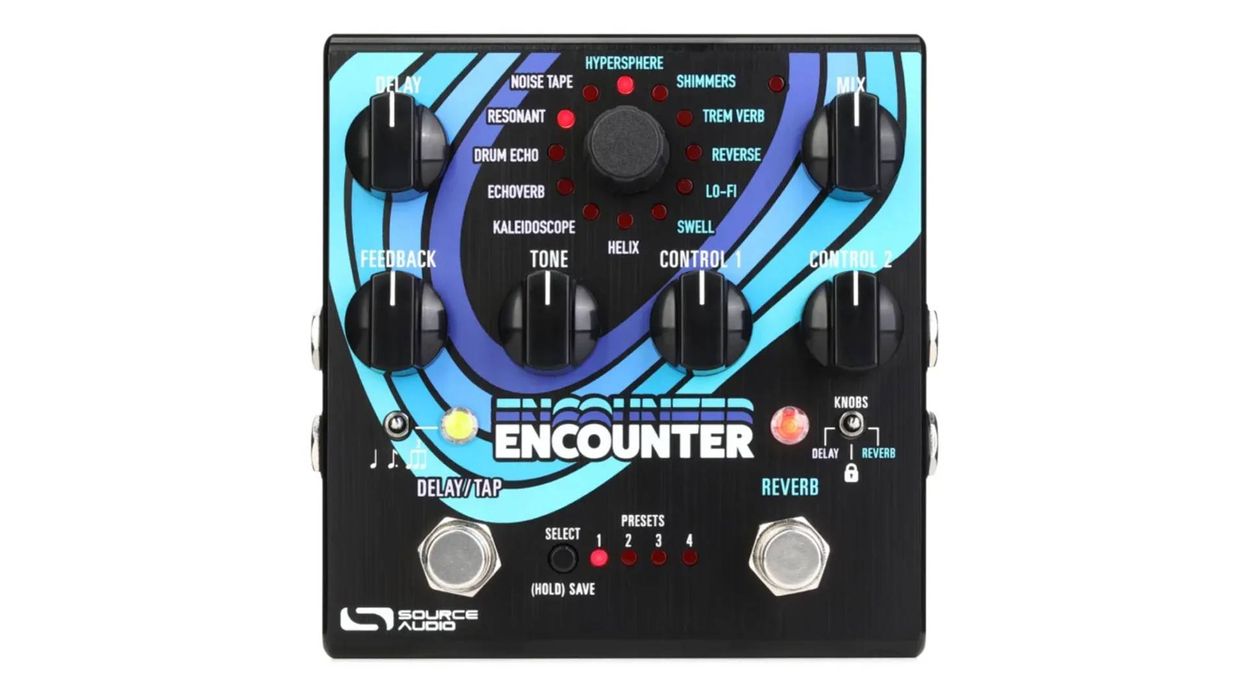
Reverb and delay. What two effects are better suited to live side-by-side in one pedal? Source Audio’s new Encounter reverb and delay is a mirror image of the company’s Collider, which explores the reverb/delay combo via a vintage lens. The mirror by which Encounter reflects the Collider, however, is more like the funhouse variety. There are many psychedelic, cosmic, and wildly refracted echoes to utilize in the Encounter. There are lots of practical ones that can be tuned to subtle ends, too. But Encounter’s realm-of-the-extra-real extras make it a companion for players that ply dreamy musical seas. It’s incredibly fun, a great spark for creativity, and, most certainly, a place to lose oneself.
Exponentially Unfolding
Of Encounter’s six reverb modes and six delay modes, four of them—the hypersphere, shimmers, and trem verb reverbs, and the kaleidoscope delay—are entirely new. Hypersphere, fundamentally, makes reverberations more particulate. Source Audio says it’s a reverb without direct reflections. In their most naked state, these reverberations can still sound a touch angular and perhaps not quite as ghostly and fluid as “no direct reflections” suggests. But they are still complex, appealing, immersive sounds. Odd reverberation clusters can conjure a confused sense of space and highlight different overtones and frequency peaks in random ways. At settings where you can hear this level of detail, hypersphere shines, particularly in spacious solo phrases. Hypersphere also features phase rate and pitch modulation depth functions via the control 1 and control 2 knobs, and they can further accent and enhance those frequency peaks, creating intoxicating, deep fractal reflection systems.
“Blends of the delay and reverb are the kind of places where you can lose track of a rainy day.”
The new trem verb mode can be practical or insane. The two effects together are a pillar of vintage electric guitar atmospherics. But the Encounter’s trem verb explodes those templates. As with the hypersphere mode, trem verb can zest simple chord melodies by using extreme effect settings at low mixes, where chaotic, half-hidden patterns dip in and out of the shadows, sometimes creating eerie counterpoint. But I loved trem verb most at extremes—mostly high mix, feedback, and decay settings with really slow modulation. Sounds here can be intense and vague—like strobe flashes piercing drifting fog. It might not be an ideal place to indulge fast, technical fretwork, but it’s a wonderland for exploring overtones, drone, and melodic possibilities.
Incidentally, the trem verb is a great match for the six delays, and the new kaleidoscope delay in particular, which fractures and scatters repeats in a million possible directions and spaces. Blends of the delay and reverb are the kind of places where you can lose track of a rainy day. The sound permutations often seem endless, and finding magic can take some attention and patience. But you can strike gold fast, too. You have to take care to save settings you really love (you can store as many as eight presets on board, and 128 total via midi) because it’s hard to resist the urge to meander through— and meditate on—hours of sound without stopping. Not all of the Encounter’s sounds are perfectly pleasing. Some combinations reveal peaky little chirps that betray digital origins—the merits of which are subjective and contextual. For the most part, though, the combined sounds are liquid and vividly complex, and can be especially enveloping at high mix and feedback.
Extended Reach
If the onboard controls don’t get you in enough trouble, downloading the Neuro 3 app, which unlocks deep control and functionality, is a minor wormhole. Take the case of trem verb—you can use Neuro 3 to change the wave shape or set up the reverb to affect the wet signal only, just the dry signal, or both of them. All of these changes open up a new system of tone caves as the sound evolves. If you’re deep in the nuance of a mix or arrangement, this functionality can be invaluable. And it’s a boon if you have nothing but time on your hands. In a state of engaged, intuitive workflow, I like to avoid these kinds of app dives. But having that much extended power on your phone or computer is impressive.
Neuro 3 extends the capability of the Encounter in other ways, too. The SoundCheck tool within Encounter is home to prerecorded loops of various instruments that you can then route through a virtual Encounter pedal. That means you can explore Encounter’s potential while stuck in a train station. It’s a real asset if you want to understand the pedal as completely as possible, and certainly a way to extract the most value from the unit’s considerable $399 price.
The Verdict
About that price. It looks steep. For most of us, it’s a significant investment. But when I consider how many sounds I found in the Encounter, how compact it is, and the possibilities that it opens up in performance and portable production (especially when you factor in the stereo ins and outs), that investment seems pretty sound. I must qualify all this by saying I was happiest with the Encounter when exploring its spaciest places—the kind of atmospheric layer where Spacemen 3, ambient producers, 1969 Pink Floyd, and slow-soul balladeers all hang. But there is room to roam for precision pickers that background radical effects, too.
Still looking to justify the cash outlay? Consider the Encounter as a portable outboard post-production and mixing asset. If you’re creating music built on big, shape-shifting ambience, it’s a cool thing to have in your bag of tricks. Different artists will mine more from the Encounter than others, so you should consider our ratings scores on a sliding scale. But as you contemplate the Encounter, be sure to factor in mystery paths that will beckon when you dive in. There’s lots of fuel for creation along most of them.