
This July, as you read this issue, our family has a momentous occasion to share: We have been asked to participate in the Smithsonian’s “Of the People: The Smithsonian Festival of Festivals.” This historic event coincides with the United States’ Semiquincentennial, with this July marking the 250th anniversary of the Declaration of Independence. To commemorate the anniversary, the Smithsonian is taking its oldest and largest public event, the annual Folklife Festival, on the road to communities across the country.
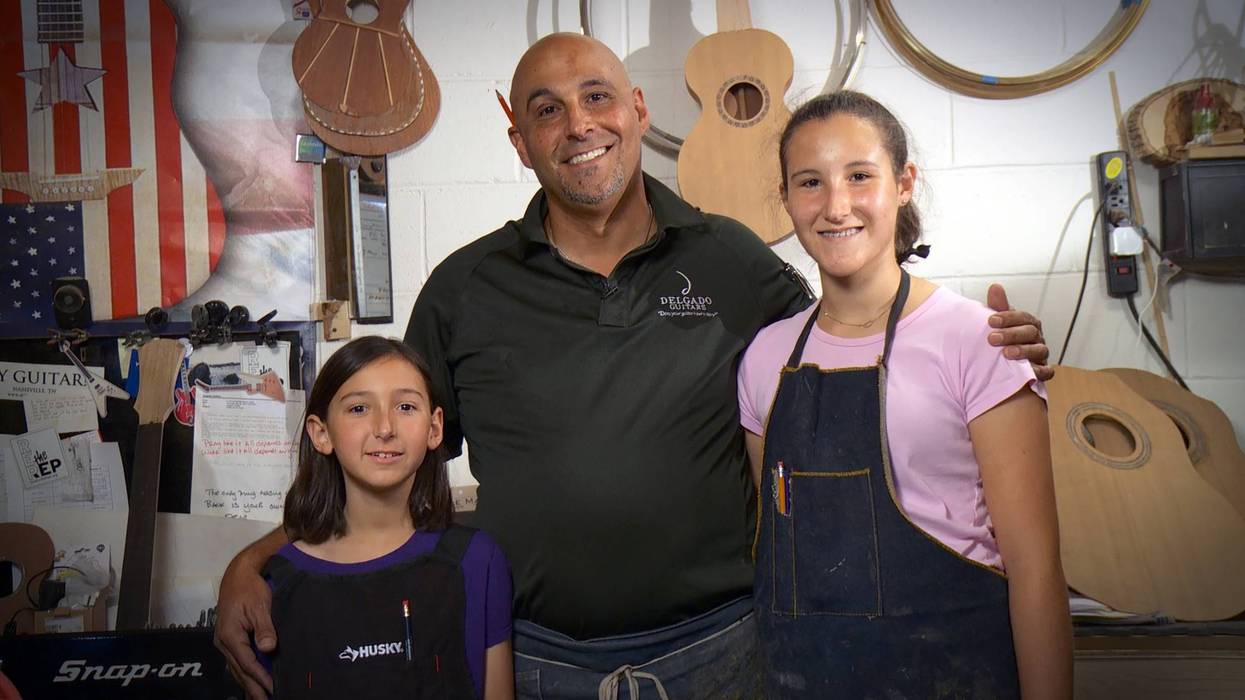
At Delgado Guitars, our family business is just a few years away from celebrating its 100-year anniversary, a milestone that would not be possible if the tradition of our craft had not been passed down generation to generation. For me, the most profound measure of this legacy is the next generation: my daughters, Ava and Lila.
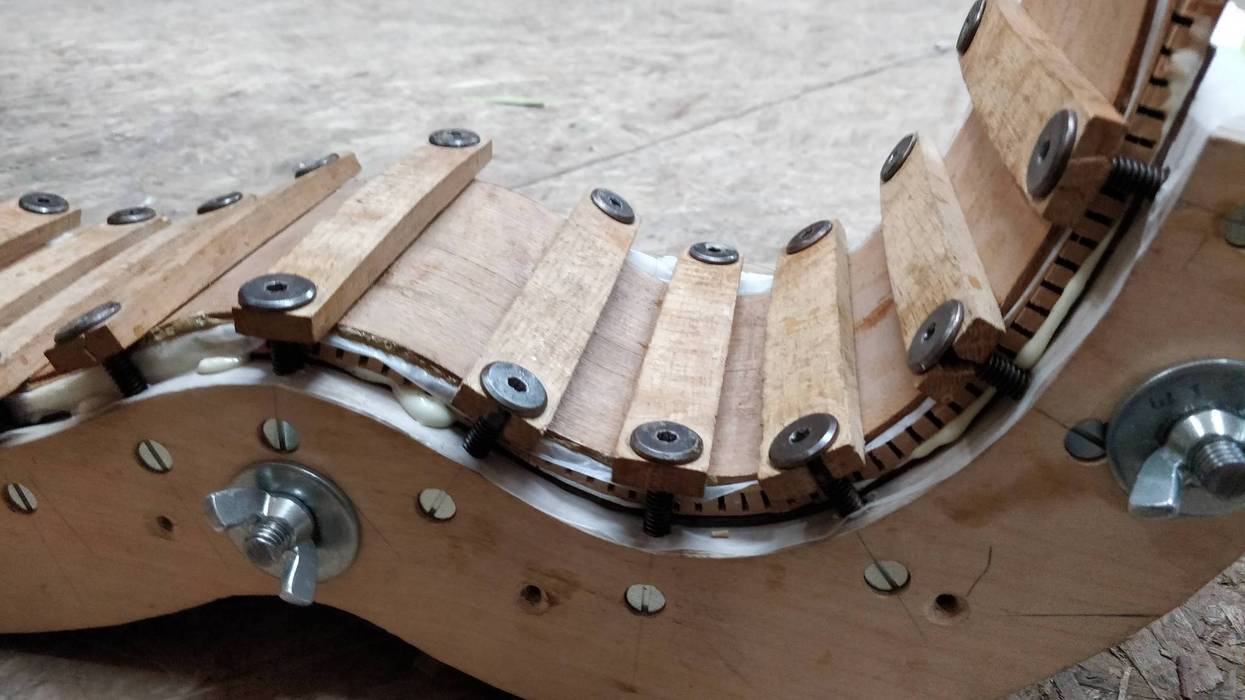
"My father built his first instrument when he was 14, and I did so at 12. My girls accomplished this feat at the age of nine, beating my own record.”
Last summer, I was blessed and proud to accompany my two daughters when they were invited to participate in the Smithsonian Folklife Festival in the nation’s capital. They hold a record in our family that fills me with immense pride: Ava and Lila are our family’s first female luthiers, and the youngest to have built an instrument. My father built his first instrument when he was 14, and I did so at 12. My girls accomplished this feat at the age of nine, beating my own record.
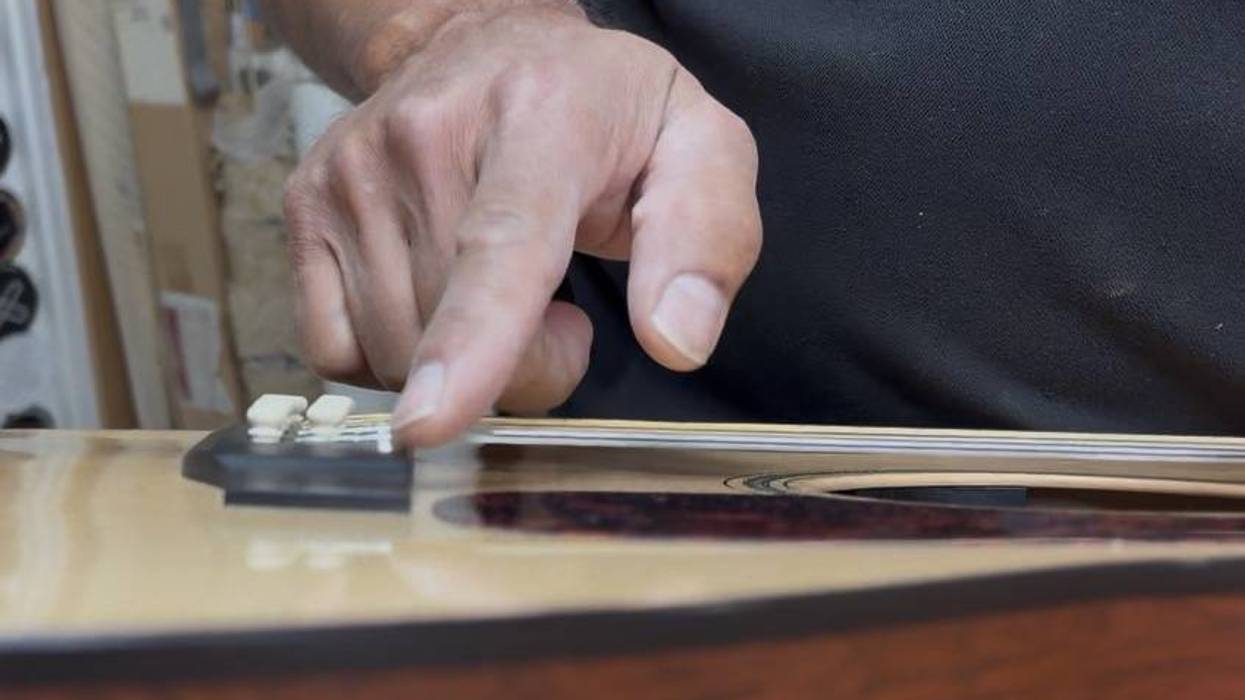
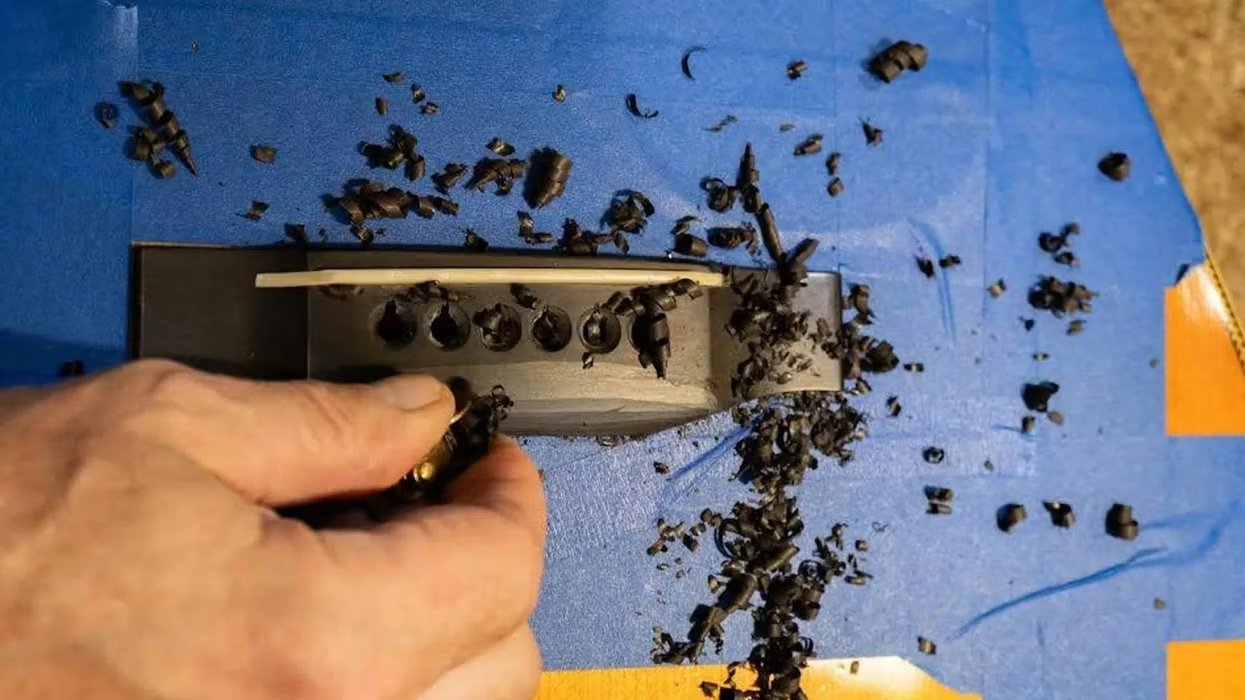
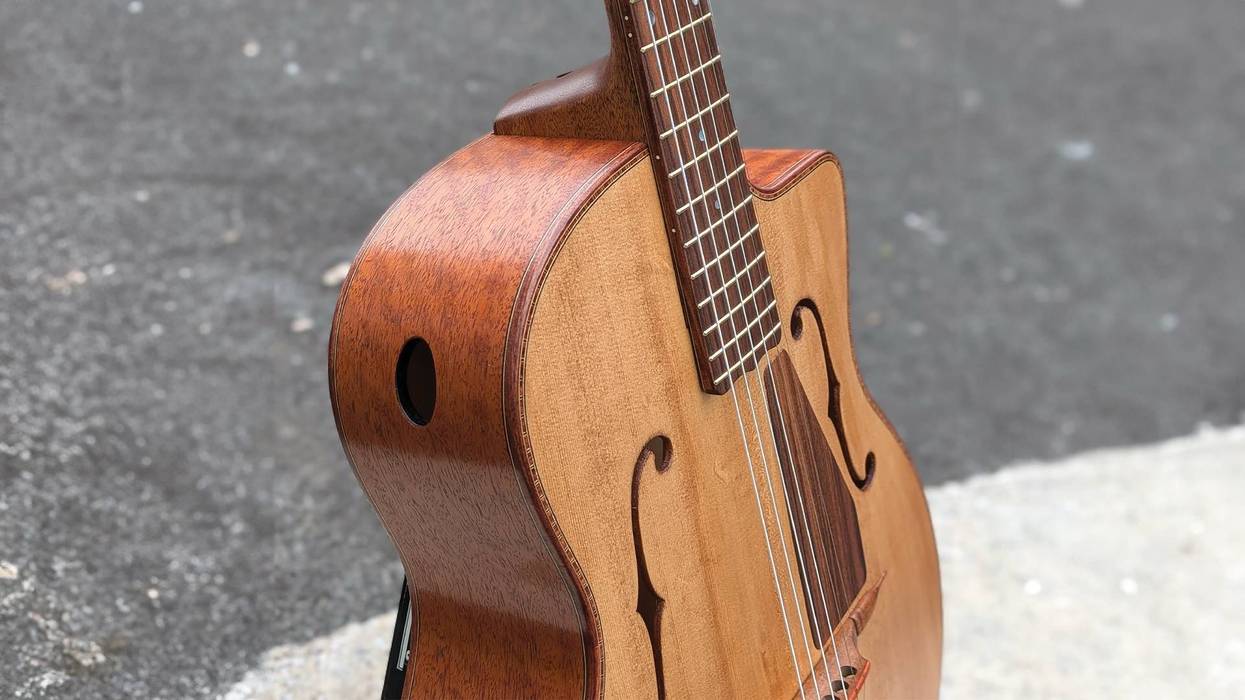
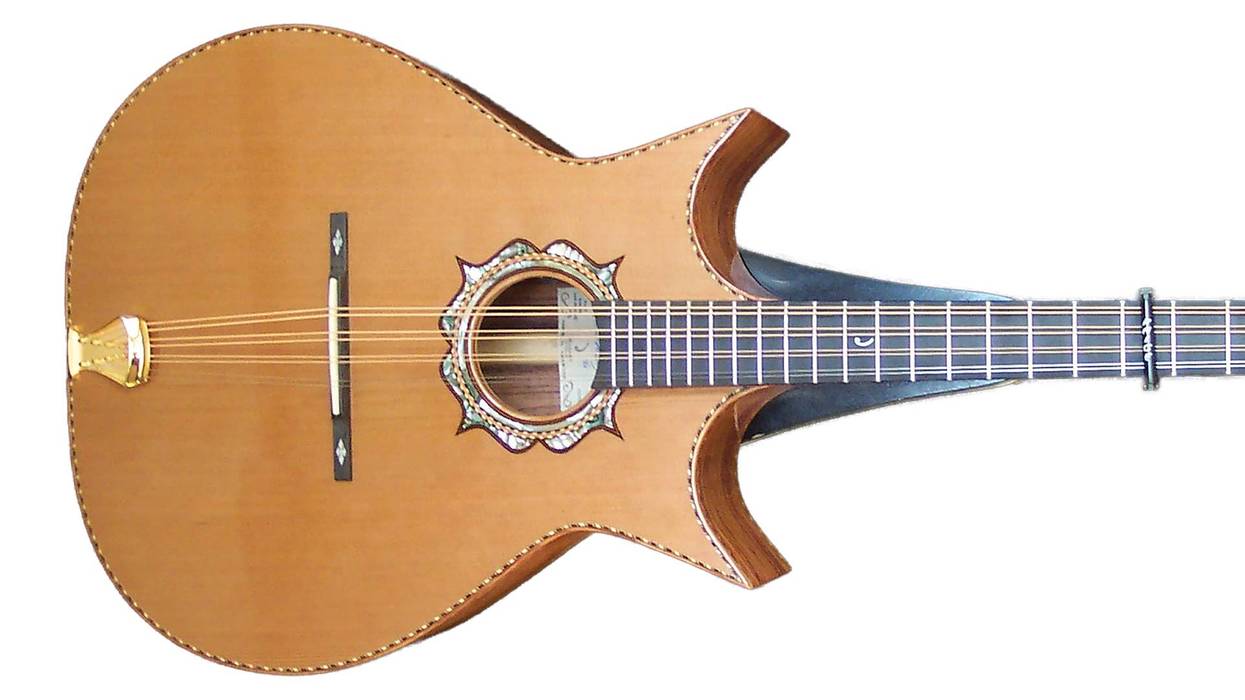
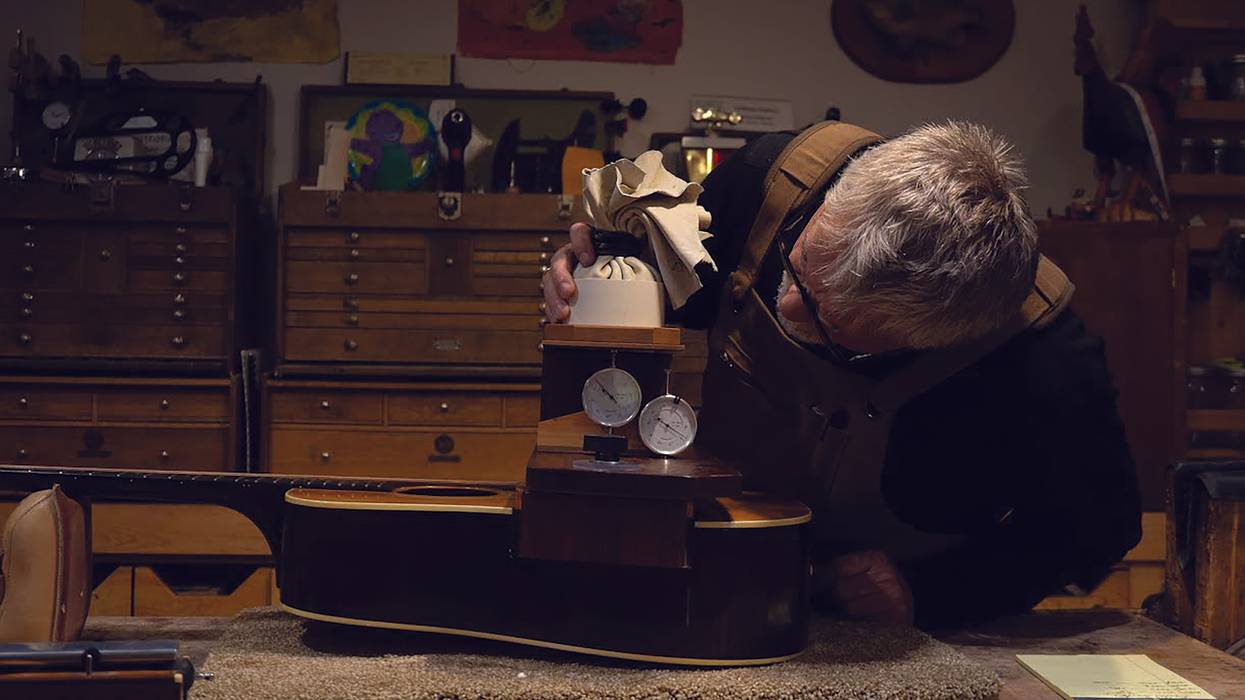
As a luthier, my work involves crafting and selling unique creations, while also holding firm to the teachings and knowledge passed down to me. Just as a musician strives to share their gift, I hold the responsibility to share this work with the next generation and continually seek ways to improve and move things forward for them.
Having my daughters involved in the craft and building has already broken past traditions, where women were not necessarily part of or at the forefront of a business like ours. While you can find many amazing, successful female luthiers today, when I was a child, I knew of none. It wasn’t until the late 1990s that I first learned the name of a female luthier. To now have my daughters recognized by the Smithsonian, growing up involved and connected with our family’s business and luthiery in general, is a powerful indicator of progress.
We see this same evolution in today’s musicians. For decades, female musicians have fought past historical exclusions and discrimination to earn the respect for their craft that their male counterparts never had to fight for. As parents, we are lucky to raise a generation of young people who see themselves represented in artists who look like them, breaking the stereotypes of the past. Our shop has always worked to ensure all are welcome and feel comfortable, and it is encouraging to see how music is evolving to be fully inclusive.
Few things fulfill me more than seeing the accomplishments of my daughters and knowing that they will forever have a place connected with our family business and the Smithsonian. I know the work is never done, but more and more limits and barriers are being broken, and when that happens, we all benefit from the talents that would otherwise never be allowed to flourish to their full potential.
The Smithsonian Folklife Festival’s tagline—“Culture of, by, and for the people”—is a fitting theme as it goes national for the United States’ 250th birthday. We hope you get out to see one of these great events in a city near you! More information can be found at festival.si.edu.