
We are all familiar with the nylon-string guitar or the Spanish guitar or the gut-string guitar or the folk guitar or the concert classical guitar. Wait, are we talking about the same instrument? Yes!
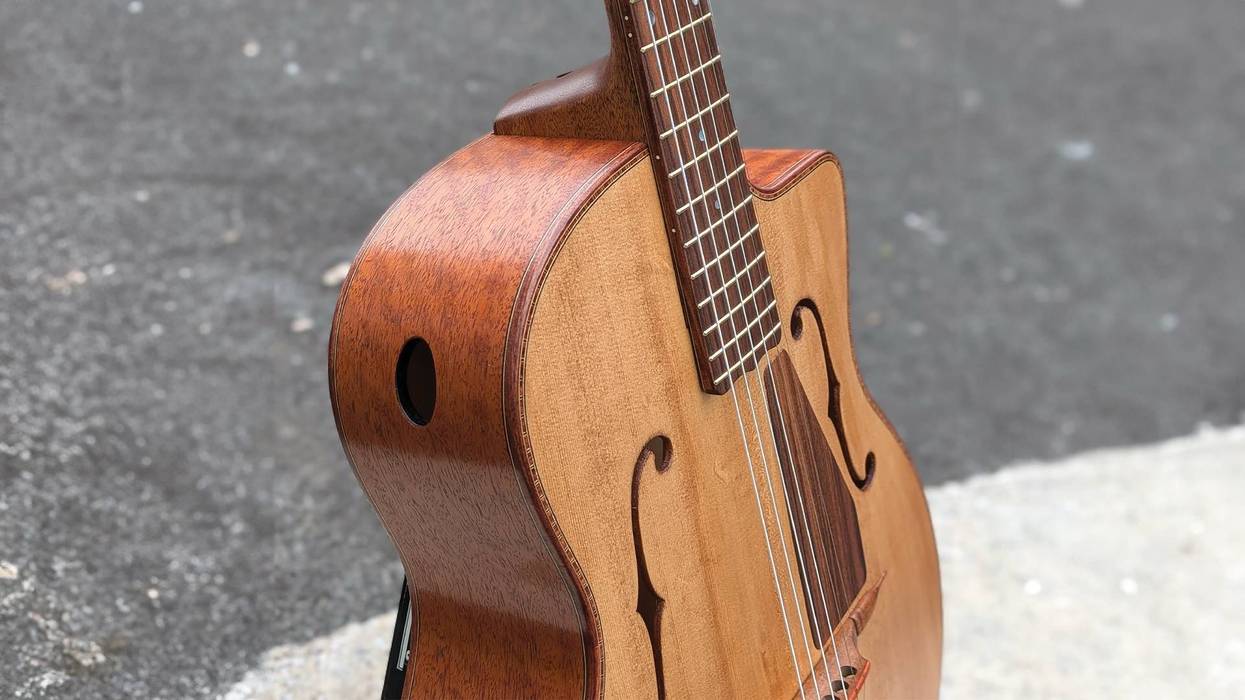
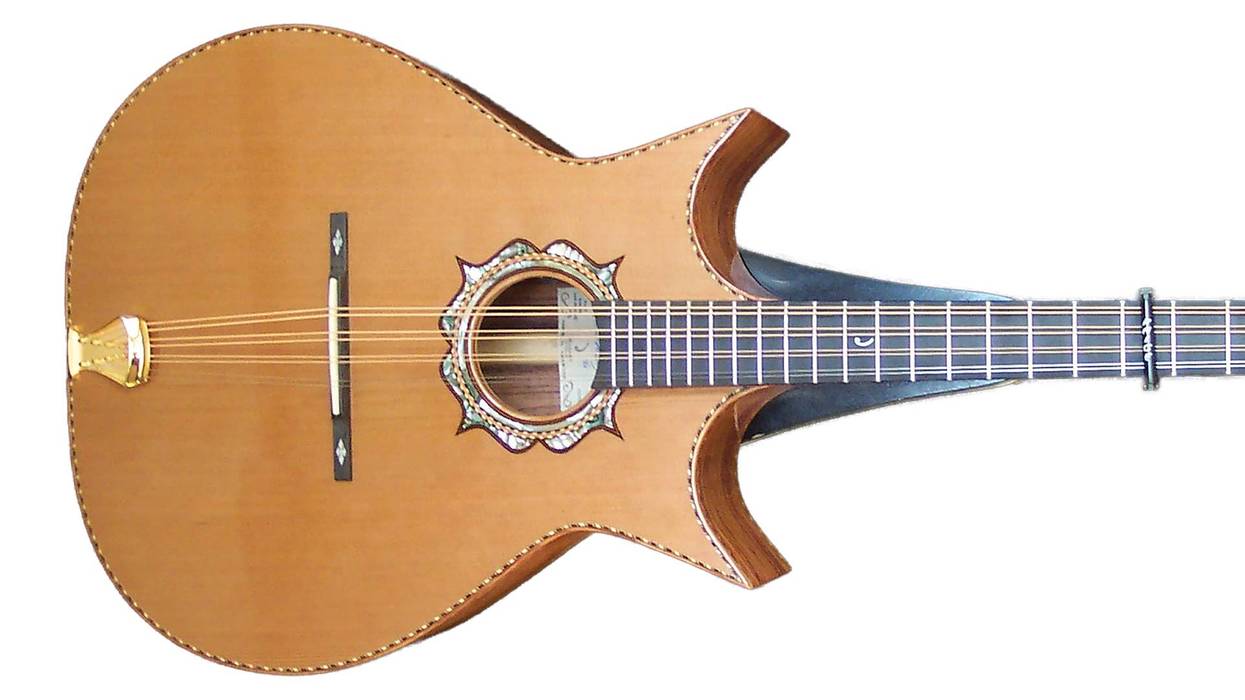
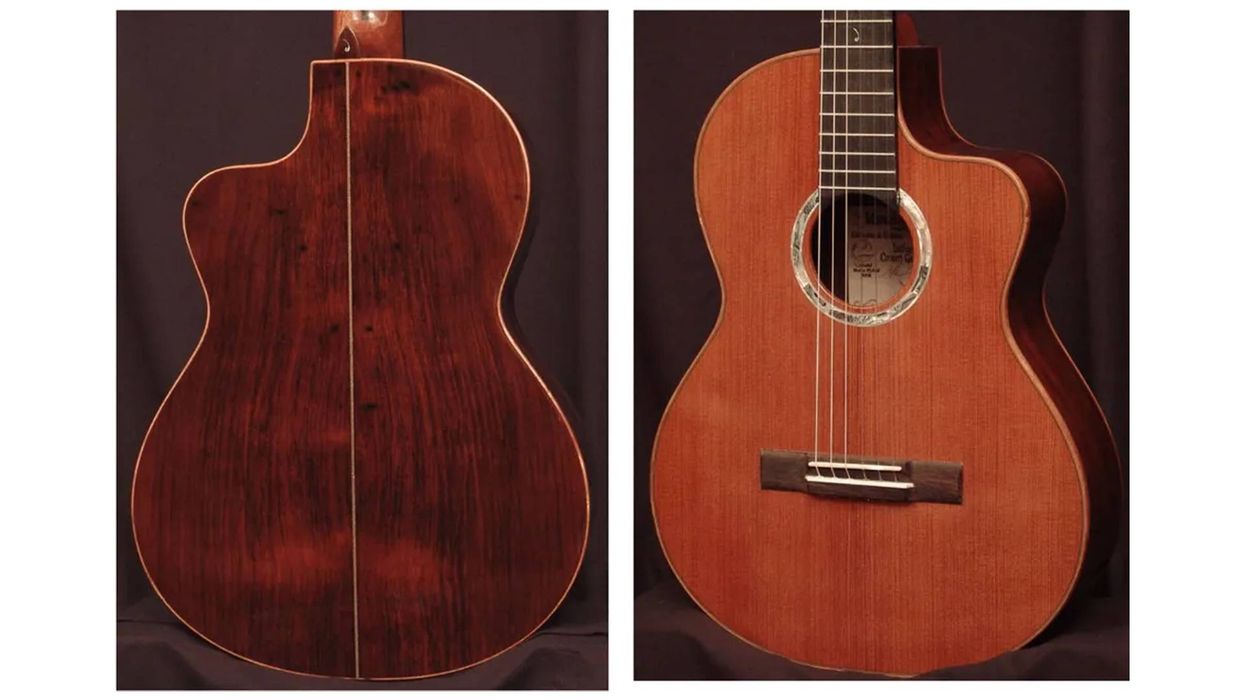
Perhaps with exception of the title “folk,” all the instruments are the same: a nylon (or gut) string, concert classical, Spanish guitar. The history of this instrument can be read about with a simple Google search, so I will not take you down that road, but for those of us of a certain age, we have seen the evolution of this guitar and its transformation, especially in the past 30 years. I love to tell clients how in the past, a player had to conform to the instrument, whereas today, the instrument has conformed to the variety of players. Offering thin bodies, cutaways, hybrids, and more, the classical guitar is anything but “classic.”
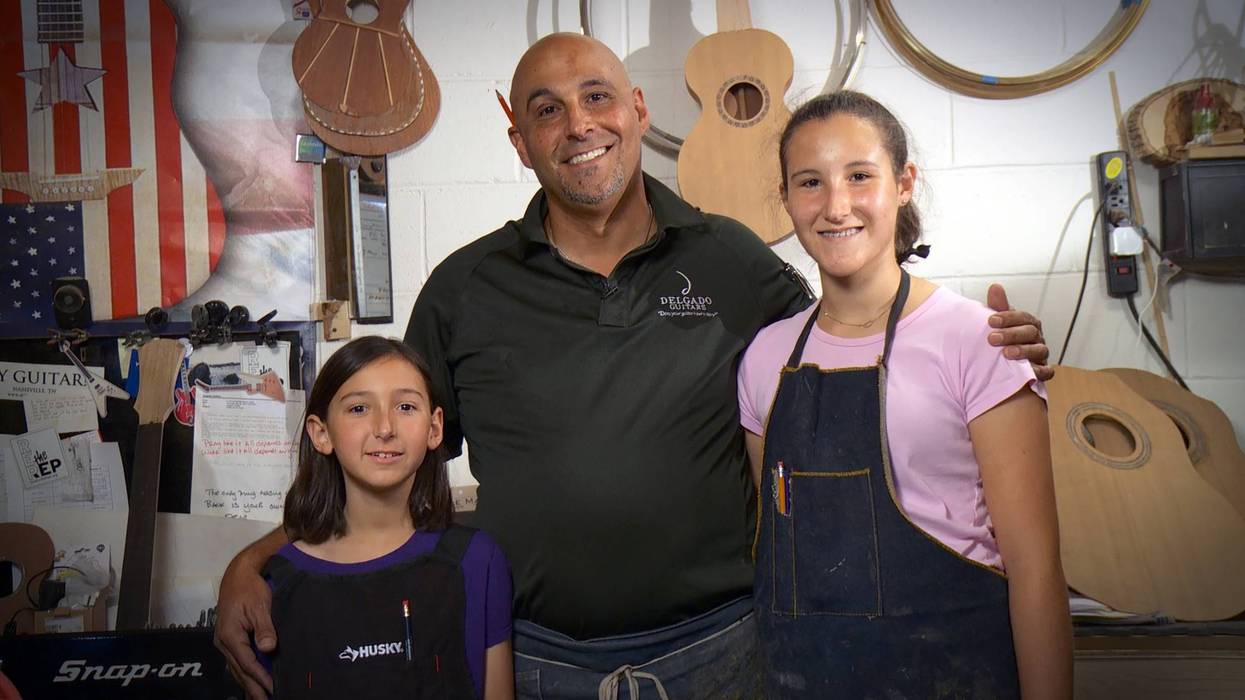
I was raised on the classical guitar. I began studying when I was five and although I never stuck with it to the point where I would consider myself even close to virtuoso, it still remains my music of choice. Much like the guitar continues to evolve, so too does Delgado Guitars. My grandfather and great uncle were able to build for some of the world’s most renowned concert performers: Andres Segovia, Celedonio Romero, Narciso Yepes, and Vicente Gomez to name a few. We also have clients in the folk, jazz, mariachi, and Americana genres.
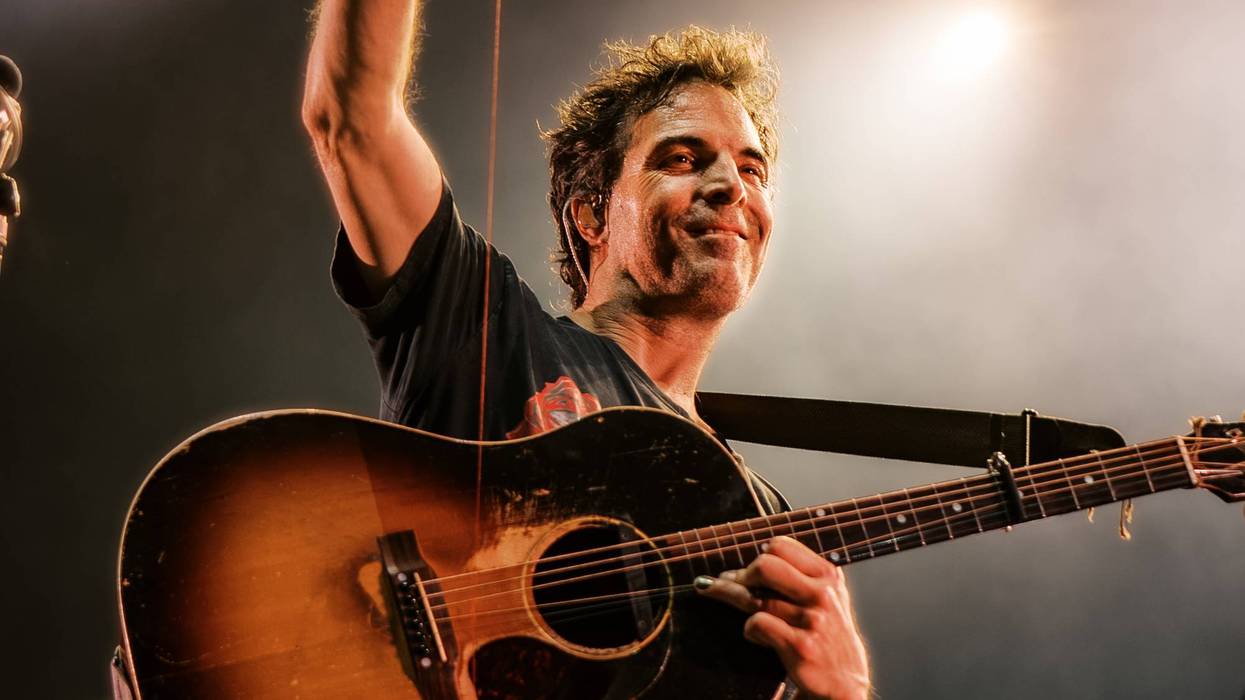
I have taken the skills passed down to me and offer variations on this instrument. While I still love to play and build traditional concert classical guitars, I also enjoy creating modified versions of the instrument for clients who have different musical needs or expressions. One of my favorite country artists is Jon Byrd. When I listen to Jon’s music, it feels like a forgotten time we all want to return to, like something familiar that I felt, but couldn’t put into words. I know part of this is because he plays on a nylon-string guitar, like Willie Nelson. And if you think Willie’s guitar, “Trigger,” has seen some rough days, Jon’s guitar, affectionately named “Mi Amiga de Cuernavaca,” was actually run over and put back together again. You can see some photos of the instrument here.
“Offering thin bodies, cutaways, hybrids, and more, the classical guitar is anything but ‘classic.’”
Another of my favorite artists was Charlie Byrd (I seem to like the name Byrd), who was a jazz guitarist. In 1954, he spent time studying under Andres Segovia in Italy. I love his style of jazz and bossa nova, and I hear the classical influence in his playing. He has some great albums and collaborations with other players. “The Great Guitars” was a supergroup formed in 1973 by jazz guitarists Charlie Byrd, Herb Ellis, and Barney Kessel. Give it a listen and you will hear the style of each player and how they complement one another. While my heart is and will always be with the classical guitar and the traditional music of the greats of the past, I also love these hybrid styles that have been created. I have seen it most of my life with artists who purchase our traditional instruments and use them in a non-traditional way. You may be surprised when you learn some of the great hits you grew up on had an odd instrument that snuck in there—one that had no place being there were it not for the creative musicality of some amazing artists with an ear for something different.
We owe so much to the Spanish guitar that found its way to us via the lute of Mesopotamia 3100 B.C., now modern day Iraq, Kuwait, and parts of Syria, Turkey, and Iran. Just as the lute still remains, it evolved when it arrived in Spain and we see how the Spanish guitar endures and evolves. Even the Hawaiian steel guitar is rooted in the Spanish guitar and its introduction by Europeans and Mexican vaqueros (cowboys), which led to the steel-string guitar. All this to say that as long as artists have breath in their lungs, they will continue to find new ways to express themselves with the stringed inspirations they use when words cannot say what needs to be shared.
From a luthier’s vantage point, I continue to be inspired to create both traditional and hybrid instruments for the simple reason of wanting to hear more musical styles and offerings. To have had the blessing of creating instruments for over four decades and still be enjoying new music (and an occasional surprise of styles) is something I am grateful for and encouraged by. So please, continue your ingenuity or creativity or cleverness or artistry or genius. Wait, am I talking about the same thing? Yes!