

Everyone should have a hobby. Like many of you I have a few, but arguing about tone—at least outside of this page—isn’t one of them. The electric guitar universe is a place where otherwise rational adults will opine for hours about pickup magnets or whether lacquer “breathes.” I think that alone should tell you that in the musician’s mind, guitars are not appliances. Nobody forms a message board around dishwashers or speaks reverently about a toaster from 1959. OK, maybe the toaster. But guitars? Before I go much further, I stand accused of everything that follows.
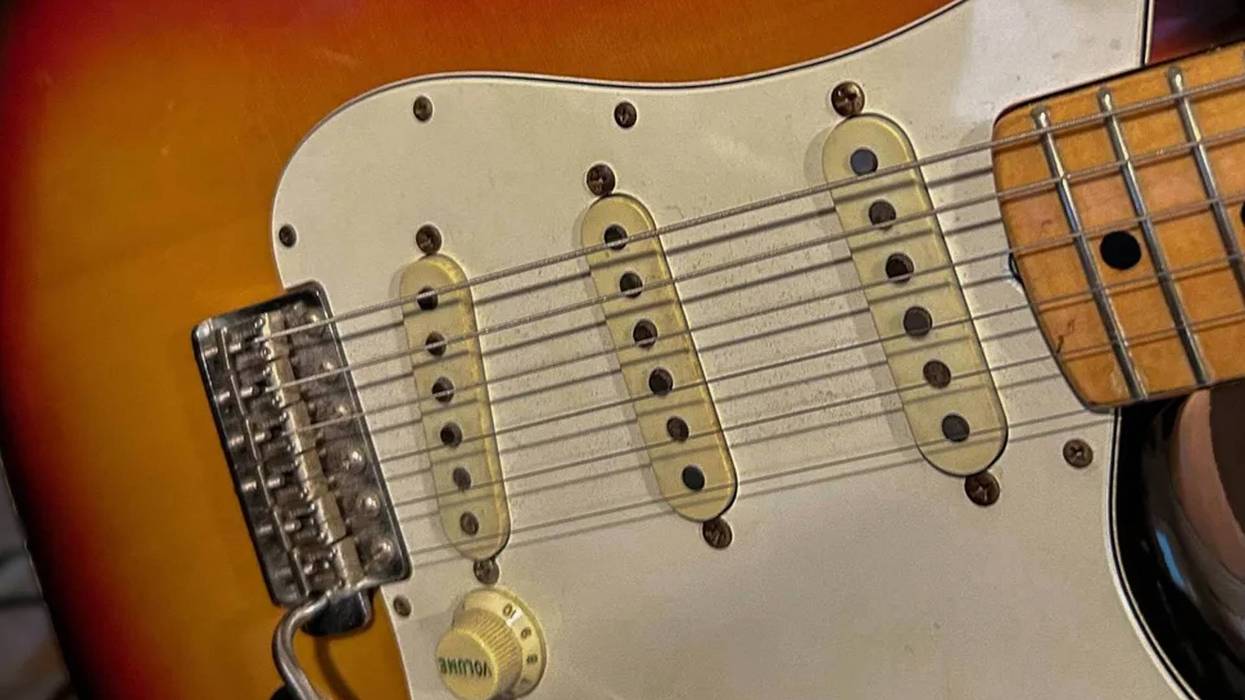
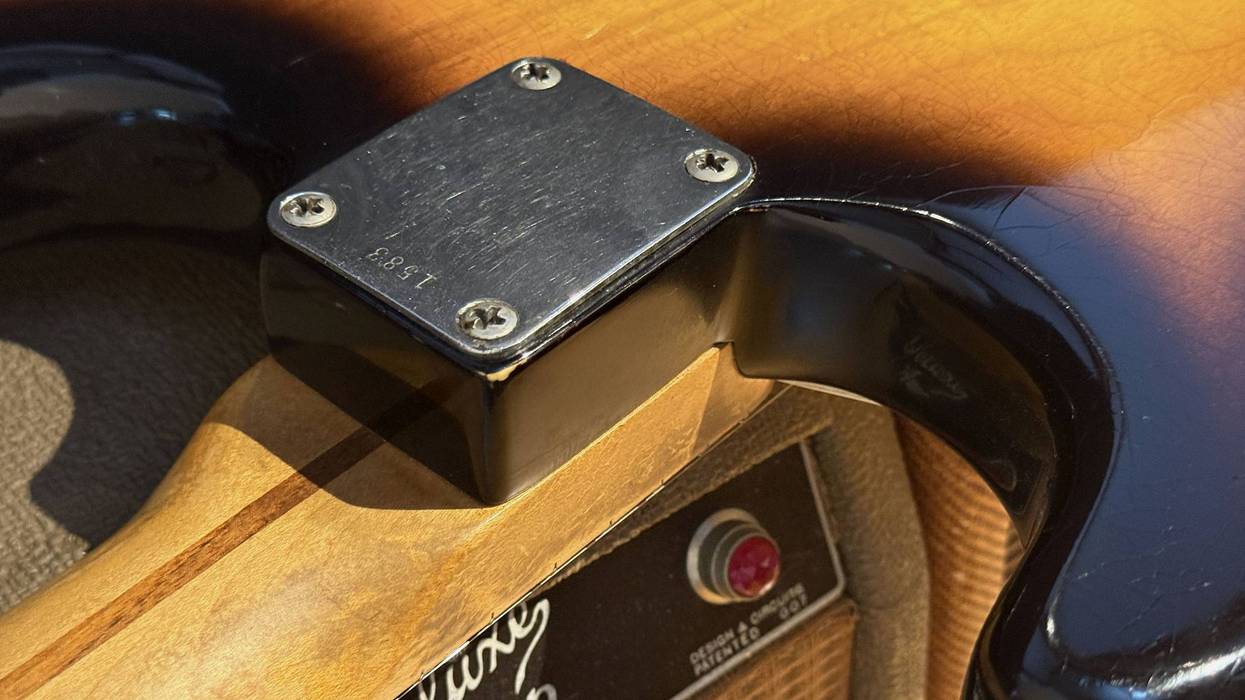
Tone is the campfire around which the tribe gathers. If you spend any time at a guitar show, backstage at a club, or trapped in the comments section beneath a pedal demo, you’ll discover the same conversations replaying like a bar band covering “Sharp Dressed Man.” The belief is that the secret lies somewhere specific as opposed to being subjective. We obsess (or argue) over old wood, Alnico II magnets, paper-in-oil capacitors, and nitro finishes. Entire friendships have dissolved over less. And the funny thing is, everybody’s right. And everybody’s wrong. My best guess is that tone is physics mixed with psychology and a shitload of storytelling. The guitar business figured this out decades ago.
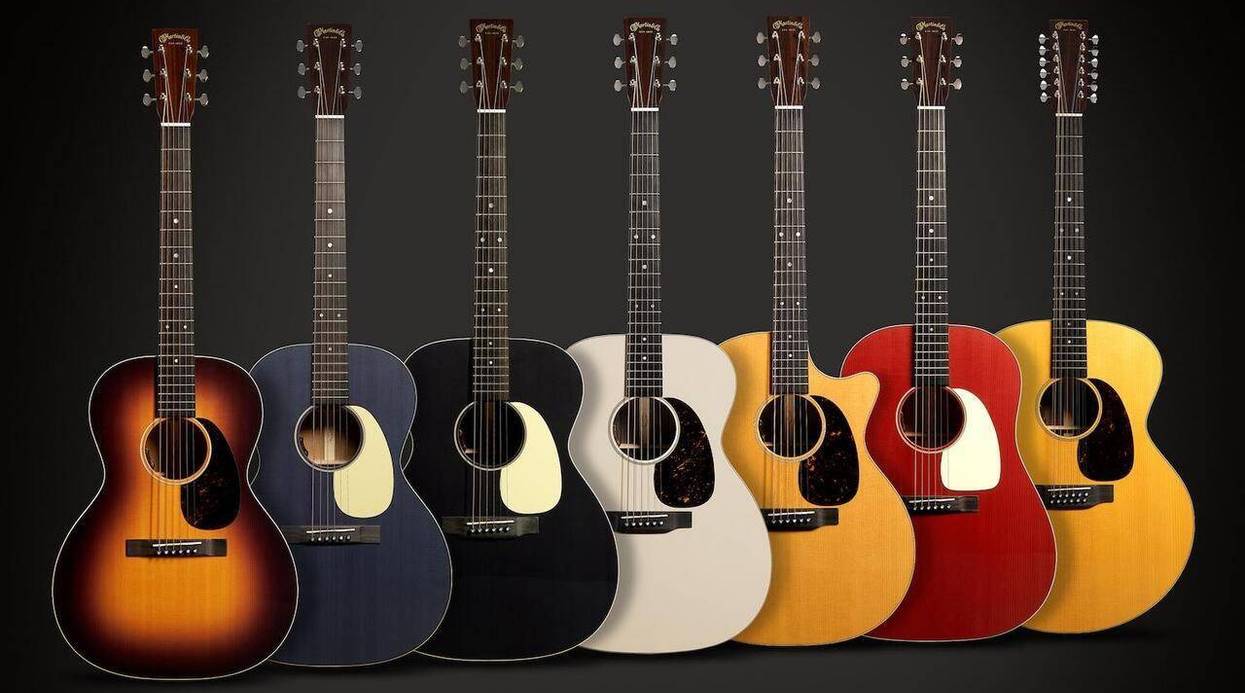
Then there’s the money conversation, which arrives at every gathering right on schedule. “How can that guitar possibly cost $5,000?” It’s a fair question. Especially now that inexpensive instruments are absurdly good. There was a time when affordable guitars felt like punishment, but now even modest instruments often play well and sound okay right out of the box. We used to joke about GSOs—guitar shaped objects, but I’ve played $300 Indonesian guitars that could be used on a pro gig. That reality has changed the landscape forever. Brands can no longer compete purely on function, because functionality has become commonplace. So now builders lean on things like heritage, exclusivity, and narrative. In many ways, the guitar industry resembles the bourbon business. Half the value is the origin story printed on the label. Cask-aged humbuckers, anyone?
“The logic goes that if your favorite player uses a certain amp, pickup, or guitar, maybe some percentage of that magic becomes obtainable.”
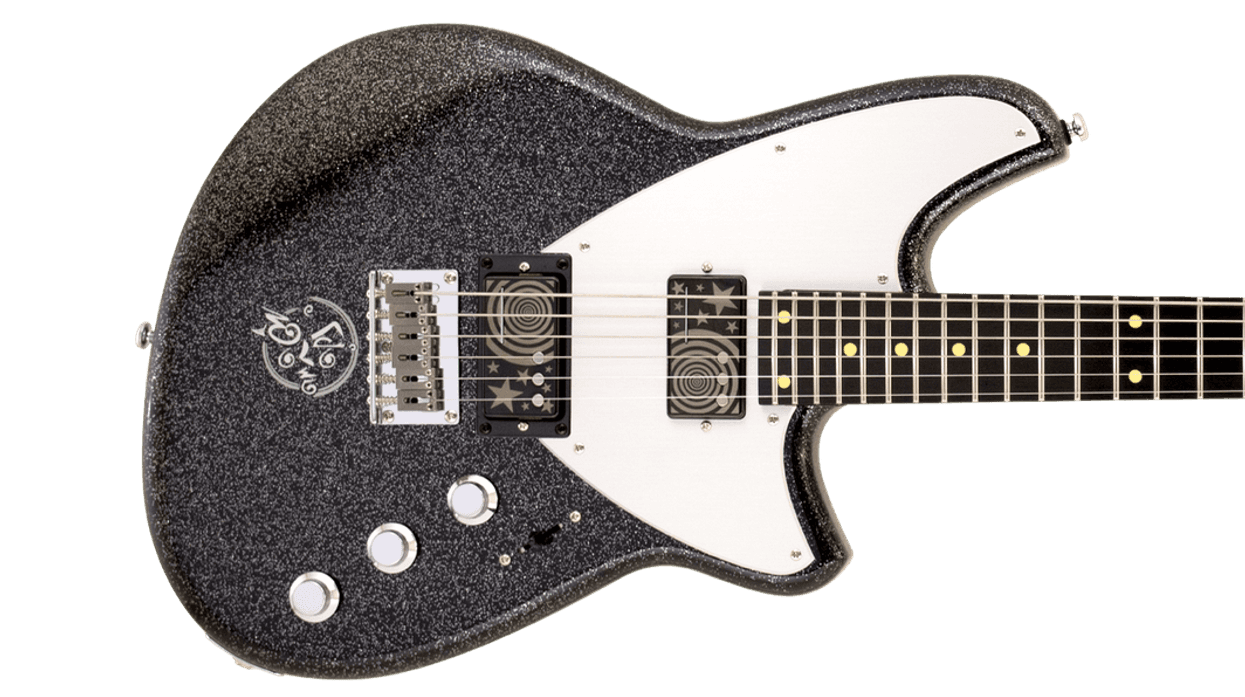
And speaking of stories, nothing drives the guitar economy like heroes. It’s said that Antonio Stradivari touted the use of his violins by prominent players way back in the 17th century. Gibson’s Nick Lucas model hit the stores in 1923, and we all know about Les Paul lending his name in 1952. The logic goes that if your favorite player uses a certain amp, pickup, or guitar, maybe some percentage of that magic becomes obtainable. Don’t think you’re not susceptible—I always think, well, if it’s good enough for them… Sometimes artists genuinely help design gear. Sometimes they merely approve a paint color or knob location, and sometimes they actually use the stuff. The buying public usually suspects those possibilities simultaneously, but the mythology matters because guitar culture has always been aspirational.
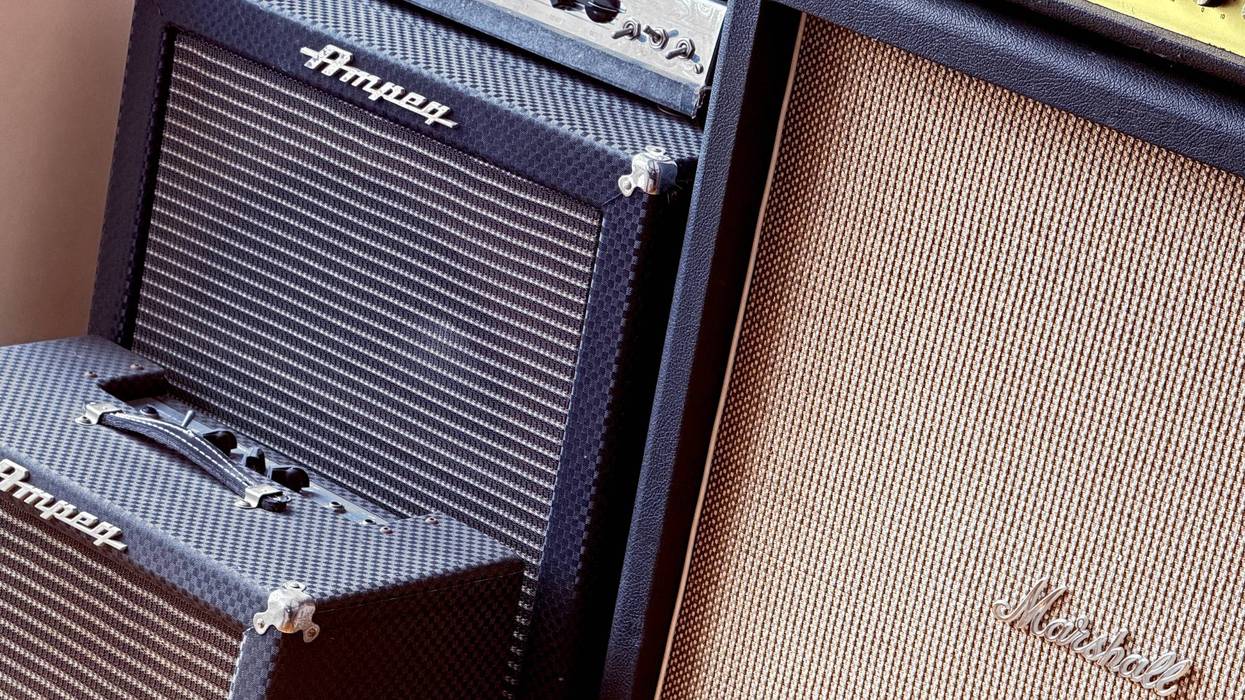
Meanwhile, technology keeps barging into the room like an uninvited guest. Modelers, profilers, plugins, and digital rigs the size of a shoebox replacing refrigerator-sized amp stacks—it makes your head spin. Rationally speaking, modern technology is astonishing. When practicing, I have my digital amp pedal set on AC30, while my vintage original sulks in the corner. Emotionally, however, many players still want those glowing tubes, and I’m loathe to sell mine, because it sounds so good when I bother to fire it up. My take is that much of the electric guitar community remains both drawn to and resistant to efficiency. Guitarists claim to want innovation, but mostly we want innovation that feels like 1968—only with a locking trem and stainless steel frets.
Alongside all the wood arguments, the vintage worship, the boutique mysticism, and the pricing debates sits the real question nobody asks out loud: What exactly are we buying? Certainly not just necessity. A guitar is part tool, part sculpture, part emotional support animal. For me it’s therapy with frets. The enticing instrument hanging on the virtual shop wall often represents the player we hope to become more than the player we currently are, and that’s why the pull is so magnetic.
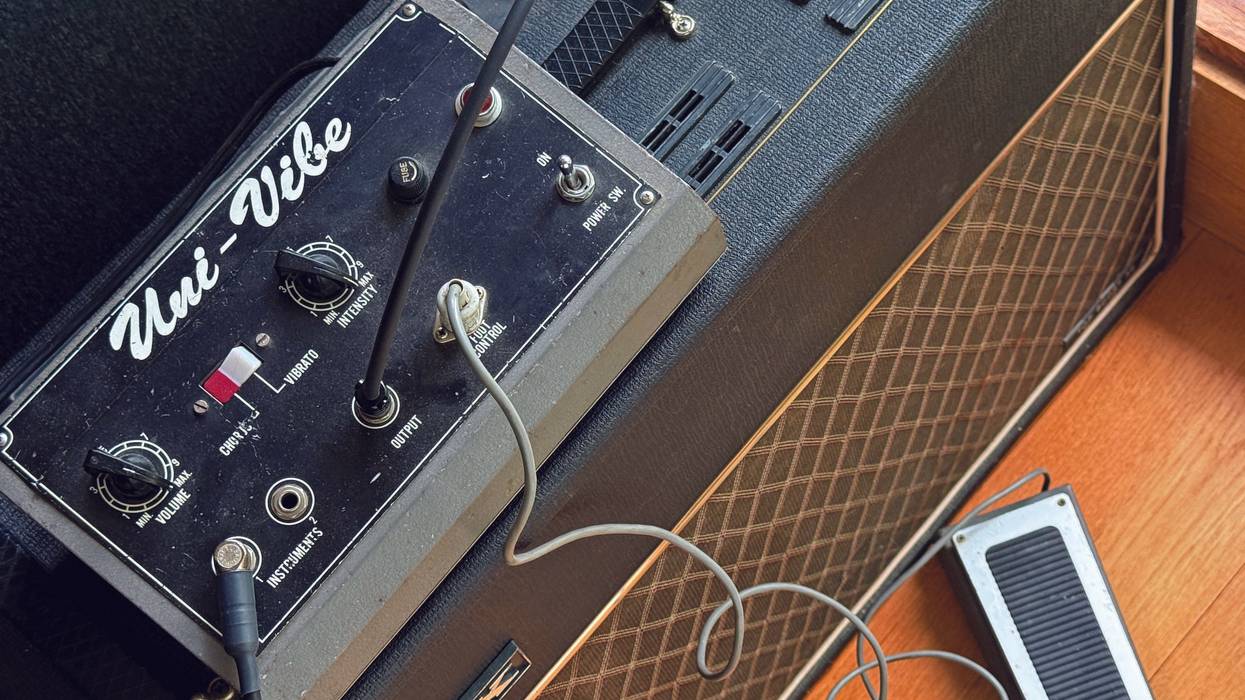
These conversations never disappear, and they aren’t fully about the hardware. They’re about belief. Every guitarist, whether beginner or legend, is searching for the same thing: the moment when inspiration outruns self-consciousness and music feels alive beneath your fingers. The guitar business survives because it keeps promising that moment might be one instrument away. Of course, once you buy that instrument, another one eventually appears. And honestly, that’s probably healthier for everybody than given credit for. Now excuse me while I go buy that UniVibe I saw demoed on Instagram.