

If I’ve progressed as a musician over the past decade, it probably has less to do with learning new things and more with learning to get out of my own head.
Like all of you, I’ve spent a large amount of time on guitar. Copying riffs, learning songs, studying chord voicings, practicing, listening … that all adds up to more time than I’ve spent on anything else. Totally disproportionate, and totally worth it.
Still, despite all the practice, learning, and playing, sometimes I play well, and sometimes I sound like Koko the ape banging on Flea’s bass—only with less confidence. Which reminds me of something Coco Montoya told me while we were filming his Rig Rundown: “Sometimes you get Coco, sometimes you get caca.” Relatable, right?
Strangely enough, the book Zen in the Art of Archery by Eugen Herrigel has made me a better guitar player, and probably a better person. To condense its 112 dry-ish pages: Kyūdō, (from Japanese kyū = bow, dō = way/path), is a traditional Japanese martial art that blends precise archery technique with Zen Buddhist philosophy. It emphasizes mind mastery far more than simply hitting the target—it’s a meditative discipline for cultivating inner calm, focus, self-awareness, and spiritual harmony.
There are obvious parallels to playing music. The archer cannot “think” the arrow into the target, and the player cannot force great phrasing by willpower alone; both have to build a body/mind routine that lets expression emerge naturally. That makes Kyūdō a perfect metaphor for performing: you train the body and quiet the mind, allowing the music to unfold with minimal self-sabotage. It’s not a shortcut, but rather a lifelong discipline of self-cultivation.
A key Kyūdō principle is shin-zen-bi (“truth-goodness-beauty”). It describes shooting with complete sincerity (truth), a centered, positive spirit (goodness), and natural grace (beauty). Executed with pure intention and zero ego, the act itself becomes spiritually resonant—even if the arrow physically misses.
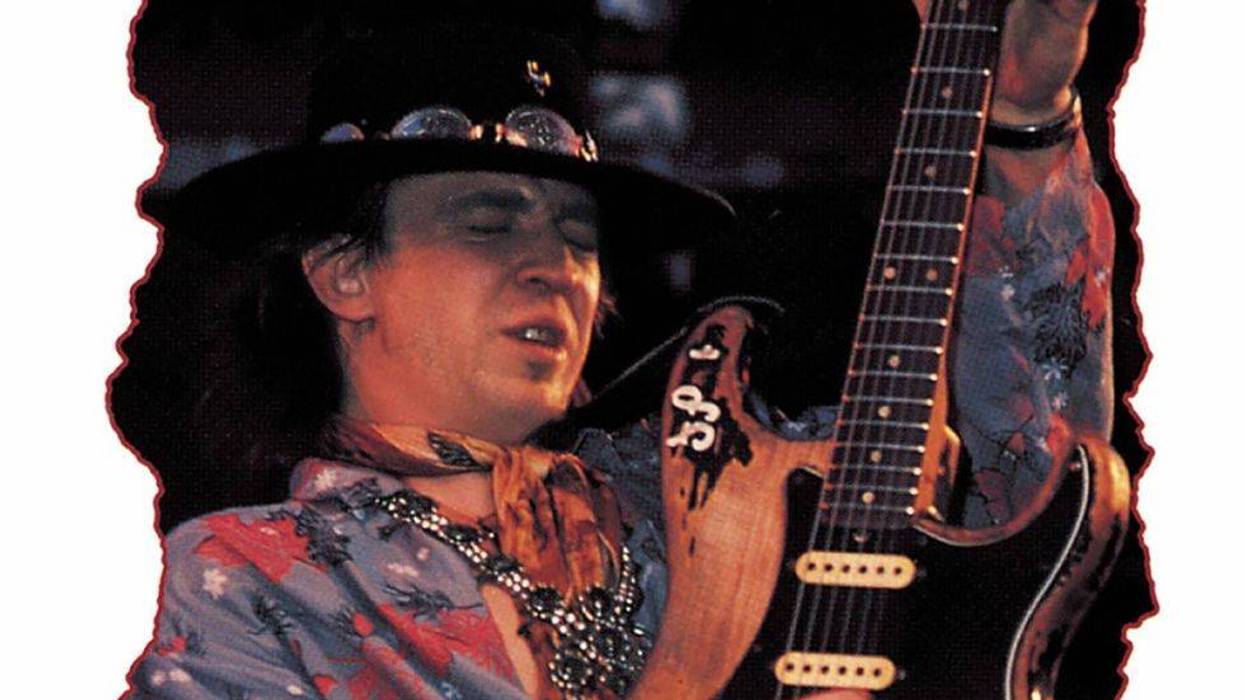
Watch Stevie Ray Vaughan’s performance of “Lenny” from Live at the El Mocambo. SRV sits on the side of the stage, cig dangling, sweat cascading, eyes shut in total immersion. Stevie and his wife Lenora “Lenny” Bailey were intensely intertwined, but their loving relationship was volatile, ultimately undone by their crippling drug problems. Close your eyes during the track and you hear Steive’s working out this intense emotional journey on the battered 1965 Stratocaster that Lenny gave him. It starts like a sweet conversation, then turns into an angry argument, and then returns to that sweet, sad melody—like when your anger runs out of steam and you cry yourself to sleep. That performance is totally shin-zen-bi.
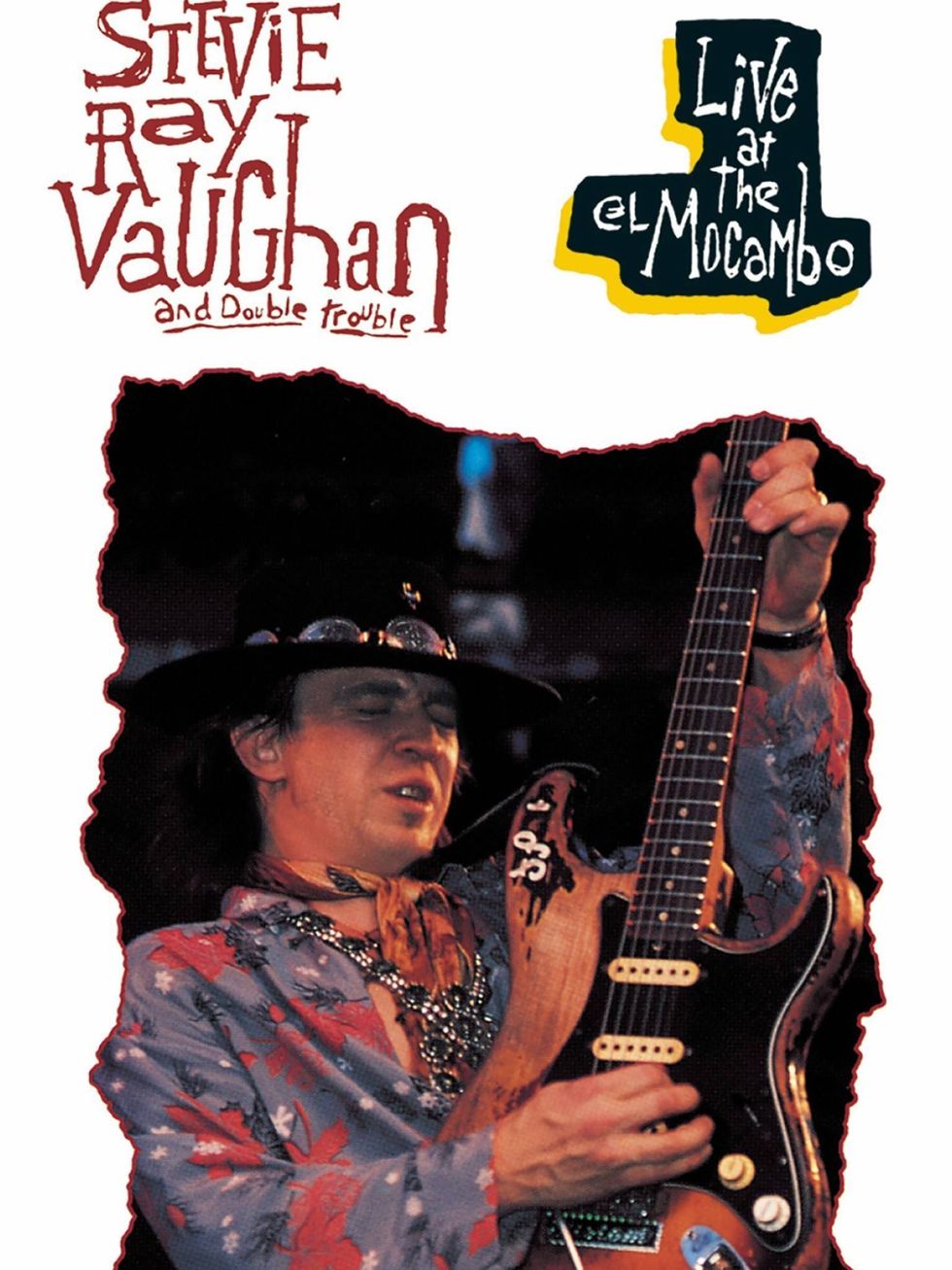
SRV achieves what Zen archers call Mu-shin (“no-mind,” or “empty mind”): A state of complete presence without distraction, attachment, doubt, fear, or overthinking. The archer lets go of the self, becoming one with the bow, arrow, and moment. This allows effortless, intuitive action. When you’re that good, your technique gets so deep it looks like meditation.
Another vital teaching is the paradox of non-striving. True mastery emerges not by forcing the hit but by releasing tension, ego, and over-deliberate aiming. The arrow flies correctly when the mind empties and the body acts naturally. In guitar terms, obsessing over perfection breeds tension and mechanical playing. Great players and great archers alike learn to stop forcing the moment and trust their training. That’s the effortlessness you see in amazing musicians.
Kyūdō encourages letting go of ego. I agree that your ego is not your amigo—however, one could argue that the ego can fuel the drive to push yourself and boundaries. SRV, Hendrix, Van Halen, Les Paul … all were humble, even self-deprecating. But there was a part of each of their personalities that was fueled by having something to prove. This led each to push himself—and also musical boundaries—in order to bring the music to a place it had never been. They played like their lives depended on it. Ego can help drive you, but ultimately, it breeds comparison, self-doubt, and stiffness. In Kyūdō and music, the true target isn’t the external result—the bullseye or the flawless solo—but the internal state: flow, presence, and transcendence. That’s where the deepest rewards lie.
If you know me, you know that beneath my thin facade of a Zen hippie cowboy, I am a dumpster fire of anxiety, self doubt, and overthinking, with a propensity for getting so worked up emotionally that I have trouble breathing. That’s why this has been so beneficial. Now when a performance turns into a trainwreck, I have the tools to undergo a mindfulness check-in, stop focusing on what could go wrong, and try to calm my mind.
It’s not fundamentally about hitting the bullseye; it’s about mastering the mind. Each shot (or each improvised solo) teaches you more about yourself than the target ever could. Strip away distractions, quiet the chatter, and let expression emerge.
The next time you strap on your instrument, think like the archer: train hard, release striving, and trust the process. In both music and Kyūdō, the real target is the state you enter, not just the result you get.