

You know the standard spiel about ordering your effects, right? Gain pedals, modulation effects, and finally delay/reverb. It’s a formula that works.
But a formula isn’t always a good thing. Locking into effects habits can prevent cool new discoveries. It pays to experiment.
Thorn Again
Here’s an experimental example: I recorded a half-dozen clips featuring a single guitar performance, a single reverb pedal, and a single amp. But for each recording the reverb is routed in a different way.
I’m inspired here by Pete Thorn’s November 2016 Tone Tips column, “Echo and the Dirty Amp.”Pete noted that many of today’s guitarists place delay/reverb in an amp’s effect loop, but old-school players like Eddie Van Halen and Joe Walsh used tape echoes upstream from overdriven amps. The echoes got distorted along with the dry signal.
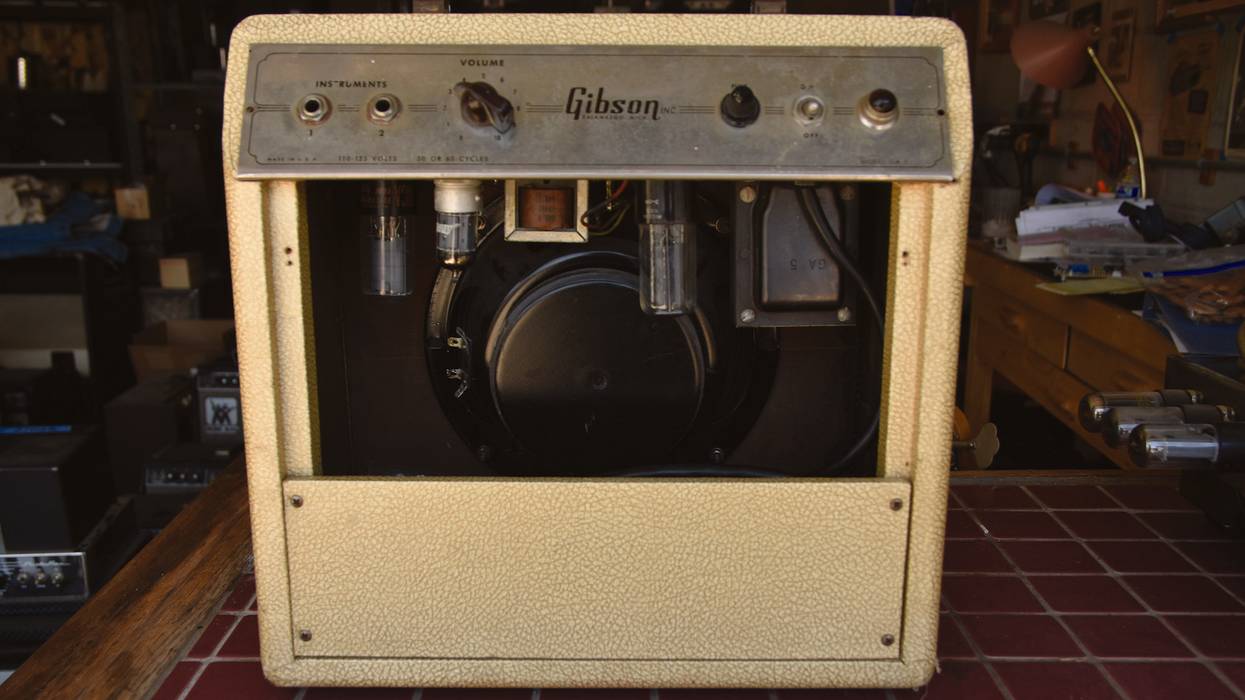
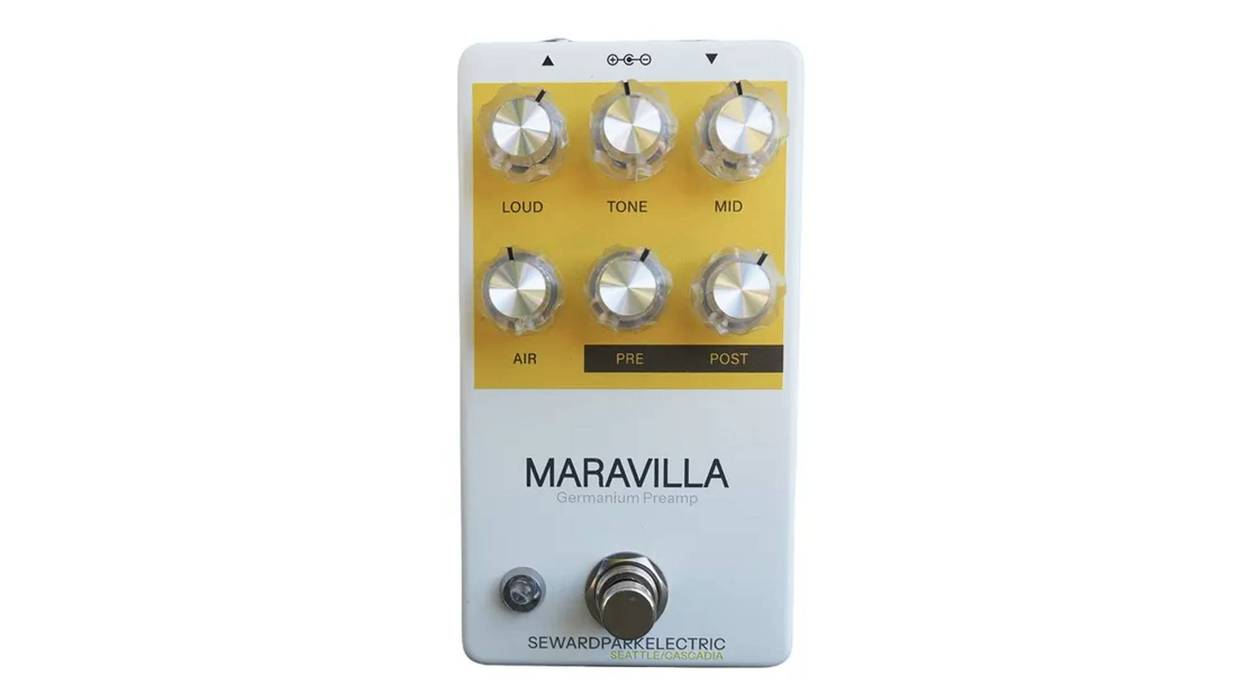
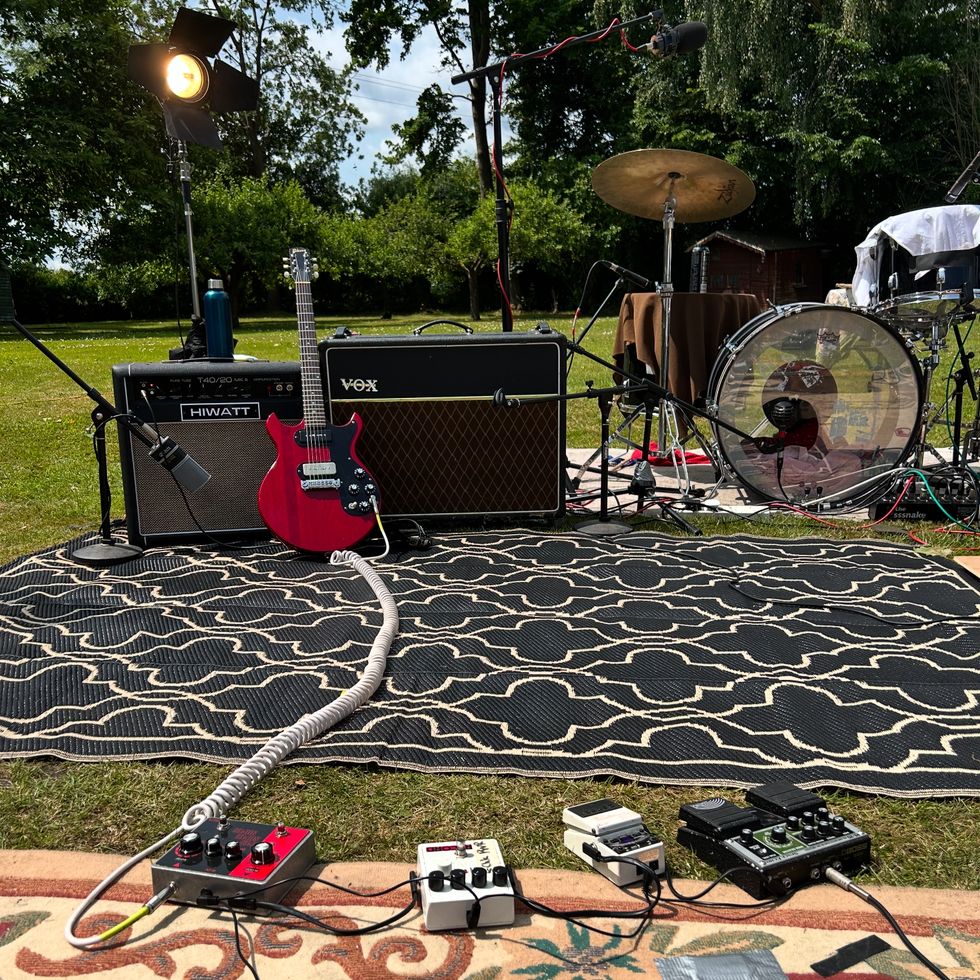
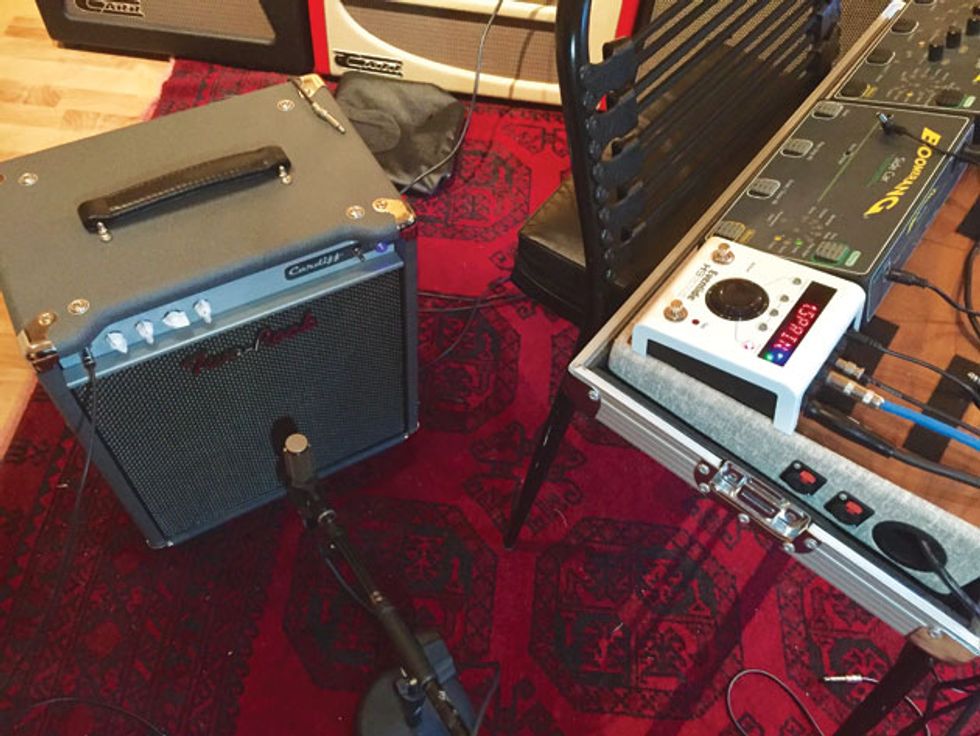
Inspired by Pete, I made comparisons. First, I direct-recorded a spaghetti western-flavored phrase (because the style sounds bitchin’ with gobs of reverb). I reamped the sound to an Eventide H9 multi-effect pedal set to a spring reverb patch. My amp was a Two-Rock Cardiff, a dual EL84 combo I just reviewed for PG. It’s a very cool amp, but I mainly used it because it has an effects loop, and my usual retro amps don’t.
Worth repeating: Reamps are awesome studio tools. They can send recordings from your DAW to amps and effects—an endlessly inspiring technique. They’re also indispensible for audio comparisons like this one, removing performance variables for truer analysis.
The ’Verb Variations
Check out the results! Ex. 1 is the painfully dry clip as originally recorded.
In Ex. 2, the signal runs into the H9 pedal before hitting the amp. Even with this clean tone, the reverb is slightly distorted and compressed.
Next I plugged straight into the amp with the H9 pedal in the effects loop, for Ex. 3. Many modern players prefer this relatively pristine sound. It’s smoother and less compressed.
Which is better? Say it with me, people! “It depends on the context!”
Ex. 2 excites me more. Others will disagree or perceive little difference. Judging by gear forums, an effects-loop amp is a must-have for many players. But I don’t feel like running out to buy one after listening to this.
For an even more hi-fi sound, record dry and apply reverb at the DAW/desk. You can monitor through amp/effects modelers for sonic inspiration while you play, bypassing the plugins later. For Ex. 4, I patched the H9 reverb into my DAW, with the reamp on the effects-send output. I kept everything mono for comparison’s sake.
This sounds even cleaner. There’s no tube or speaker coloration.
For Ex. 5 I recorded the H9 reverb in stereo.
The wide image is pretty, but to my ear the performance sounds smaller with the reverb emanating from left and right, at least in this context.
Ex. 6 goes to extremes, with the stereo reverb track running through a Brainworx bx_digital plugin, which artificially widens the stereo field.
Again, the panorama is dramatic, but the dry track feels less substantial to me. When I listen back to Ex. 2, the reverb feels dyed-in-the-wool and the amp coloration is cool, at least for this trashy style. The verdict might differ with a plate or room reverb.
’Verbs for Pervs
As a finale, let’s invert conventional wisdom and run the same reverb into a homemade fuzz pedal set to a sputtering sound [Ex. 7].
It sounds … distinctive. (Okay, I love it, but I’m a tone pervert.) The ambience is alien. The fuzz adds nasty top end. The part is harsh on its own, and the low chords are a mess. But I could totally see this working in a band mix.
This isn’t a new idea—artsy bands like Sigur Rós and Radiohead have explored distorted delay and reverb to superb effect. But you’re unlikely to stumble upon similarly offbeat sounds if you cling too hard to the advice of all those “how to order effects” articles and videos. And that’s the main reason I haven’t used pedalboards in the studio for many years.
Have you ever used “wrong” effect techniques to righteous ends? Please share the details so folks can plagiarize.