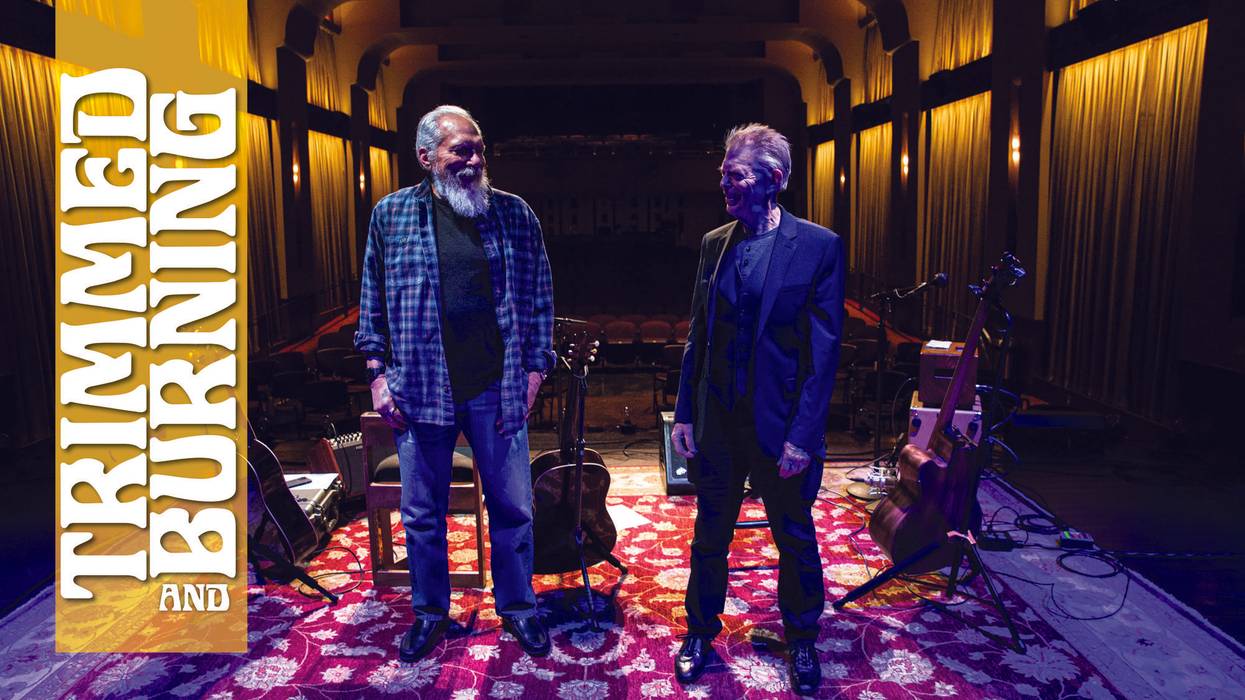


Kelly Doyle has played guitar in many different contexts and with many different artists, from aughts indie-rockers What Made Milwaukee Famous, to coffeeshop eclectics Khruangbin, to wild-at-heartland troubadour Craig Finn. As a full-time working musician, he’s also had to take some less conventional jobs to keep the lights on. “I had a regular megachurch gig,” he says in a Zoom interview from his home studio in Houston. “It was full-on The Righteous Gemstones before that was a thing—they would literally jump dirt bikes over the stage. They’d have nativity scenes going through the venue, an elephant walking through the crowd…”
Trying to compete with such a spiritual circus had its challenges, to say the least. “It was a really hellish, nightmare experience,” Doyle recalls. But his brush with extreme evangelism did have its good points: “I learned what not to do … like bandleader stuff.” One lesson: Don’t scare someone right before they go onstage. “They’d literally tell a singer, ‘Okay, there’s gonna be a lot of people out there, you’re going to need to bring it,’” Doyle recalls. “The music director would get in their head, and we’d walk onstage and they’d fold, because you just shook their confidence.”
If Doyle’s new album, Thieves, released via Strolling Bones Records, is any indication, his time spent near the pulpit paid off. Working with a saxophonist and rhythm section—his previous self-released albums were mostly solo affairs—Doyle leads his band through a tight, surprising, and scintillating set of his own compositions that will satisfy jazz traditionalists while appealing to open-eared modernists. The group—drummer Jeremy Bruch, bassist Will Story, and Nelson Deveraux on sax—came together via Doyle’s long presence in scenes both local and national.
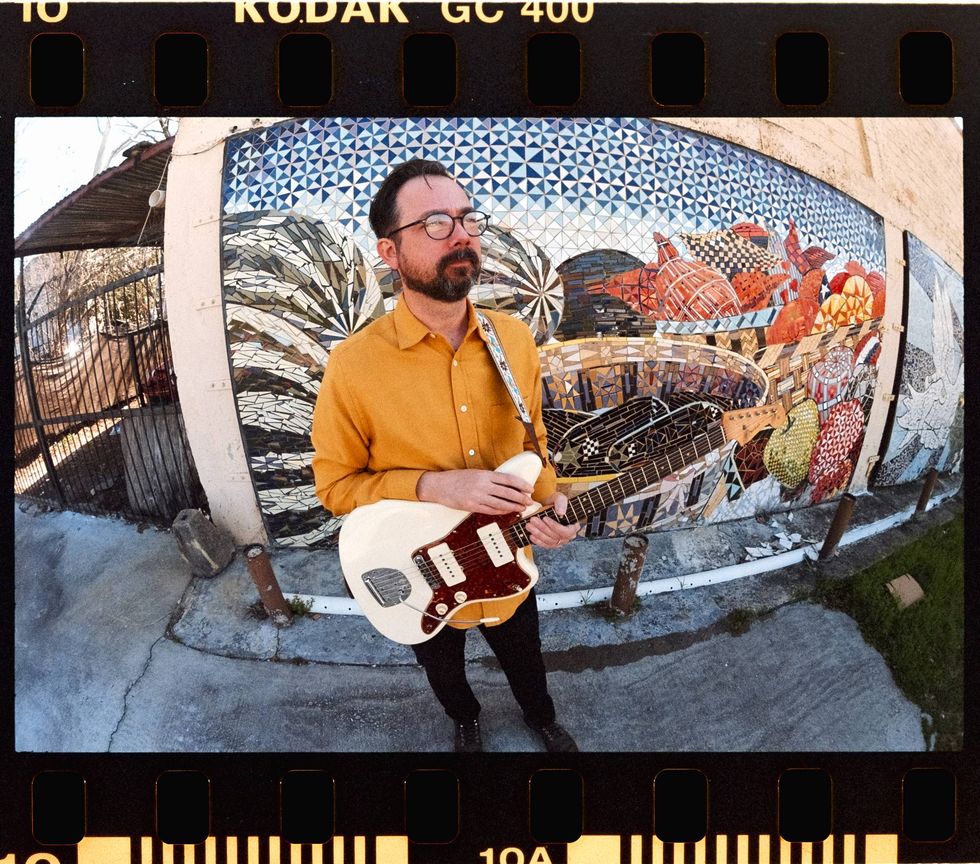
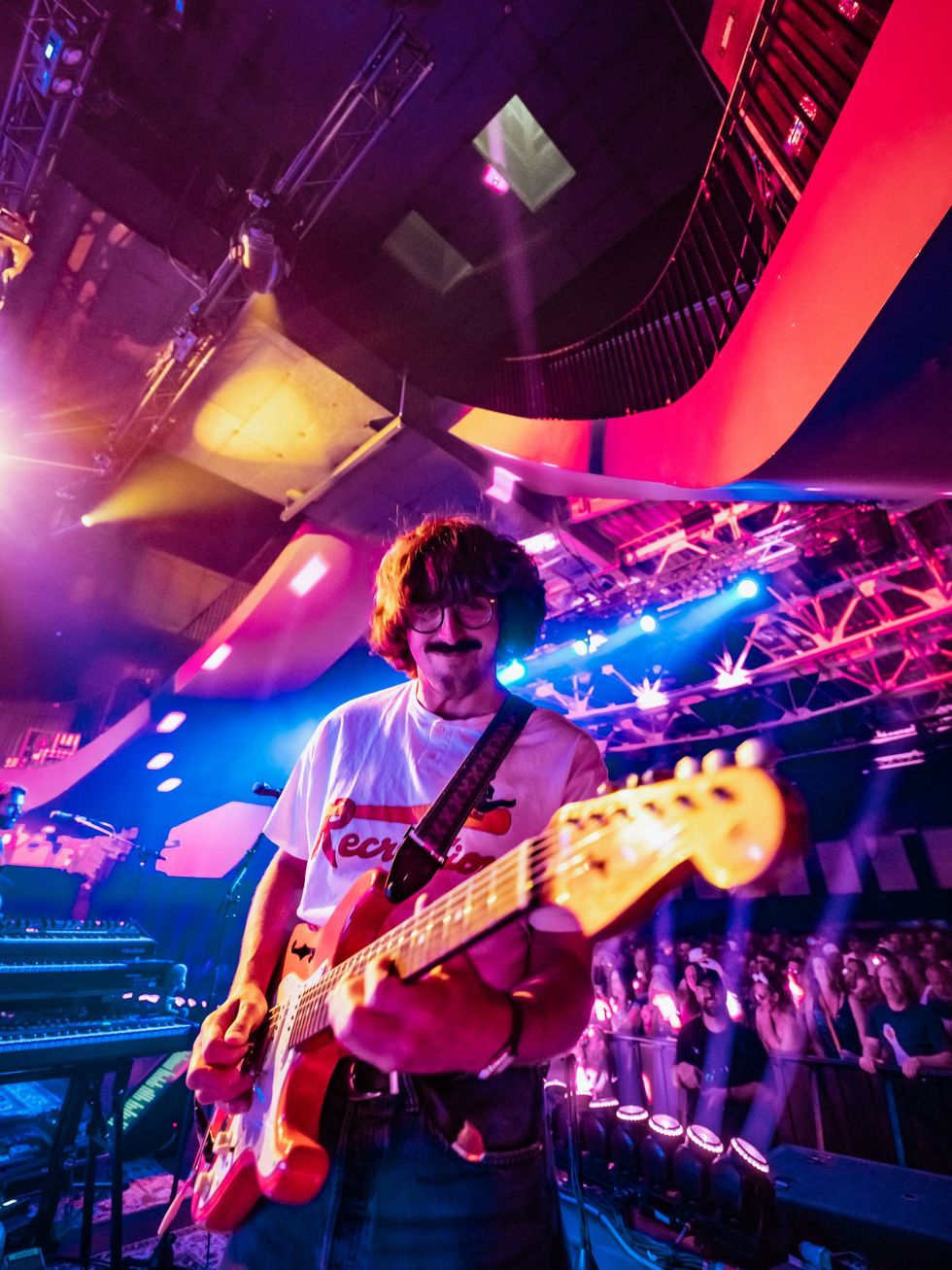
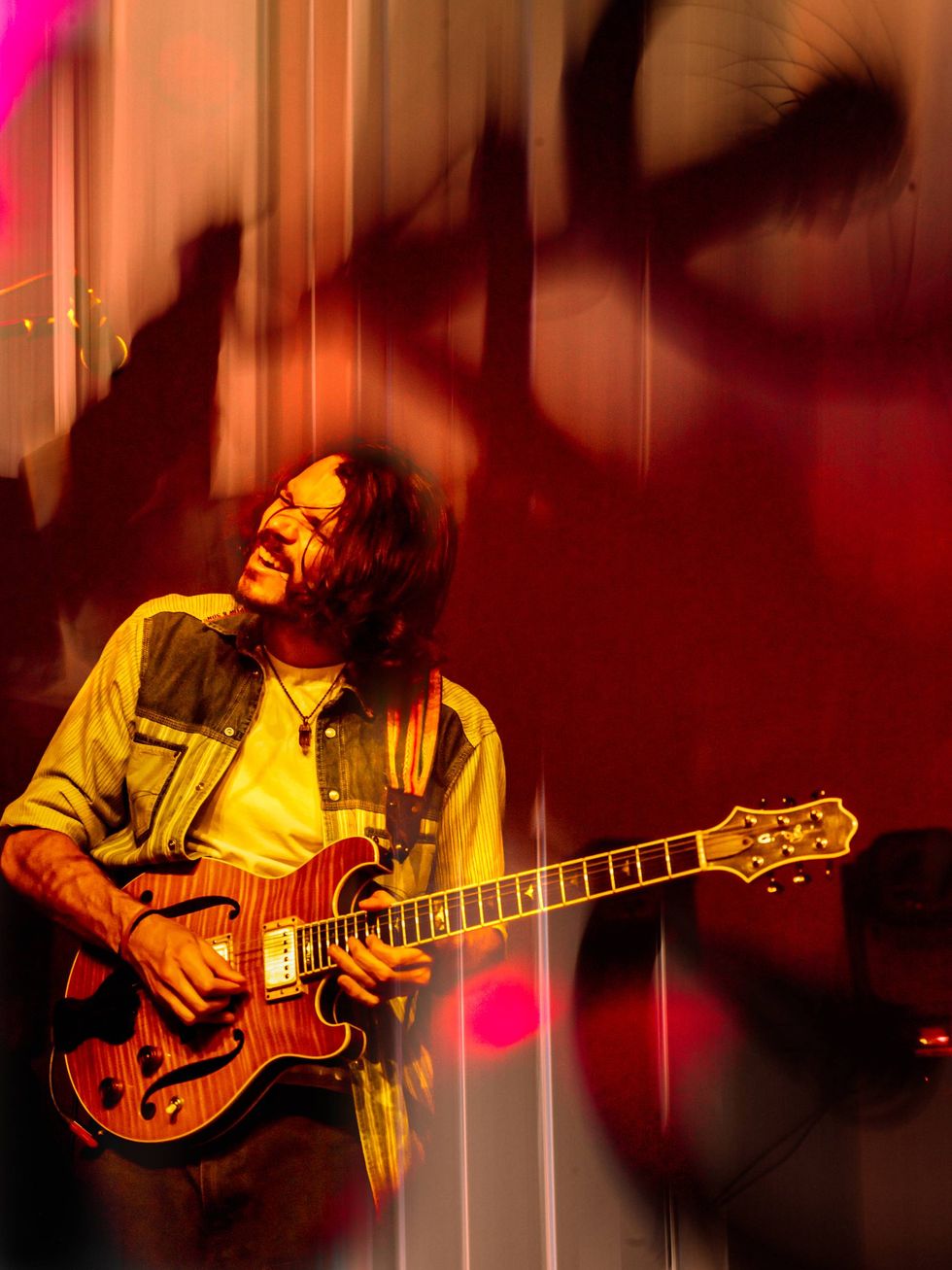
Doyle with his 1961 Fender Jazzmaster.
Photo by Daniel Jackson
“Nelson, he lives in Minneapolis,” Doyle says. “I played with him touring with Craig Finn, that’s how we met. In soundchecks, we would annoy everyone by playing Charlie Parker tunes together.” The rhythm section hails from closer to home. “Jeremy Bruch is in Austin—he’s the house drummer at Parker [Jazz Club] downtown. I’ve known him a long time. We played in many bands, including What Made Milwaukee Famous back in the day. And the bass player is Will Story. He’s a local guy in town that I play with a lot. He’s a little less jazz and a little more like [Motown session bassist James] Jamerson or somebody, very groove oriented. He plays a lot of private parties and stuff, and that’s how I met him.”
“I’ve always wanted to do a guitar record with, like, five or six guitar players, or three guitar players and three pedal steel players.”
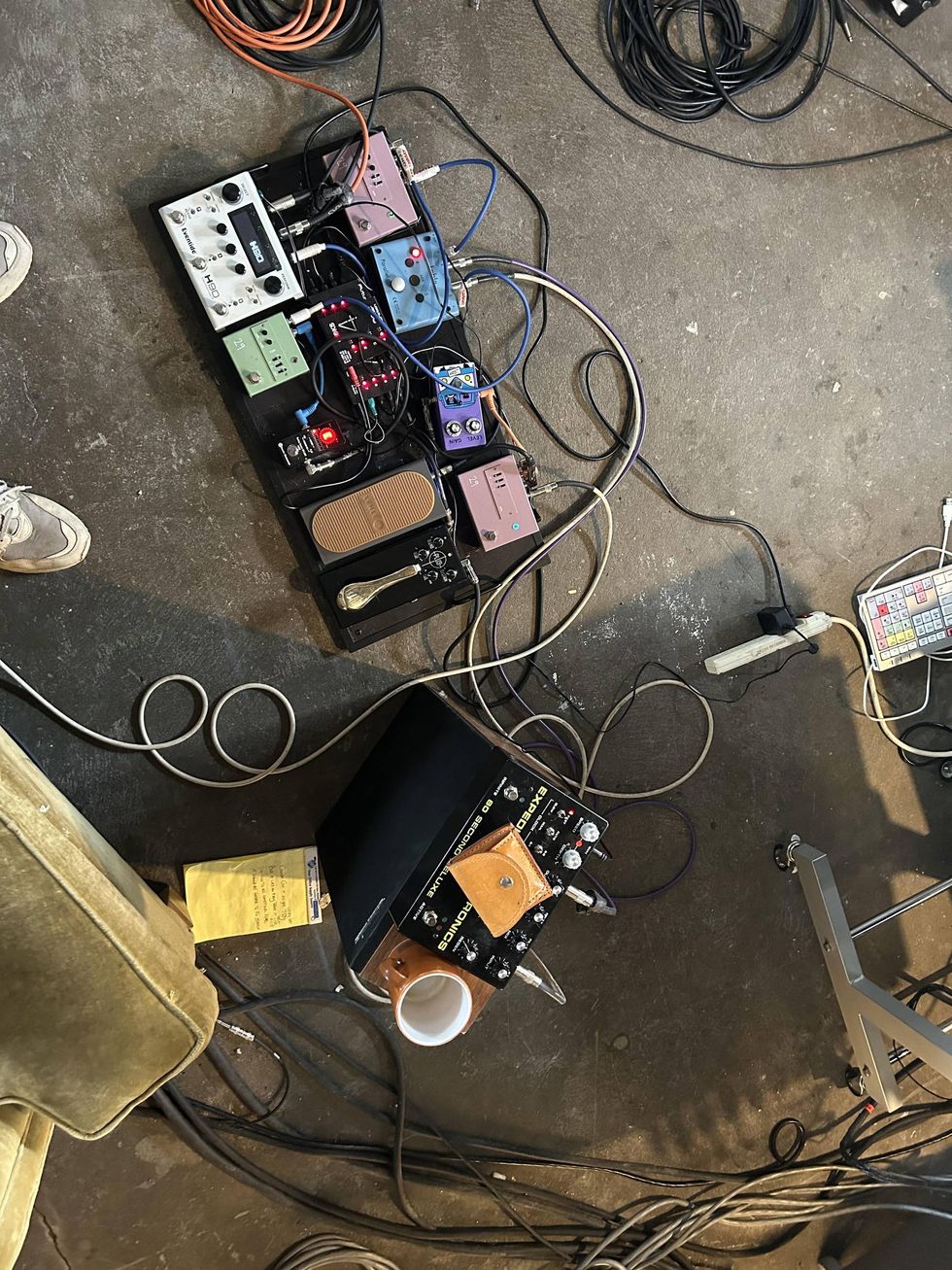
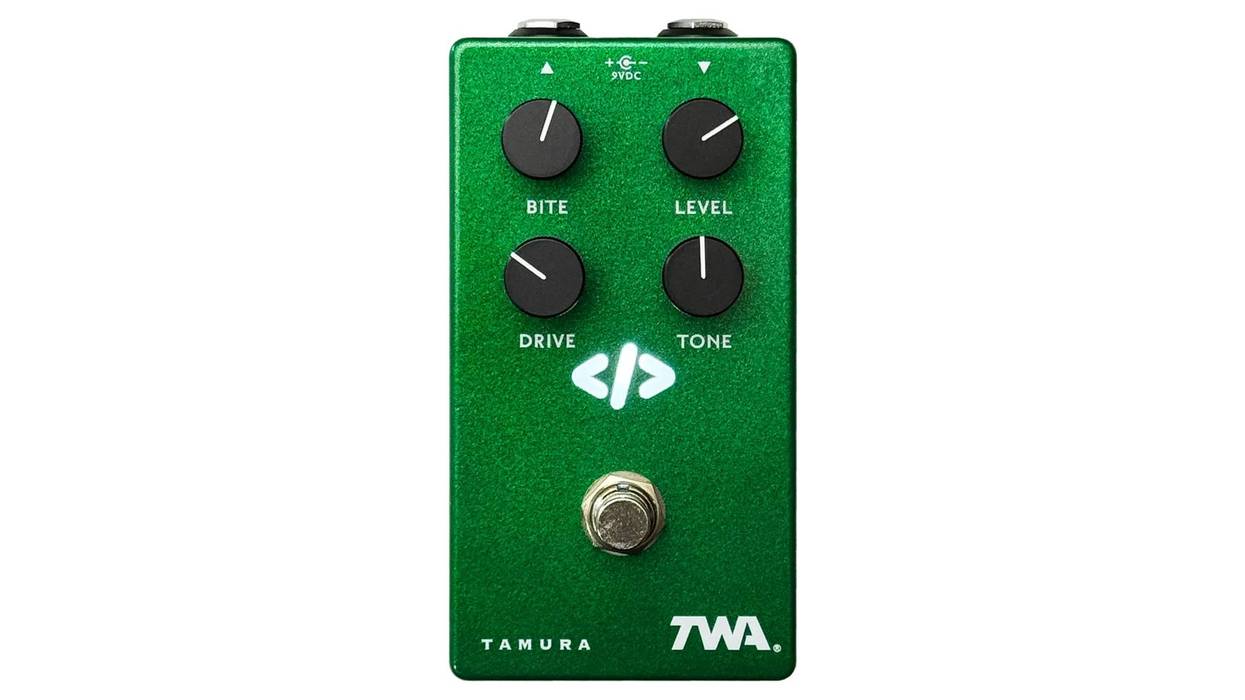
Doyle’s pedalboard
Photo courtesy of Kelly Doyle
Kelly Doyle’s Gear
Guitars
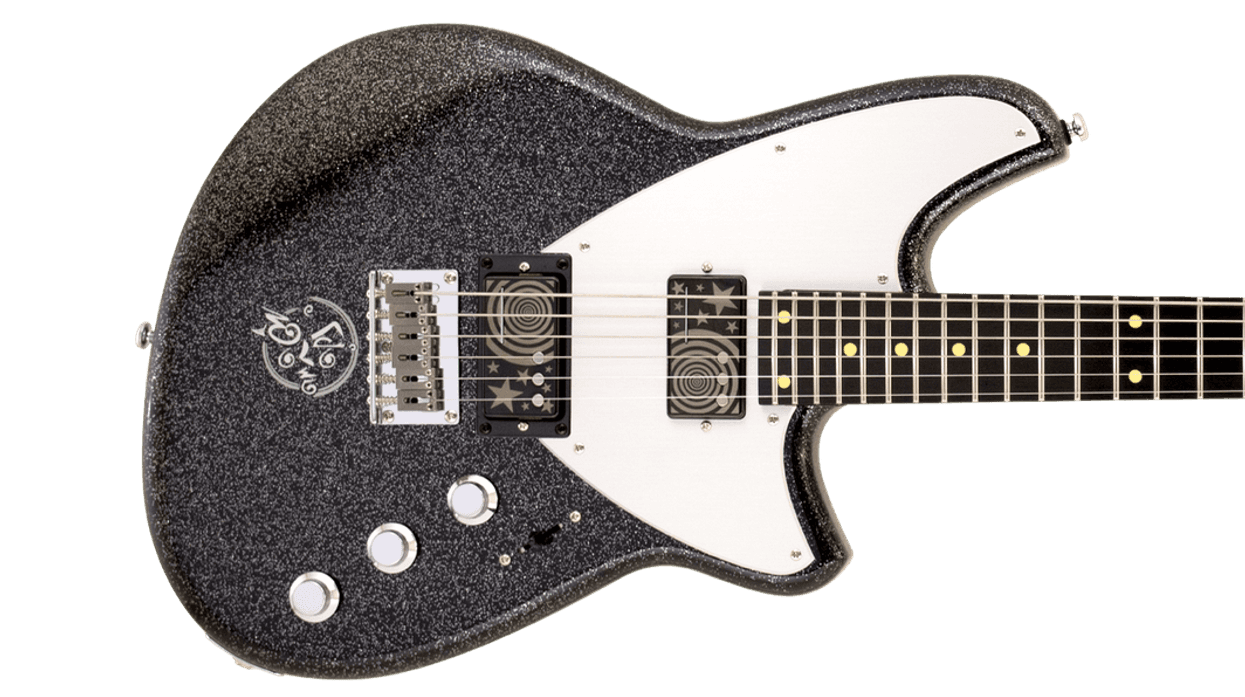
- Telecaster “parts guitars”: one fitted with a B-Bender and Don Mare pickups; “copper Tele” loaded with Lollar pickups; “pink Tele” with Gemini Pickups Rising Sun Humbucker Tele Bridge pickup
Amps
- 1968 Fender Princeton Reverb
- Fender Princeton Reverb (studio)
Strings & Picks
- D’Addario strings, “sometimes NYXLs, but usually the ‘normal’ ones” (.010–.046)
- BlueChip TP40 picks
Effects
- 29 Pedals EUNA (Elite UNity Amplifier) with JAM Pedals Fuzz Phrase in the loop
- 29 Pedals FLWR
- 29 Pedals OAMP
- Gamechanger Audio PLUS Pedal
- Sonic Research ST-300 Mini Strobe Tuner
- Lehle Parallel SWII effects looper and stereo mixer, with Expedition Electronics 60 Second Delay in the loop
- Eventide H90 Harmonizer
- Durham Electronics Sex Drive
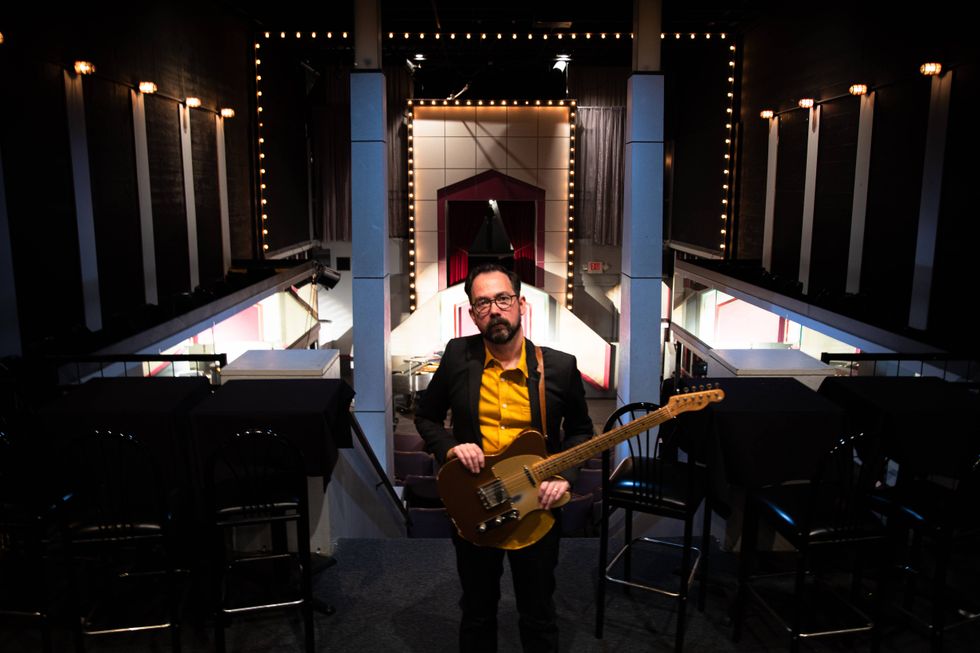
Photo by Daniel Jackson
The group has a clear, no-nonsense rapport, emphasizing Doyle’s strong melodies and efficient chordal construction while taking excursions into more open-ended turf. The title track features a syncopated, pungent sax line that Doyle shadows with nimble alacrity, playing punchy, off-center licks that recall the great Mick Goodrick. But he also finds room for floating, behind-the-beat chords, twangy, sunset interludes and uneasy, scurrying textures. You can hear echoes of past masters like John Abercrombie and elder gurus like Bill Frisell, but Doyle has his own distinct tone and technique. His band likewise blends traditional modes with idiosyncratic touches.
Bruch and Story navigate the tricky shifts and unusual meters of jazz with ease, but also add beats and accents from soul, funk, R&B, and elsewhere—check out the rustling five-beat pulse of the bewitchingly humid “Cold Open,” an otherwise straightforward track that concludes by dissolving into a haze of held notes and crystalline harmonics. It’s all part of the fruitful unpredictability of improvisation, as well as a crucial part of Doyle’s process.
“
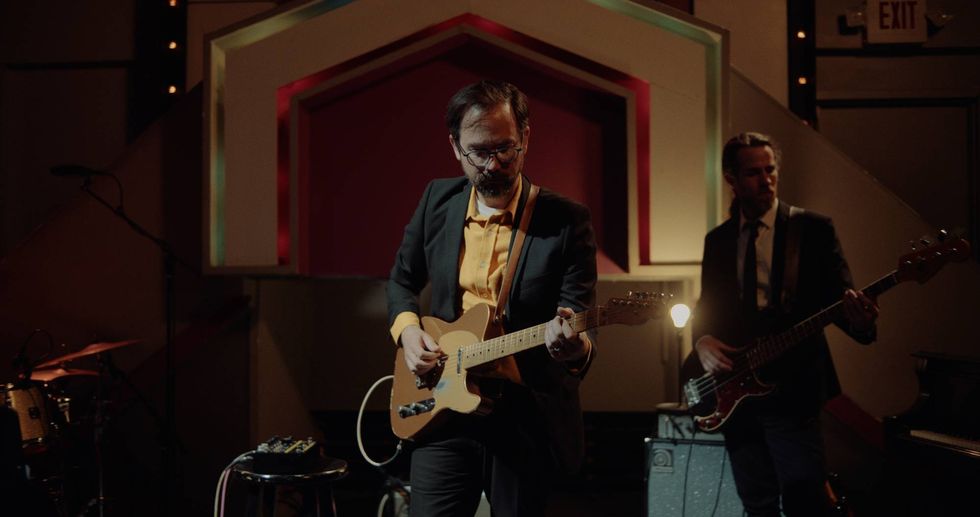
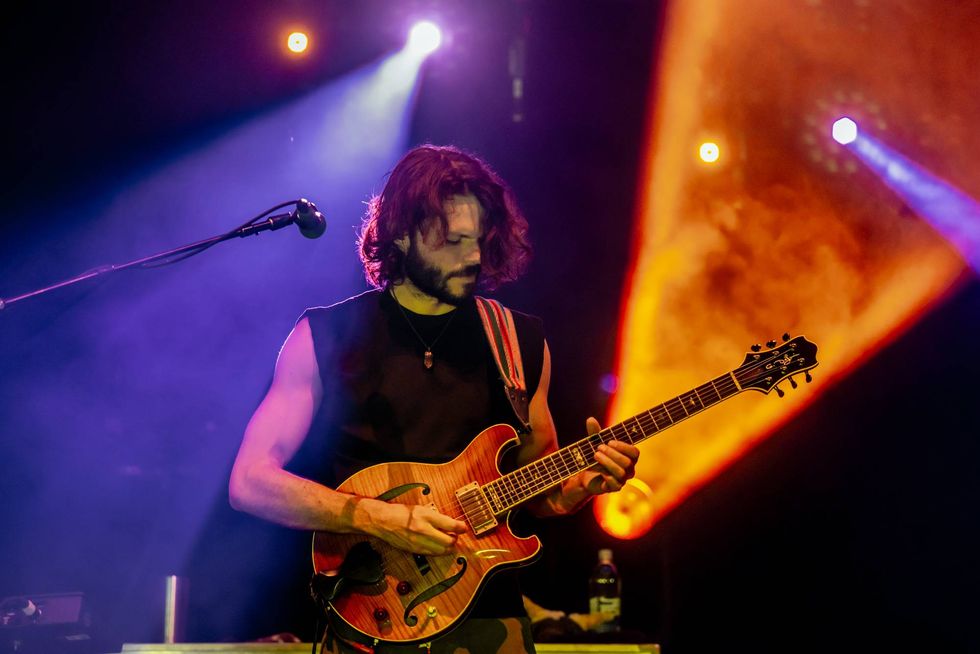
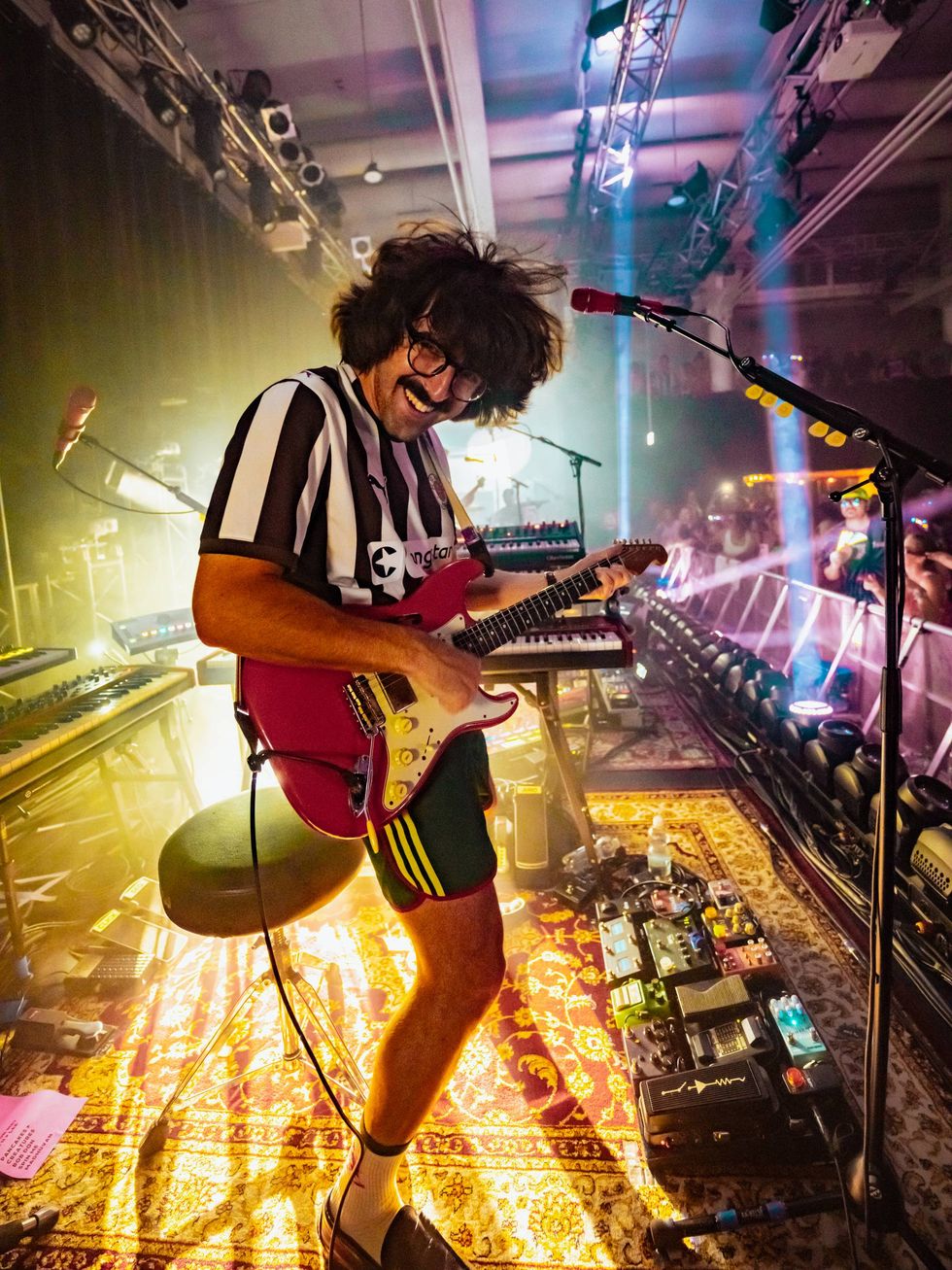
Doyle onstage, with bassist Will Story in background.
Photo by Javier Fernandez
"I didn’t know we were going to end with such a long drone,” Doyle says. “I was intending to chop that off, but when I listened back …” Such stylistic flexibility has caught people off-guard. “It’s funny how at gigs it doesn’t work,” Doyle says. “You get to the end of the song, and everyone claps, and we just keep droning, and it’s like what’s happening, you know? It’s kind of an awkward, nice moment. Sometimes I put the drone in the beginning, as a mood-setter, and then we go in. But it’s definitely confusing to people.”
“I went from listening to ’90s bands to listening to Charles Mingus.”
Thieves is filled with such small surprises and unexpected left turns. Big, soulful choruses break down into friction-filled fragments, only to reassemble minutes later. Energetic melodic runs transform into rickety harmonic switchbacks. Doyle can climb ladders of sweet, spiny dissonance like Thelonious Monk, but he’s also prone to Southwestern-style bends and loose, dreamy smears. It shouldn’t confuse anyone for long, though; his eclectic-yet-easygoing approach somehow hangs together, forming a sound that he calls “spooky spaghetti Western, but also like Duke Ellington.”
Doyle, who was born in 1980, got into jazz early. “I heard a lot of Duke Ellington and Benny Goodman and stuff growing up at my grandparents, and I was interested in it,” he says. Then, his guitar teacher pushed things further. “I don’t know what possessed him, but he told me I should check out Eric Dolphy and Charles Mingus. This was before I could drive, when I was just a teenager. I don’t know why, but for some reason he knew I would be into it.”
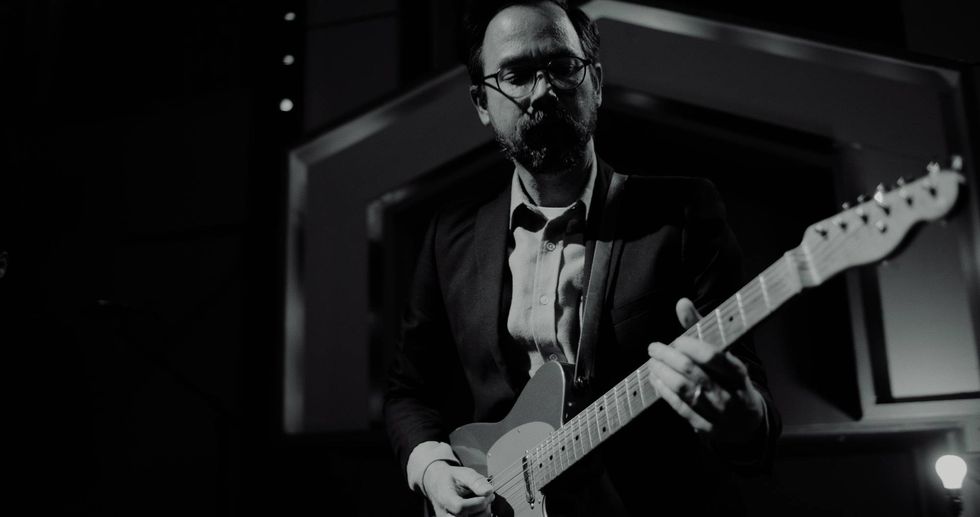
Photo by Javier Fernandez
Dolphy’s free jazz sent the young Doyle in new directions, but he also received a more standard ’90s rock education. “I think I got my [first] guitar in 1990, and then Nirvana’s Nevermind happened the next year,” he recalls. “I had just enough time to figure out how to push down the strings and make sounds before Nevermind came out, and once it did, everything sort of spiraled from there. I went from listening to ’90s bands to listening to Charles Mingus.”
The adroit stylistic shifts and unusual tonal combinations of Thieves reflect Doyle’s wide-ranging musical experiences and interests. But it doesn’t capture everything the guitarist wants to accomplish. “I’ve always wanted to do a guitar record with, like, five or six guitar players, or three guitar players and three pedal steel players—really digging into the weird intonation issues that will happen. I really like when guitars create complex chords through everyone voicing things differently.”
No pre-show psych-outs or jumping dirtbikes needed.