

“They don't make 'em like they used to!” We've all heard it—usually from a parent watching some flimsy plastic toy break in their kid’s hands, thinking back to their own childhood version made of metal and wood and thick rubber, painted or powder coated, maybe with screen-printed graphics. Those were the days. But in the world of effects pedals, they don’t make ’em like they used to—they make ’em better!
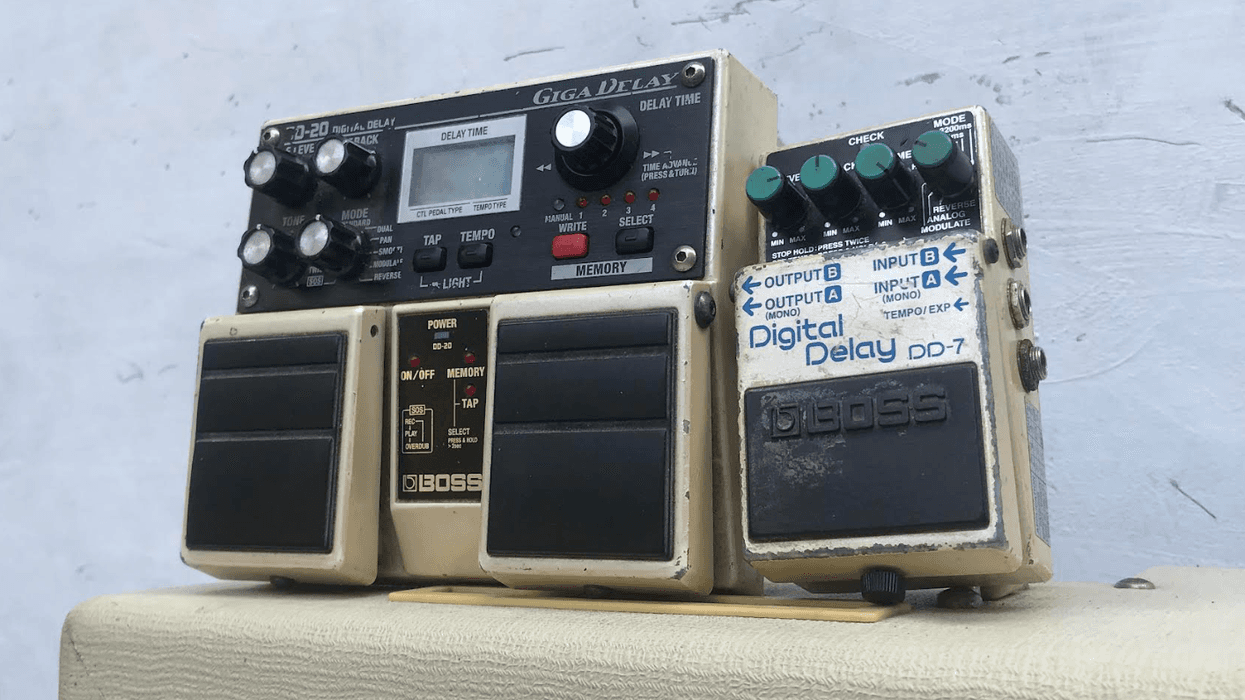
I’d like to state for the record that any company I reference here as an example is one I believe is building its products better than ever. A few that come to mind: the old MXR pedals, with the foam over the circuit board that dries up and crumbles all over the inside; the Line 6 4 Series (most notably the DL4), notorious for footswitch quirks; or even the Russian-era EHX/Sovtek units, made with whatever Mike Matthews could get his hands on—enclosure durability notwithstanding.
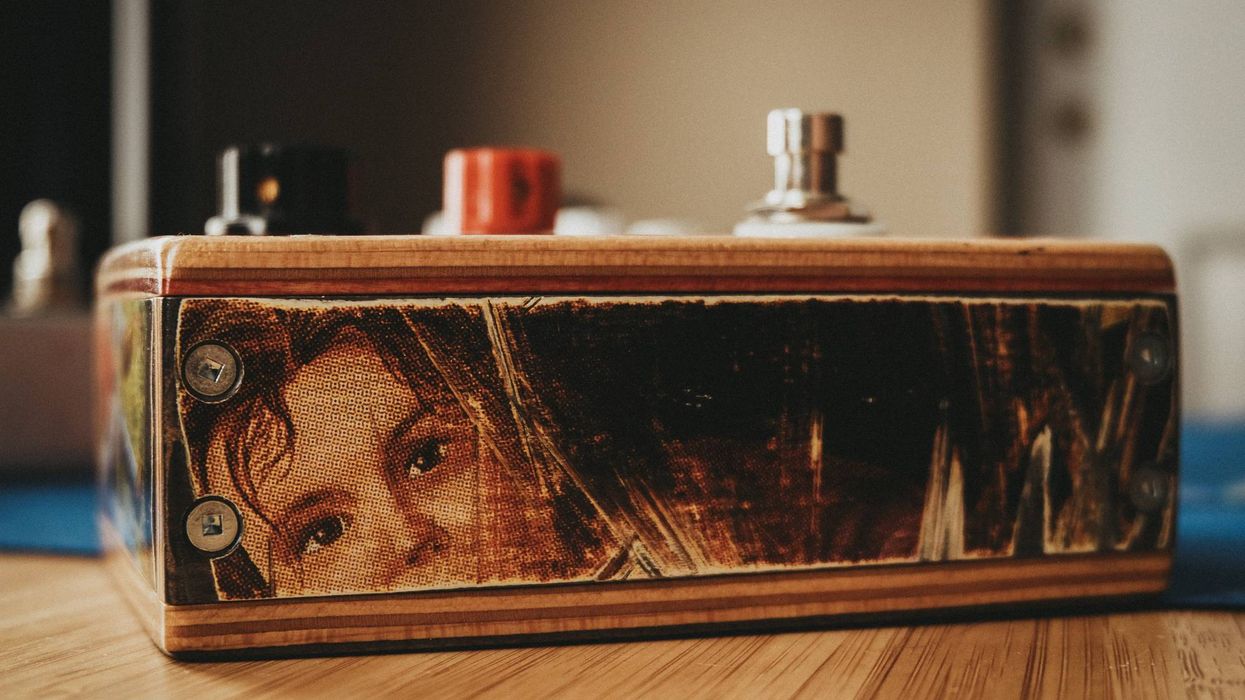
Let me expand upon that sentiment, because within it lies the root of what makes modern pedals so great. As a manufacturer in the U.S., we don't really have many restrictions on what we can procure or even what we can have custom made for us. Need a certain component? Hop online and find it. Need a specific material composition? Select it in the search. Need a knob? Find one with the right material, color, diameter, shaft type, and style within a browser window. It’s safe to say that we’re spoiled in this modern era of pedal manufacturing. But let’s go a step further and look past components in a drop-down menu. What if we want to take an idea for a custom enclosure or piece of hardware and bring it to life? Well, we can design it in a CAD program. Or contract someone to do so. Then we can find a metal fabrication house that will make it to our exact specifications. Heck, anyone in a city or suburb can probably find one or more in their greater area! High-end, custom quality might be right around the corner.
“Peace of mind on a product can feel as valuable as the product itself.”
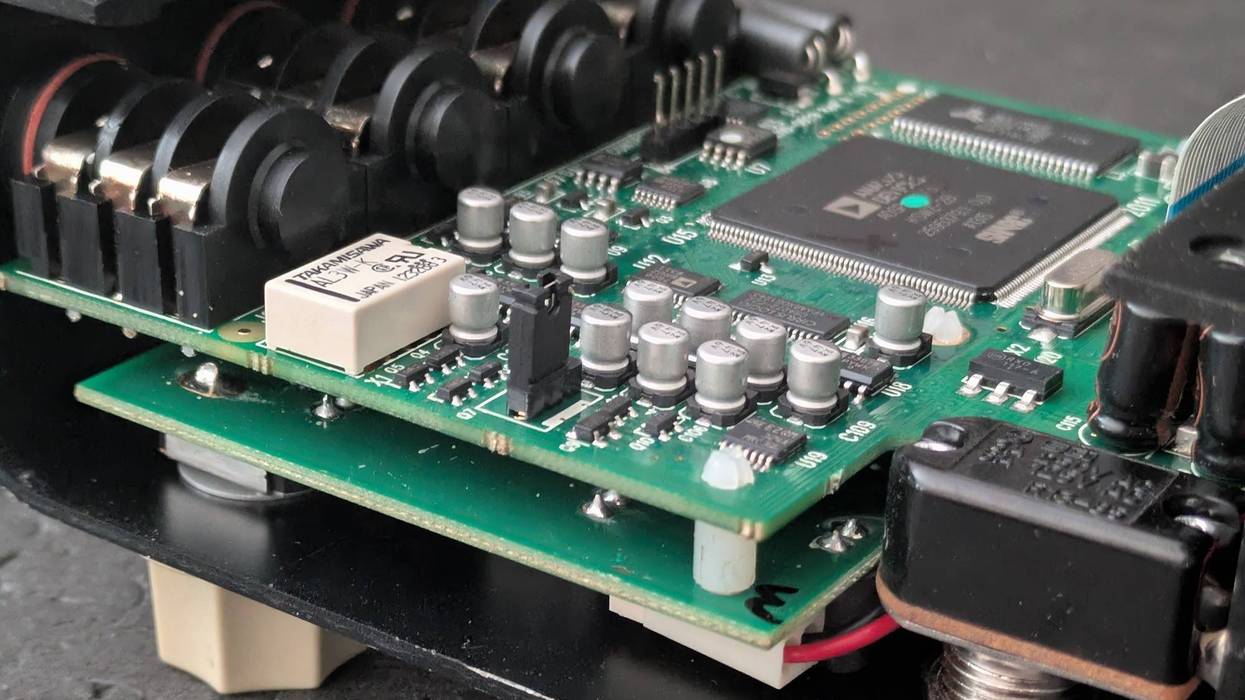
If we turn our attention to the inside of these pedals, we find a similar story. Printed circuit board (PCB) manufacturing has become better than ever. Standard, everyday fabrication houses can manufacture PC boards with more accuracy, detail, and precision than ever achieved in the past. This leads to better boards for the designer and the player. And what about the components used in that modern PC board? Also the best they’ve ever been. When designing with robustness, digital controls, or even mini-pedal confines in mind, these modern surface-mount components have achieved no small feat. Footprint sizes are smaller than ever, but they don’t compromise on key features like tolerances or dielectric material. Now, I’ve already shared my thoughts on through-hole vs. surface mount in a previous column, so I don’t want to go down that path. But suffice it to say that these tiny parts open up a world of possibilities when designing a pedal today—one that’s better than those of yesteryear.
Let’s shift again. Only this time, let’s discuss manufacturers living in the modern retail space, and how that can be a hidden factor contributing to the quality of these products. We’re in a golden era of pedals—which means there are a lot of companies fighting for your attention. One of the absolute best things we manufacturers can do to add to the value of our products is to offer great support. Peace of mind on a product can feel as valuable as the product itself. We might forget about it, or take it for granted, but the boutique market is filled not only with great pedals from great people, but with full warranties and customer service from those great people. Service that makes customers want to keep doing business with those companies. Not to mention accessibility for the customer. If you experience an issue with a pedal nowadays, you can contact the manufacturer by phone, email, website chat, or even social media.
Now, a lot of us are going to have a romance for the gear of previous generations. Heck, most of this industry is built on replicating the sounds and looks of what was done before the modern era of manufacturing. But I’d say manufacturing is at a premium right now, and the customer service is the cherry on top. So, no, they don’t make ’em like they used to. They make ’em better!