

One of the best things about the guitar business is that a little shop can come up with a gem just as easily as a giant. That dynamic remained in play in 2026, and this year’s Premier Gear Award winners reflect not only variety in the size of producers, but a wide range of musical possibilities: beautiful, traditional, radical, and innovative. Join us as we revisit some of the most inspiring instruments, amplifiers, and effects to pass through our reviewers’ hands.
Epiphone Inspired by Gibson Custom 1960 Les Paul Special
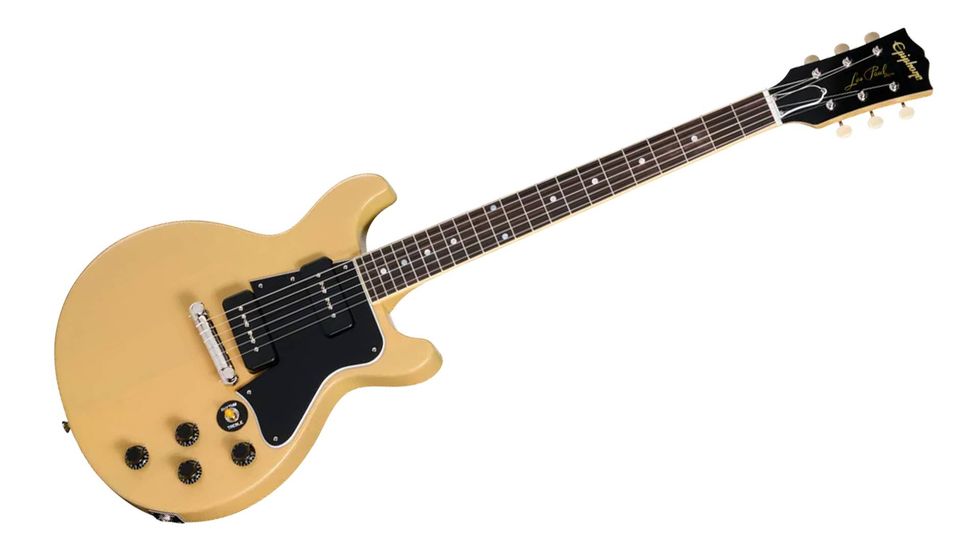
Epiphone hit another home run with their Inspired by Gibson Custom series, this time recreating the no-frills charm that powered the original 1960 Les Paul Special. Highlighted by a number of upgrades to the standard Epiphone line—including American-made P-90s and a rosewood fretboard—the double cut reissue is sturdily built, oozing with vibe, and primed for signature single-coil snarl. Plus, it costs just under $1k.
$999 street, gibson.com
Warm Audio Throne of Tone
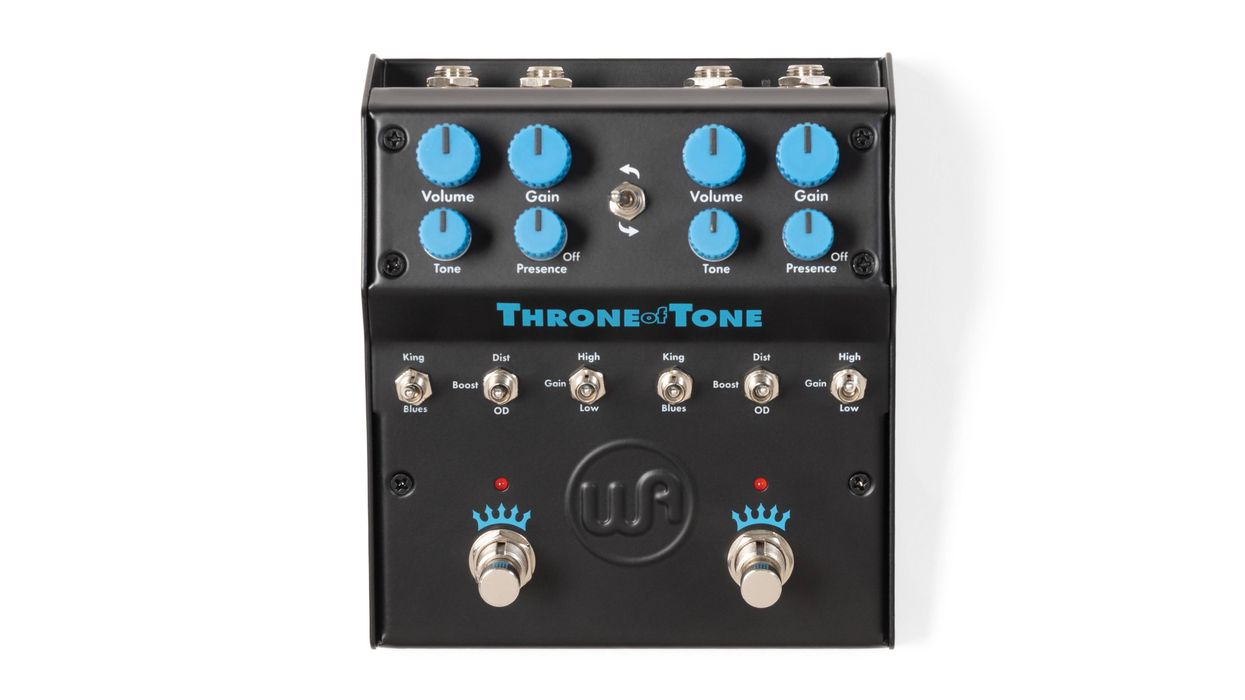
Though Warm Audio is famous for faithfully executing clones of vintage circuits, the Throne of Tone honors both the Analog Man King of Tone and the Marshall Bluesbreaker that inspired Mike Piera to build that circuit. The result is a dual overdrive that offers two related, but very different, flavors of overdrive, as well as a boost. It’s a star when paired with 6L6 amps in particular, and can span light drive and surprisingly aggressive distortion, too.
$229 street, warmaudio.com
StewMac Valve Factory 18
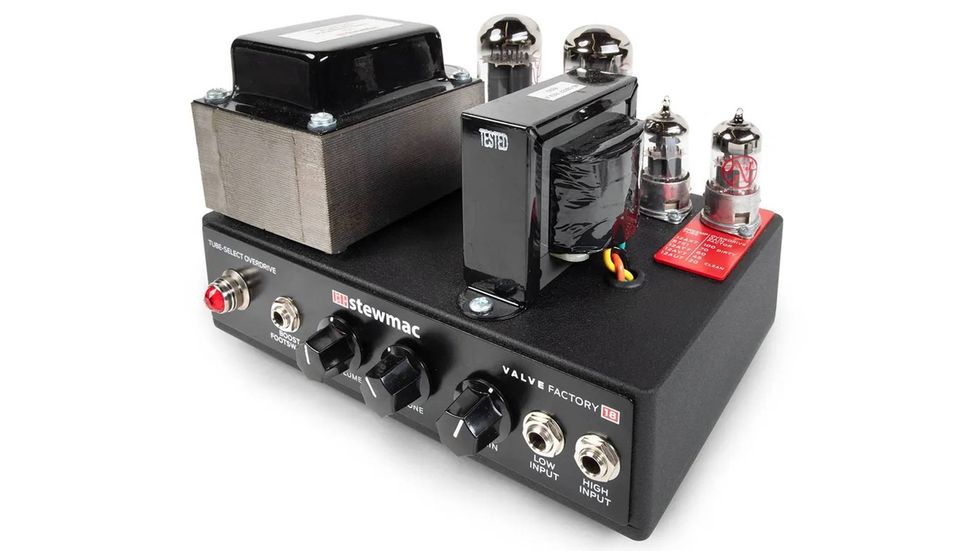
If you’re willing to take on the challenge of building your own amp, look to the Valve Factory 18. This StewMac kit comes with two preamp tubes (a 12AX7 and a 12AY7) and matched 6V6 power tubes. Front-panel tone tweaking options include volume, tone, and gain controls, and there are also high- and low-impedance input jacks (high and low). A boost footswitch further extends the tone palette, leaving you with a wide spread of high-quality tones.
$599 street, stewmac.com
Fortin Kali

The Kali pre-amp and distortion pedal tips its cap to the Cali amplifier, channeling the iconic José Arredondo Marshall mods that defined a high-gain era. But it also covers a healthy amount of stylistic territory, offering a trio of gain modes (vintage, raw, saturation) on each of its two channels. From classic-rock leads to modern-metal riffs, the Kali brings bountiful tone to the table.
$299 street, fortinamps.com
Bad Cat Ocelot
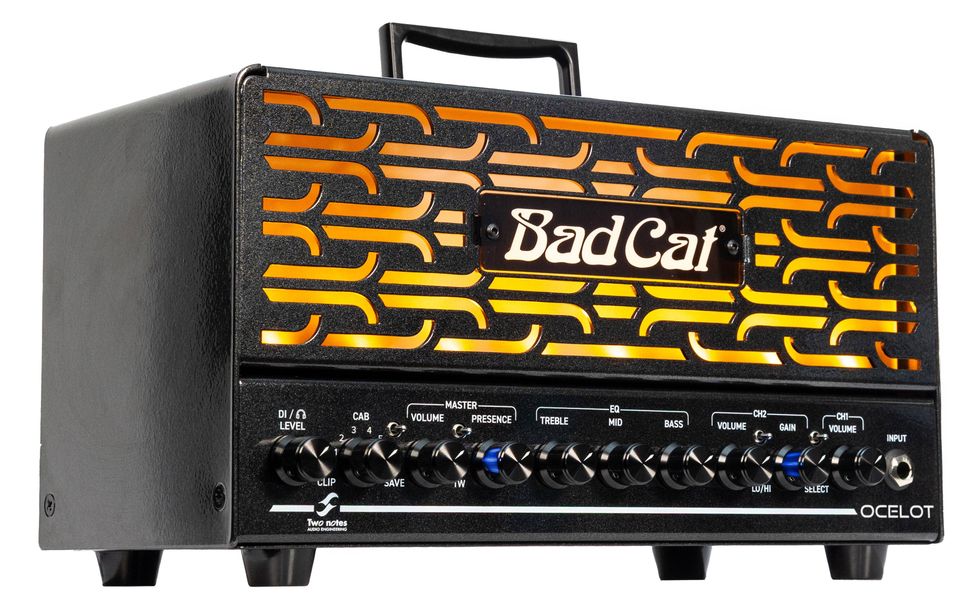
This all-tube lunchbox head may be lean and lightweight, but it reaches the pro tier of flash, panache, and versatility. With its dual-gain mode and two foot-switchable channels, the Bad Cat Ocelot can churn out everything from glimmering clean tones to blazing high-gain leads. Meanwhile, the Two Notes software and Torpedo DynIR cabinet capture adds a wealth of editing options. It’s quite the value.
$1,299 street, badcatamps.com
Mr. Black Mod.One
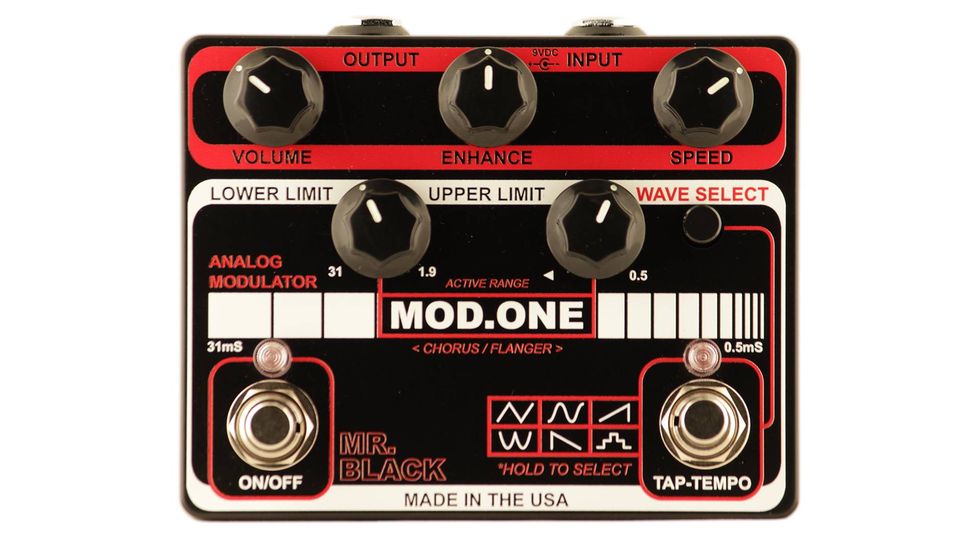
Mr. Black is known for coloring outside the lines, and the Mod.One is a classic example. Instead of offering one conventional flange and one conventional chorus, this fully analog modulator is all about expansive tweakability and sonic exploration—with knobs controlling the lower and upper limits of its delay-time range, you can blur the boundaries of those two classic effects. Plug it in, fiddle around at random, and fall backwards into inspiring sounds.
$249 street, mrblackpedals.com
EarthQuaker Devices Barrows

EQD’s take on the Tone Bender MK II is impressive, not just for delivering the raunch, scuzz, and dynamic range of the original MK II, but for sounding great at less-than-maximum volume and attack levels, which makes it extra versatile. The small size makes it super practical—especially for players who use fuzz sparingly—while also doubling its appeal.
$129 street, earthquakerdevices.com
Source Audio Encounter
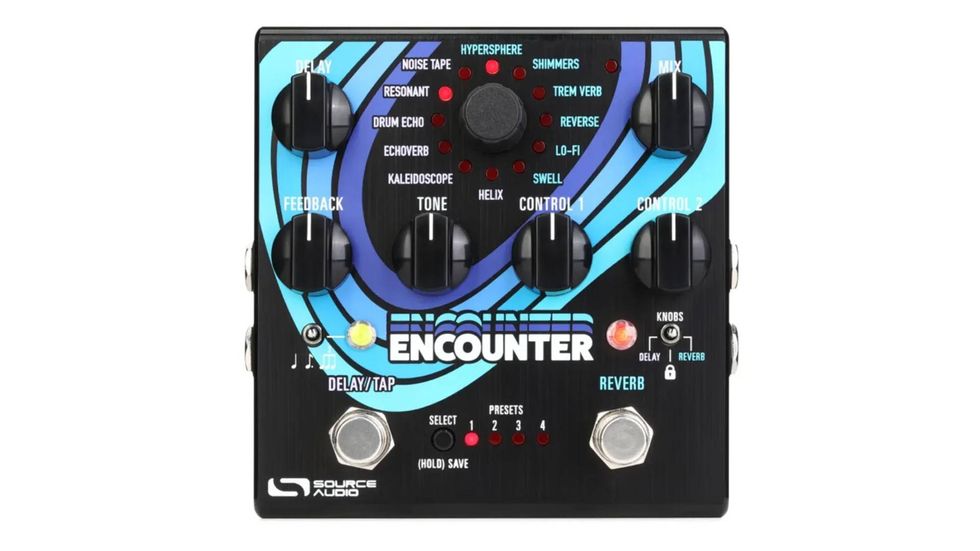
If we told you that the Encounter melded reverb and delay, you’d be within your rights to say “so what?” It’s a familiar combination, to say the least. But the Encounter turns the delay-reverb equation on its head, adding crazed reflections that simulate sound bouncing inside a sphere, distortion, modulation, and fractured repeats that create huge, often alien, spaces into which you can disappear for endless hours.
$399 street, sourceaudio.net
Fender American Ultra Luxe ’50s Telecaster and ’60s HSS Stratocaster
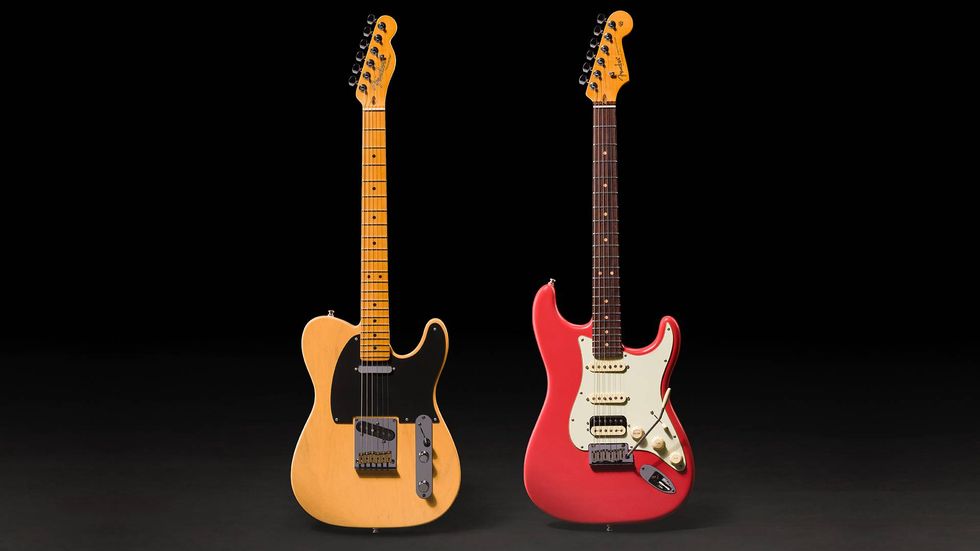
Part of Fender’s American Ultra Luxe Vintage series, these modernized classics offer all the playability that Tele and Strat players have come to expect. In this case, the features include quartersawn maple necks, 22 stainless-steel jumbo frets, a “modern D” profile, locking tuners, very useful S-1 push-button switches, and deluxe hard cases. There are also improvements you may not have anticipated, like the Tele’s comfortable body contours and the Strat’s impressive Haymaker humbucker.
$2,899 street, fender.com
Orangewood Del Sol Baritone
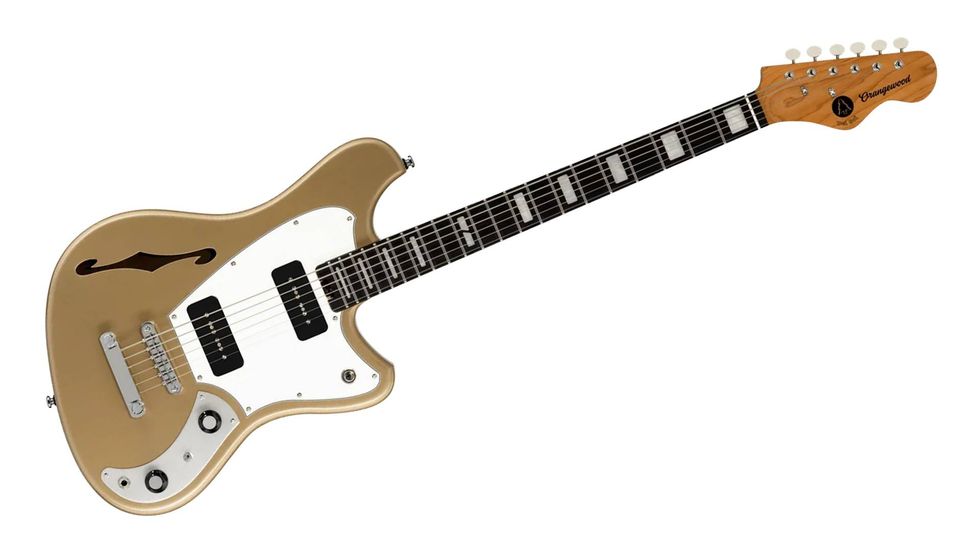
TreeTone Guitars partnered with Orangewood for this high-value baritone. With its offset design, the Del Sol looks vintage and almost surfy—and the tone controls, including a nifty phase switch, can certainly push you into retro warmth. But this bari, powered by a pair of P-90s, is also flexible for chasing heavier sounds. There are other notable features, too, including a rounded heel and easy-to-access spoke wheel for truss rod adjustments.
$795 street, orangewoodguitars.com
Fender American Professional Classic Jaguar and Jazzmaster
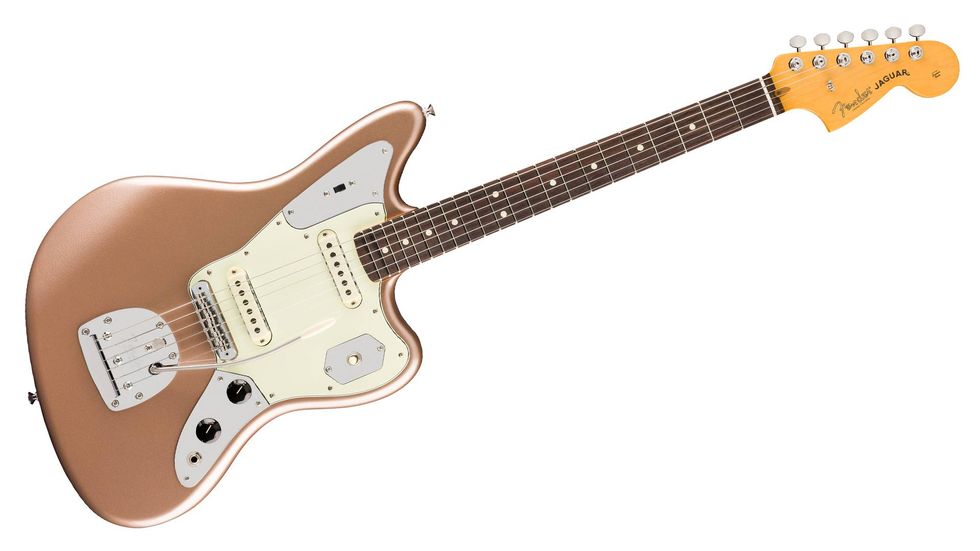
This pair of offset cousins was designed to appeal to players that love the look of a classic Jaguar or Jazzmaster but are less keen on the vintage-correct quirks. And they deftly walk a tightrope that straddles practicality and style. Enhancements included hotter pickups for both, and a Greasebucket circuit that preserves low-end clarity as you roll off treble. But straight-ahead players will really love the way the American Professional Classic dispenses with the tricky vintage-style electronics and switching for a simpler solution.
$1,599 street, fender.com
Silktone Expander

The sheer sense of possibility that the Silktone Expander inspires—it can very easily move from clean boost to fuzzy spaces—can be overwhelming at times. This is, after all, an all-analog marvel, and there’s no presets to save you from its, ahem, expansiveness. But the sense of discovery you get moving through the range in each of the three controls can open up creative avenues that you never saw looming on the horizon.
$269 street, silktone.org
Wren and Cuff Fade Font ’94
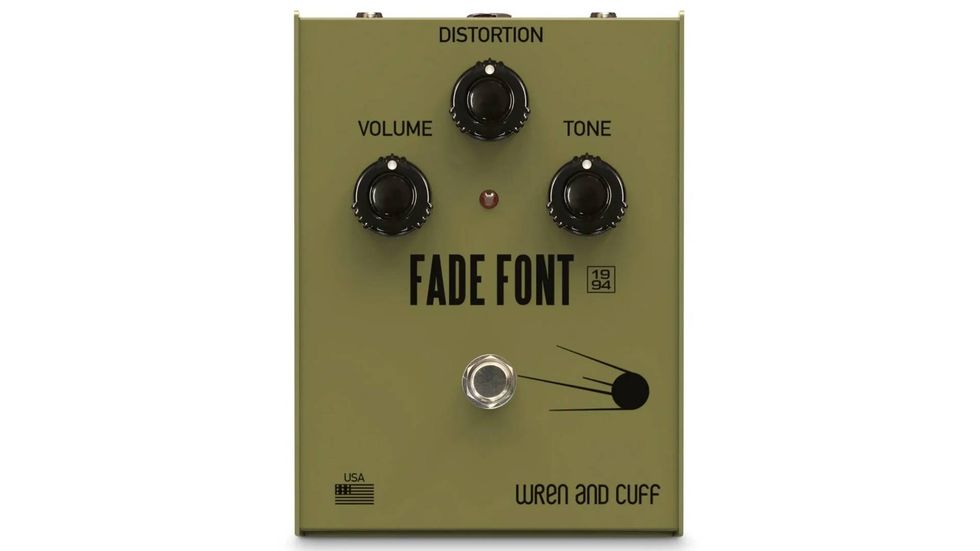
If you revel in the glories of vintage fuzz design, Wren and Cuff should be regarded as a company doing sacred work. The enclosures are beautiful—indulgently huge, lovely to behold, and in the case of the Fade Font ’94, spot-on accurate. But good looking as they are, it’s the way they deliver the sonic goods that makes them special. The Fade Font ’94 is a mandatory experience for any Sovtek Big Muff maniac for that reason. And like any good Sovtek, the Fade Font ’94 is smooth, massive, and enveloping.
$324 street, wrenandcuff.com
Alessandro The Dane
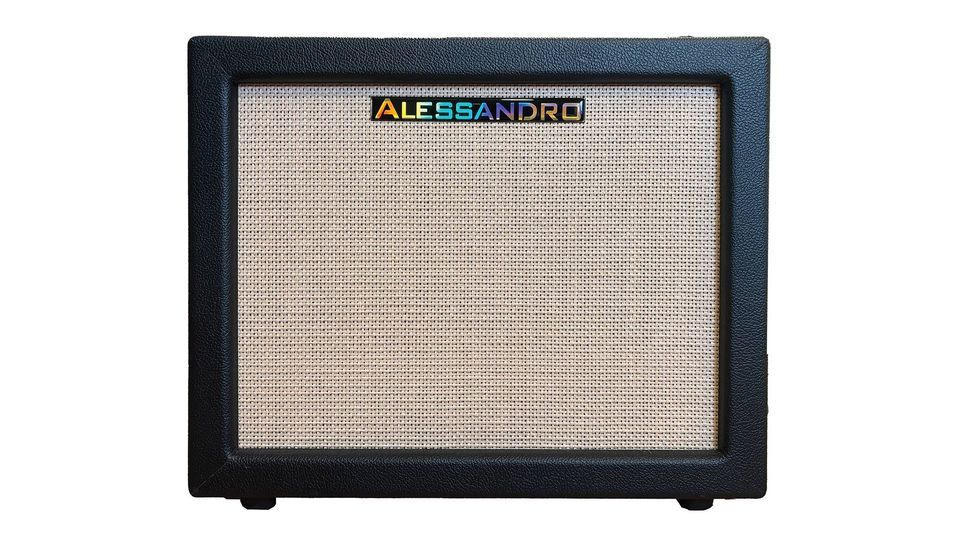
Boutique builder George Alessandro brought his deep amplifier knowledge to the 14-watt combo The Dane, building on inspiration from ’50s tweed Fender circuits. Our perfect score proves just how blown away we are: The Dane is ideal for numerous musical settings, from clean articulation to cranked-up aggression—partly due to its tone-shaping 3-band EQ, partly due to its general pedal-friendliness. Inspiring stuff.
$3,000 street, alessandro-products.com
Electro-Harmonix Bender Royale
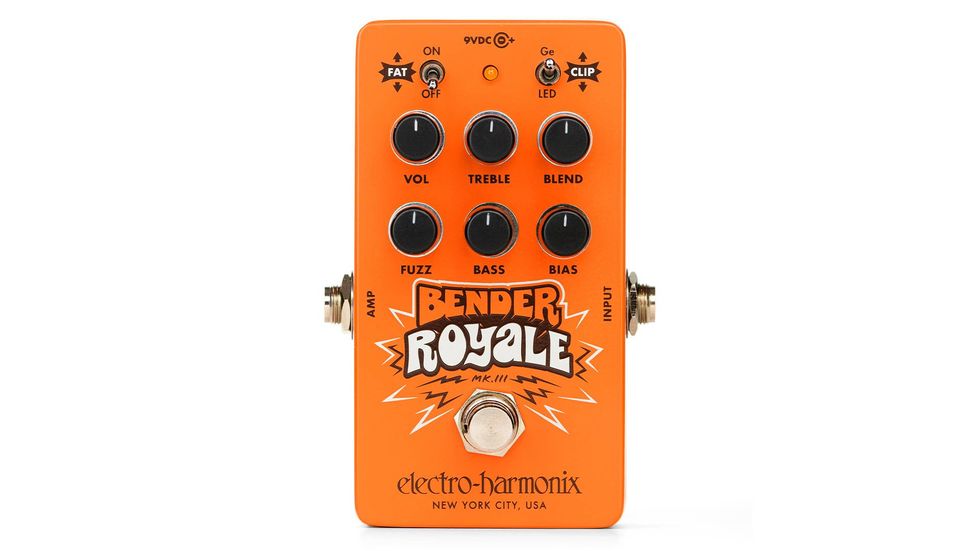
It’s amazing what a wet/dry mix control can do for a vintage-style fuzz. Fantastic as they are, fuzzes like the Tone Bender can be unruly things. But on the Bender Royale, the wet/dry mix knob enables you to integrate filth and more composed clean tones to create amazing composite sounds. The mix knob isn’t the only way to recast otherwise spiky Tone Benderisms. The expanded EQ section can make the Royale sound incredibly smoky or lacerating, and the FAT switch can thicken up the works.
$149 street, ehx.com
Monger Pedals The Little Guy

Don’t let the little Beatrix Potter-style graphics fool you. This little mouse roars, screams, and swirls with reckless abandon thanks to a devastating op-amp fuzz circuit (with more than a hint of Big Muff) and an OTA-based phaser. It’s unapologetically analog and often super-psychedelic, but also unique in its tone makeup. Vocal and sometimes lo-fi in their leanings, these are not the same-old fuzz/phaser sounds you hear behind every stoner rock band’s studio space door.
$224 street, mongerpedals.com
Gigahearts Hyper Soup
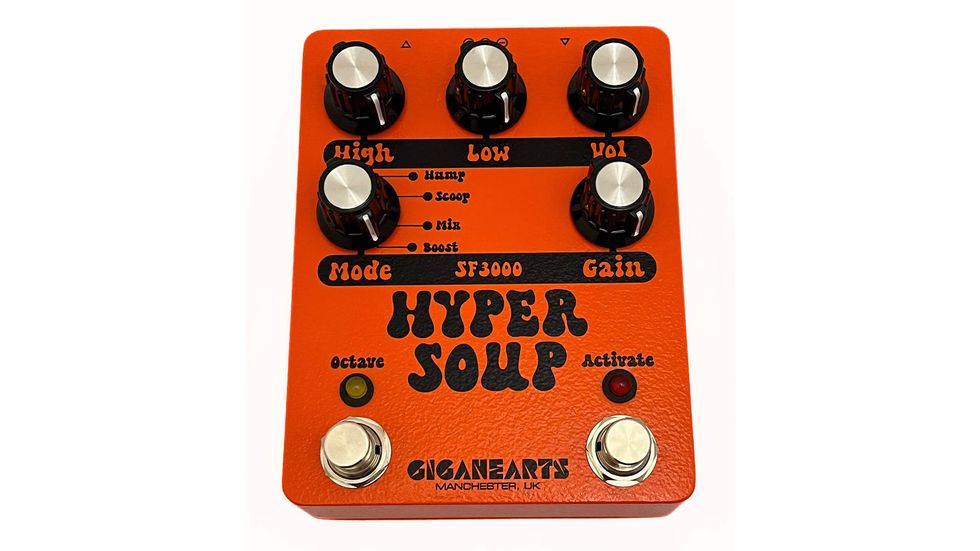
Operating a Super Fuzz-style circuit at high volume is a little like driving a ’60s Pontiac GTO. There’s too much engine, a creaky suspension, and anything other than going straight can be problematic. Gigahearts Hyper Soup is an expanded homage to the Boss FZ-2 (which is, in turn, an homage to the Super Fuzz.) It can feel hard to control, too. But the sensations that come with getting loose are thrilling, and mastering the beastly fuzz and octave sounds yields big-time rewards.
$216 street, gigaheartsfx.com
Death By Audio Dream Station and Moonbeam
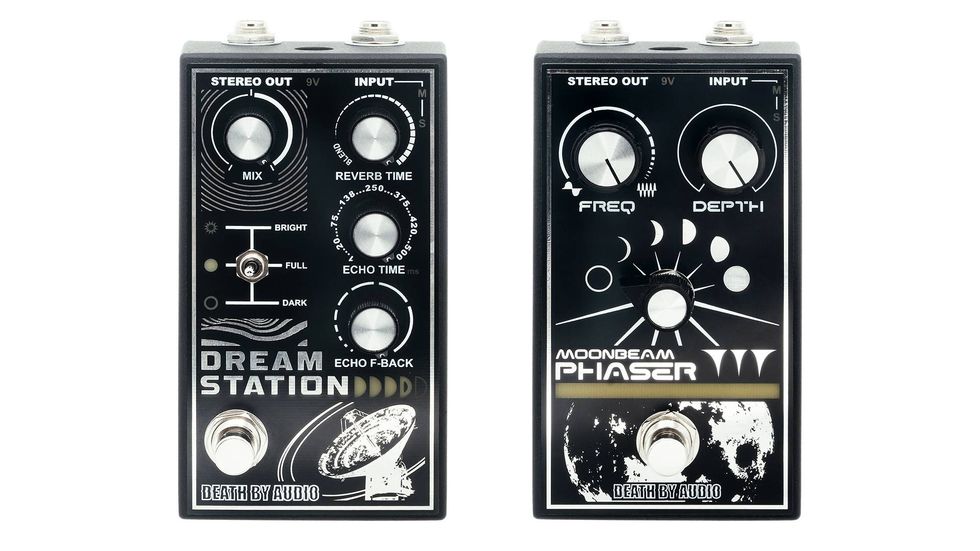
DBA’s Destroyer Series pedals, which include the Dream Station reverb and Moonbeam phaser, might seem, on the surface, like a retreat from the New York City company’s adherence to super-loud and noisy freakiness. And yes, they are more streamlined and approachable than a lot of DBA fare. But the Dream Station, which technically is an echo and reverb, gets very expansive, and the Moonbeam can spiral out from deep phase to ring-modulated mayhem.
$250 street, deathbyaudio.com
Keeley Nocturne
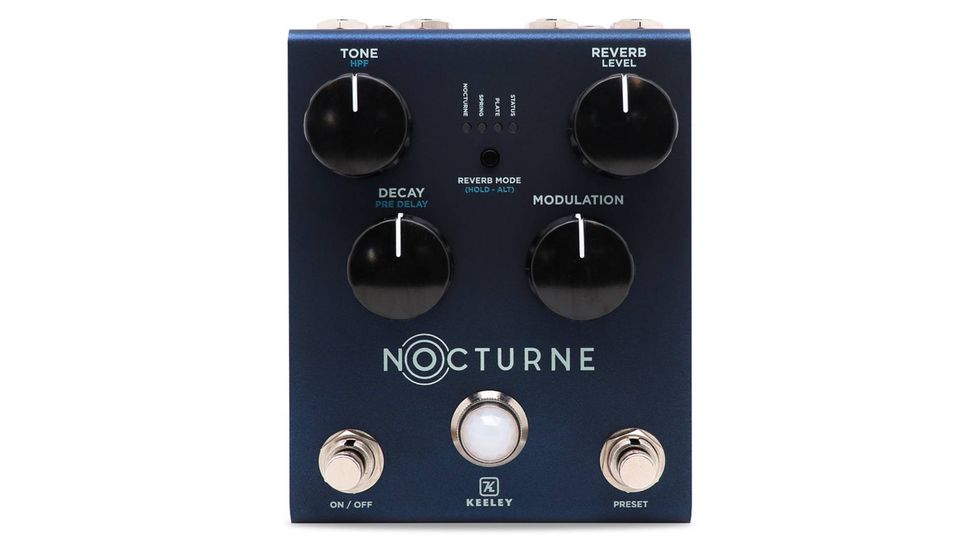
Taking inspiration from the Andy Timmons Halo delay, this Keeley reverb pedal branches into three distinct modes: spring, plate, and nocturne. You can adjust them all through tone, decay, modulation, and reverb level, providing a wealth of tonal options. But it’s the eponymous setting, with its haunting, modulated echoes, that elevates the Nocturne into a more deeply creative tool. The balance is impressive: While it’s easy to get up and running, it also rewards deep tweaking.
$269 street, robertkeeley.com
Reverend Charger Jr.

The Charger Jr. may only have one pickup, a Steelhead P-90, but the instrument is way more versatile than you might expect—allowing players to cover everything from punk to blues to alt-rock. Plus, it’s simply a well-crafted guitar: The solid korina body comes in a sharp metallic cherry finish; the roasted maple neck is comfortable in the hands; and the tuning stability is rock-solid.
$1,099 street, reverendguitars.com
Electro-Harmonix Big Muff Pi 2
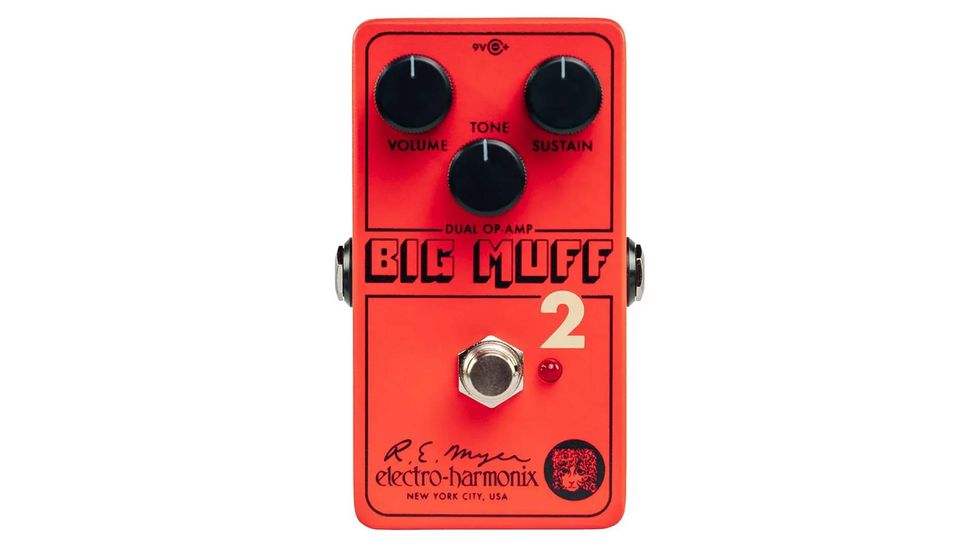
EHX didn’t become one the effects world’s greatest innovators without leaving some ideas on the cutting room floor. The pedal now known as the Big Muff 2 was once one of those, but its resurrection opens up a new lane on the already wide boulevard of Big Muff tone options. We thought the Big Muff Pi 2 combined the cut of a ram’s head with the smoothness of a Sovtek. If you had to rely on a single fuzz, that would be a pretty nice formula to work with.
$122 street, ehx.com
Wampler Mini EGO 76
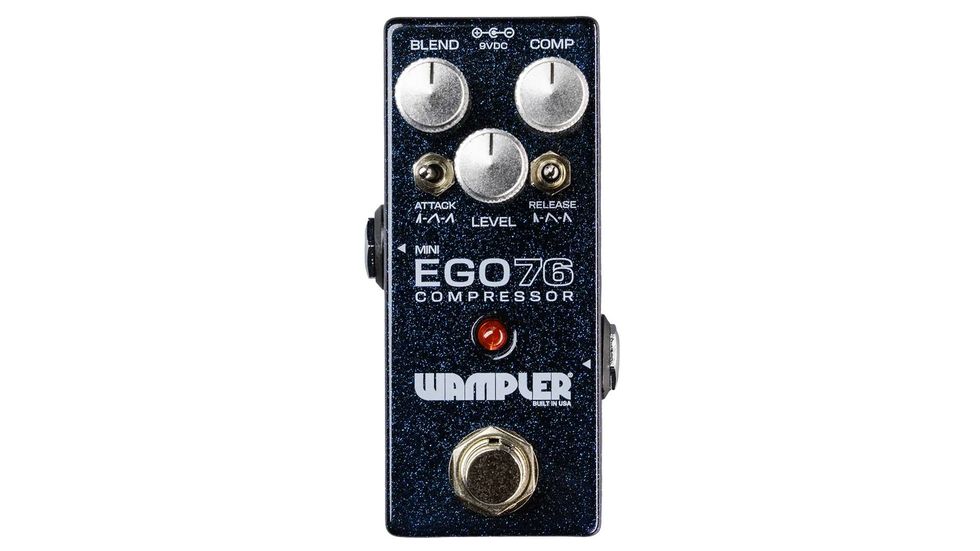
The Mini EGO 76 is small, which should be really appealing to players uncertain about committing significant pedalboard space to the effect. But the facet of the Mini EGO 76’s design that makes it most flexible is the blend knob, which in combination with the two 3-position attack and release switches, open up a huge range of comp effects—from smashed to modest— that deep divers can explore and compression newbies can utilize with ease.
$149, wamplerpedals.com
EarthQuaker Devices ZEQD Pre
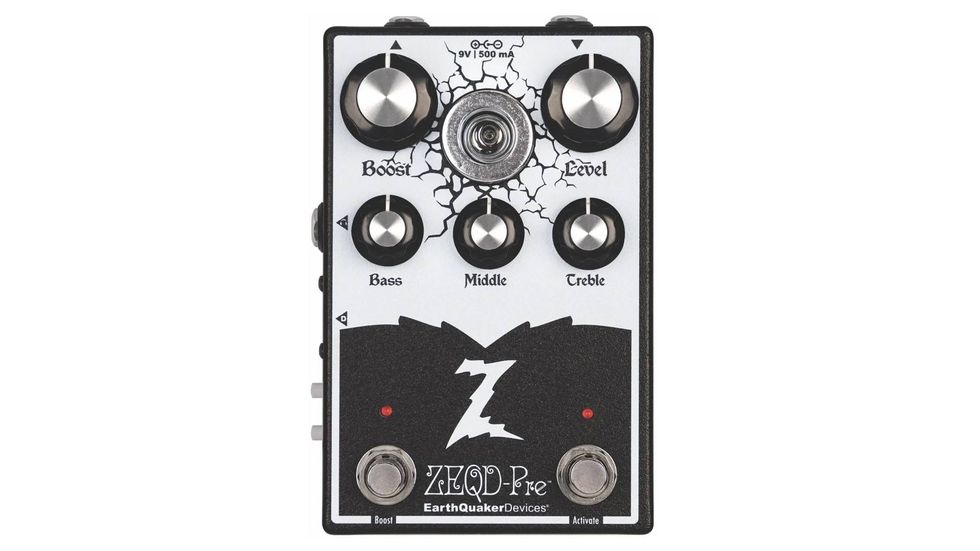
A product of cooperation between Dr. Z and EarthQuaker, the ZEQD Pre is many things—all of which add up to a very practical whole. The EF86 tube lends the preamp warmth and glitter, and this gives the ZEQD a warmth and depth that’s appealing in front of an amplifier, or out in front of a DAW—a function that will be the main attraction for many customers. Used at the end of a pedalboard, it’s an enticing alternative to modelers, whether you’re bound for the studio or stage.
$399 street, earthquakerdevices.com
Strymon Fairfax
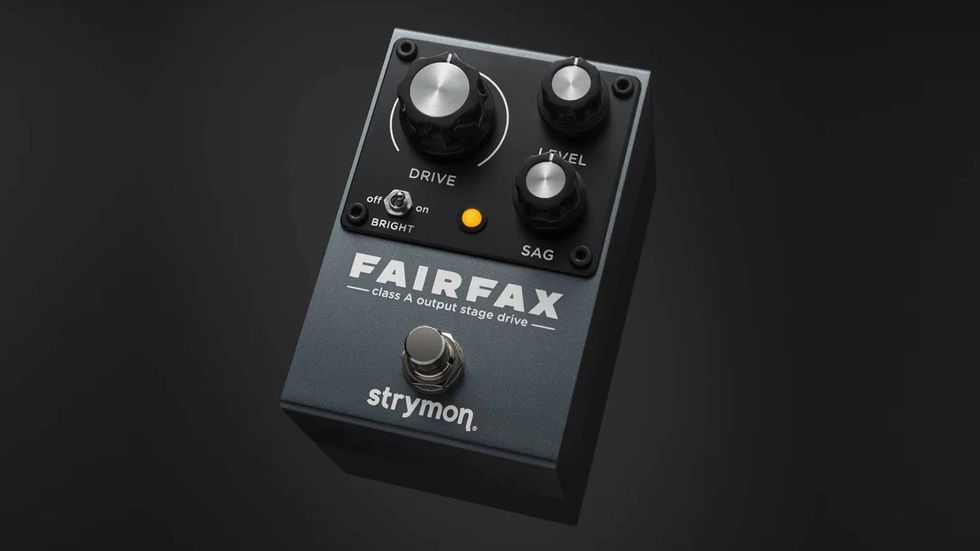
The Fairfax drive pedal, Strymon’s first-ever all-analog offering, kicked off the brand’s Series A line. And by tapping into the unique sonic qualities of the original Garnet Herzog, the sustain-heavy tube-drive unit famously used by the Guess Who’s Randy Bachman on “American Woman,” it didn’t disappoint. The Fairfax is already capable of classic overdrive sounds, but the dedicated sag control pushes it to another tier of cool.
$199 street, strymon.net
Orange OR60
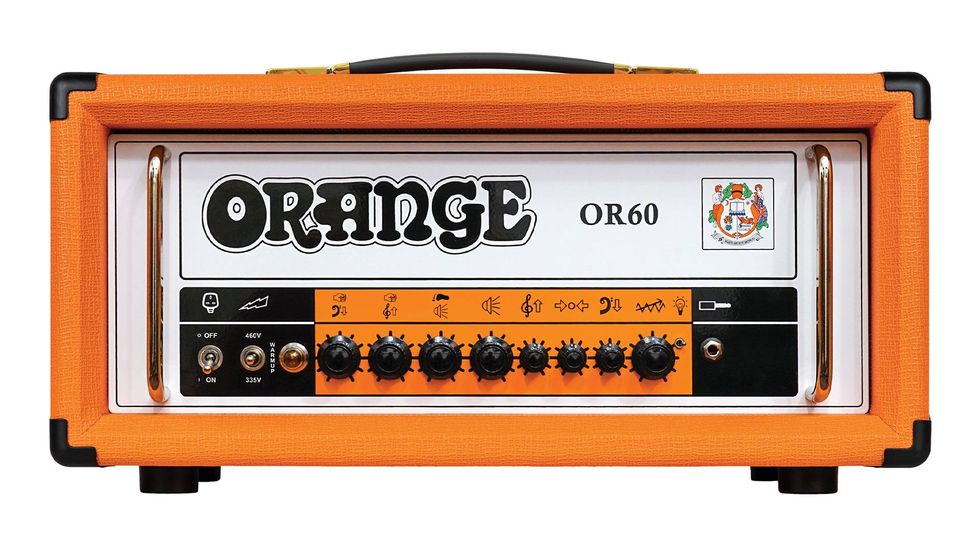
The OR60 amp head brings copious amounts of power—no surprise there. But it also provides a wealth of tone-sculpting features, including a 3-band EQ, a bright switch, presence and resonance controls, a foot-switchable extra volume control, and an effects loop. With that range, it’s comfortable operating with or without pedals—handling everything from ultra-clean to high-gain sounds.
$2,499 street, orangeamps.com
Revv Dirtdog

This impressive dirt merchant has a circuitous backstory. Hoping to channel the vibe of a late-’40s Fender Princeton, alt-country guitarist Joey Landreth built himself a small combo amp—and while that worked out perfectly in the studio, the wattage was too low to remain part of his touring rig. Teaming up with Revv, he devised a workaround: the Dirtdog, a flexible overdrive pedal (featuring an aptly named “Bite” control) that oozes personality.
$199 street, revvamplification.com
Gigahearts Mashed Voltaire
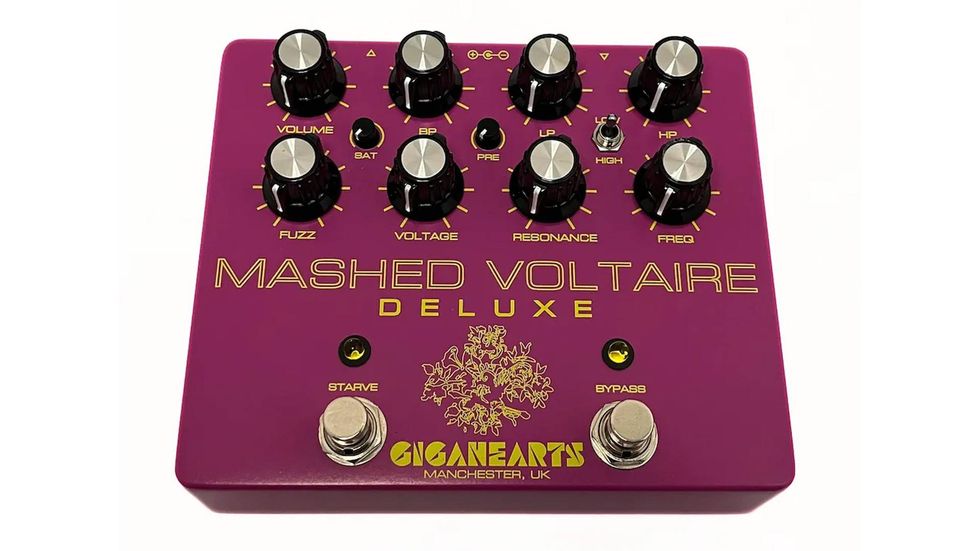
For such a small builder, Manchester, England’s Gighearts scored two Premier Gear Awards in fast succession this year. Like the killer Hyper Soup, the Mashed Voltaire is a well-crafted thing. But the Voltaire’s formula of Big Muff-style fuzz, filter resonance and frequency controls, 3-band band-pass EQ, and preamp make the sometimes freaky Hyper Soup look tame. It’s a monster texture machine that’s fun and intuitive to use once you get it on a leash—but you definitely won’t want to keep it there.
$237 street, gigaheartsfx.com
Vox VTB-1 Treble Booster
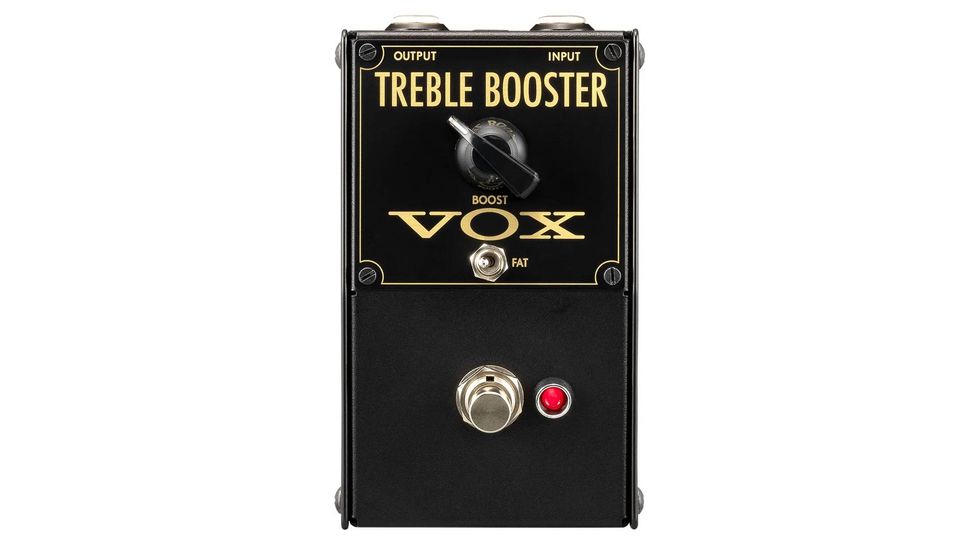
Sometimes simplicity is the most beautiful thing, and the VTB-1 is a great companion on days when that’s what you’re after. It’s based, to some extent, on the Dallas Rangemaster. But Vox’s design team used silicon transistors for stability and non-clipping diodes for germanium-like linearity. The result is a streamlined gain source that can be subtle or do damage.
$149 street, voxamps.com
EarthQuaker Devices Towers
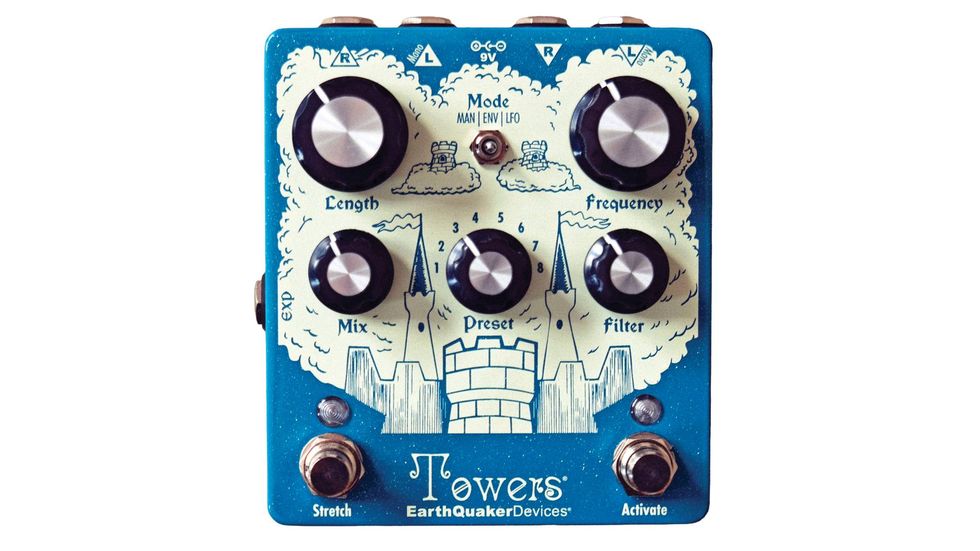
EarthQuaker has plenty of transportive reverb machines on the market, and the Towers occupies its own blissful place among these ambient soundscape machines. With four primary knobs (length, frequency, mix, and filter) and three unique modes (manual, envelope, and LFO), this thing is a natural catalyst for experimentation. Another highlight: the stretch footswitch, which results in some truly out-there tones.
$299 street, earthquakerdevices.com
Electro-Harmonix Bass Big Muff Pi 2
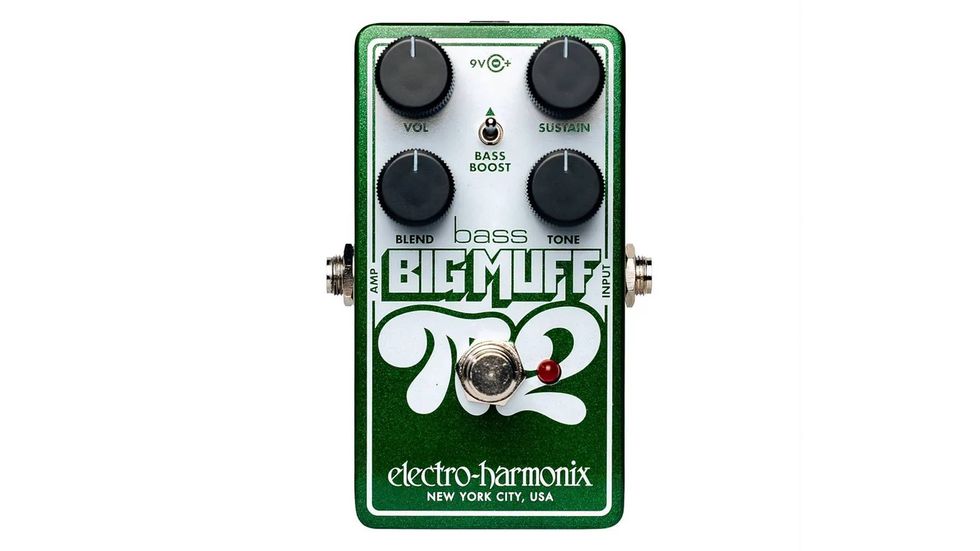
The Big Muff Pi 2, a collaboration with JHS Pedals founder Josh Scott, earned itself an equally impressive bass sibling. The key is in the level of control at your disposal, with four knobs—volume, blend, tone, and sustain—to dial in just the right amount of grime. But it’s also worth shouting out the bass boost switch, which helps you preserve your precious low end.
$122 street, ehx.com
Fairfield Circuitry Placeholder
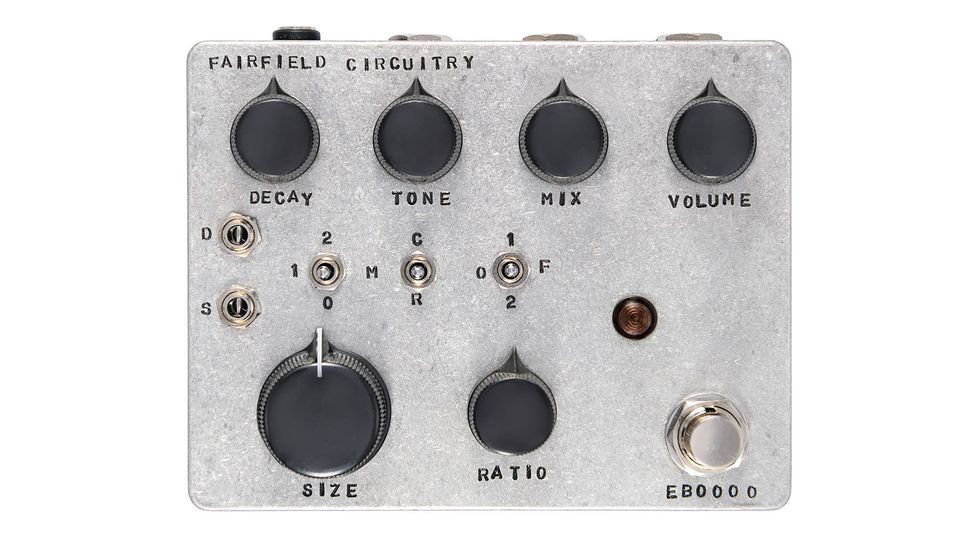
Don’t let the anonymous name fool you—the Placeholder is built to do way more than merely occupy space on your board. This fascinating bucket-brigade reverb pedal is a joy to tinker with, as you adjust the decay, size, and ratio knobs to churn out sounds with unique atmospheres and personalities. Equally important, it’s a total breeze to use.
$450 street, fairfieldcircuitry.com
Magnatone Kingston
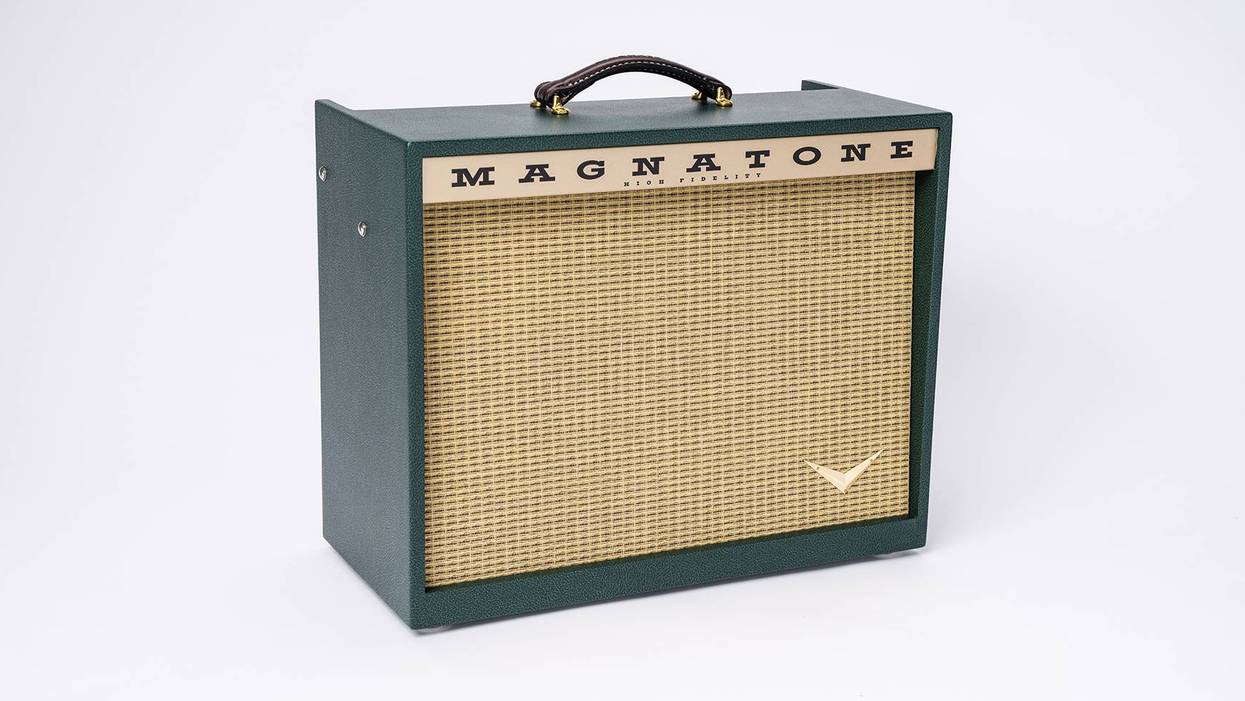
The notion of a Princeton Reverb with a 12" speaker has enticed more than a few players and amp builders. Magnatone’s handwired Kingston, in many ways, is a realization of that idea. Neil Young’s main-man tech Larry Cragg helped conceive the Kingston, and its command of growly textures and warm clean tones makes it easy to hear his influence.
$2,349 street, magnatoneusa.com
Dunlop Cry Baby BB535 Reissue
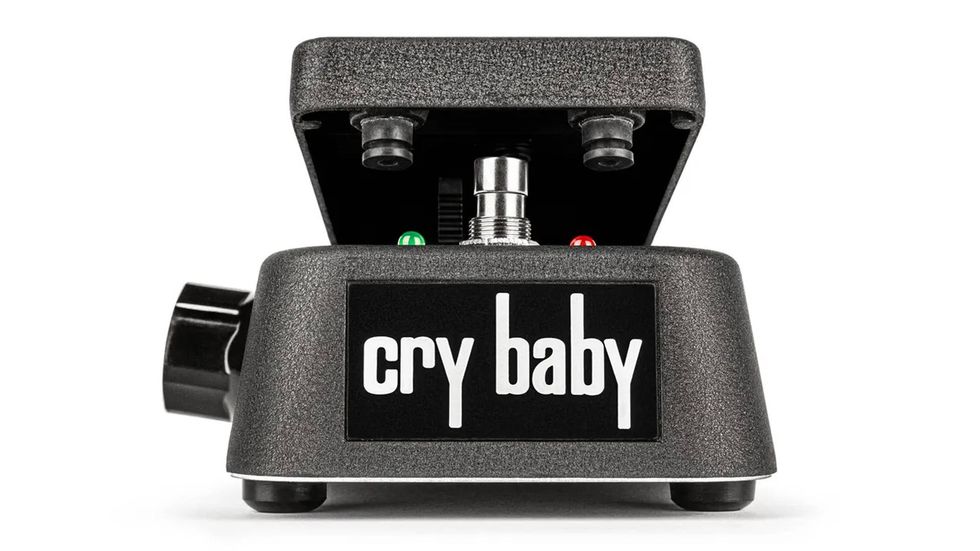
The Cry Baby is a pedalboard staple for a reason: It sounds incredible in just about every musical context, from alt-rock to funk. Now there’s the BB535 reissue, which faithfully recreates the 1999 model, though with a couple of helpful modern tweaks: a side-mounted boost knob, and LEDs for wah and boost status. Consider it the same wah classic, just gently refined.
$229 street, jimdunlop.com
Two-Rock Studio Overdrive
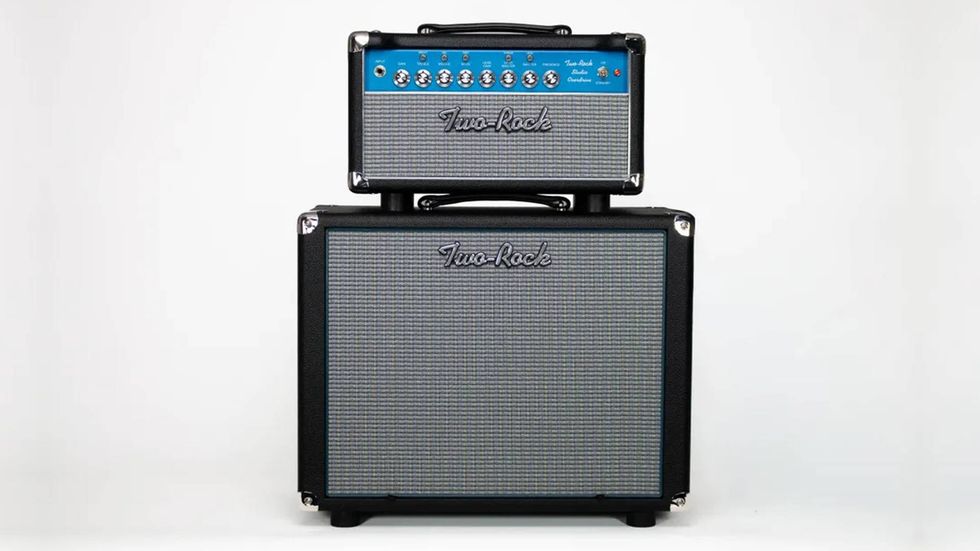
Whether you’re chasing pristine cleans or powerful saturation, the Studio Overdrive lives up to its hefty price tag. Available in both head-and-cab and combo formats, this amp is filled with usable features like a tube-buffered effects loop and tone stack bypass EQ. But it’s also easy to use, with clean and overdrive channels that deliver the goods. Plus, that chassis is awfully sharp.
Street: $3,799 (head only), two-rock.com
Source Audio Pathways
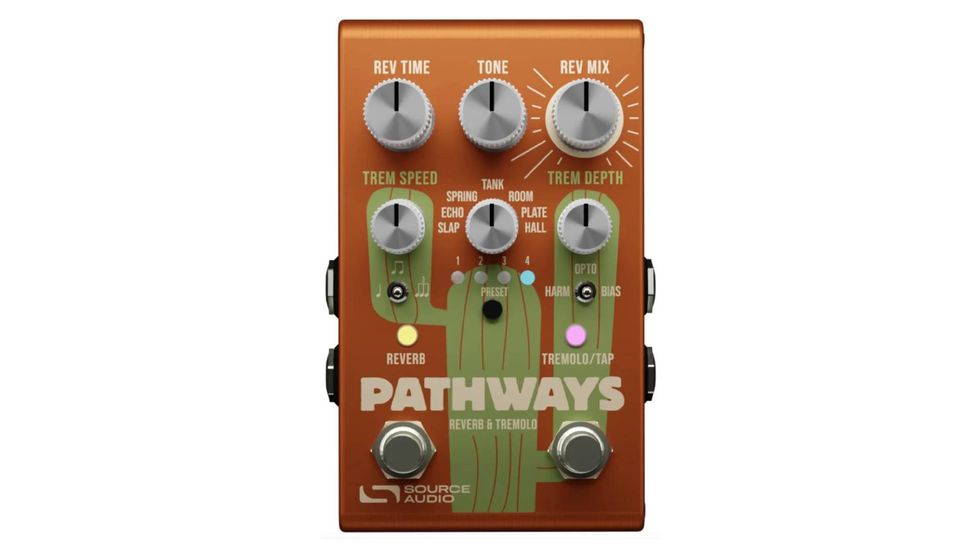
When you can’t get your hands on a real Fender amplifier with tremolo and reverb—or if your preferred amp is something else that lacks Fender-style tremolo and reverb effects—a pedal like the Pathways can be invaluable beyond its $349 price. It imparts authentic vintage-amp flavor instantly and does a lot with a minimum of pedal space. But the Pathways also has a way of reminding you how few pedals you really need, with great versions of these timeless effects.
$349 street, sourceaudio.net
Breedlove Roots Concert RTC-SRe
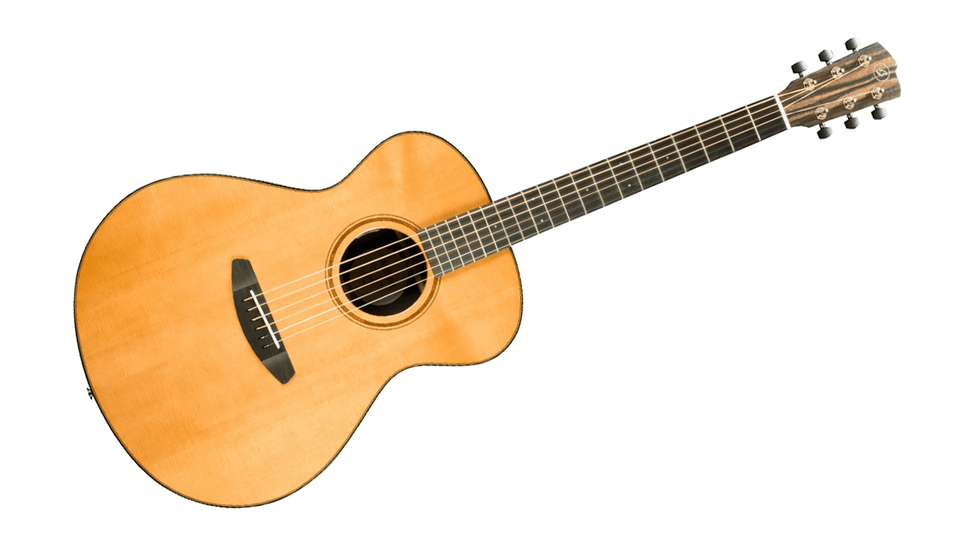
Whether played acoustically or amplified, the Roots RTC-SRe sounds natural and expressive—it’s the kind of adaptable guitar you can use to cover a gamut of styles onstage. Naturally, the specs are appealing: spruce top, ebony fretboard, rosewood back and sides, soft C neck, and LR Baggs HiFi pickup. That gloss finish is pretty dapper, too.
$2,999 street, breedloveguitars.com
DOD Badder Monkey
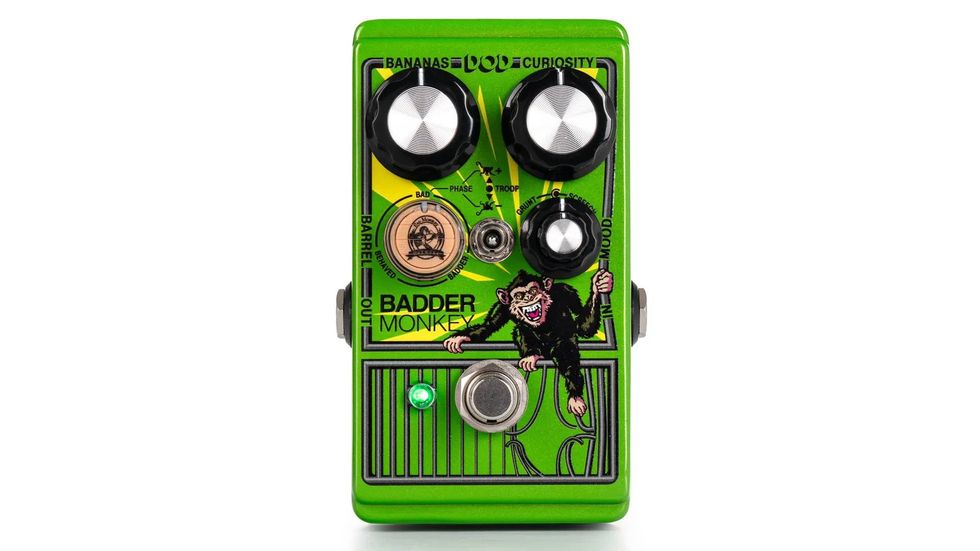
The Badder Monkey may have a lighthearted design—the titular animal featured in the artwork, the playfully named controls—but its tone is no joke. The pedal, a successor to the Bad Monkey, features three circuits: behaved for lower gain, badder for higher gain, and bad for the original. Plus, you can use the rotating barrel control to dial in two of the three—or, if you’re feeling truly bananas, combine them all in troop mode.
$149 street, digitech.com
Fender 75th Anniversary American Ultra II Telecaster
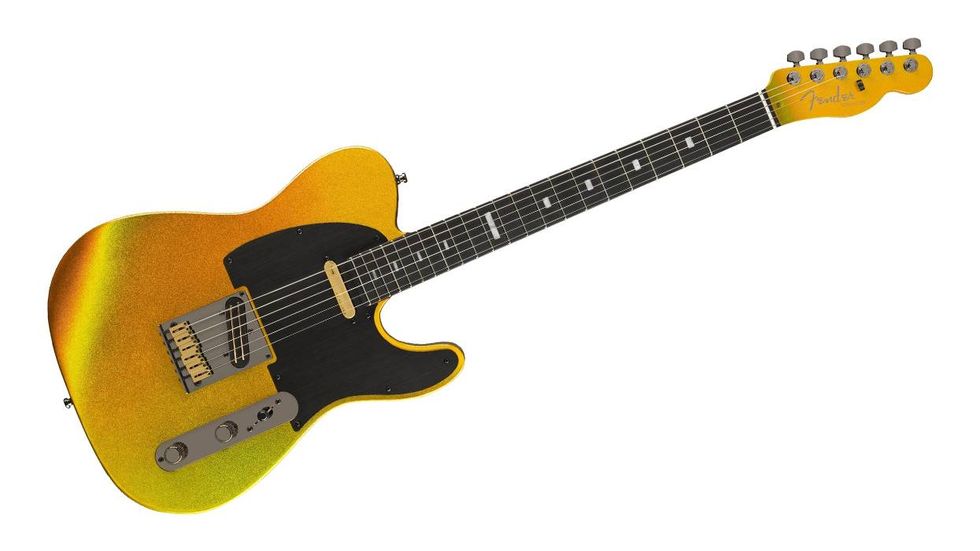
This evolution of the unflappable Telecaster is filled with so many classy appointments, it’s hard to fit them all here. There’s locking tuners, a compound-radius fretboard, Luminlay markers, a contoured body, the eye-catching “liquid gold” finish—the list goes on. But this guitar’s most brilliant feature may be its embedded S-1 switching, which allows you to unlock a myriad of configurations from the neck pickup’s Ultra Noiseless Single-Coil and the bridge’s 75th Anniversary Fastline Humbucker.
$2,999 street, fender.com
Eastman FullerTone Offset ’62
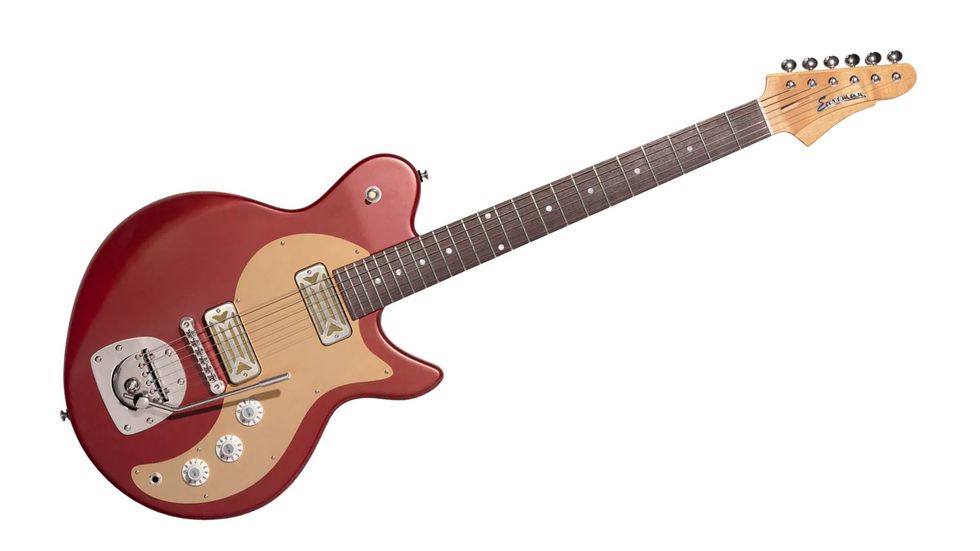
Eastman’s FullerTone Offset ’62 plays like a greatest-hits collection of American solidbody design. But there’s plenty about it that sounds, feels, and looks original. The substantial neck, 12" fretboard radius, and jumbo frets may suggest a mashup of Gibson and Fender elements. But the humbuckers, which ape gold foils in superficial terms only, are super unique in tone—simultaneously evoking Telecaster, Stratocaster, and Firebird personalities. Oh, and that Goldo DG vibrato is a joy!
$999 street, eastmanguitars.com
EarthQuaker Devices HalfLife
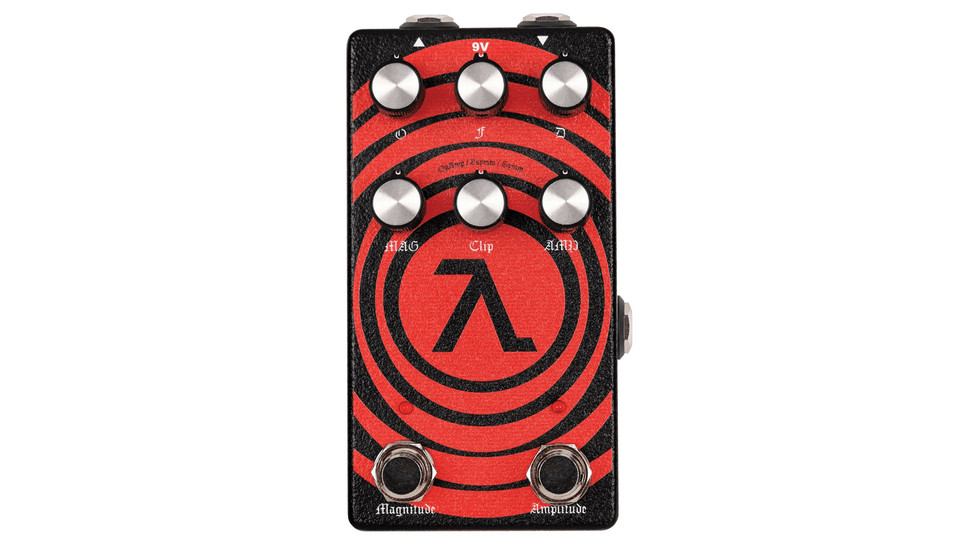
Even if heavy guitar isn’t your thing, you owe it to yourself to experience Sunn O)))—either on record, or preferably, in the flesh. In the right state, their leaden drones can have the same effect as ancient trance-inducing music. The HalfLife, a collaboration between EQD and the band, is predictably excellent for conjuring these sounds. But the combination of RAT and Shin-ei Super Fuzz makes the HalfLife capable of dirty sounds that all kinds of distortion fans can put to use.
$259 street, earthquakerdevices.com
MXR EVH Modern High Gain
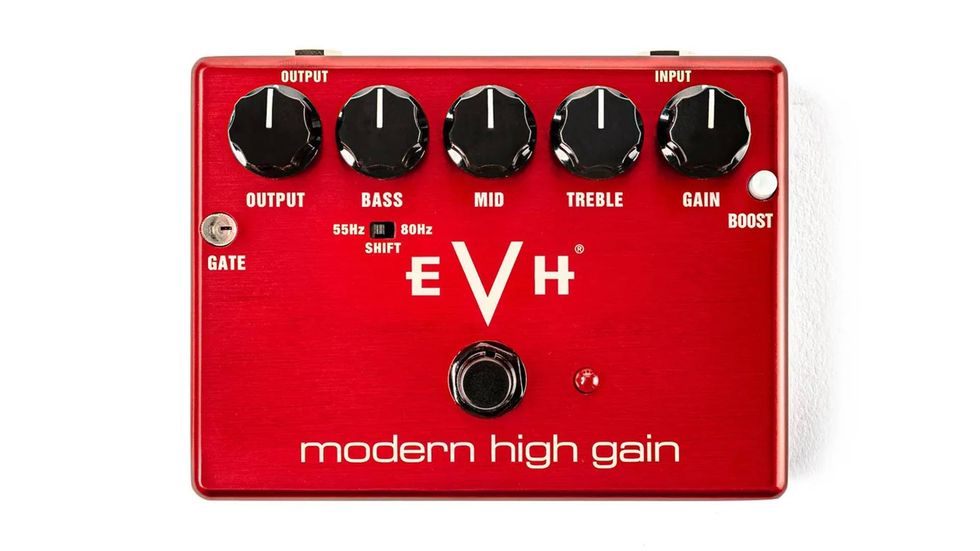
MXR collaborated with Eddie Van Halen to design this high-gain monster back in 2015—and once you play through it, you can tell. This wide-enclosure pedal has plenty of tone-shaping options: output, bass, mid, treble, and gain, along with a noise gate and boost, plus a low-end toggle that allows you to flip between 55 Hz and 80 Hz.
$269 street, jimdunlop.com
Carr Trail Rider
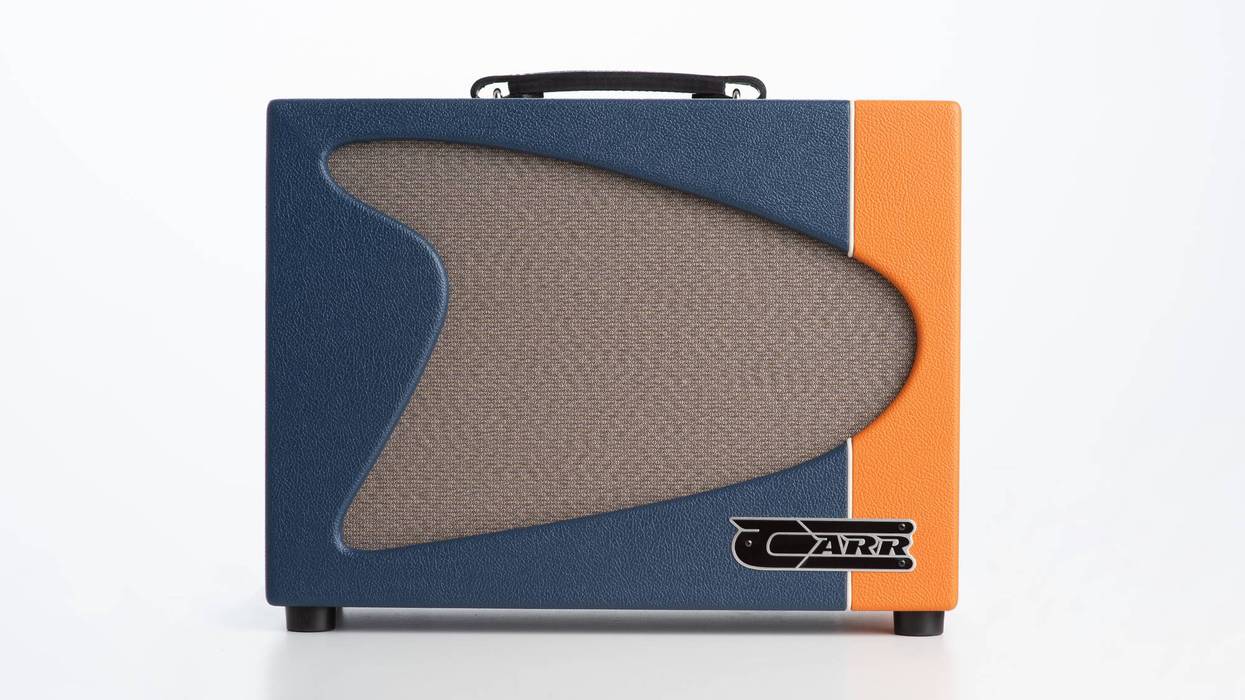
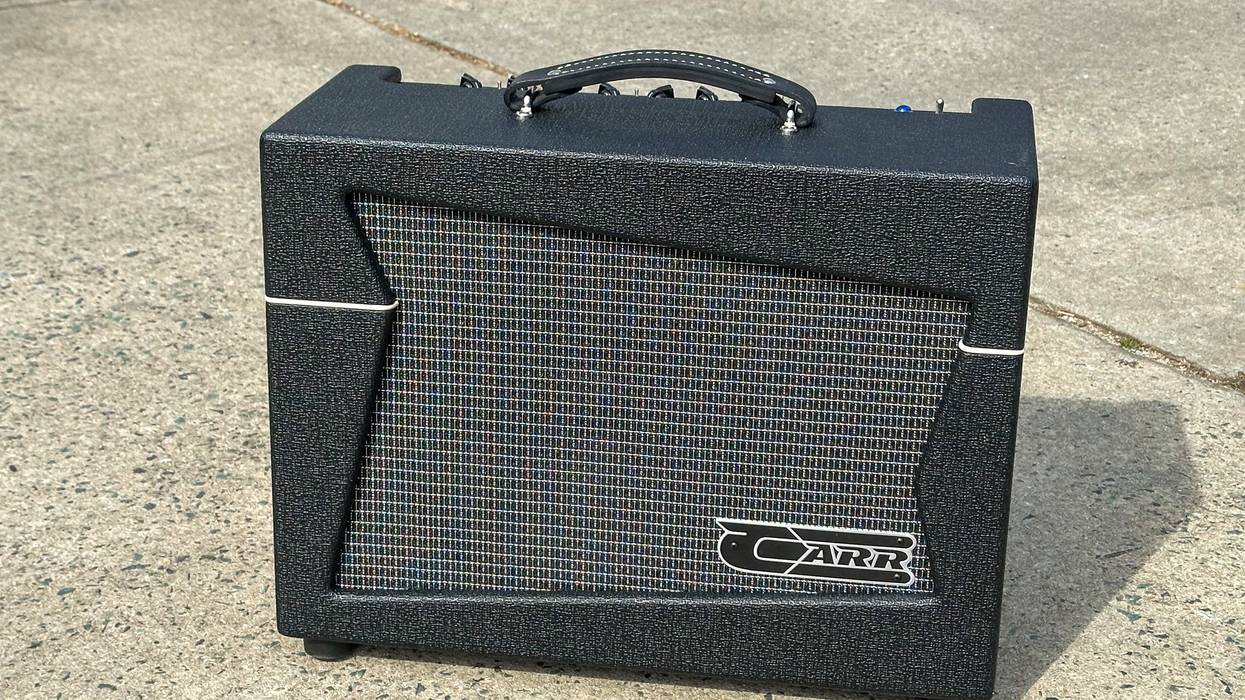
Five watts and a 12" speaker can do a lot of damage—particularly when an amplifier is built to be as efficient as the Carr Trail Rider. This little monster clearly maximizes its potential—dishing energy and volume that sounds like something much bigger, with an expansiveness that’s aided by a tasty tube-driven spring reverb. With two voices that approximate Vox and Fender tweed colors, it’s a fantastically flexible and powerful overachiever.
$2,900 street, carramps.com
Walrus Audio Highpoint
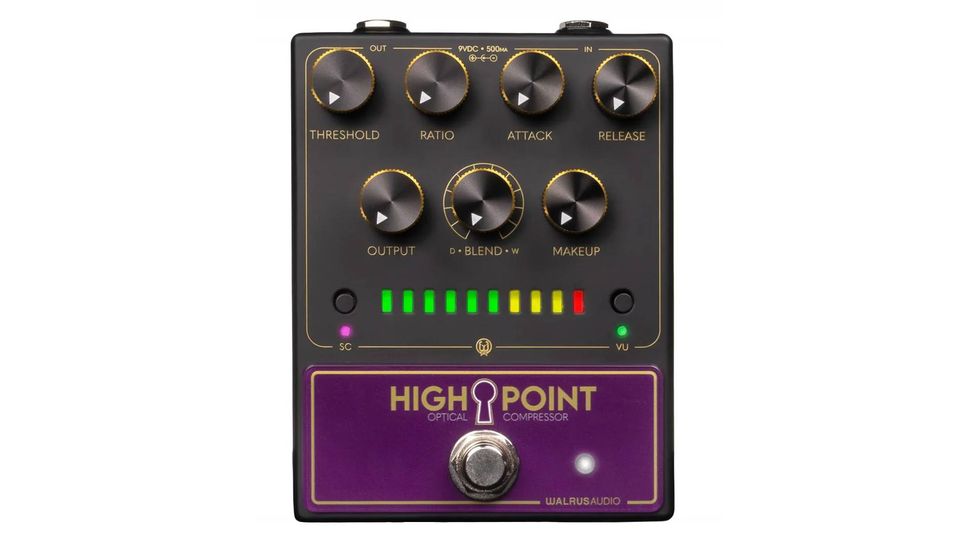
Optical compression has a way of imparting a toasty glow to a signal, and Walrus’ Highpoint opto-comp delivers on the promise of warmth like a pair of shearling-lined slippers. But the Highpoint’s versatile controls also let you dial in uncommon touch sensitivity and transparency, qualities few compressors of any type can match.
$349 street, walrusaudio.com
Keeley Tube Drive
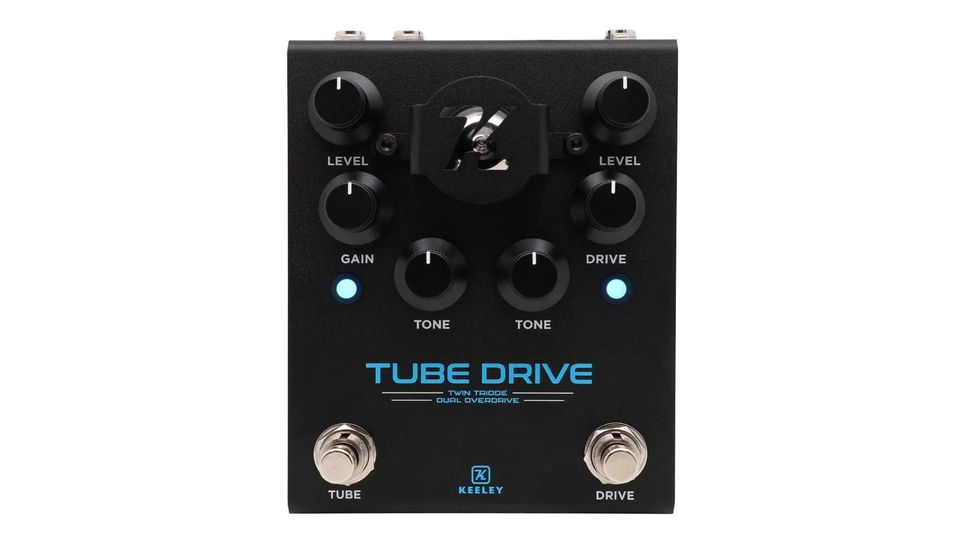
It’s not every day you run into an overdrive that combines a 12AX7 tube, a tone stack derived from a Fender tweed Deluxe, and circuitry inspired by the Boss Blues Driver. But Keeley’s mash-up of these elements results in a dual overdrive that can range from mellow saturation to big-stack power.
$399 street, robertkeeley.com
Electro-Harmonix EHX Percolator
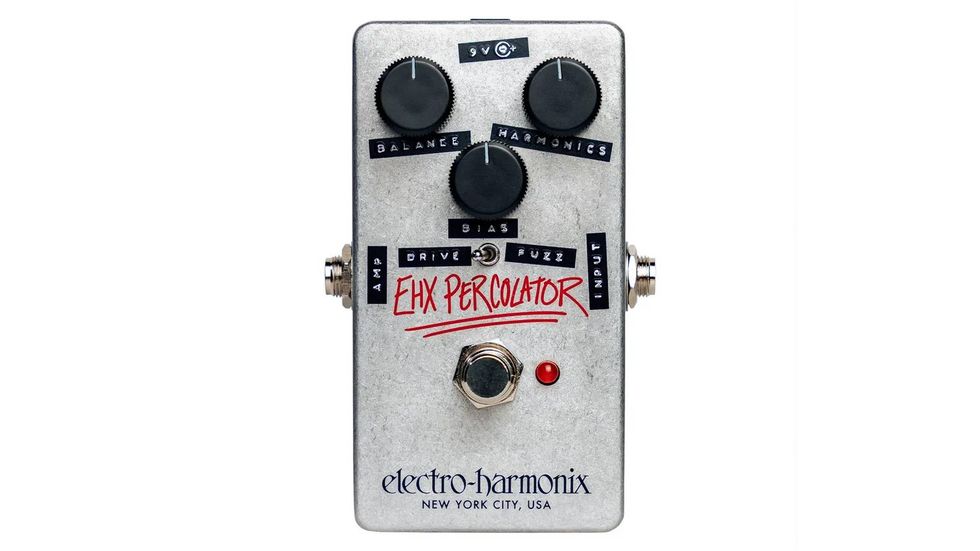
One of the beautiful things about any good Interfax Harmonic Percolator-style circuit is the way the drive and distortion offer a true alternative to drives that strive for tube-like creaminess. The EHX Percolator keeps the original’s edgy, husky voice (which can reach fuzzy extremes) intact—as well as the circuit’s very appealing dynamic range. But it also adds the option to lift the clipping section, adding a layer of versatility that makes the sub-$100 price that much more impressive.
$99 street, ehx.com
Dominion Electric Filmotone
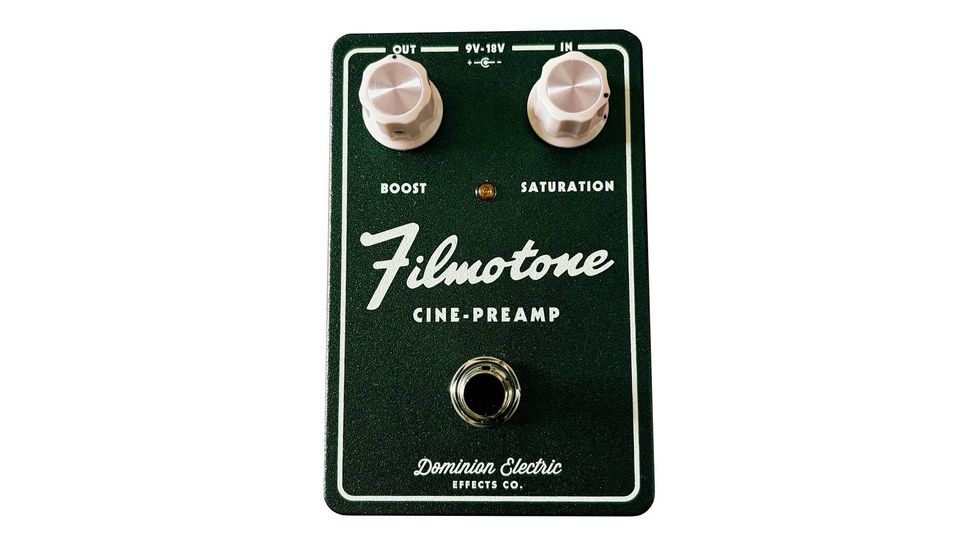
The Filmotone preamp has a quirky backstory—it was inspired by a vintage Bell & Howell Filmosound projector. But the pedal itself, decked out in a sharp dark-green sparkle finish, isn’t some wacky lab experiment. Rather, it’s about as straightforward as it gets. There are two primary controls to manipulate: one for boost, one for saturation. But that’s plenty of territory to help dial in your clean, low-, and mid-gain tones.
$239 street, dominionelectric.co
Mile End Effects Sofort, Si Fort
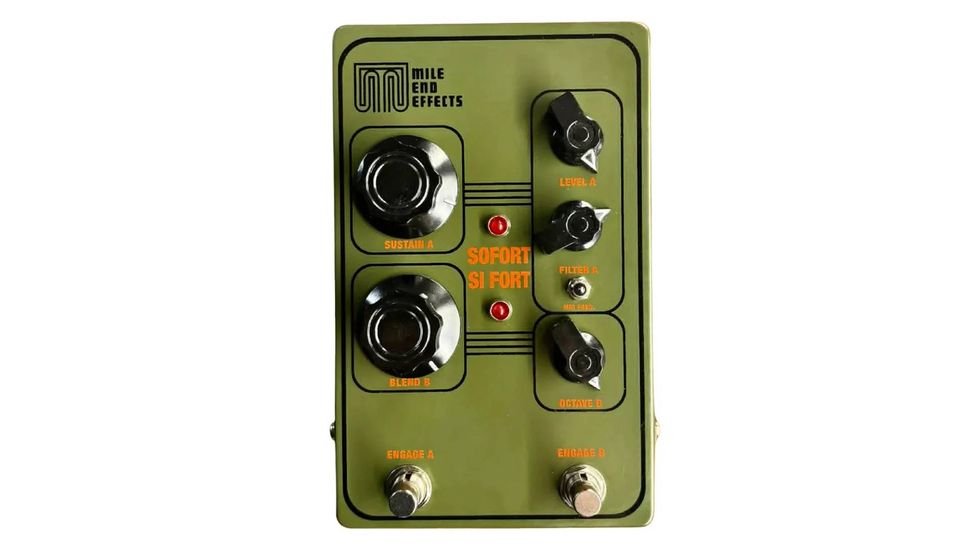
Ginormous in both sheer size and sonic force, the Sofort, Si Fort is an utterly unique two-in-one pedal experience, pairing tones inspired by the Russian Big Muff and ’60s-era Ampeg Scrambler. While both sides operate independently—and sound fantastic on their own—you’ll unlock another layer of fuzz zen by combining them for permutations of sustained, octave-heavy nastiness.
$213 street, mileendeffects.org
Tsakalis AC Master
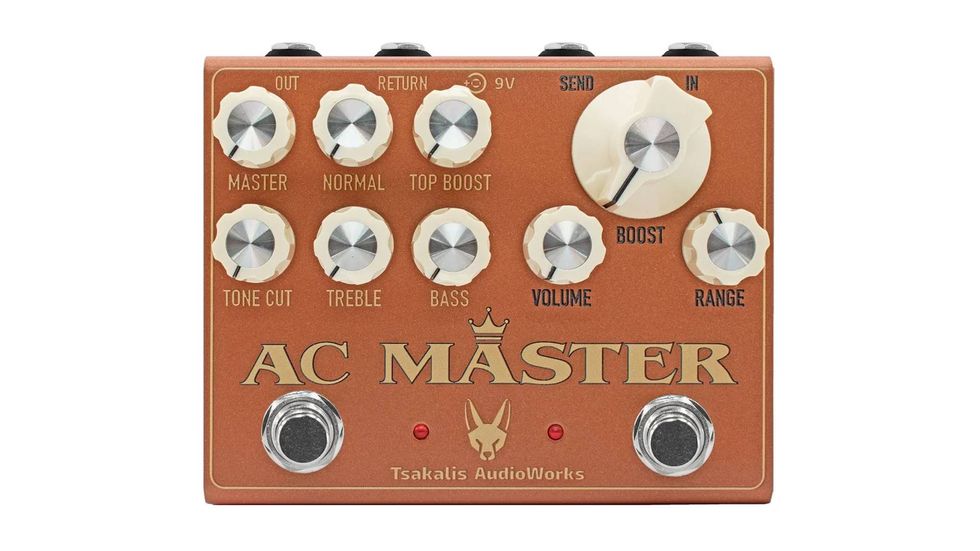
Tsakalis AudioWorks created a faithful but versatile tribute to vintage British rock tones, pairing a Vox-flavored overdrive with a booster inspired by the Dallas Rangemaster. That’s already a worthy combination on its own, but the AC Master can go even deeper, allowing you to blend the top boost and normal channels in your quest for the ultimate Vox-y voice.
$269 street, tsakalisaudioworks.com
Dawner Prince Eclipsa
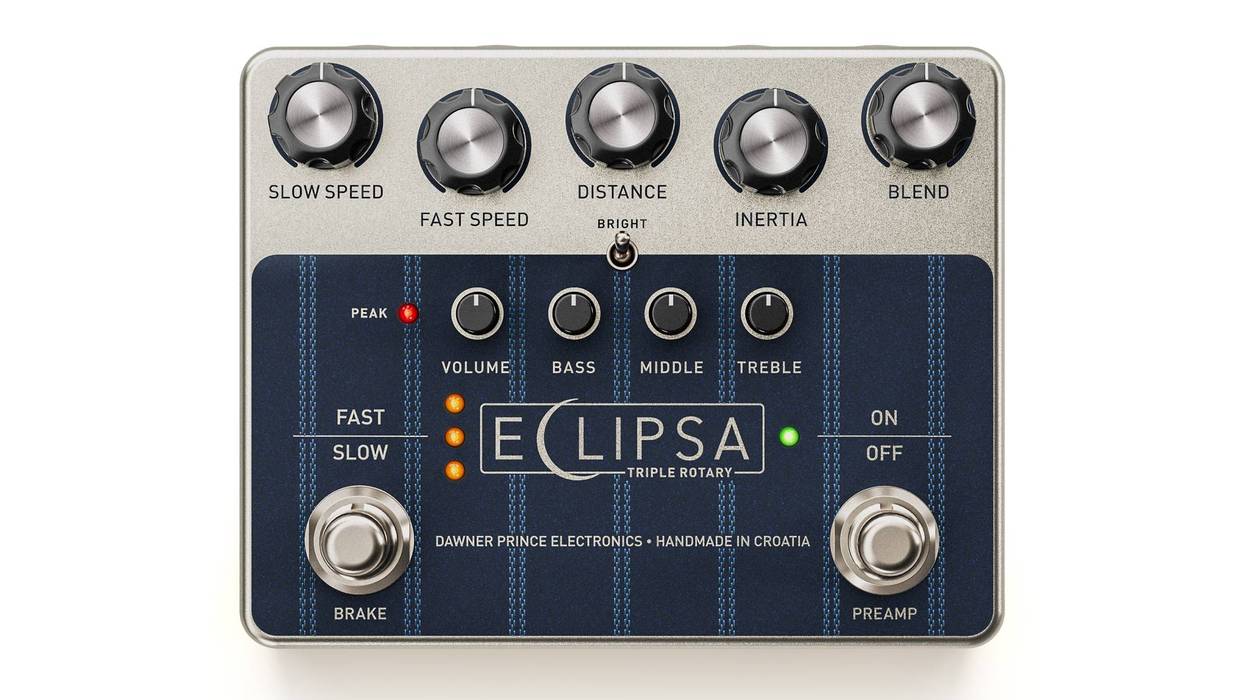
Part of what drives Dawner Prince is what we’d regard as a very healthy obsession with Pink Floyd. This fixation led to superb pedals inspired by the Binson Echorec and the Doppola rotary speaker. With the Eclipsa, Dawner Prince takes on the formidable challenge of approximating the complex sonic signature of Dave Gilmour’s Yamaha RA-200 rotary speaker. The result is a deeply enveloping, addictive sonic experience. And though it’s expensive, the Eclipsa’s immersive realism could well render every other rotary speaker on your short list an also-ran.
$589 street, dawnerprince.com
Seward Park Electric Maravilla
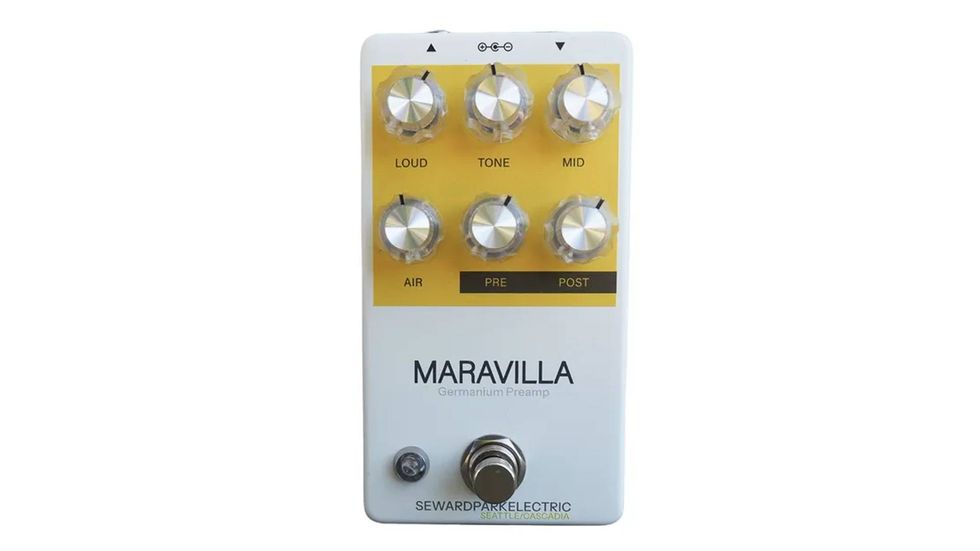
Preamp pedals often offer a more civilized, controllable path to overdrive textures. Seward Park Electric’s Maravilla preamp happily provides that service, but it also pushes into nastier realms via a characterful drive section and flexible EQ that enable many colors along the way. Germanium transistors add extra dynamic responsiveness, and the pedal utilizes an onboard transformer to add additional richness to the distortion. And while its controls can be tricky to master in the early going, the tone dividends paid by learning their ways can make other drive sources seem redundant.
$185 street, sewardpark.com
MXR Textures
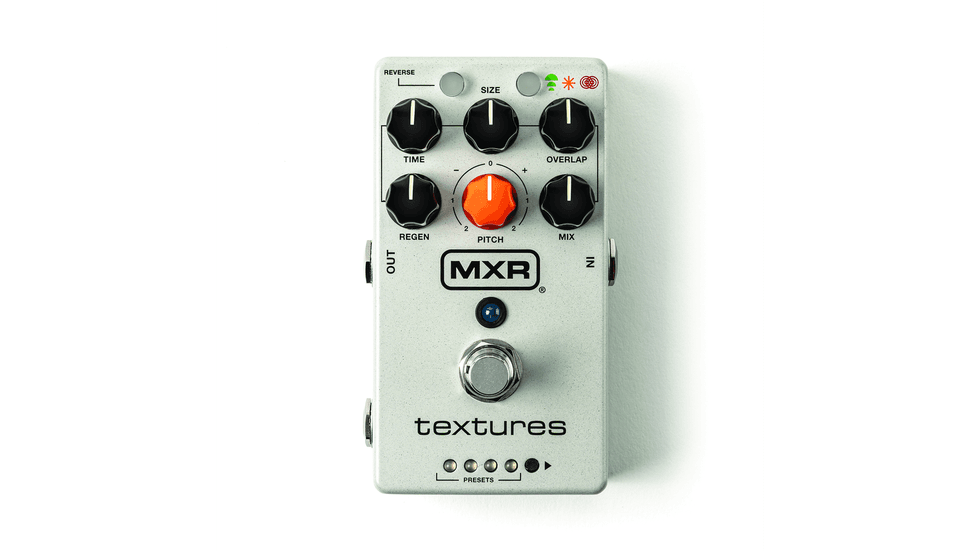
The Textures is a niche pedal, of course—what granular-synthesis device isn’t? But it’s also one of the most expansive and immediately satisfying of its ilk, offering to pull you into some strange rabbit holes. It ultimately boils down to MXR’s philosophy here: transforming your signal into “grains” that you then manipulate through numerous knobs and buttons: stretching, reversing, overlapping, randomizing, repeating, pitch-shifting, auto-freezing, and adding secondary effects.
$269 street, jimdunlop.com
Charvel American Neo-Classic San Dimas Style 1
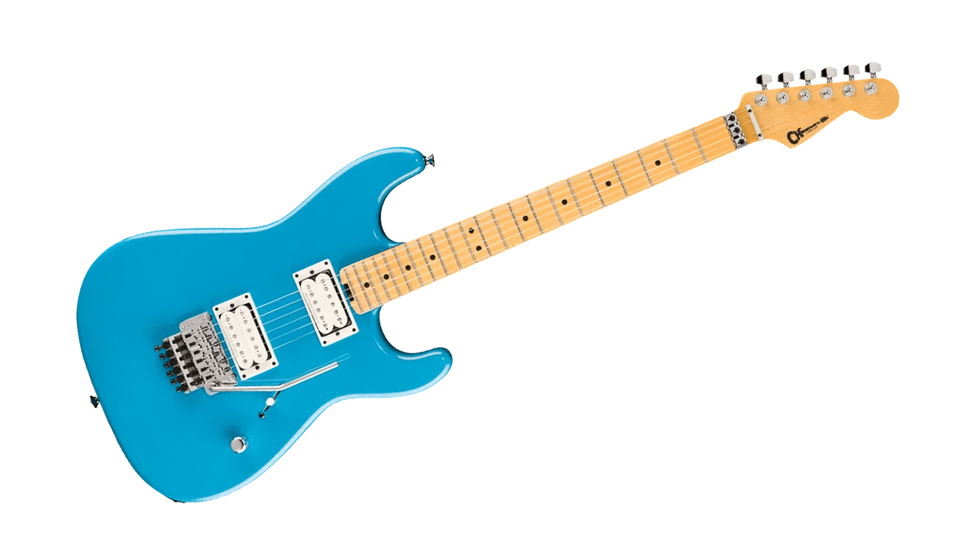
Melding the character of the 1980s with the build quality of 2026, the American Neo-Classic Style 1 feels both like a relic and a reinvention. The foundational specs are vintage San Dimas: the quartersawn maple neck, the jumbo frets, the dependable Floyd Rose. But there are plenty of sweet upgrades here, too, including a versatile 5-way blade for the JB/’59 pickups and graphite reinforcement that elevates neck stability.
$2,799 street, charvel.com